





You wake up early, ready to tackle your to-do list. There’s a morning run, a work commute, hours of standing or walking around, and maybe even a gym session squeezed in before dinner. But halfway through the day, your feet start to protest. There’s a throbbing under your heels, a burning sensation near your arches, and it seems like every step takes more effort than the last. For many active individuals, this scenario is all too familiar. When you’re constantly on the move, your feet carry the burden. The solution? Dual gel insoles. Designed to support dynamic lifestyles, these insoles cushion, stabilize, and reduce fatigue across long days. In this guide, we’ll explore why dual gel insoles are the unsung heroes of foot comfort and how they can transform your daily routine.
What Are Dual-Gel Insoles?
Composition and Technology
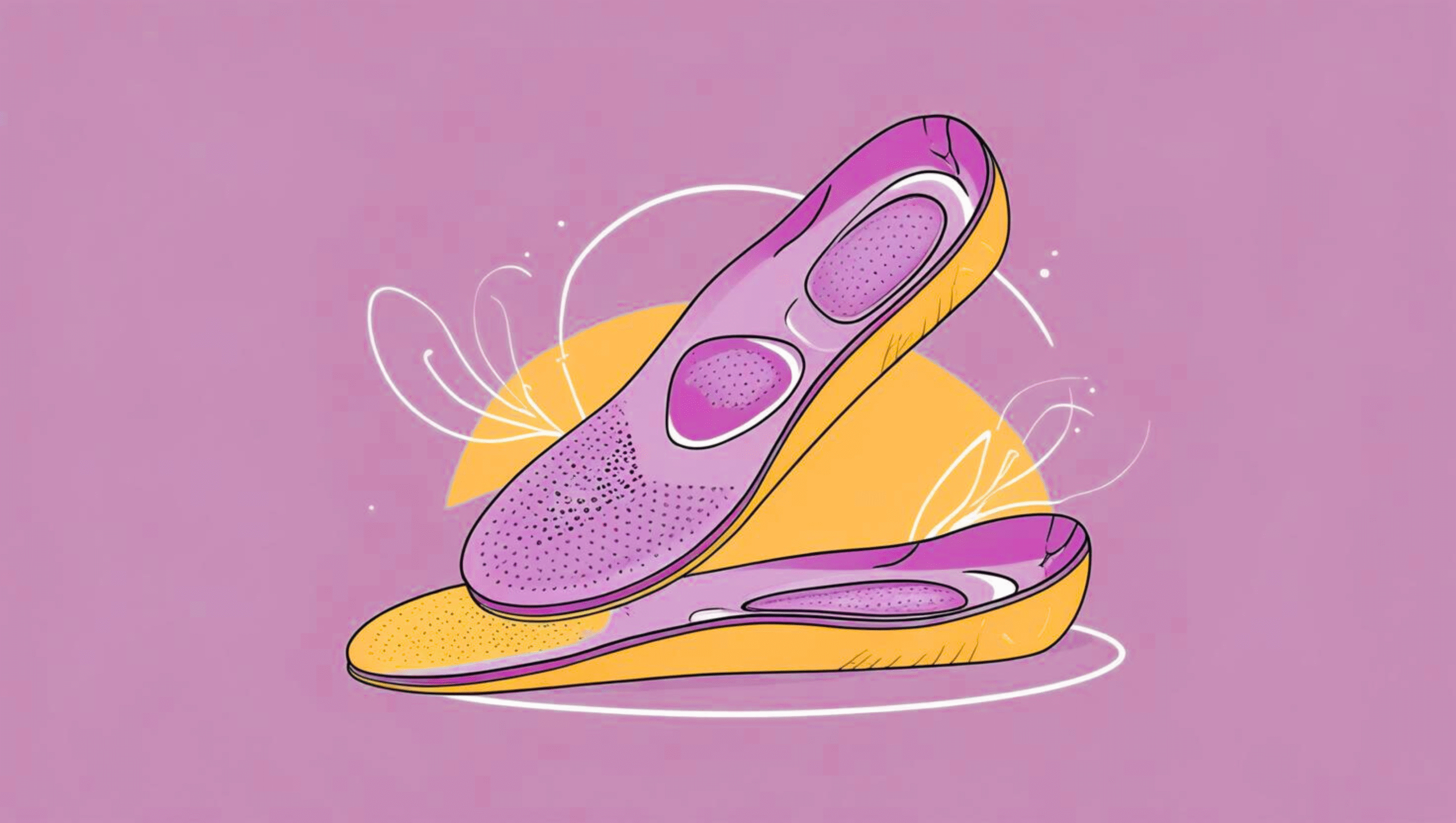
Dual gel insoles are constructed using two layers of gel materials with varying densities to target different pressure points. Typically, the heel and forefoot areas are padded with high-density gel for shock absorption, while the arch and midfoot receive softer gel for contouring support. This layered design adapts to your movements, distributing pressure evenly and minimizing strain on your joints.
Most advanced dual gel insoles also incorporate materials like EVA foam for added structure, breathable top layers for moisture control, and antimicrobial linings to prevent odor and bacteria buildup.
Difference Between Single and Dual Gel Insoles
While single gel insoles offer basic cushioning, dual gel insoles take it up a notch. The dual-layer design targets both high- and low-impact zones, offering specialized support. For those engaging in high-impact activities or enduring long hours on their feet, the comfort and performance of dual-layer gel are significantly superior to single-density designs.
Dual Gel Insoles vs Other Insole Types
Not all insoles serve the same purpose. Understanding the differences helps you choose the best gel insoles for daily wear.
Dual Gel Insoles:
- Two gel densities for targeted support
- Ideal for running, walking, gym workouts, and long standing hours
- Excellent shock-absorbing insoles for joint protection
Single Gel Insoles:
- Basic cushioning only
- Suitable for short-term comfort, not extended activity
Foam Insoles:
- Lightweight but compress quickly
- Limited shock absorption
Orthotic Insoles:
- Medical-grade support
- Often rigid and less comfortable for casual daily use
For people who need insoles for long hours standing or high-impact movement, dual-layer gel insoles provide the best balance of comfort and performance.
Why Should Active Individuals Choose Dual Gel Insoles?
Dual Gel Insoles Benefits for an Active Lifestyle
Dual gel insoles are designed specifically for people who move a lot, stand for long hours, or engage in high-impact activities. Their biggest advantage lies in dual-layer gel technology, which combines shock absorption with adaptive support.
Key benefits include:
- Superior shock absorption during running, walking, and jumping
- Reduced foot fatigue after long hours of standing or commuting
- Better joint protection for ankles, knees, hips, and lower back
- Improved balance and pressure distribution
- Long-lasting comfort for daily wear
For anyone seeking gel insoles for an active lifestyle, dual-layer gel insoles offer a balance of cushioning, stability, and durability that standard insoles cannot match.
What Types of Activities Benefit Most from Dual Gel Insoles?
Running and Jogging
Repetitive motion in running causes significant impact on the heels and knees. Research shows shock-absorbing insoles decrease this impact, helping runners stay injury-free [5].
Hiking and Trail Walking
Trail surfaces stress joints and ligaments. Cushioned insoles can improve biomechanics and reduce knee joint pressure, especially for people with varying body weights [6].
Gym Workouts and Cross-Training
From lifting weights to cardio, gym routines involve multiple movement patterns. Studies again confirm that gel-infused insoles enhance foot support and reduce shock [1].
Daily Wear for Busy Professionals
Retail workers, teachers, and healthcare professionals benefit from dual gel insoles by experiencing less fatigue and better posture during long work hours [2].
Who Are Dual Gel Insoles Best For?
Dual gel insoles are suitable for a wide range of people and lifestyles, including:
- Runners and joggers needing gel insoles for running
- Professionals who stand all day (teachers, nurses, retail staff)
- Gym-goers and cross-training enthusiasts
- Travelers and commuters who walk long distances
- Anyone experiencing foot fatigue or heel pain
If your daily routine puts consistent pressure on your feet, cushioned insoles for walking and standing can significantly improve comfort and endurance.
How Can You Choose the Right Dual Gel Insoles?
Fit and Foot Arch Support
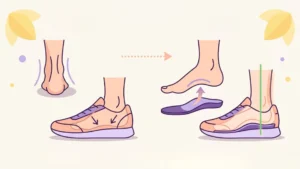
Match your insole to your foot’s arch: flat, normal, or high. Improper support can worsen foot pain. The Mayo Clinic advises matching arch types to the right insoles for relief [4].
Breathability and Material Quality
Insoles made with breathable fabrics, antimicrobial layers, and perforated gels keep feet dry and healthy. Mayo Clinic Store offers insoles with these features to ensure long-term hygiene [7].
Compatibility with Shoe Types
From sneakers to work boots, choose insoles designed for your shoe type. The American Podiatric Medical Association (APMA) offers guidance and seals of acceptance for foot-friendly products [8].
Can Dual Gel Insoles Help Common Foot Problems?
Yes. Dual gel insoles are widely recommended for managing and preventing common foot conditions.
They can help with:
- Plantar fasciitis by reducing heel impact
- Flat feet by supporting arches without stiffness
- High arches by absorbing excess pressure
- Heel pain and metatarsalgia through targeted cushioning
- General foot fatigue caused by prolonged standing or walking
By acting as insoles for joint protection, dual gel insoles also reduce stress transferred from the feet to the knees, hips, and lower back.
What to Look for When Buying Dual Gel Insoles
When choosing the best dual gel insoles, focus on these features:
- Dual-density gel zones for heel and forefoot
- Arch support matching your foot type
- Breathable, moisture-wicking top layer
- Anti-slip base to prevent movement inside shoes
- Trim-to-fit design for versatility across footwear
High-quality shock-absorbing insoles should feel supportive without being rigid and cushioned without feeling unstable.
How Do You Maintain Dual Gel Insoles?
Cleaning Tips:
- Remove and air them out daily
- Wipe with a damp cloth and mild soap weekly
- Avoid machine washing or drying
When to Replace Them?
Replace insoles every 6–12 months or sooner if cushioning degrades or odor develops. The APMA recommends replacing worn-out insoles for ongoing foot health [8].
Why Are Dual Gel Insoles a Game-Changer for Active Lifestyles?
Active living demands reliable support, and your feet deserve nothing less. Dual gel insoles cushion every step, protect your joints, and reduce fatigue, keeping you going longer and stronger. Whether you’re working, walking, lifting, or exploring, these insoles deliver the comfort your lifestyle requires—every single day.
Frequently Asked Questions:
1. Can dual gel insoles help with plantar fasciitis?
Yes. They provide targeted heel cushioning and arch support to reduce inflammation and pain [4].
2. How long do dual gel insoles last?
Typically 6-12 months, depending on usage. If support feels diminished, it’s time to replace them [8].
3. Can I use them in multiple shoe types?
Yes, as long as the insole fits comfortably. Trim-to-fit versions are ideal for switching between shoes.
4. Are dual gel insoles suitable for people with flat feet or high arches?
Yes. Dual gel insoles adapt to different arch types by combining contouring support with cushioning. This makes them effective for both flat feet and high arches without excessive pressure.
5. Can dual gel insoles help reduce knee, hip, or lower back pain?
Absolutely. By absorbing impact at the foot level, dual gel insoles reduce stress traveling upward to the knees, hips, and lower back, making them effective insoles for joint protection.
References:
- Effects of Insoles and Additional Shock Absorption Foam
- Systematic Review on Insoles and Fatigue
- Effects of Insole Materials on Balance
- Mayo Clinic – Plantar Fasciitis Treatment
- Shock Absorbing Insoles During Walking
- Insoles and Knee Biomechanics
- Mayo Clinic Store – Dual Gel Insoles
- APMA – Approved Footwear Products