





The majority of people are not aware of the impact on the daily routine that causes knee pain, which may happen unexpectedly. Our sitting posture, the type of shoes we wear, and the type of food we consume, as well as the frequency of exercise, all play a significant role in determining the healthiness of our knees. With awareness of such causes of knee pain, you will be able to make effective changes that will reduce pain, accelerate recovery, and enhance mobility.
This comprehensive guide includes the key daily habits that result in knee pain, some scientifically tested ways of altering the said habits, and a few useful tips on maintaining the strength of your knees and making them free from pain.
Opening the Curtain on Knee Pain and Lifestyle
Understanding knee pain beyond injury and age
Knee pain isn’t just about hurting joints or aging bones. While injuries and age-related cartilage wear are factors, much knee pain springs from how we live day to day. Muscle imbalances, repetitive movements, poor body mechanics, and even how we rest and sleep all contribute meaningfully [1]. Surgery or medications might fix damage or symptoms, but lasting pain relief strongly ties to modifying these underlying lifestyle causes.
The pervasive influence of everyday choices on joint health
Small daily choices like how long you sit, what shoes you wear, what you eat, and how you move add up over weeks, months, and years. Each can tip the balance toward healthier joints or chronic degeneration. Better understanding this interplay lets you reclaim control before discomfort dictates your life’s rhythm.
Your knees would love to RSVP for “Better Habits”; party of one, please!
Sedentary Lifestyle: The Silent Strain on Your Knees
Impact of prolonged sitting on muscle strength and joint lubrication
Spending hours sitting shrinks active muscle mass, especially quadriceps and glutes that provide essential knee stability [2]. Combined with stiffened joints from immobility, this creates a perfect storm of vulnerability. Synovial fluid, which nourishes cartilage, depends on joint movement; without enough, cartilage dryness and damage ensue.
How does inactivity accelerate cartilage wear and knee pain?
Research in osteoarthritis patients shows sedentary behavior correlates with accelerated cartilage loss and worse symptoms [3]. Inactivity also predisposes joints to inflammation and poor healing after minor insults.
Simple activity breaks to keep knees moving smoothly
- Stand and gently stretch every 30 minutes of sitting.
- Incorporate light walking bouts or household chores between seated periods.
- Perform seated leg extensions or ankle rotations to stimulate circulation.
Remember: couch potatoes might be cute, but couch knees? Not so much.
Footwear Follies: How Your Shoes Could Be Sabotaging Your Knees
Poor shoe choices and misaligned gait stress knees
Shoes act as the foundation of kinetic chains. Insufficient cushioning, worn heels, and inadequate arch support distort foot mechanics, causing compensatory stresses on knees [4]. Over time, these contribute to cartilage degradation and tendinopathies, common reasons for knee pain.
The pitfalls of high heels and flat shoes without arch support
High heels amplify patellofemoral joint pressures, often causing anterior knee pain in women. Flat, unsupportive shoes collapse arches, destabilizing knees and increasing load on ligaments and surrounding tissues.
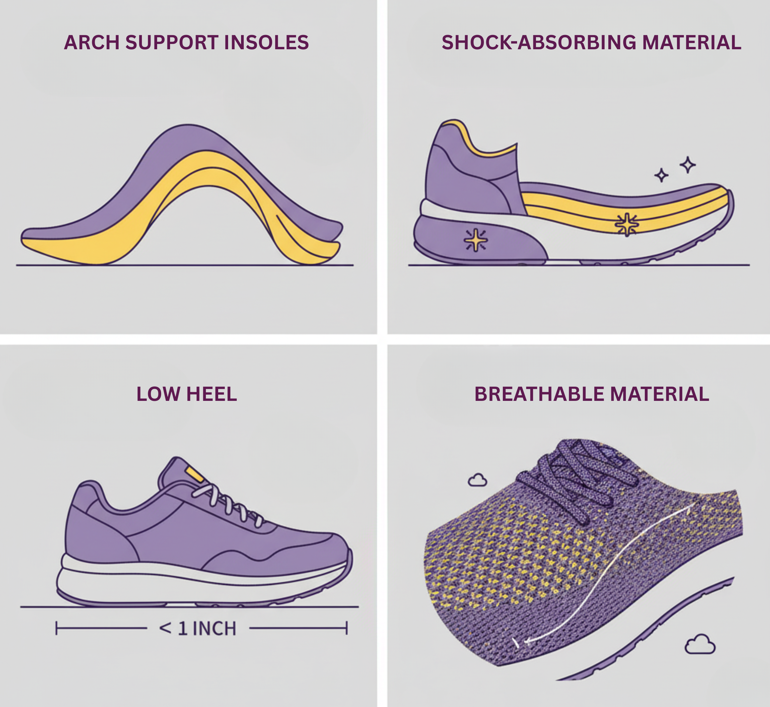
Features to look for in knee-friendly footwear
- Arch support matched to your foot type.
- Shock-absorbing soles.
- Proper heel height (less than 1 inch recommended).
- Breathable, comfortable fit.
Your shoes should whisper encouragement, not shout “brace yourself!”
Weight and Diet: Invisible Forces Amplifying Knee Pain
The mechanical load extra weight imposes on knees
For every extra kilogram of body weight, the knees bear about fourfold that pressure during daily activities like walking and climbing [5]. This overload accelerates cartilage wear and fosters inflammation, both key knee pain reasons.
Inflammatory foods vs. joint-friendly nutrients
Diets rich in processed foods, sugars, and saturated fats promote systemic inflammation, exacerbating joint discomfort. In contrast, omega-3-rich fish, colorful fruits and vegetables, and antioxidants support joint health and reduce pain [6].
Managing weight and nutrition as part of knee pain reasons prevention
Integrating balanced nutrition with calorie control supports weight loss, improving knee load and symptom relief.
Exercise Habits: Striking the Perfect Balance for Knee Health
Exercises proven to strengthen knees and relieve pain
- Quadriceps straight leg raises to reinforce shock absorption.
- Hamstring curls to support posterior knee stability.
- Calf stretches enhance ankle-knee synergy.
- Low-impact aerobic activities (stationary bike, swimming) boost joint movement.
Common exercise mistakes that worsen knee conditions
- Overexertion without adequate rest.
- Ignoring pain signals or pushing through aggravation.
- Poor technique leading to unnatural joint loading.
Incorporating physiotherapy exercises for knee pain management
Physiotherapists tailor rehab programs focusing on strength, balance, and functional movements to restore knee health safely and effectively.
Your knees want a coach, not a drill sergeant.
How Daily Habits Contribute to Knee Pain
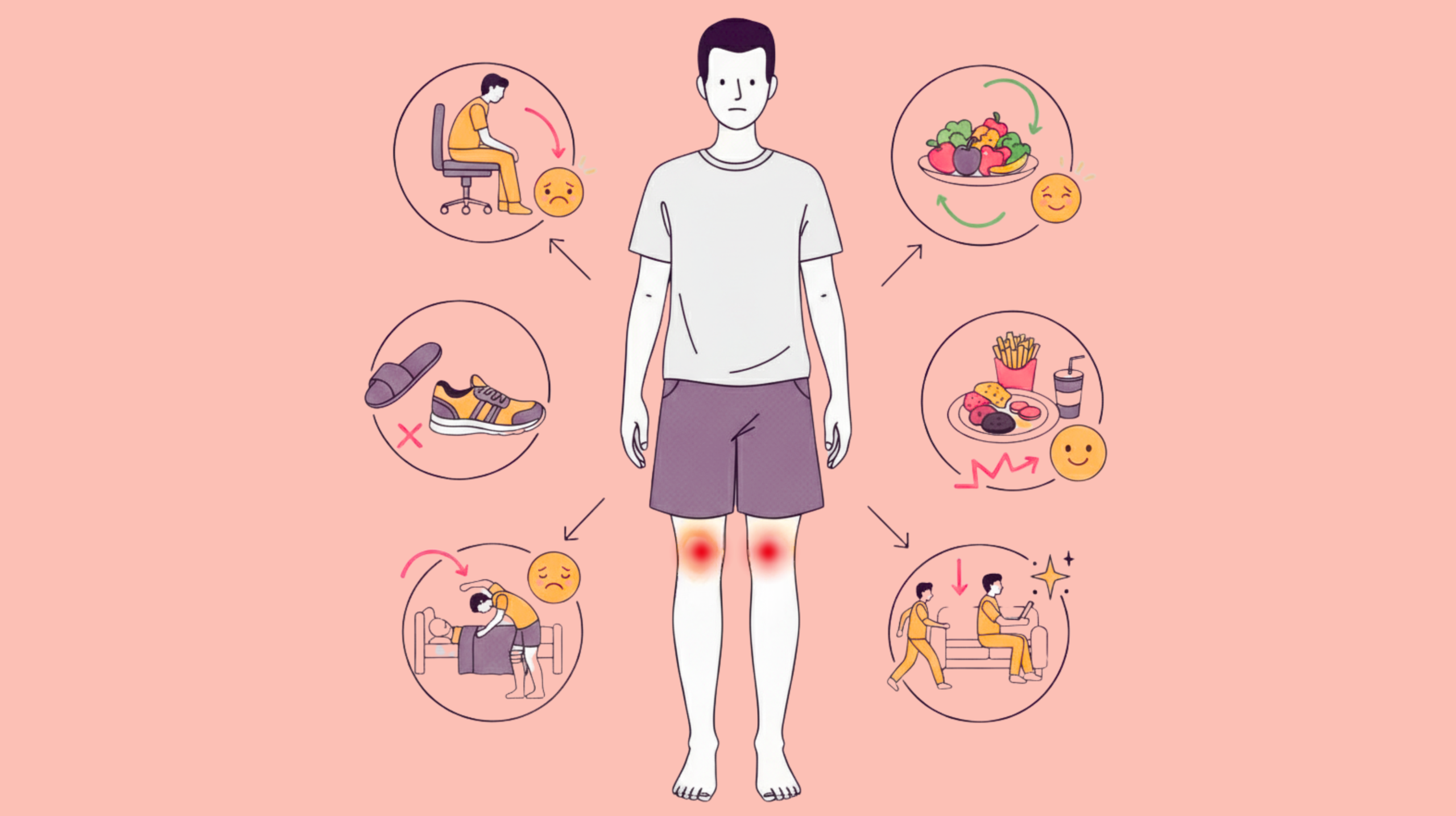
Many knee pain reasons are rooted in everyday behaviors rather than sudden injuries. Prolonged sitting, poor posture, lack of movement, improper footwear, and inconsistent exercise gradually overload the knee joint. These daily habits causing knee pain often go unnoticed until stiffness, swelling, or discomfort becomes persistent. Addressing them early is one of the most effective knee pain prevention tips.
Understanding Knee Pain Beyond Injury and Aging
While trauma and aging are well-known causes, lifestyle causes of knee pain play an equally important role. Muscle weakness, joint underuse, repetitive stress, and poor recovery habits alter biomechanics over time. Understanding knee pain beyond injury empowers individuals to take control through movement, nutrition, and self-care rather than relying only on medication.
How Footwear Choices Affect Knee Pain
Foot mechanics directly influence knee alignment. Footwear and knee pain are closely linked through gait changes, shock absorption, and arch support. Unsupportive shoes can increase joint load, worsen tracking of the kneecap, and accelerate wear. Choosing supportive footwear is a simple yet powerful step in knee protection.
Weight, Diet, and Inflammation as Key Knee Pain Factors
Excess body weight increases mechanical stress, while poor nutrition fuels inflammation. Diet and knee joint health are deeply connected, anti-inflammatory foods support cartilage, while processed foods worsen pain. Managing weight and eating nutrient-dense meals reduces strain and improves long-term joint resilience.
Exercise Habits That Help or Harm Knee Recovery
Movement is essential, but not all exercise supports healing. Exercises for knee pain relief focus on strengthening surrounding muscles, improving mobility, and reducing joint load. Overtraining, poor form, or ignoring pain signals can delay recovery. Balanced, low-impact exercise supports healing and prevents recurrence.
Daily Posture and Movement Adjustments for Knee Protection
Small adjustments in posture during sitting, standing, walking, and sleeping significantly reduce joint stress. Maintaining proper alignment, avoiding prolonged knee flexion, and using ergonomic supports are simple knee pain self-care strategies that protect joints during everyday activities.
When Knee Pain Requires Medical Attention
Not all knee pain can be managed with lifestyle changes alone. Persistent pain, swelling, instability, or locking may indicate structural damage. Early medical evaluation ensures accurate diagnosis and prevents worsening conditions, especially when conservative measures fail.
Home Remedies and Self-Care Practices That Complement Medical Treatment
Effective home remedies for knee pain relief and swelling reduction
- Ice packs reduce tissue inflammation and dull pain (apply 20 minutes on/off) [7].
- Heat therapy relaxes tightened muscles and improves circulation.
- Elevation during rest minimizes swelling by aiding venous return.
Role of heat and cold therapy in symptom management
Alternating between cold and heat judiciously maximizes symptomatic relief across stages of pain and stiffness.
Exploring homeopathic and natural approaches with caution
Some patients find comfort in turmeric supplements or topical herbal oils, but scientific evidence remains limited. These should complement, not replace, medical therapies.
Supportive Gear: When and How to Use Knee Braces and Caps?
Understanding the types and functions of knee braces
- Compression sleeves enhance proprioception and reduce swelling.
- Hinged braces guard against excessive motion in ligament injuries [8].
- Strap braces correct patellar tracking and offload tendons.
Selecting the best kneecap for pain relief and support
Material breathability, fit snugness, and intended use dictate the best cap choice. Consulting healthcare providers ensures optimal benefit.
Integrating supportive aids without dependency
Exercise should be accompanied by the use of supportive devices when a person is going through the rehabilitation period so that the muscles do not get weaker as a result of prolonged dependence on it.
Behavioral Modifications for Injury Prevention and Long-Term Knee Health
Posture and body mechanics during daily activities
Right posture eases tension on your knees as this aligns with the kinetic chain. You should be conscious of your gait and the exercises you do and use ergonomic supports.
Adjusting sitting, standing, and sleeping habits to relieve knee stress
- When you are sitting, make sure you do not cross your legs or bend your knees too far.
- Blankets or supportive chairs should be used.
- When you are lying on your side with your knees parted, put a pillow between them.
Lifestyle tweaks to minimize recurrence of knee pain
It is very important to pace your action, not do repetitive stresses on your joints and perform routine strength training.
Recognizing When Professional Help is Needed
Symptoms indicating underlying structural or serious damage
- Persistent pain despite interventions.
- Severe swelling or heat.
- Joint locking or instability.
Importance of timely diagnosis and tailored treatment plans
Prompt consultation with orthopedists or physios enables early, personalized intervention, improving outcomes.
Using ICD-10 codes and knee pain location charts for systematic care
Detailed documentation guides ongoing care, research, and communication among healthcare teams.
Conclusion
Making changes in daily habits may not be a big change, but eventually it can make a huge difference on your knees. By considering these causes of knee pain, changing your habits to make your knees more flexible, and seeking medical assistance as soon as you can, your knees will be in a better position to deal with every activity. Always remember happy knees mean happy steps. Do not allow your knees to be like the old fussy neighbors when you go!
Moreover, your overall muscle and bone health depend significantly on the food you eat. Know in detail about the nutritional facts that can help in relieving pain and make joints healthier:
Frequently Asked Questions:
1. Can simple lifestyle changes really reduce knee pain?
Yes. Changes like increased activity, proper footwear, and a balanced diet lower knee stress and enhance joint function, reducing pain significantly.
2. What are the best daily exercises for knee strength?
Straight leg raises, hamstring curls, balance training, and low-impact aerobic workouts gently build muscle supporting knee stability.
3. How do I pick a knee brace that suits my needs?
Choose based on injury severity, support needed, comfort, and professional advice for specific conditions like ligament injuries or arthritis.
4. Are there diets proven to support knee health?
Yes. Diets rich in omega-3 fatty acids, antioxidants from fruits and vegetables, and vitamin D support cartilage health and reduce inflammation.
5. When is it critical to see a doctor for knee pain?
Seek care if pain is severe, persistent, worsening, or associated with swelling, locking, instability, or loss of function.
References
- Arendt, E., & Griffin, L. (2000). Musculoskeletal injuries. Women in sport, 37-61. http://ndl.ethernet.edu.et/bitstream/123456789/68776/1/5.pdf.pdf#page=222
- Schaap, C. M. (1996). Biomechanical analysis of sitting down and rising up from a chair with respect to the cruciate ligament forces. https://pure.tue.nl/ws/portalfiles/portal/4262948/652309.pdf
- Del Río, E. (2025). Thick or thin? Implications of cartilage architecture for osteoarthritis risk in sedentary lifestyles. Biomedicines, 13(7), 1650. https://doi.org/10.3390/biomedicines13071650
- Miller, S. T., Loudon, J. K., & Phd, S. C. S. Running Injuries: Shoes, Orthotics, and Return-to-Running Program. Any screen. Any time. Anywhere., 588. http://ndl.ethernet.edu.et/bitstream/123456789/40098/1/Charles%20E.%20Giangarra.pdf#page=696
- AAOS (2025). The Impact of Obesity on Bone and Joint Health. Retrieved from: https://www.aaos.org/contentassets/1cd7f41417ec4dd4b5c4c48532183b96/1184-the-impact-of-obesity-on-bone-and-joint-health1.pdf [Viewed on 15 November 2025]
- Shawl, M., Geetha, T., Burnett, D., & Babu, J. R. (2024). Omega-3 supplementation and its effects on osteoarthritis. Nutrients, 16(11), 1650. https://doi.org/10.3390/nu16111650
- Fiscus, K. A., Kaminski, T. W., & Powers, M. E. (2005). Changes in lower-leg blood flow during warm, cold, and contrast water therapy. Archives of physical medicine and rehabilitation, 86(7), 1404-1410. https://doi.org/10.1016/j.apmr.2004.11.046
- Shafie, S. N. S., Ramlee, M. H., & Azaman, A. (2021). Kinematics and Comfortability Analysis of Orthosis for Patients Associated With Anterior Cruciate Ligament Injury: Hinge Versus Sleeve. Malaysian Journal of Medicine & Health Sciences, 17(4). https://medic.upm.edu.my/upload/dokumen/2021100809575135_MJMHS_1120.pdf