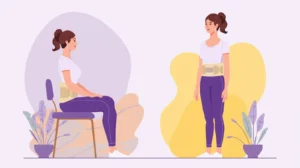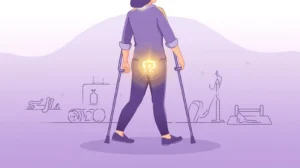






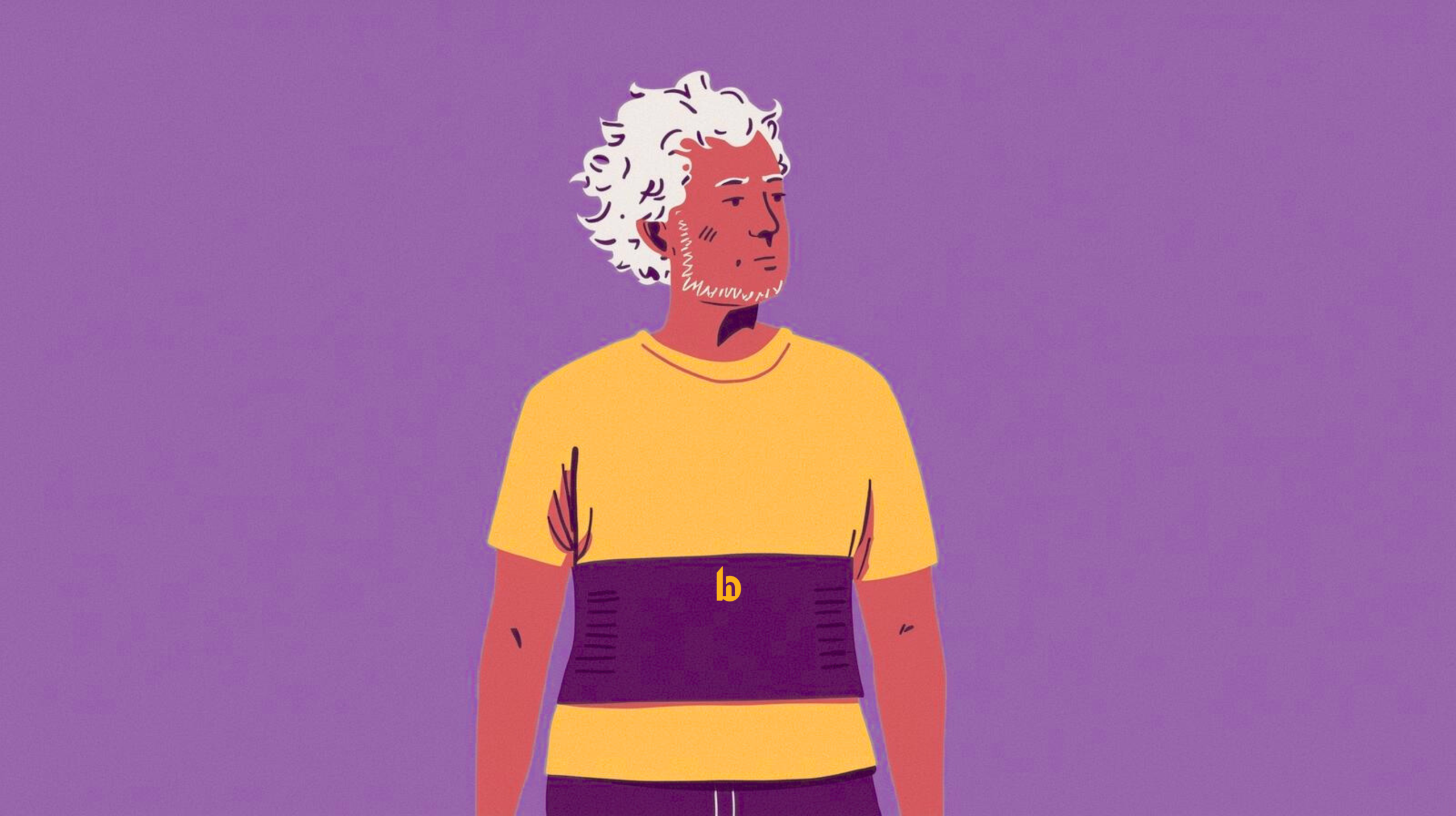
As people age, maintaining good posture becomes one of the most important yet often overlooked aspects of health. With years of sitting, walking, and lifting, the body naturally undergoes changes muscles weaken, bones lose density, and flexibility diminishes. For seniors, these gradual transformations can lead to poor posture, back pain, and reduced mobility.
A posture corrector belt is a simple yet effective solution designed to help seniors maintain proper spinal alignment. By offering gentle support to the shoulders and back, these belts can reduce strain on muscles, improve balance, and enhance overall comfort during everyday activities.
The guide is to explore how posture corrector belts can help seniors live healthier, more independent lives. We’ll discuss common posture issues among older adults, the types of corrector belts available, their benefits, and how to choose and use them safely and effectively.
Understanding Posture Problems in Seniors
As the human body ages, the musculoskeletal system experiences wear and tear that affects posture and balance. Many seniors begin to slouch, experience a forward head position, or develop curvature in the upper back (kyphosis). Understanding why these changes occur is the first step in addressing them.
Common Causes of Poor Posture
1. Muscle Weakness and Reduced Flexibility
Over time, muscles that support the spine, especially the core, back, and shoulders — lose strength and elasticity. Weak muscles struggle to maintain an upright position, causing slouching or forward bending. Limited flexibility in the joints further restricts movement, leading to stiffness and poor alignment.
2. Age-Related Conditions
Certain health conditions become more common with age and directly affect posture:
- Osteoporosis: Weakens bones, making the spine more susceptible to fractures or compression.
- Arthritis: Causes inflammation and stiffness in joints, leading to difficulty maintaining proper alignment.
- Degenerative Disc Disease: The discs between spinal vertebrae wear down, reducing height and causing hunching or pain.
- Kyphosis: An exaggerated curve of the upper back often seen in older adults.
3. Sedentary Lifestyle
Many seniors become less physically active due to fatigue, pain, or health limitations. Long periods of sitting weaken core muscles and reduce circulation, which contributes to slouching and back pain.
4. Poor Ergonomics
Using chairs without proper lumbar support, reading in bed, or watching TV in slouched positions can gradually distort posture. Repeatedly practicing poor posture trains the muscles and joints into unhealthy positions.
5. Balance Decline
Aging also affects balance and coordination. Seniors may unconsciously lean forward or sideways to feel stable, leading to misalignment over time.
Effects of Poor Posture on Seniors’ Health
Posture is not just about appearance, it directly affects overall well-being. Poor posture can lead to multiple physical and emotional challenges for seniors.
1. Chronic Pain
Slouching or spinal misalignment places extra pressure on muscles, joints, and nerves. This can lead to chronic pain in the back, neck, and shoulders, making daily activities difficult.
2. Restricted Breathing and Digestion
A curved spine compresses the chest cavity, limiting lung expansion. Seniors may find themselves breathing shallowly, which reduces oxygen intake and energy levels. Similarly, compression of the abdomen can affect digestion and bowel regularity.
3. Fatigue and Reduced Mobility
Maintaining poor posture requires more effort because muscles have to overwork to keep the body stable. This leads to faster fatigue and decreased stamina, especially during walking or standing.
4. Impaired Balance and Fall Risk
When the spine is not properly aligned, the body’s center of gravity shifts. Seniors with poor posture are more likely to lose balance, stumble, or fall, one of the leading causes of injury among the elderly.
5. Psychological Effects
Posture also influences mood and confidence. Slouching can make a person look and feel older, less energetic, and less self-assured. On the other hand, an upright posture promotes alertness and self-esteem.
The Importance of Early Posture Correction
Many seniors assume posture decline is inevitable with aging but it’s not. With early intervention, it’s possible to maintain or restore healthy alignment.
1. Promotes Independence and Mobility
Proper posture allows seniors to move more freely without pain or stiffness. This independence is vital for maintaining quality of life and preventing reliance on assistive devices.
2. Reduces Long-Term Spinal Issues
Correcting posture early prevents further spinal curvature or complications like herniated discs, nerve compression, or chronic muscular tension.
3. Improves Balance and Coordination
A well-aligned spine supports even weight distribution, making it easier to stand and walk confidently without the fear of falling.
4. Enhances Circulation and Energy
When posture is upright, blood flows more efficiently through the body, delivering oxygen and nutrients to muscles and organs. Seniors often experience increased vitality and focus with improved alignment.
5. Encourages Healthy Habits
Using a posture corrector belt trains the body to adopt better habits naturally. Over time, seniors learn to sit and stand correctly without relying solely on external support.
What Is a Posture Corrector Belt?
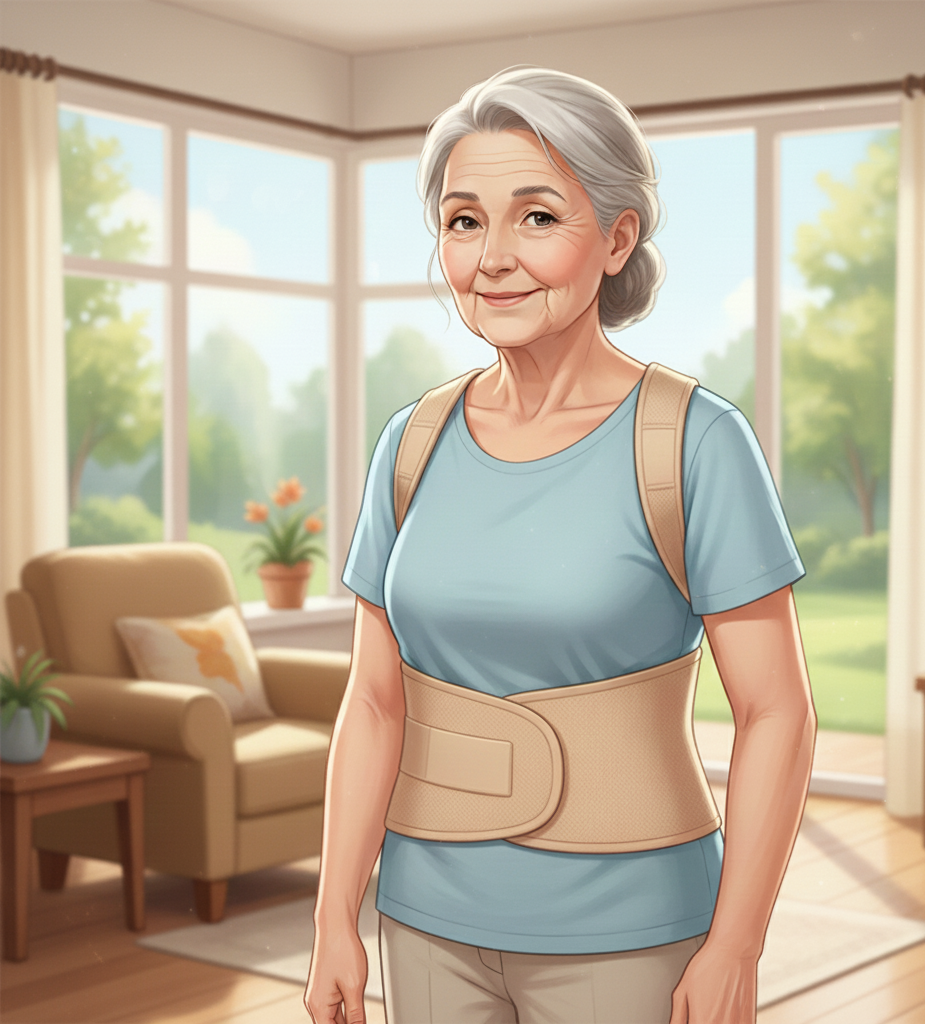
A posture corrector belt is a wearable device specifically designed to support the spine and shoulders in maintaining a natural, upright alignment. For seniors, whose muscles and bones are more vulnerable to age-related weakness, the posture belt acts as an external aid that gently guides the body back into proper posture without causing discomfort or restricting movement.
It functions as both a training tool and a support system. Over time, consistent use helps the muscles “remember” the correct alignment, promoting better posture even when the belt isn’t being worn.
How It Works
A posture corrector belt works by gently pulling the shoulders back and aligning the upper spine, neck, and lower back. This adjustment:
- Relieves stress on muscles that have become tight or overstretched.
- Reduces forward head posture and rounded shoulders.
- Encourages an upright sitting and standing position.
- Distributes weight evenly across the spine to prevent strain.
For seniors, this gentle correction can mean less pain, better balance, and a greater sense of stability throughout the day.
Components and Design
Most posture corrector belts are made from breathable, lightweight materials such as neoprene, elastic cotton, or mesh fabrics that provide comfort during long wear. Common design features include:
- Adjustable straps: Allow for personalized fit and comfort.
- Velcro fasteners: Make it easy for seniors to wear or remove without assistance.
- Soft padding: Prevents friction or irritation on shoulders and underarms.
- Ergonomic support frame: Some designs include semi-rigid inserts for added spinal support.
These features make posture correctors accessible and safe for daily use, even for those with sensitive skin or arthritis in their hands.
Types of Posture Corrector Belts
There is no one-size-fits-all posture belt. Seniors can choose from several types depending on their specific condition and comfort level.
1. Soft Elastic Belts
- Made from stretchable and breathable materials.
- Provide mild correction for general slouching and minor discomfort.
- Ideal for daily use while walking, reading, or sitting.
- Do not restrict mobility, making them perfect for seniors who want gentle support.
2. Rigid Orthopedic Braces
- Designed with firm materials for strong spinal alignment.
- Recommended for conditions like kyphosis, scoliosis, or osteoporosis-related curvature.
- Offer maximum support but should be used under medical supervision to ensure proper fit and duration of use.
3. Smart Posture Belts
- Incorporate motion sensors that detect slouching.
- Provide gentle vibration reminders to correct posture.
- Often rechargeable, adjustable, and connected to mobile apps for tracking posture progress.
- Excellent for seniors comfortable with technology who want real-time feedback.
Who Can Use It?
Posture corrector belts are suitable for:
- Seniors aged 60 and above with mild to moderate posture issues.
- Individuals with chronic back or neck pain.
- Those who spend long periods sitting or walking with a stoop.
- Seniors recovering from mild spinal or muscle injuries (under guidance).
However, people with severe spinal deformities, open wounds, or skin sensitivity should consult their physician before using a belt.
Safety and Comfort Considerations
When selecting a posture corrector, it’s essential to prioritize comfort, adjustability, and breathable material. Seniors should:
- Choose the right size to avoid excessive compression.
- Avoid tight belts that restrict breathing or cause irritation.
- Gradually increase wear time starting with 30 minutes a day to allow muscles to adapt.
- Combine usage with light stretching and mobility exercises for optimal results.
Benefits of Using a Posture Corrector Belt for Seniors
A posture corrector belt offers a wide range of physical and emotional benefits. For aging adults, it’s more than a tool for alignment, it’s a way to restore independence, mobility, and confidence.
Spinal Alignment and Balance
Good posture begins with a properly aligned spine. The posture corrector helps:
- Support the natural curvature of the spine, keeping the head, shoulders, and hips aligned.
- Relieve uneven pressure on the vertebrae and joints.
- Improve balance and stability, reducing the risk of falls, a leading cause of injury among seniors.
With consistent use, seniors often notice improved posture even when they’re not wearing the belt, thanks to strengthened postural muscles.
Pain Relief and Mobility
Chronic back, neck, or shoulder pain can make daily activities exhausting. A posture corrector belt:
- Reduces strain on the spinal muscles by redistributing body weight evenly.
- Relieves tension caused by slouching or forward head posture.
- Improves range of motion, making walking, bending, and sitting more comfortable.
- Supports the lower back (lumbar region), particularly beneficial for seniors with arthritis or disc degeneration.
In addition, proper posture encourages joint alignment, preventing further wear and tear.
Enhanced Breathing and Circulation
When posture improves, the chest cavity expands, allowing the lungs to fill more efficiently. This helps:
- Increase oxygen intake, improving energy levels.
- Support heart health by promoting blood circulation.
- Reduce feelings of fatigue or shortness of breath common in seniors with hunched backs.
Better oxygen flow also aids cognitive health, helping seniors stay alert and mentally active
Confidence and Independence
The psychological benefits of proper posture are often underestimated. Standing tall and upright:
- Creates a sense of self-assurance and youthfulness.
- Encourages seniors to engage socially and stay active.
- Reduces dependence on others for physical support.
- Helps with mental well-being, as posture is closely linked with mood and self-image.
Many seniors who start using posture corrector belts report feeling more positive, energetic, and capable in their daily lives.
Better Digestion and Organ Function
When slouching, internal organs — particularly the stomach and intestines — get compressed. Over time, this can affect digestion and cause discomfort. Improved posture helps:
- Enhance digestive efficiency by giving organs more space to function.
- Reduce acid reflux or bloating often caused by poor posture during meals.
- Support kidney and liver health through better blood flow and positioning.
Factors to Consider
1. Fit and Comfort
Comfort is the most critical factor when choosing a posture corrector belt. Seniors should look for:
- Adjustable straps to achieve a personalized fit without discomfort.
- Soft padding around the shoulders and back to prevent irritation or pressure marks.
- Lightweight and breathable materials that allow for airflow during extended wear.
- A design that accommodates clothing layers, making it suitable for all seasons.
The correct size should offer gentle correction without compressing the chest or abdomen.
2. Type of Support
Different posture correctors offer varying levels of rigidity:
- Soft belts: Provide light correction and comfort for daily wear. Ideal for mild slouching or fatigue-related posture issues.
- Medium-support belts: Suitable for moderate alignment correction or back strain relief.
- Rigid orthopedic braces: Designed for severe spinal issues like kyphosis, requiring medical supervision.
Seniors with medical conditions should consult a physiotherapist or orthopedist before using firm braces.
3. Ease of Use
Many seniors face reduced hand strength or mobility, so ease of wear is crucial:
- Opt for front-fastening belts with Velcro closures instead of complex buckles.
- Choose designs that are easy to wear independently, without needing external help.
- Ensure the belt does not hinder walking, bending, or reaching movements.
4. Material Quality
- Look for skin-friendly fabrics such as cotton or neoprene blends.
- Avoid synthetic materials that trap heat or cause sweating.
- Prioritize durable stitching and washable fabric for long-term use.
5. Price and Warranty
While quality posture correctors range in price, consider belts that offer:
- Warranty coverage for wear and tear.
- Return policies to ensure comfort after a trial period.
Comfort and long-term usability matter more than price when it comes to spinal health.
How to Use Correctly
Using the posture corrector properly ensures both comfort and effectiveness. Seniors should treat it as a training tool, not a permanent support.
1. Duration of Wear
- Begin with 30–60 minutes per day, allowing the body to adjust.
- Gradually increase to 2–3 hours daily, depending on comfort and posture needs.
- Avoid wearing it all day, as muscles may become dependent on the support.
2. Correct Positioning
- Sit or stand upright before putting it on.
- Fasten the belt so it gently pulls the shoulders back, not too tight.
- Maintain natural spine curvature without straining muscles.
- If discomfort occurs, loosen or readjust.
3. Combine with Exercise
For best results, posture belts should complement a daily stretching and strengthening routine:
- Gentle back and shoulder stretches.
- Light resistance band exercises to strengthen postural muscles.
- Yoga or Pilates to improve flexibility and balance.
Physical activity reinforces the muscles responsible for posture correction, ensuring sustainable improvement.
Maintenance Tips
Proper care prolongs the belt’s lifespan and hygiene.
- Cleaning: Hand wash or machine wash in a gentle cycle using mild detergent.
- Drying: Air dry away from direct sunlight or heat.
- Storage: Keep it in a cool, dry place to prevent material degradation.
- Inspection: Regularly check straps and Velcro for wear and replace if support weakens.
Routine maintenance ensures consistent performance and comfort over time.
Complementary Tips for Healthy Posture
While posture corrector belts are effective, they work best alongside healthy lifestyle habits that strengthen the back, improve flexibility, and maintain overall body alignment.
Stay Physically Active
Movement keeps the body strong and prevents stiffness:
- Engage in light daily exercises such as walking, swimming, or chair yoga.
- Practice stretching routines that target the neck, shoulders, and spine.
- Avoid prolonged sitting take breaks every 30–45 minutes to stand or move.
Regular activity helps maintain muscle tone and spinal flexibility, reducing reliance on external supports.
Maintain an Ergonomic Environment
An ergonomic setup supports posture effortlessly:
- Use chairs with lumbar support while reading or watching TV.
- Keep the screen at eye level when using phones or tablets.
- Use a cushioned seat or backrest for long periods of sitting.
- Adjust pillows to maintain neck alignment while sleeping.
Simple home modifications can make a big difference in daily posture comfort.
Eat a Bone-Healthy Diet
Nutrition directly impacts spinal strength and posture:
- Include foods rich in calcium, vitamin D, and magnesium (e.g., dairy, leafy greens, fish).
- Consume lean proteins to support muscle maintenance.
- Stay hydrated to prevent joint stiffness.
- Limit processed foods and excess salt that weaken bone density.
A balanced diet supports bone resilience, especially important for seniors with osteoporosis.
Manage Weight and Stress
Excess body weight strains the spine, while chronic stress tightens neck and shoulder muscles. To address these:
- Maintain a healthy weight through portion control and light exercise.
- Practice stress-reduction techniques like meditation, breathing exercises, or listening to calming music.
- Prioritize quality sleep, as restorative rest helps muscles recover.
Schedule Regular Health Checkups
Routine checkups allow early detection of posture-related issues:
- Visit a physiotherapist or chiropractor for posture assessments.
- Monitor bone density, especially in women at risk of osteoporosis.
- Seek professional guidance if pain, stiffness, or discomfort worsens.
Combining medical advice with proper posture support ensures safety and effectiveness.
Conclusion
Posture plays a foundational role in mobility, confidence, and quality of life, especially for seniors.
As aging naturally affects muscle strength, flexibility, and bone density, maintaining correct posture becomes essential for preventing discomfort, falls, and fatigue.
The posture corrector belt offers a simple yet effective solution, providing external support, promoting alignment, and retraining the body toward healthier positioning.
However, posture belts are not a substitute for movement or exercise. They should be used as part of a comprehensive approach involving physical activity, balanced nutrition, and ergonomic living habits.
Check these articles out know more about controlling back pain:
Frequently Asked Questions:
1. Are posture corrector belts safe for daily use by seniors?
Yes, they are safe when used correctly and for limited durations (1–3 hours daily). Seniors should ensure the belt fits comfortably and does not restrict breathing. For medical conditions like osteoporosis or kyphosis, consult a healthcare provider before use.
2. How long should an elderly person wear a posture corrector each day?
Start with 30 minutes to 1 hour daily and gradually increase usage as comfort improves. Avoid wearing it continuously for more than 3–4 hours, as overuse may weaken back muscles instead of strengthening them.
3. Can posture belts help reduce kyphosis or hunchback?
Yes, mild kyphosis can improve with consistent use of a rigid or orthopedic posture corrector belt combined with physical therapy and exercises. However, severe cases require medical supervision and may not be fully reversible.
4. Do posture belts provide permanent improvement in posture?
Posture belts train muscles to maintain correct alignment, but results last only when supported by regular exercise, stretching, and proper sitting habits. Over time, muscle memory helps maintain improved posture even without the belt.
5. What type of posture belt is most comfortable for older adults?
Soft elastic or ergonomic posture belts are generally most comfortable for seniors. They are lightweight, breathable, and easy to adjust, providing gentle correction without restricting mobility or causing discomfort.
References
- American Chiropractic Association – Posture Information: Posture-related content and the importance of good posture from the ACA. https://www.acatoday.org/patients/posture
- Harvard Health Publishing – Posture and Back Health: Good posture helps prevent back pain and supports overall structural health. https://www.health.harvard.edu/pain/posture-and-back-health
- Mayo Clinic – Mayoclinic.org Articles on Posture & Back Braces: General posture and body alignment discussion (which includes safe posture & strain advice). https://newsnetwork.mayoclinic.org/discussion/mayo-clinic-q-and-a-proper-posture-and-body-alignment
(Mayo Clinic also has sortable guides on back braces and safe use on mayoclinic.org if needed by searching “back braces” at) https://www.mayoclinic.org - National Institute on Aging – Healthy Aging & Posture/Spine Tips: NIH/National Institute on Aging healthy-aging tips that include posture/spinal health components. https://newsinhealth.nih.gov/2017/08/getting-it-straight
- WebMD – Posture Tips & Posture Correctors: WebMD provides posture tips including corrective strategies and posture-related health info. https://www.webmd.com/osteoporosis/ss/slideshow-posture-tips
- Cleveland Clinic – Posture Health Guide: Cleveland Clinic’s guide to posture and how it affects spinal stability, balance, and pain. https://my.clevelandclinic.org/health/articles/posture