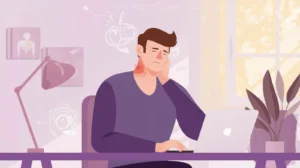






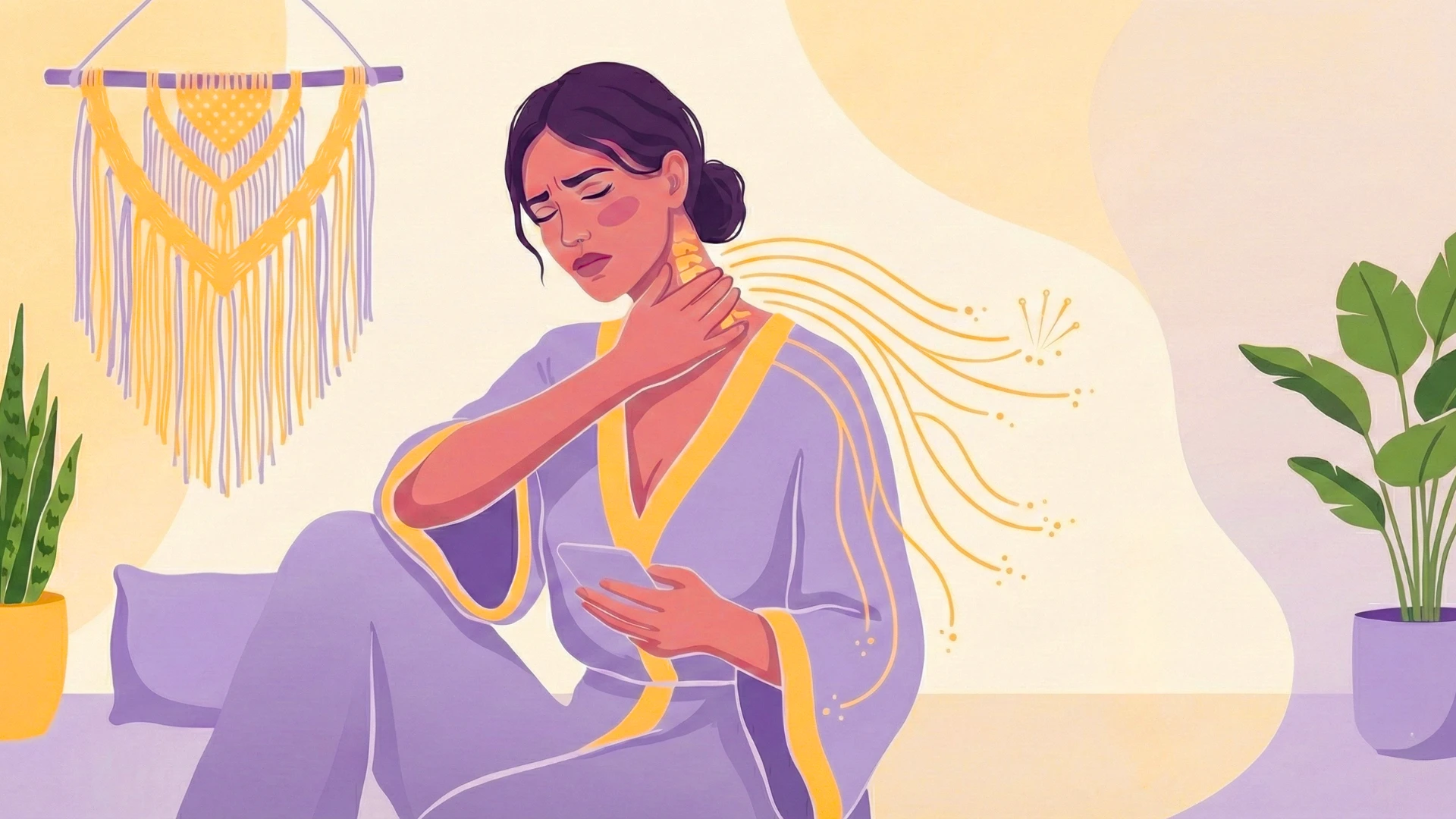
Ever get that feeling when you wake up and your neck is just straight-up unturnable? Perhaps you dismiss it as “sleeping wrong” or hunching over your phone for too long. But then a couple of weeks later, that stiffness gives way to a dull ache at the back of your head. Or worse, a faint “pins and needles” feeling traveling down your arm when you grab that coffee cup.
Cervical spondylosis doesn’t descend with drama like a bad thing; it sneaks into your life. It’s the quiet accrual of years of movement patterns, postural habits and aging. It begins with a stiff neck and a numb finger; soon you look over your shoulder to change lanes and that simple act of daily movement hurts.
Knowing these early signs is not only a matter of comfort; it’s one of prevention. Identifying the evolution from mild neck stiffness to compressive lesions on nerves in the neck is important to stop damage in a timely manner. In this guide, we’ll explain exactly what’s happening in your spine and why you should take those tingling sensations seriously, as well supportive habits that may help you cope with the load on your cervical spine.
What Is Cervical Spondylosis?
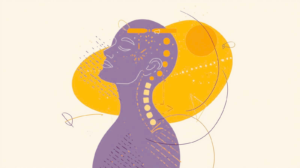
At heart, cervical spondylosis is just the fancy word for wear and tear of the cervical spine. Imagine your spine as a high performance machine that has never taken any time off since the day you were born. And with the passage of time, the pieces start to wear down. It is commonly called neck arthritis, but its name is a little misleading because there are actually multiple things occurring at the same time in your neck that result from this condition [1].
It sounds scary, but it’s really common. Indeed, it is reported that >85% of the elderly (older than 60 years old) have cervical spondylosis to some extent [4]. However, “common” doesn’t mean “harmless.” The condition is the deterioration process of the vertebrae, discs and ligaments in your neck that can cause a cascade of symptoms affecting your life.
Why Cervical Degeneration Occurs ?
To understand the pain, we need to consider the mechanics. Your cervical spine is made up of seven small vertebrae which are stacked on top of one another and are separated by shock-absorbing discs. These discs are like jelly doughnuts; tough on the outside and soft inside.
Disc Dehydration and Shrinkage: The gel-like shock absorbers that live between every vertebra start to dry out as we age. By 40, the spinal discs of most people are starting to shrink and lose hydration. This loss in height makes the vertebrae come closer and crimp the amount of space for nerves can potentially cause some bone-on-bone sliding against each other [2].
Bone Spurs (Osteophytes): The body tries to “fix” a spine that is unstable due to disc degeneration, by growing more bone where the vertebra touches each other. These ‘bony’ outgrowths, or bone spurs, grow on the edges of the vertebrae. Though the human body creates them with intentions of strengthening the spine, many times these spurs will cause narrowing of the spinal canal and compressing delicate nerve roots.
Stiff ligaments: The cords of tissue that hold your bones together (ligaments) can also stiffen from aging and misuse. This adds to that “locked neck scene” where your mobility has significantly diminished as compared to some years ago.
What Are the First Signs of Cervical Spondylosis?
One of the most challenging things about this condition is that cervical spondylosis symptoms can be mild at first. Tons of people are walking around with degenerative changes in their spines evident on an X-ray that don’t hurt them at all,until they do. Symptoms, if present, are frequently mild and insidious from outset; this leads to patients postponing seeking help [7].
5 Early Warning Signs That Many People Ignorantly Brush Aside
A bad neck day is easy enough to shrug off, but a bad neck year becomes your body’s way of telling you there are systemic structural changes in place.
Neck Stiffness That Won’t Go Away: Not just stiffness from sleeping on it wrong, this is a stiffness that gets worse in the morning and seems to get a little better as you move around, but later in the day comes back again. Alcohol is frequently the first clue you have that the facet joints in your neck are inflamed or arthritic.
Limited Range of Motion: You can observe this while driving. If you’re having to rotate your entire upper body rather than just turning your head, in order to look for things like a blind spot, that’s a problem. The progressive rigidity of the neck can ultimately obstruct one’s lifestyle.
Grinding or Popping Sounds Medically known as crepitus, the “gravel in the neck” sound when you turn your head sometimes occurs because of rough cartilage surfaces rubbing against each other or gas bubbles popping in the joint fluid. Although not always painful, it is a sign of joint degeneration.
Dull Aching Pain: Unlike the sharp pain of a muscular strain, spondylosis pain is frequently dull down deep in neck and shoulder area. It might get worse after you have been holding your head in one position for a long time, like reading or looking at a computer.
Why Does Cervical Spondylosis Cause Tingling in Arms?
This is the symptom that tends to scare people most and for very good reason. This one, strikes as it moves from bones/joints into nerves. When neck problems start to involve your arms (in terms of pain or numbness), it means the problem is no longer just a bone and joint issue; it involves the nerve(s). Here is where management of the cervical pain gets critical [5].
How Nerve Compression Leads to Radiating Symptoms
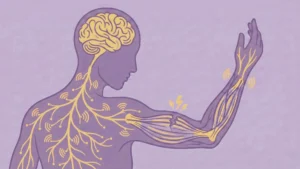
The cervical spine is a nerve freeway. Nerves travel out of the spinal cord through tiny openings in the vertebrae (foramina) and go to your shoulders, arms and hands. As the cervical spine degenerates, the foramen (canal) also undergoes changes as it loses its normal shape and size; a condition called foraminal stenosis.
The Radiculopathy Connection:
A bone spur or slipped disc pressing on a nerve root leads to cervical radiculopathy. The brain does not necessarily perceive this compression as neck pain, rather the sensation changes along the route of the nerve. Which is why you might be fine in your neck but suffer a burning thumb.
Pins and Needles, Numbness:
Patients often refer to the sensation as “pins and needles” or that lack of feeling when a limb “falls asleep.” It can radiate down the arm to particular fingers. For instance, a C6 pinched nerve is likely to refer pain in the thumb and the C7 most likely refers pain in the middle finger [2].
Weakness and Coordination Problems:
If the compression is extreme or prolonged, it can impact the strength of signal to the muscles. You may find that you drop things, can’t quite button your shirt or even feel that an arm is heavier than normal. This is a warning that neck nerve compression needs to be addressed [5].
Can Cervical Spondylosis Cause Headache and Dizziness?
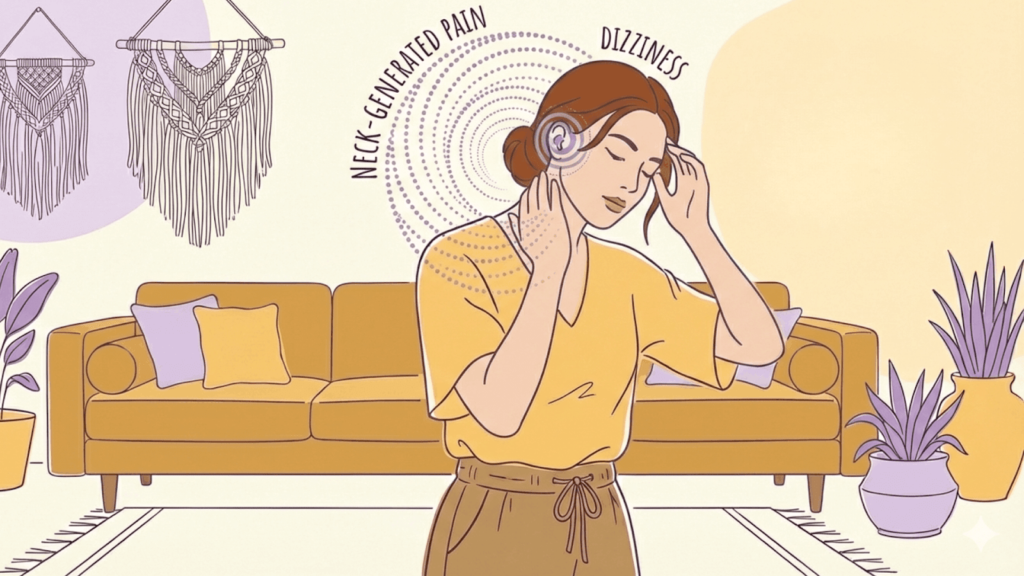
Yes, and often this is a misdiagnosis. Patients frequently manage the headache as a symptom (such as migraine) without being aware that it is originating from their neck [6].
Cervicogenic Headaches Explained
A cervicogenic headache means a “neck-generated” headache. The upper cervical spine is connected to the sensory nerves of the head and face (such as the trigeminal nerve nucleus.) The pain pathways from these joints and muscles in the upper neck, if irritated by spondylosis, can be referred to the head.
The Pain Pattern: These headaches usually begins at the occiput (base of skull) and spreads up across the top of head to front or rear toward an eye. They are typically exacerbated by certain neck movements or prolonged uncomfortable head postures.
Dizziness and Balance Problems: Another of the less common symptoms for cervical spondylosis is dizziness or vertigo which can be challenging to understand. That’s because bone spurs can potentially compress the vertebral arteries, which feed blood to the brain, or can even be an issue with proprioception, the body’s ability to tell where your head is in space. If you get dizzy laying down and looking up, or when turning your head quickly, it might be your cervical spine [1].
Who Is Most at Risk of Developing Cervical Spondylosis?
Aging spine symptoms are inevitable for many of us if we live long enough, but there are some lifestyle factors that can put this process on “fast forward.” It’s not just an old people’s disease anymore; we are also starting to see the signs of degeneration in people as young as 30 or even 40 [7].
High-Risk Groups
Knowing whether you’re at risk is the first step to actively protecting yourself.
Generation “Tech Neck”:
The desk workers and heavy smartphone users among us. Holding your head out to read a screen places orders of magnitude more load on your cervical spine. The amount of weight that your neck muscles have to support doubles or triples for every inch that your head moves forward. This continual pressure further dehydrates the disk.
Jobs with Repetitive Strain:
Jobs that involve repetitive neck movements or any work above the head (such as dentists, painters and construction workers) cause additional strain on the cervical joints. This accumulated damage is faster than the body can heal it.
Genetics:
Sometimes, you’re just born with it. If your parents had early neck arthritis or degenerative disc disease, you might be genetically predisposed to a weaker cartilage and smaller bone signals acting against the homeostasis of the spine [8].
Previous Neck Injuries:
If you experienced whiplash from a car accident or another sports injury in the past, is it more likely that your area of spondylosis will occur in the same spot later in life. The trauma causes disturbance of joint biomechanics, and the effect of wear is accelerated.
How Is Cervical Spondylosis Treated without Surgery?
The good news is that it’s seldom surgery-first. Indeed, the overwhelming majority of cases are successfully treated conservatively. You’re not going to be able to “cure” the arthritis as a whole (again: you can’t reverse bone spurs), but if the goal is to manage symptoms and prevent things from getting worse [10].
Lifestyle and Supportive Management Options
Movement, Medicine & Support; the three pronged approach for good management.
Physiotherapy and Exercise:
Working on strengthening the muscles that support the neck and upper back is the most successful long term answer. A powerful “muscle corset” can ease the pressure on the degenerating spine. Gentle chin tucks and shoulder blade pinches can have a tremendous impact keeping the pain at bay in cervical [9].
Posture Correction:
You need to stop the damage and de-stress your neck from your daily torture. That means elevating your computer monitor to eye level, supporting your back with the right cushion, so you’re not looking down and keeping the phone up when texting. Throwing that force off balance throughout the day minimizes that micro-trauma that help the condition grow.
Positive Sleep habits:
This is the missing multiplier in most healing. You spend about 8 hours per night; a third of your life in bed. If you are sleeping with your neck out of alignment during those hours, you are essentially doing damage to your body while you sleep.
Products and devices that are centered around recovery, such as those we create at betterhood, therefore become indispensable. There’s also usually a neck angle issue where a normal pillow has you bending your neck up or down putting strain on already irritated joints. Studies showed that such ergonomic or contoured pillows to maintain cervical lordosis may serve to reduce pain severity and improve sleep quality in participants with spondylosis [11].
Here’s How betterhood Keeps You Pain-Free
At betterhood, we believe that wellness shouldn’t be a hassle, it should just be part of your daily routine. We know that the fight with neck pain and tingling arms takes more than just will, it takes proper weapons.
And that’s why we design steeples to support health – by minimizing the daily repetition of spinal abuse. Whether you are looking for an ergonomic pillow with cervical spine support to minimize neck stiffness in the morning, or are seeking relief from tension after a long workday, we want to help you manage cervical loading naturally. We couldn’t just sell you a product; we wanted to give your spine the opportunity to rest, recover and support you for many years.
Conclusion
Cervical spondylosis is a natural part of the aging process, but suffering with pain and discomfort should never be. From the stiffness upon waking to an alarming tingling in your arms or hands, your body is giving you signs that it needs support. Neglecting these cervical spondylosis symptoms often results in a vicious circle of pain and limited mobility that is more difficult to break the older you get.
But by understanding the causes of cervical spine degeneration and acting proactively; assuring that your workspace ergonomics are better, staying active, and ensuring you sleep in a way that supports recovery, you can learn to manage it effectively.
It’s choosing to make a few small investments in your spine health each day, which will eventually pay back dividends in the form of a life free from discomfort and full of mobility.
Explore More Health & Wellness Solutions:
Want to stay informed about wellness and everyday health issues? Here are some insightful reads to guide you. Explore the links below for practical tips and solutions.
- How to Prevent Knee Injuries: Proven Tips, and Lifestyle Strategies for Stronger Joints
- How Can Knee Cap Support Help Prevent Injury and Reduce Pain While Running
- 10 Effective Home Remedies for Body Pain Relief Naturally
Frequently Asked Questions
Not, the bone spurs and disc degeneration etc physical type of changes that have occurred cannot be reversed without surgery. But the powers, though transient, can make a boor of any man. Through real physical therapy, correcting posture and utilizing supportive sleep (such as a Betterhood pillow), most individuals can alleviate pain and gain function [3].
Yes, tingling indicates nerve involvement. Although usually not serious, if associated with muscle weakness, poor coordination, or significant loss of sensation, it necessitates urgent medical evaluation to avoid and/or correct permanent nerve damage [5].
For more than 80 percent of back pain cases, doctors don’t order scans unless they have an indication that something is wrong because the added cost and radiation isn’t worth it.
Absolutely. Good posture minimizes mechanical strain on your discs and joints. With your head resting on top of your shoulders, you prevent the “wear and tear” that speeds along spondylosis.
Though age is the biggest factor, it is not the only one. On younger (≤30 years old) persons, factors such as genetics, injury history and lifestyle can lead to the development of C.O.T. [8].
Definitely. Lying face down at night rotates your neck to the extreme, stressing the joints. Sleeping on a pillow that is too high or too flat can also cause the spine to become improperly aligned. Clinical practice guidelines suggest support for side and back sleeping with a contoured pillow as most beneficial for cervical health [11].
References
- Cleveland Clinic. (n.d.). Cervical Spondylosis. Cleveland Clinic. https://my.clevelandclinic.org/health/diseases/17685-cervical-spondylosis
- Mayo Clinic. (n.d.). Cervical Spondylosis. Mayo Clinic. https://www.mayoclinic.org/diseases-conditions/cervical-spondylosis/symptoms-causes/syc-20370787
- National Institute of Neurological Disorders and Stroke. (n.d.). NINDS Disorders. National Institutes of Health. https://www.ninds.nih.gov/
- StatPearls Publishing. (2025). Cervical Spondylosis. National Center for Biotechnology Information. https://www.ncbi.nlm.nih.gov/books/NBK551557/
- American Academy of Orthopaedic Surgeons. (n.d.). Cervical Radiculopathy (Pinched Nerve). OrthoInfo. https://orthoinfo.aaos.org/en/diseases–conditions/cervical-radiculopathy-pinched-nerve/
- Cleveland Clinic. (n.d.). Cervicogenic Headache: What It Is, Symptoms & Treatment. https://my.clevelandclinic.org/health/diseases/cervicogenic-headache
- Theodore, N. (2020). Degenerative Cervical Spondylosis: Natural History, Pathogenesis, and Current Management Strategies. Johns Hopkins Medicine. https://www.hopkinsmedicine.org/health/conditions-and-diseases/cervical-spondylosis
- Karadimas, S. K., et al. (2013). Risk factors for development of cervical spondylotic myelopathy: results of a systematic review. Evidence-Based Spine-Care Journal, 4(1), 35–42. https://pmc.ncbi.nlm.nih.gov/articles/PMC3592758/
- Cheng, Y., et al. (2023). Exploring the latest advancements in physical therapy techniques for treating cervical spondylosis patients: A narrative review. Medicine (Baltimore). https://pmc.ncbi.nlm.nih.gov/articles/PMC10494843/
- Woods, B. I., & Hilibrand, A. S. (2015). Cervical radiculopathy: Epidemiology, etiology, diagnosis, and treatment. Journal of Spinal Disorders & Techniques, 28(5), E251-E259.https://pubmed.ncbi.nlm.nih.gov/25985461/
- Fazli, F., et al. (2019). The Effect of Ergonomic Latex Pillow on Head and Neck Posture and Muscle Endurance in Patients With Cervical Spondylosis: A Randomized Controlled Trial. Journal of Chiropractic Medicine, 18(3), 155–162. https://www.google.com/search?q=https://pubmed.ncbi.nlm.nih.gov/33318712/