





Ankle swelling is a common issue that affects people of all ages and activity levels. It can occur due to injury, prolonged standing, chronic conditions like arthritis or edema, or circulation problems. Swollen ankles can lead to discomfort, restricted mobility, and, in severe cases, complications such as chronic pain or joint instability.
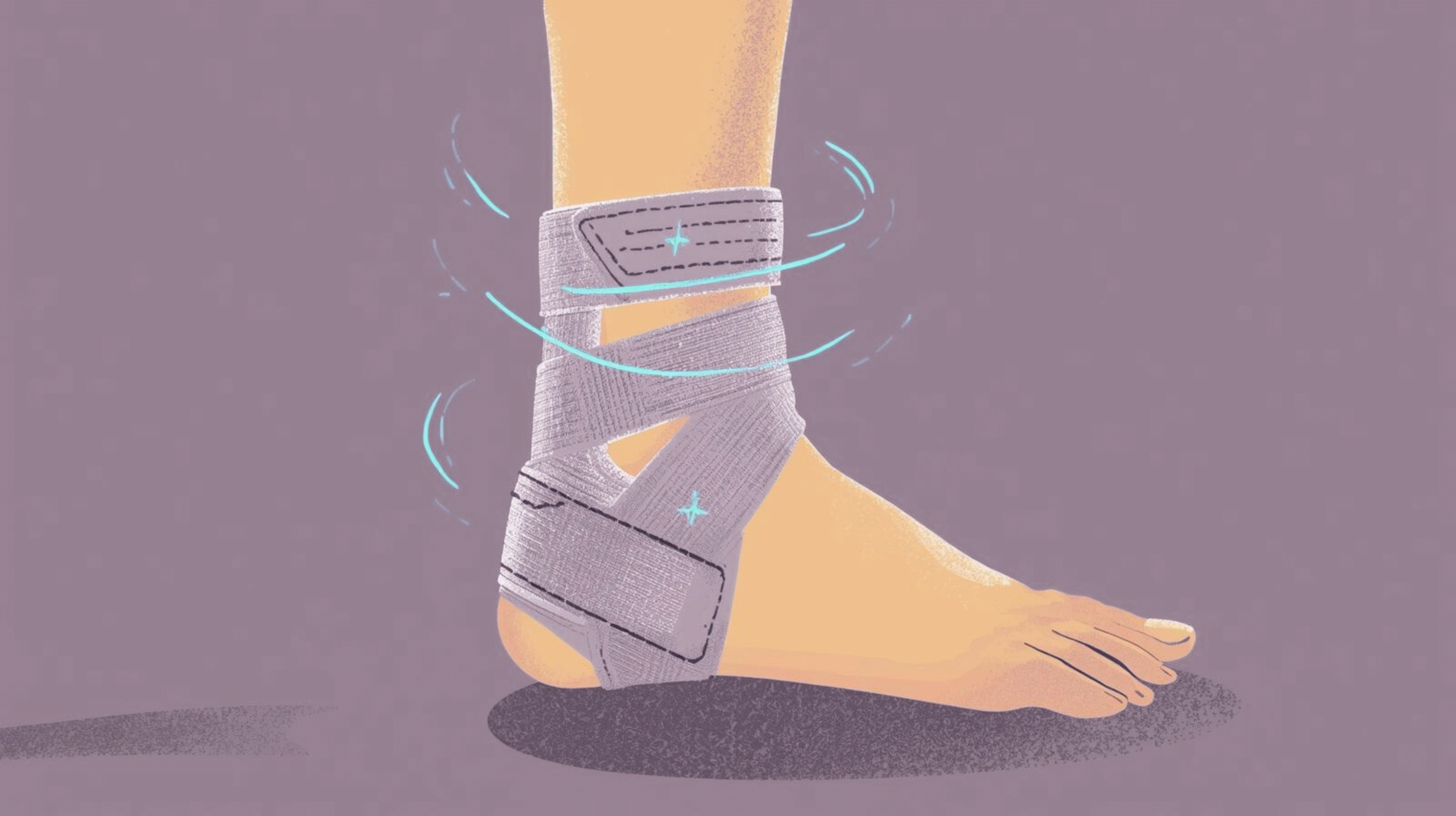
An ankle support brace is a practical solution for managing swelling. By providing targeted compression, stabilization, and support, it helps reduce fluid buildup, relieve discomfort, and improve circulation [1]. Braces also protect the ankle during activity, prevent further injury, and support recovery after injury or surgery.
The purpose of this article is to explain how ankle braces manage swelling, promote healing, prevent complications, and enhance daily function for those affected by edema, post-injury swelling, or inflammation.
Understanding Ankle Swelling
Ankle swelling, commonly referred to as edema, occurs when excess fluid accumulates in the tissues surrounding the ankle joint. While occasional swelling can be minor and temporary, persistent or severe swelling can indicate underlying medical conditions or risk of injury. Understanding the causes, signs, and risks of ankle swelling is crucial for proper management and prevention.
Causes of Ankle Swelling
1. Injuries
Ankle injuries are among the most common causes of swelling. This includes:
- Sprains: Occur when ligaments are stretched or torn due to sudden twisting or rolling of the ankle. Swelling is the body’s natural response to inflammation and tissue repair.
- Strains: Involves overstretched muscles or tendons around the ankle.
- Fractures: Broken bones in or near the ankle can cause severe swelling, bruising, and pain.
Swelling from injury is usually localized and may appear quickly after trauma. The joint may feel warm, tender, or unstable, depending on the severity.
2. Chronic Conditions
Certain medical conditions contribute to persistent ankle swelling:
- Arthritis: Inflammatory or degenerative arthritis (like osteoarthritis or rheumatoid arthritis) can cause fluid buildup around the joint.
- Venous Insufficiency: Weak or damaged veins prevent proper blood return to the heart, leading to pooling of blood and fluid in the lower extremities.
- Lymphedema: Dysfunction in the lymphatic system causes fluid accumulation in tissues, including the ankles and feet.
Chronic swelling often develops gradually and may be bilateral (both ankles) rather than isolated.
3. Prolonged Standing or Sitting
Occupational or lifestyle factors play a significant role:
- Jobs that require long hours of standing (e.g., retail, healthcare) increase hydrostatic pressure in leg veins, causing fluid to leak into surrounding tissues.
- Sedentary behavior or long periods of sitting (e.g., office work, travel) slow circulation and can also lead to ankle puffiness, commonly referred to as “dependent edema.”
This type of swelling is often mild, temporary, and relieved by elevating the legs or walking.
4. Pregnancy
Hormonal changes and increased blood volume during pregnancy can contribute to fluid retention, particularly in the lower extremities.
- Progesterone relaxes blood vessel walls, causing fluid leakage into tissues.
- Pressure from the growing uterus reduces venous return from the legs, promoting ankle swelling.
Pregnancy-related edema is typically bilateral and more pronounced in the evenings or after prolonged standing.
5. Intense Physical Activity
High-impact or endurance exercise can cause temporary ankle swelling due to:
- Microtrauma to muscles and tendons.
- Inflammatory response from repetitive motion.
- Fluid shifts caused by increased blood flow to the working muscles.
While usually harmless, swelling after intense activity may require rest, elevation, and supportive measures to prevent overuse injuries.
Symptoms Associated with Swelling
Recognizing ankle swelling early is important for preventing complications and determining the appropriate intervention. Common signs include:
1. Puffiness or Tightness:
Swelling causes visible enlargement of the ankle and surrounding tissues. The skin may appear stretched or shiny.
2. Discomfort or Pain:
Movement, pressure, or prolonged standing may produce mild to moderate pain. Pain intensity often correlates with the severity of fluid accumulation or underlying injury.
3. Redness, Warmth, or Bruising:
If swelling is due to an injury or inflammation, the affected area may feel warm, appear red, or show bruising. These signs indicate active tissue response to trauma.
4. Reduced Range of Motion:
Swelling can restrict the ankle joint’s normal movement. Walking, climbing stairs, or balancing may become uncomfortable or awkward.
Risks of Untreated Swelling
Ignoring ankle swelling can have significant health consequences, especially if the underlying cause is not addressed:
1. Chronic Pain and Joint Stiffness:
Prolonged fluid retention can strain tissues and ligaments, leading to persistent pain and reduced joint flexibility.
2. Increased Risk of Ankle Instability or Recurrent Injury:
Swelling weakens the supporting structures of the ankle. Without stabilization, even minor movements can cause sprains or strains.
3. Circulatory Issues or Delayed Recovery:
Untreated edema can impede blood flow, slowing nutrient delivery and waste removal. This delays healing from injuries and can exacerbate chronic conditions like venous insufficiency.
4. Muscle Weakness and Atrophy:
Restricted mobility due to pain or discomfort may lead to reduced physical activity. Over time, the muscles around the ankle weaken, further increasing the risk of falls or injury.
What Is an Ankle Support Brace for Swelling?

An ankle support brace for swelling is a device designed to:
- Provide targeted compression to reduce fluid buildup.
- Support the ankle joint to reduce strain and discomfort.
- Enhance blood circulation for faster recovery.
- Stabilize ligaments and muscles during activity or rehabilitation.
These braces are effective for post-injury recovery, chronic edema management, and daily support during long periods of standing or walking.
Types of Ankle Braces for Swelling
1. Elastic Compression Sleeves
- Made of stretchable materials like neoprene or spandex.
- Offer mild compression, suitable for everyday swelling or edema management.
- Lightweight, flexible, and easy to wear with shoes.
2. Adjustable Compression Braces
- Use straps or Velcro for customizable compression.
- Ideal for post-injury swelling, post-surgery recovery, or variable edema levels.
- Provide both support and mobility for moderate activity.
3. Rigid or Semi-Rigid Braces
- Offer strong support with restricted movement.
- Recommended for post-injury swelling requiring immobilization.
- Help protect ligaments while reducing fluid accumulation.
4. Hybrid Braces
- Combine compression with stabilizing elements for controlled mobility.
- Allow moderate ankle movement while maintaining swelling control.
- Useful for athletes or active individuals recovering from injuries.
Benefits of Using an Ankle Support Brace for Swelling
1. Reduce Swelling and Inflammation
Compression improves venous and lymphatic circulation, preventing fluid accumulation in tissues. Consistent pressure helps the body reabsorb excess fluid, reducing puffiness and promoting natural healing.
2. Pain Relief
Swelling increases tension on surrounding tissues, causing discomfort. An ankle brace provides gentle support, relieving pressure on muscles and ligaments, which reduces pain and discomfort during movement.
3. Promote Healing and Recovery
By enhancing blood flow, an ankle brace delivers more oxygen and nutrients to the affected area, which accelerates tissue repair and reduces inflammation. Controlled compression also supports faster recovery from sprains or post-surgery swelling.
4. Prevent Further Injury
Swelling can weaken the joint and make it prone to twisting or spraining. Wearing a brace stabilizes ligaments, preventing further injury and ensuring safe movement during daily activities or rehabilitation exercises.
5. Versatility and Convenience
Ankle braces are adaptable to various needs:
- Daily wear for prolonged standing or walking.
- Sports are used to reduce swelling during high-impact activity.
- Post-injury recovery to support ligaments and control edema.
- Lightweight and portable, they can be worn at work, at home, or during travel.
How to Choose the Right Ankle Support Brace for Swelling
1. Level of Compression
Choose based on swelling severity:
- Mild: Everyday use for minor edema or long hours standing.
- Moderate: Post-injury or post-surgery to control inflammation.
- Maximum: Severe swelling with limited mobility requiring strong compression and support.
2. Material and Comfort
Select a brace made from:
- Breathable, moisture-wicking fabrics to prevent sweating.
- Lightweight, flexible materials for comfort during long-term wear.
- Adjustable straps to achieve snug but safe compression.
Comfort ensures compliance, which is critical for effective swelling management.
3. Activity and Usage Considerations
- Daily use: Lightweight sleeves for prolonged standing or sedentary work.
- Sports or exercise: Adjustable or hybrid braces to allow safe movement while reducing swelling.
- Rehabilitation: Rigid or semi-rigid braces for injury recovery.
Portability is also important for use at work, at home, or during travel.
4. Size and Fit
Proper sizing ensures effective compression:
- Measure around the ankle circumference according to manufacturer guidelines.
- Avoid braces that are too tight, which can impair circulation.
- Avoid loose braces, which reduce efficacy and may slip.
- Test with footwear if wearing during daily activity or sports.
Proper Use and Maintenance
Correct Wearing Technique
- Align the brace with the ankle joint.
- Adjust straps for snug support without restricting blood flow.
- Check mobility you should have a full range of motion without discomfort.
- Monitor skin for redness or pressure marks.
Daily and Activity-Specific Usage
- Wear during high-risk activities, prolonged standing, or rehab exercises.
- Combine with ankle elevation, ice therapy, or prescribed medical treatments for optimal results.
- Limit continuous wear to prevent over-dependence on external support.
Cleaning and Care
- Wash removable sleeves with mild soap and cold water.
- Air dry; avoid heat or dryers that degrade elasticity.
- Inspect straps, Velcro, and material for wear and tear.
- Replace as needed to maintain effective compression and hygiene.
Complementary Habits for Managing Ankle Swelling
Even with a brace, lifestyle and preventive measures are key:
1. Elevation
- Raise your ankles above heart level for 15–20 minutes, 2–3 times a day.
- Helps drain excess fluid and reduce puffiness.
2. Gentle Mobility and Strengthening Exercises
- Ankle circles, toe raises, and resistance band exercises improve circulation and maintain joint flexibility.
- Enhances lymphatic flow, reducing swelling over time.
3. Hydration and Nutrition
- Adequate water intake helps balance fluid levels.
- Limit excessive salt, which can increase fluid retention.
4. Supportive Footwear
- Shoes with proper arch support and cushioning reduce ankle strain.
- Rotate activities to avoid prolonged repetitive stress.
5. Rest and Recovery
- Avoid standing or walking for long periods without breaks.
- Combine brace use with ice therapy or compression stockings if recommended by a healthcare professional.
Conclusion
An ankle support brace is a critical tool for managing swelling, relieving pain, and promoting healing. Whether caused by injury, prolonged activity, or chronic conditions, ankle edema can limit mobility and daily performance.
By choosing the right brace, wearing it correctly, and pairing it with complementary lifestyle habits such as elevation, strengthening exercises, and supportive footwear individuals can effectively control swelling, reduce discomfort, and prevent further complications. An ankle brace not only aids recovery but also protects the joint for long-term ankle health and mobility.
Looking for more health and wellness solutions? Don’t miss these related guides:-
Frequently Asked Questions:
1. What is an ankle support brace for swelling, and how does it help?
An ankle support brace provides targeted compression to reduce fluid accumulation, stabilize the joint, and relieve pain. It improves circulation and prevents further injury during activity or recovery.
2. Which type of brace is best for mild vs. severe ankle swelling?
- Mild swelling: Elastic compression sleeves or lightweight braces for everyday use.
- Moderate swelling: Adjustable compression braces for post-injury or post-surgery support.
- Severe swelling: Rigid or semi-rigid braces with maximum compression and restricted movement.
3. Can an ankle brace prevent swelling after sports or long standing?
Yes. By providing gentle compression, the brace promotes circulation, reduces fluid buildup, and prevents puffiness caused by prolonged activity or standing.
4. How tight should an ankle compression brace be?
It should be snug but not constrictive. You should feel support without numbness, tingling, or impaired circulation. Always follow manufacturer sizing instructions.
5. Can ankle braces help reduce pain from chronic edema?
Yes. Braces provide consistent compression, improve circulation, relieve pressure on tissues, and stabilize the joint, reducing discomfort associated with chronic ankle swelling.
References
- American Academy of Orthopaedic Surgeons. (2023). Ankle sprains. OrthoInfo. https://orthoinfo.aaos.org/anatomy/ankle-sprains/
- National Institute of Arthritis and Musculoskeletal and Skin Diseases. (2023). Ankle injuries and swelling. https://www.niams.nih.gov/health-topics/ankle-injuries-and-swelling
- My Cleveland Clinic. (n.d.). Ankle edema: Causes, symptoms & treatment. Cleveland Clinic. https://my.clevelandclinic.org/health/diseases/12564-edema
- “Compression therapy guidelines for lower extremity oedema.” Physio-Pedia. (n.d.). https://www.physio-pedia.com/Compression_Therapy_Guidelines_for_Lower_Extremity_Oedema