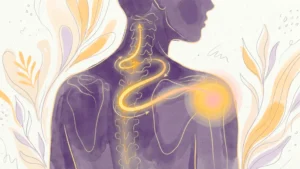






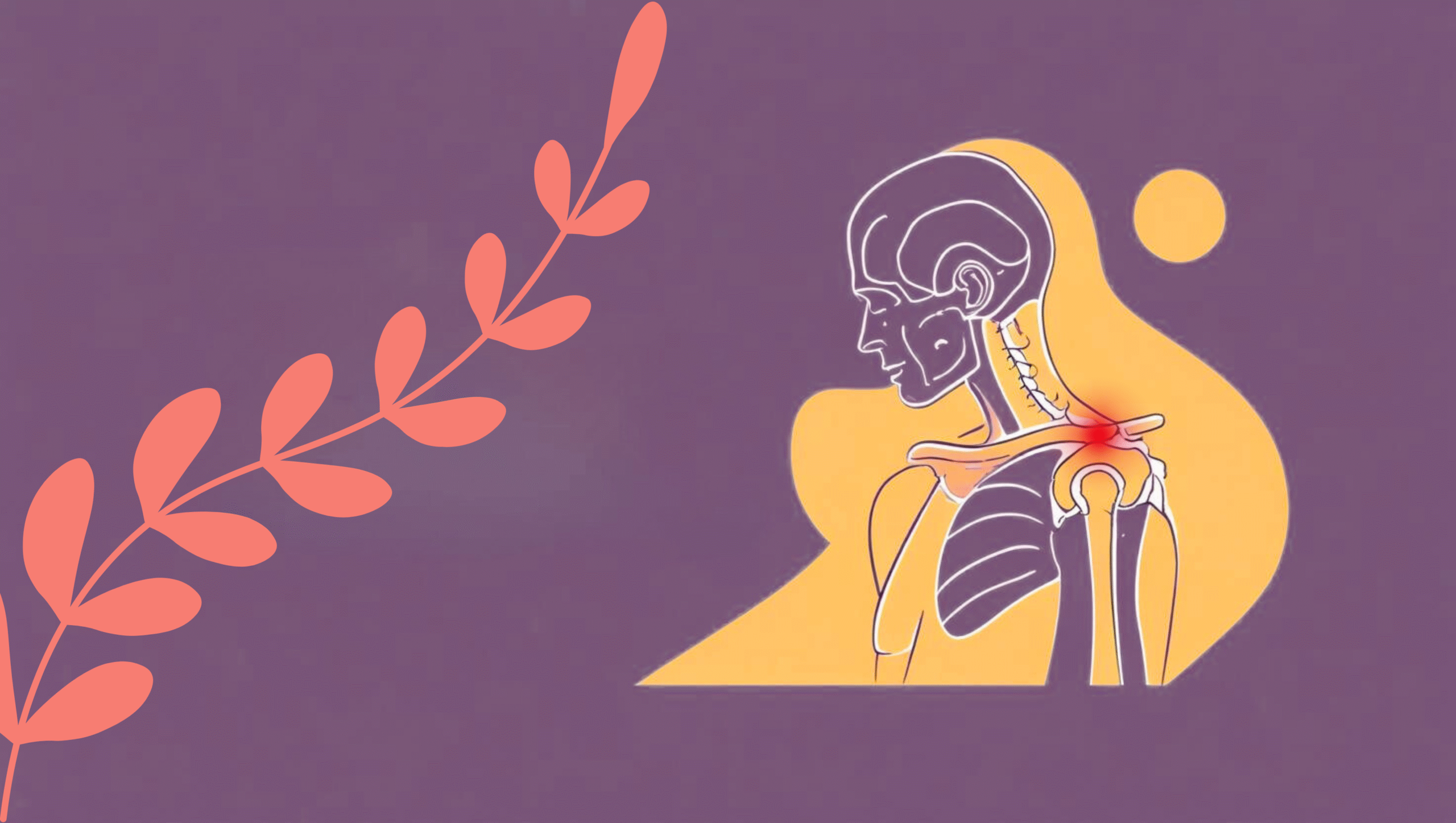
Shoulder pain can be frustrating, particularly when it feels like your shoulder is constantly unstable or even dislocates unexpectedly. This is a common problem for many people dealing with chronic shoulder pain. Shoulder instability occurs when the shoulder joint feels loose, or slips out of place, causing pain and limited mobility. While it might sound alarming, understanding shoulder instability, its causes, and how it manifests can help you seek the right treatment. In this blog post, we will explore shoulder instability as a potential cause of chronic shoulder pain, its health conditions, and treatment options.
What is Shoulder Instability?
Shoulder instability refers to a condition in which the shoulder joint becomes excessively loose and prone to slipping out of place. This can result in a shoulder subluxation (partial dislocation) or complete dislocation.
The shoulder is a ball-and-socket joint where the humeral head fits into the shallow glenoid socket. Stability is maintained by ligaments, tendons, the labrum, and surrounding muscles. When these structures weaken or tear, the result is a loose shoulder joint, leading to pain and dysfunction.
A common form of this condition is glenohumeral instability, which affects the primary shoulder joint responsible for most arm movements.
What Causes Shoulder Instability?
There are several potential causes for shoulder instability. Some of the most common include:
- Trauma and Injury: A traumatic event, such as a fall, car accident, or sports injury, can damage the shoulder’s stabilizing structures. These injuries may result in either a shoulder dislocation (when the humeral head completely slips out of the socket) or a subluxation (a partial dislocation). These incidents can cause ligaments and tendons around the shoulder joint to stretch or tear, leading to instability.
- Repetitive Overuse: Repetitive overhead activities, such as throwing a ball, swimming, or lifting weights, can strain the shoulder muscles and ligaments. This consistent stress can eventually weaken the shoulder joint and make it more prone to instability. Athletes involved in sports like tennis, baseball, or volleyball are often at higher risk.
- Congenital Factors: Some people are born with a naturally loose or shallow shoulder joint (called a laxity), which makes them more susceptible to shoulder instability. This can increase the likelihood of frequent dislocations or subluxations.
- Age and Weakness: As people age, muscles around the shoulder joint can weaken. Inadequate muscle strength or poor posture can disrupt the shoulder’s stability. Over time, the muscles and tendons may become stretched, further increasing the risk of instability.
What Are the Symptoms of Shoulder Instability?
Common shoulder instability symptoms include:
- Recurrent shoulder dislocation or shoulder subluxation
- Sudden or persistent shoulder pain
- Shoulder joint weakness, especially during lifting or overhead tasks
- Reduced range of motion
- Clicking, popping, or clunking sensations
- Feeling that the shoulder may “slip out” during movement
Symptoms may worsen with activity and improve temporarily with rest.
What Health Conditions Can Shoulder Instability Lead To?
If left untreated, shoulder instability may progress to more serious conditions:
Glenohumeral Instability
Repeated stretching of ligaments leads to chronic instability and frequent dislocations.
Recurrent Dislocation and Subluxation
Each episode increases tissue damage, worsening pain and reducing joint control.
Labral Tear Shoulder
The labrum deepens the socket for stability. Recurrent instability can cause a labral tear in the shoulder, leading to pain, weakness, and mechanical symptoms.
How is Shoulder Instability Diagnosed?
Shoulder instability is typically diagnosed through a combination of physical examinations, medical history, and imaging tests. During the physical exam, a healthcare provider will assess the shoulder’s range of motion, check for areas of tenderness, and evaluate how much pain occurs during specific movements.
Imaging tests like X-rays may be used to rule out other possible causes of shoulder pain, such as fractures or arthritis. MRI scans are often used to identify tears in the ligaments, tendons, or labrum, providing a clearer picture of the shoulder’s internal structures.
How is Shoulder Instability Treated?
Treatment for shoulder instability depends on the severity of the condition and the degree of pain and dislocation. Some common treatment options include:
- Physical Therapy: Strengthening the muscles around the shoulder joint is one of the most important treatments for shoulder instability. A physical therapist can guide you through specific exercises aimed at improving the stability and strength of the shoulder, as well as restoring its range of motion.
- Non-Steroidal Anti-Inflammatory Drugs (NSAIDs): Over-the-counter pain relievers, such as ibuprofen, can help reduce inflammation and pain caused by shoulder instability.
- Bracing or Sling: In some cases, using a shoulder brace or sling can help provide additional support to the joint, especially during the early stages of treatment. This helps prevent further dislocations and allows the muscles and ligaments to heal.
- Corticosteroid Injections: For individuals with severe pain or inflammation, corticosteroid injections may be used to provide temporary relief.
- Surgery: If non-surgical treatments do not provide relief, surgery may be necessary. Surgical options can include labral repair to fix any tears in the cartilage, or capsular shift surgery to tighten the ligaments around the shoulder joint and prevent future dislocations.
Conclusion
Shoulder instability can be a challenging and painful condition, but with early diagnosis and treatment, it is possible to manage and even prevent further damage. Strengthening the muscles around the shoulder, maintaining proper posture, and avoiding activities that place excessive stress on the shoulder joint can help reduce the risk of developing instability. If you suspect that you are suffering from shoulder instability, it’s important to consult with a healthcare provider who can properly assess the condition and guide you toward the best course of treatment.
By taking proactive steps, you can protect your shoulder from further injury and get back to your daily activities with confidence.
FAQs
1. Can shoulder instability heal without surgery?
Yes. Many cases improve with physiotherapy, strengthening, and activity modification. Surgery is considered only if conservative treatment fails.
2. Is shoulder instability permanent?
Not always. With proper rehabilitation, many people regain stability and function. Untreated cases, however, may become chronic.
3. Best sleeping position for shoulder pain?
Sleeping on your back or on the opposite side with a pillow supporting the affected arm is usually recommended.
4. Can the gym cause shoulder instability?
Yes, improper lifting techniques, excessive overhead exercises, or weak stabilizing muscles can contribute to instability.
5. How long does recovery take?
Recovery varies. Mild cases may improve within weeks, while severe instability or post-surgical recovery can take several months.
References
- Gallo, R. A., & Zancolli, J. A. (2018). Shoulder instability: Diagnosis and management. The Journal of Bone and Joint Surgery, 100(5), 352-357. Available at: https://pubmed.ncbi.nlm.nih.gov/29513265/
- McMahon, P. J., & Park, J. (2020). Glenohumeral instability: A comprehensive review of diagnosis and management. Orthopedic Clinics of North America, 51(1), 1-10. Available at: https://pubmed.ncbi.nlm.nih.gov/31731692/
- Norris, T. R., & Tashjian, R. Z. (2021). Labral tears and shoulder instability: Diagnosis, treatment, and outcomes. Journal of Shoulder and Elbow Surgery, 30(8), 1467-1475. Available at: https://pubmed.ncbi.nlm.nih.gov/33379035/
- Hovelius, L., & Eriksson, B. I. (2019). The management of shoulder instability: Surgical versus conservative treatment. The Journal of Shoulder and Elbow Surgery, 28(10), 1800-1807. Available at: https://pubmed.ncbi.nlm.nih.gov/30770243/