






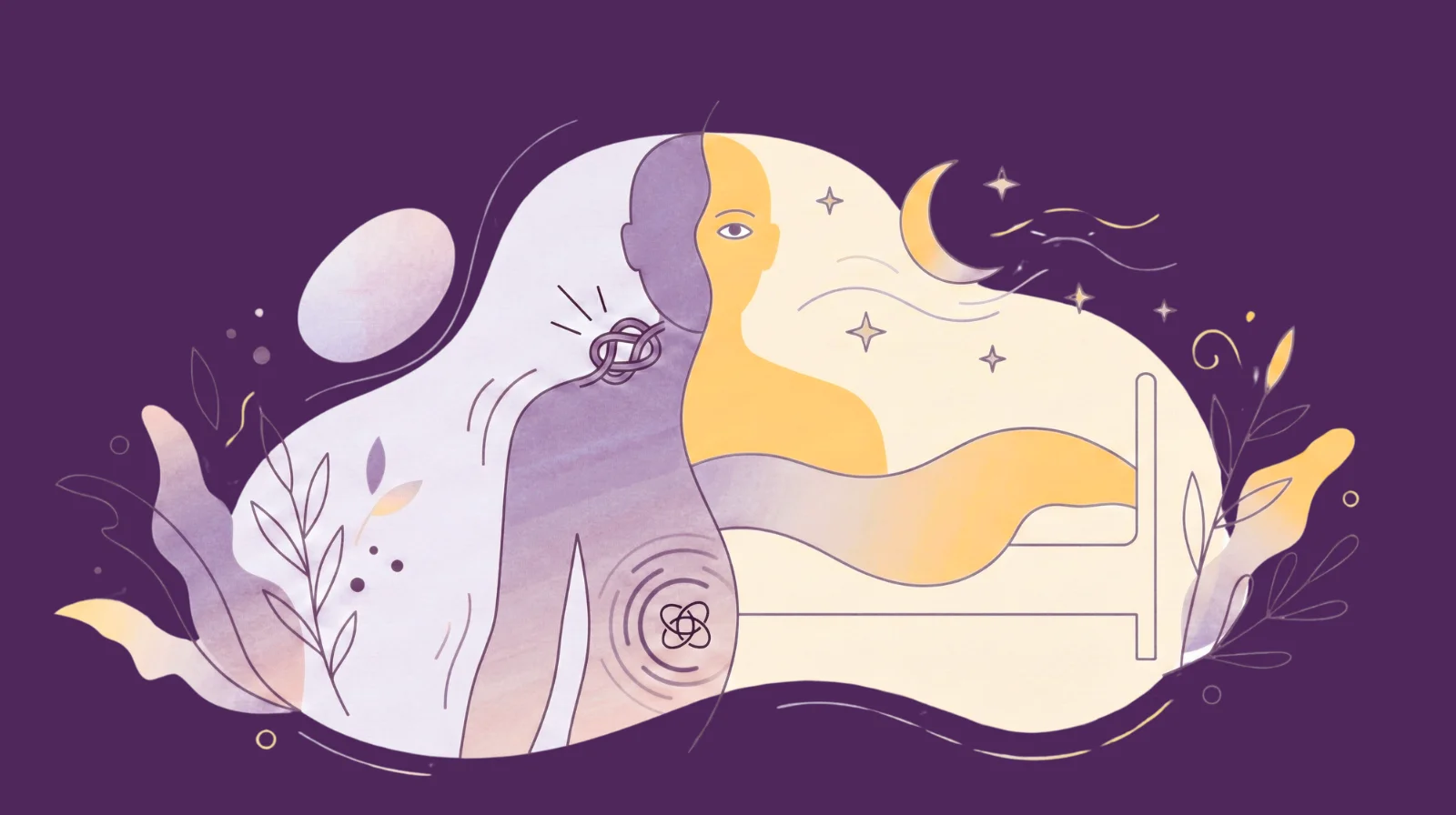
Stress is not always obvious. It doesn’t always make itself known with panic attacks or tearful breakdowns. Sometimes, it speaks quietly through a tight neck that won’t softening, a stomach that never feels quite right or nights when sleep is impossible to find. Maybe you’d chock it to “just being tired” or “coming down with the flu,” but these are whispers that often mean something more long-term: chronic stress.
Here’s the thing: long-term stress is sneaky, exactly because it becomes so normal. Your body adjusts, your mind justifies and all of a sudden you can no longer remember what feeling refreshed really feels like. Studies indicate chronic stress is present in over 55% of adults living in the developed world, however many do not recognize symptoms until they manifest as a serious health condition [1].
Recognizing these subtle signs of chronic stress in general and how it can impact your body and sleep,is the first step towards reclaiming your well being.
In this article, we’ll break down the hidden signs of chronic stress and what you can do to feel more balanced and rested again.
What is Chronic Stress?
All stress is not created equal. There’s the acute stress of a deadline you’re rushing to meet, or a near-miss on the highway; sharp but short-lived. Then there are the slow-creeping strains of chronic stress, which take up residence and stay.
The difference between acute and chronic stress is time of exposure and recovery. Acute stress causes your body to respond in “fight or flight”: Your heart races, muscles tighten and focus sharpens. After the threat is gone, your body returns to a baseline. But chronic stress keeps your stress response turned on for weeks, months or even years. Your body never entirely returns to “rest and repair” mode.[2]
Stress hormones explained simply: You face a stressor, your hypothalamus sends a signal to your adrenal glands to release cortisol and adrenaline. In brief, cortisol can be beneficial, it helps mobilize energy and sharpen focus. But when cortisol remains elevated over time, it interferes with almost every system in your body; from digestion to immune function to how you regulate sleep [3].
Cortisol is akin to an emergency alarm. When there’s a fire, it’s a great tool, but when it rings incessantly month after month.
Hidden Physical Signs of Chronic Stress
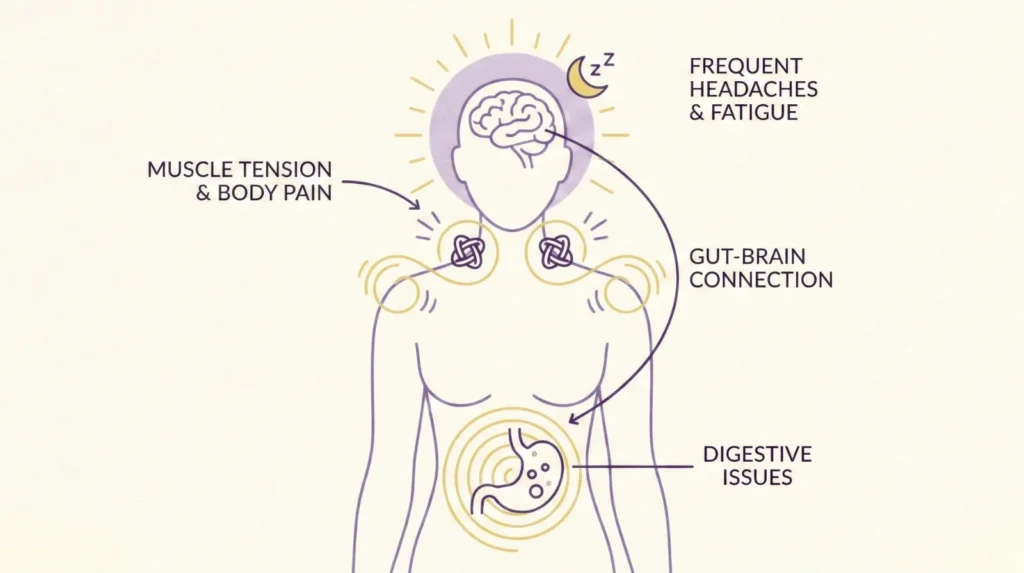
Chronic stress shows up in the body long before it leads to burnout or break down. Even (or especially) when your mind wants to power through.
1. Muscle Tension and Body Pain
If you often catch yourself kneading your neck or shrugging or rolling your shoulders, chronic stress may be to blame. When we are stressed, our muscles tense as a defense from the past when being anxious was obviously less safe. The problem? Your muscles never receive the messaging to truly relax.
Neck, shoulders, and back are particularly vulnerable. These are the coalitions which take on the physical load of stress and carry around our long-term symptoms, such as chronic tension headaches, limited movement range and nagging pain that no amount of stretching can ever seem to ease [4]. Over time, that tension can change your posture, creating a feedback loop in which poor alignment contributes to more pain and stress.
If you find yourself waking up with neck pain or shoulder tension, it probably has something to do with your sleeping position and the support system around which you wrap your body. A cervical support pillow can keep your neck properly aligned while you’re catching zzz’s, which will give those chronically contracted muscles a real chance to heal.
2. Digestive Issues due to Chronic Stress
You know how your stomach can react before a scary presentation? That’s the gut-brain connection live. Your digestive tract has its own nervous system (the enteric nervous system) that never stops communicating with your brain via the vagus nerve⁵.
Chronic stress causes interference with this communication resulting in:
- Persistent stomach aches or nausea
- Appetite changes (overeating or loss of appetite)
- Irritable bowel syndrome (IBS) symptoms
- Increased intestinal permeability (“leaky gut”)
High cortisol causes a slowdown on digestion, and also decreases the population of your good gut bacteria (the ones we need to be healthy) and increases inflammation. This is why chronic stress too frequently comes with vague digestive complaints that conventional tests can’t fully explain.
3. Frequent Headaches and Fatigue
If you’re enduring tension headaches multiple times a week or feeling “burnt out” despite getting enough sleep, you may be experiencing chronic stress sapping your body of resources. Chronic elevation of cortisol can impair blood sugar regulation, interfere with cellular energy production and raise inflammatory markers all over your body⁶.
This is not just normal tiredness, it’s a physical state in which your body always automatically operates on “emergency”, it never gets all its energy stored refilled.
How Chronic Stress Disrupts Sleep ?
The cycle between stress and sleep is cruelly circular: Stress disrupts sleep, and insufficient or low-quality sleep undermines the body’s resilience to stress. To break this cycle, you need to understand how stress hijacks your sleep systems.
Cortisol and melatonin imbalance: As part of a normal circadian rhythm, your cortisol levels ascend upon waking (to awaken you) and descend throughout the day before bottoming out at around midnight. Melatonin, the hormone that helps you sleep, does the opposite, it rises in the evening to make you sleepy.
And this careful balance is trashed by chronic stress. Your cortisol levels might still be raised in late evening hours, dampening melatonin production and leaving your brain alert when it should be powering down [7]. This is why you might feel “tired but wired” i.e, physically tired but mentally unwilling to settle.
Trouble falling asleep vs staying asleep: These are two different stress patterns. Having trouble falling asleep is a sign of high evening cortisol, where your mind goes a million miles an hour going over the day or worrying about tomorrow. Waking up at 3 or 4 a.m. and finding it hard to fall back asleep usually indicates cortisol spikes when they are supposed to be lowest, which blasts you awake with a surge of alertness.
Both of those patterns tell us that your stress response system has lost its rhythm. And for further setting the stage to get better sleep overall, evidence-based tips from our guide on how to overcome sleep disturbances.
It is necessary to establish a sleep environment conducive to stress recovery. A pressure soothing mattress can decrease tension in the body even as you sleep, allowing your body to relax and enter true rest modes rather than retaining defensive muscle guarding all night long.
Mental and Emotional Warning Signs
Chronic stress doesn’t merely afflict your body, it also distorts your brain: It can lead to everything from a lack of inhibition to an inability to hew tightly to a plan.
Brain fog: The mental fuzziness when you wander into a room and can’t remember why, or read the same paragraph three times without comprehending it? Your hippocampus (memory center) and prefrontal cortex (decision-making center) both suffer from chronic stress. High cortisol literally makes your brain less efficient at processing information⁸.
Irritability: If you are snapping at small things or feeling frustrated with things that usually wouldn’t bother you, stress is emptying your emotional reserves. The emotional regulation systems in the brain (like your amygdala) fire too much under chronic stress, and your ability to regulate those emotions (prefrontal control) fires less.
Low motivation: There’s that universal feeling of everything being too much work for some reason or other, even things you love to do and used to think were fun, a classic sign of chronic stress draining your dopamine and serotonin systems. This is not sloth; it’s neurochemical fatigue.
Effects of Chronic Stress on Health In the Long Run
The consequences of this when the chronic stress continues for months or years unchecked, is not merely feeling uncomfortable.
Hormonal imbalance: Long-term cortisol elevation fucks up the whole endocrine system. In women, this can impact menstrual regularity and fertility. In men, it may lower testosterone levels. It disrupts thyroid function, blood sugar regulation, and metabolic health for us all.[9]
Immune suppression: Although acute stress can temporarily enhance certain immune functions, chronic stress weakens your immune system. You’ll feel like you’re catching every cold on the block, wounds will heal slowly, or you might find existing inflammatory issues flare up more often [10].
Cardiovascular risk: Chronic stress is one of the leading causes of hypertension, atherosclerosis and heart attacks. Raised cortisol and inflammation with a damage to the walls of blood vessels and release of more free radicals leads to increased blood pressure, which amounts to all out cardiovascular courtship.[11]
These aren’t just far-off possibilities, they’re observable physiological changes occurring in your body right now when chronic stress goes unchecked.
Stress, Posture, and Body Tension
Here is a link most people are missing: chronic stress actually changes how you carry your body.
Stress-induced posture changes: When we’re stressed, holding our bodies like a protective shield (shoulders rounded forward, head jutting out and down, chest collapsing). This “defensive posture” was beneficial in evolution, as it protected vital organs, but when held chronically crude muscle imbalances arise that cause restriction to breathe and the sending of perpetual stress signals to your brain [12].
It goes both ways: being stressed makes you have bad posture, and having bad posture reinforces stress signaling through proprioceptive feedback to your nervous system.
Why physical support matters: This is the place where your sleep environment can be a major intervention. You spend one-third of your life on it, this is hours when your body can either solidify stress patterns, or work to actively undo them.
An ergonomic bed which keeps your spine in line will help release all of the defensive tension in those muscles. A supportive pillow is that takes over for you so your neck isn’t forced to hold up compensating muscles all night. These are not luxury items, they’re tools for nervous system regulation.
When your body feels appropriately supported, it sends safety signals to your nervous system, which can help shift you out of chronic stress mode and into true recovery.
How to Break the Stress-Sleep Cycle ?
Releasing chronic stress cannot be isolated or done instantly; it has to be work from the inside out, both on your nervous system directly and also within your environment that is causing this constant state of panic.
Simple daily stress regulation habits:
- Morning sunlight: At least 10 to 15 minutes of natural light shortly after waking can help reset your cortisol rhythm and promote healthy melatonin production later [13].
- Rhythmic movement: This includes walking, swimming and gentle yoga and may metabolise the stress hormones as well as some of the physical effects from stress.
- Purposeful Breathing: 5-10 minutes of soft, diaphragmatic (4 counts in; 6 out) breathing turns on your parasympathetic nervous system.
Evening wind-down strategies:
- Digital sunset: Eliminate screen time 90 minutes before bed (blue light hinders melatonin and raises cortisol)
- Temperature: Taking a warm bath and then sleeping in a cooler bedroom (65-68 degrees) will simulate your body’s natural temperature drop as you prepare for sleep
- Regular timing: Regular sleep and wake times help regulate your body’s circadian rhythm, even on weekends
Body-based relaxation techniques:
- Progressive muscle relaxation: Systematically tensing and releasing muscle groups to teach your body what “released” feels like
- Body scanning: Practising checking in with different parts of our body without trying to change them can improve interoceptive awareness.
- Supported rest postures: Spend 10-15 minutes relaxing on your back with your legs elevated, or in a supported child’s pose is a sign given to your nervous system that you are safe.
For an even deeper dive into getting better sleep at night, check out our guide to best practices for sleep hygiene.
Chronic Stress Recovery: Small Habits That Make a Big Difference
Chronic stress doesn’t just happen overnight, and it’s not going to disappear after one “self-care” weekend. But here’s what you should understand: Signs of stress are a call to action, not acceptance.
That chronic post-neck-tension, those 3 a.m. wake-ups, that ongoing low-level fatigue, these are not personal failures or signals you need to “toughen up.” It’s your body’s brilliant way of sending you a message that something needs to change.
The encouraging news? Small, steady adjustments are better at restoring equilibrium than sweeping changes. Your nervous system responds to routine, not perfection. Small and not-so-small advances in our quality of sleep, stress management and physical support create virtuous cycles that slowly restore resilience.
Recovery is not linear, and some weeks will feel worse than others. But these small interventions, whether it’s prioritizing 10 minutes of morning sunlight, finally dealing with that sleep position that leaves you feeling stiff in the morning or simply recognizing that what you’re going through is valid and real, are teaching your body once again that safety and rest are possible.
How betterhood Assists in Your Recovery from Stress
At betterhood, we’re all too aware that overcoming chronic stress isn’t just about willpower, it’s the process of finding a way to feel safe enough in your body to let go. Our supportive sleep products are designed with this in mind.
We’re designing an infrastructure for your nervous system to finally repair itself, from orthopedic pillows that align the spine to mattresses that relieve pressure so chronically tense muscles can finally relax.
And because once your body feels genuinely supported, rest becomes a possibility again, not as one of the luxuries you’re meant to work for but as one of the rights you never lost.
Explore More Health & Wellness Solutions:
Want to stay informed about wellness and everyday health issues? Here are some insightful reads to guide you. Explore the links below for practical tips and solutions.
- Quantum Healing: Meaning, Science, Benefits & Myths
- 10 Effective Home Remedies for Body Pain Relief Naturally
- How Can Knee Cap Support Help Prevent Injury and Reduce Pain While Running
Frequently Asked Questions
1. Can stress cause insomnia?
Yes, but chronic stress is one of the top culprits in insomnia. High cortisol levels inhibit melatonin production and keep your brain alert, meaning that you’ll struggle to fall asleep or will wake repeatedly through the night. The root cause(medical definition) of the stress issue needs to be handled in order to cure stress induced insomnia.
2. How do I know if stress is chronic?
Chronic stress will hang around for weeks or months, and with it you get physical signs such as muscle that won’t relax, digestive complaints, frequent headaches and interrupted sleep. Emotional markers like irritability,foggy thinking or lack of motivation. If you’ve had similar feelings for more than a few weeks and they’re not going away, you are probably under chronic stress.
3. Does exercise help or worsen stress?
It varies depending on the forms, and for that matter, the degree. Gentle, rhythmic exercise such as walking, swimming or yoga supports healthy cortisol patterns and reduces the body’s stress hormone response. But high intensity exercise when you’re already diminished can only add more stress to a system that’s already feeling taxed. Try to do some exercise every day; pay attention to how your body feels on the days you work out (if you have a lot of energy after and feel invigorated by the end, it was helpful; if you feel exhausted or hyped, less so).
4. Can posture affect stress levels?
Absolutely. Bad posture through proprioceptive feedback tells the brain stress, while stress causes protective postural changes (rounded shoulders, forward head). This creates a self-reinforcing cycle. The better aligned your posture is, particularly as you sleep, with the right support, the more it helps regulate your nervous system.
5. How long does recovery take?
Recovery times will depend on how long stress has been chronically worsening, and your own physiology. Most can feel a change in the quality of their sleep within two to three weeks, but the complete regulation of one’s nervous system might take two to three months. The secret is about making long-term, sustainable changes rather than quick fixes.
References
- American Psychological Association. (2022). Stress in America 2022: Concerned for the future, beset by inflation. Retrieved from https://www.apa.org/news/press/releases/stress/2022/concerned-future-inflation
- McEwen, B. S. (2017). Neurobiological and systemic effects of chronic stress. Chronic Stress, 1, 1-11. https://doi.org/10.1177/2470547017692328
- Mariotti, A. (2015). The effects of chronic stress on health: New insights into the molecular mechanisms of brain-body communication. Future Science OA, 1(3), FSO23. https://doi.org/10.4155/fso.15.21
- American Institute of Stress. (2023). Stress effects on the body: Musculoskeletal system. Retrieved from https://www.stress.org/stress-effects-on-the-body
- Carabotti, M., Scirocco, A., Maselli, M. A., & Severi, C. (2015). The gut-brain axis: Interactions between enteric microbiota, central and enteric nervous systems. Annals of Gastroenterology, 28(2), 203-209. https://www.ncbi.nlm.nih.gov/pmc/articles/PMC4367209/
- Hannibal, K. E., & Bishop, M. D. (2014). Chronic stress, cortisol dysfunction, and pain: A psychoneuroendocrine rationale for stress management in pain rehabilitation. Physical Therapy, 94(12), 1816-1825. https://doi.org/10.2522/ptj.20130597
- Hirotsu, C., Tufik, S., & Andersen, M. L. (2015). Interactions between sleep, stress, and metabolism: From physiological to pathological conditions. Sleep Science, 8(3), 143-152. https://doi.org/10.1016/j.slsci.2015.09.002
- McEwen, B. S., & Morrison, J. H. (2013). The brain on stress: Vulnerability and plasticity of the prefrontal cortex over the life course. Neuron, 79(1), 16-29. https://doi.org/10.1016/j.neuron.2013.06.028
- Ranabir, S., & Reetu, K. (2011). Stress and hormones. Indian Journal of Endocrinology and Metabolism, 15(1), 18-22. https://doi.org/10.4103/2230-8210.77573
- Segerstrom, S. C., & Miller, G. E. (2004). Psychological stress and the human immune system: A meta-analytic study of 30 years of inquiry. Psychological Bulletin, 130(4), 601-630. https://doi.org/10.1037/0033-2909.130.4.601
- Kivimäki, M., & Steptoe, A. (2018). Effects of stress on the development and progression of cardiovascular disease. Nature Reviews Cardiology, 15(4), 215-229. https://doi.org/10.1038/nrcardio.2017.189
- Carney, D. R., Cuddy, A. J., & Yap, A. J. (2010). Power posing: Brief nonverbal displays affect neuroendocrine levels and risk tolerance. Psychological Science, 21(10), 1363-1368. https://doi.org/10.1177/0956797610383437
- Roecklein, K. A., & Rohan, K. J. (2005). Seasonal affective disorder: An overview and update. Psychiatry, 2(1), 20-26. https://www.ncbi.nlm.nih.gov/pmc/articles/PMC3004726/


