





Your knees are the strong joints that enable you to do all the fun things, such as climbing up the stairs and dancing terribly at weddings. Nevertheless, they may create significant issues when you overlook their minor clues. By recognizing the signs and symptoms of pain in the knees early, one can prevent additional pain and unnecessary visits to the doctor at a high cost. What do you suppose your knees are about to tell you? Check below to know more.
Recognizing the Subtle Signals: Why Do They Matter?
Understanding silent knee distress
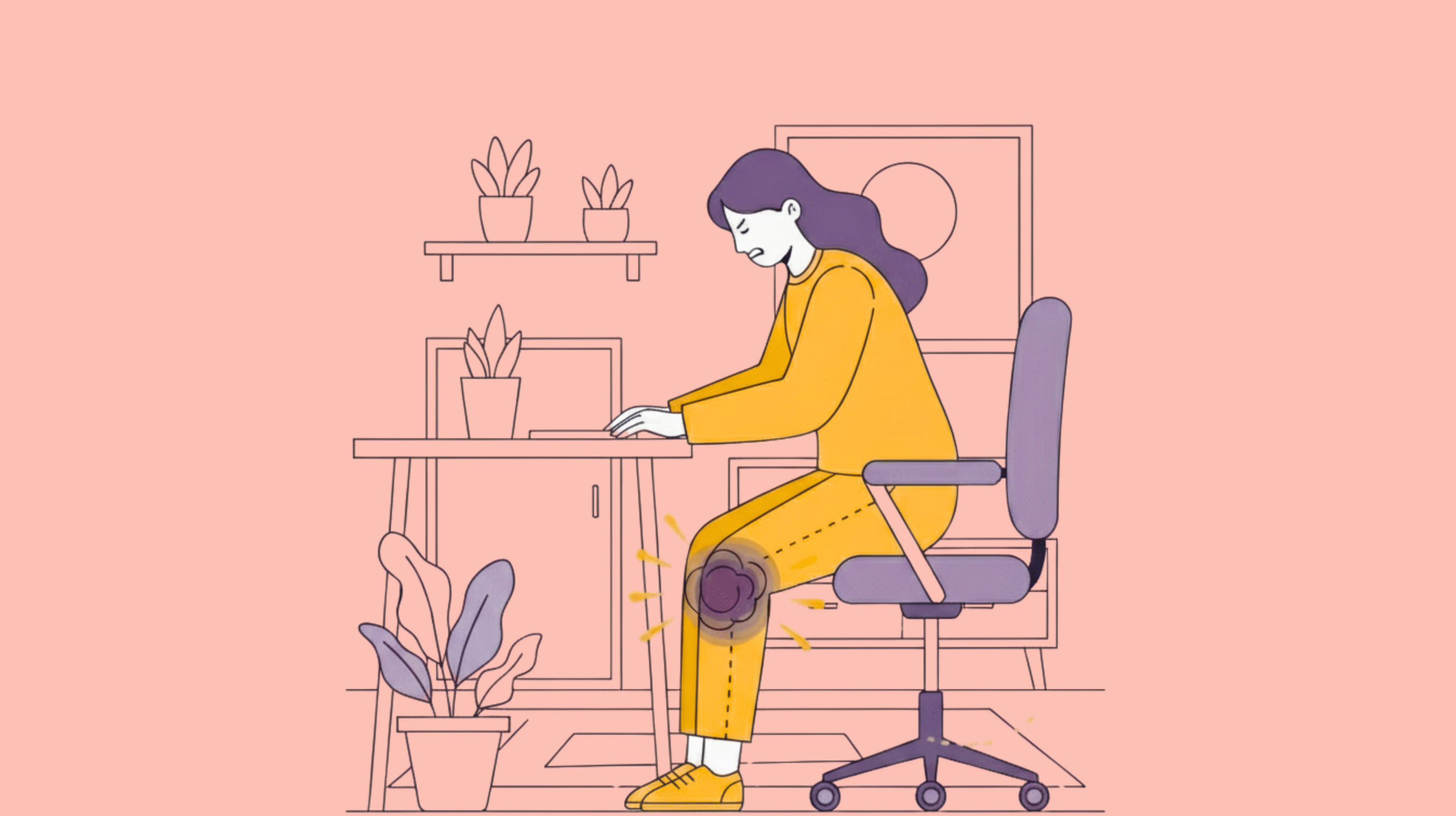
Knee pains do not necessarily occur all of a sudden. At times, it can be more of a murmur, pain in the morning or discomfort after sitting. Sometimes knee pain is so silent that you hardly notice, just like the way you forget a million times where you kept your keys. The causes of this mild discomfort can be inflammation, tired joints, or minor injuries, which do not lose their character with time.
Long-term risks of neglecting early symptoms
Ignoring these gentle signals risks turning a minor annoyance into a major problem. Chronic knee pain, arthritis, and decreased mobility often begin with these small whispers. Think of skipping early signs as letting a small leak sink the ship; it’s better to patch it early than bail water later.
Early Warning Sign 1: Unexplained Knee Tenderness
How does tenderness differ from pain?
Tenderness is that spot on your knee that winces at a gentle poke. It’s not sharp pain, more like your knee tapping you softly, ingsaying, “hey, be nice!” Unlike outright pain that yells at you mid-run, tenderness is subtle but persistent.
Common causes and what they indicate?
Localized tenderness often points to mild inflammation, bursitis, or tendonitis [1]. It’s your knee’s way of waving a little red flag before things escalate. Treat it like a polite but urgent postcard from your joints: “Please check on us soon.”
Pro tip: If the tenderness is your knee’s way of flirting for attention, don’t keep ghosting it.
Early Warning Sign 2: Sudden Onset of Knee Weakness
What triggers muscle weakness around the knee?
Weakness feels like your knee forgot how to pull its weight. This can come from minor injuries, nerve irritation, or simply underused muscles around the joint [2]. It’s like your squad suddenly deciding to take a vacation without you.
How does knee instability affect daily life?
Imagine your knee as the sturdy legs of a chair; now picture those legs wobbling. That’s instability, which can make your knee buckle when you least expect it.

Suddenly, walking downstairs feels like an Olympic sport. Stability might sound boring, but when it fails, you notice in all the wrong ways.
Remember: A wobbly knee isn’t a dance move to try at parties.
Early Warning Sign 3: Noticeable Changes in Knee Appearance
Discoloration, swelling, and deformities
Swelling or redness screams “Something’s up!” even if you wish it wasn’t. Swelling usually indicates inflammation or fluid buildup, while discoloration might warn you about internal bruising or infections [3]. Sometimes, you might even spot changes in shape, signaling structural injuries.
When visual changes signify a problem
If the swelling doesn’t go down or worsens quickly, or if your knee’s shape looks off (yes, knees can have bad hair days too), it’s time to get professional advice.
Early Warning Sign 4: Persistent Clicking or Grinding Sensations
Differentiating benign noises from alarming sounds
Knees pop and crack sometimes, much like old floorboards. But persistent clicking or grinding (crepitus) during movement could indicate cartilage wear or meniscal tears causing rough joint surfaces to rub.
Link to cartilage damage and joint health
These sounds often accompany mild to moderate osteoarthritis or cartilage injury. While not always painful initially, they suggest early joint degeneration that may benefit from early non-surgical treatment.
Friendly warning: Your knee isn’t your car; ignoring the grind will cost more than an oil change.
Early Warning Sign 5: Increasing Difficulty in Weight Bearing
Signs of deteriorating knee function
If simply standing or putting weight on your leg becomes hard, that’s serious. It suggests worsening joint degeneration, ligament damage, or swelling. Avoiding weight can spiral into muscle weakness, compounding the problem.
Impact on mobility and quality of life
Mobility takes a hit when knees don’t cooperate. Stairs become Everest, walking becomes a negotiation, and your legs start reminding you who’s boss: it shouldn’t be the knees.
How to Monitor and Track Knee Health at Home?
Tools and techniques for self-assessment
- Mirror checks for swelling or redness.
- Bending and straightening tests to assess range.
- Balance exercises like single-leg stands.
- Using smartphone videos to catch subtle limping.
Keeping a knee health journal
Write down when pain or swelling appears, for how long, and possible triggers like exercise or weather. It sounds nerdy, but doctors love this data. Plus, it’s interesting to look back and see patterns you missed.
Lifestyle Factors That May Trigger Early Knee Pain
Role of physical activity and occupational hazards
High-impact exercise, repetitive movements, or standing long hours strain knees [4]. Overdoing stair climbing or heavy lifting at work taxes your joints a lot.
Importance of footwear and ergonomics
Old shoes? Flat slippers? They might be silently staging a sabotage against your knees. Proper arch support and comfortable footwear make all the difference.
Remember: Your shoes are your knees’ best friends or worst enemies. Choose wisely!
Effective Home-Based Interventions Upon Early Warning Signs
Simple exercises to strengthen and protect knees
- Quad sets: Tighten thigh muscle; hold; release. Build strength without impact.
- Hamstring curls: Gentle curls to support the knee.
- Leg raises: Boost stability without bending the knee [5].
- Calf stretches: Keep muscles flexible, aiding knee support.
When and how to use knee braces or supports?
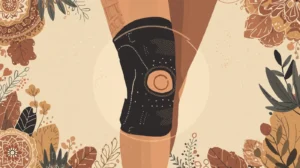
Supportive braces can stabilize joints, reduce pain, and boost confidence. But don’t DIY it; consult a physiotherapist for the right fit. Over-tightening braces may turn helpful support into a tourniquet.
Brace advice: Your knee wants a partner, not a straightjacket.
When to Consult a Specialist: Guidelines for Timely Medical Care
Differentiating urgent from non-urgent symptoms
Urgent: inability to walk, severe swelling, deformity, and fever with knee pain.
Non-urgent: Mild discomfort or stiffness manageable at home with rest and exercises.
What information to prepare for your healthcare provider
Bring your notes on pain patterns, activities that worsen or ease symptoms, and previous treatments. Think of it as your knee’s autobiography.
End Note
Listening to your knees is less about interpreting Morse code and more about observing everyday clues. Early knee pain reasons can be caught, managed, and often reversed with mindfulness and proactive care. Remember, knees don’t get better by ignoring them (as tempting as that might be on a Monday). Treat them right, and they’ll carry you far; preferably to places with less hill climbing.
Knee pains are curable even with natural remedies. Know-how:
Frequently Asked Questions:
1. What can cause knee pain without any obvious injury?
Gradual arthritis, tendonitis, or nerve issues are usual suspects when there’s no traumatic event.
2. How important is early treatment for knee discomfort?
Early treatment often stops minor issues from snowballing into surgery-worthy problems.
3. Can home exercises worsen knee pain?
Yes, if done wrong or with bad form. Always start slow, and if unsure, ask a professional.
4. How do I know if I need a knee brace?
If your knee feels unstable or painful during activities, a brace might help, but get advice first.
5. Are there natural remedies that help with early knee pain signs?
Weight management, anti-inflammatory diets, ice and heat therapy, and stretching can all support knee health.
References
- Fredberg, U., & Stengaard‐Pedersen, K. (2008). Chronic tendinopathy tissue pathology, pain mechanisms, and etiology with a special focus on inflammation. Scandinavian journal of medicine & science in sports, 18(1), 3-15. DOI: 10.1111/j.1600-0838.2007.00746.x
- McCaughan, D., Booth, A., Jackson, C., Lalor, S., Ramdharry, G., O’Connor, R. J., … & McDaid, C. (2019). Orthotic management of instability of the knee related to neuromuscular and central nervous system disorders: a qualitative interview study of patient perspectives. BMJ open, 9(10), e029313. https://doi.org/10.1136/bmjopen-2019-029313
- Johnson, M. W. (2000). Acute knee effusions: a systematic approach to diagnosis. American family physician, 61(8), 2391-2400. https://www.aafp.org/pubs/afp/issues/2000/0415/p2391.html
- Milgrom, C., Finestone, A., Levi, Y., Simkin, A., Ekenman, I., Mendelson, S., … & Burr, D. (2000). Do high-impact exercises produce higher tibial strains than running?. British journal of sports medicine, 34(3), 195-199. https://doi.org/10.1136/bjsm.34.3.195
- Nagler, W. (2006). Strength and Flexibility, Part 2: Knees. Caring for the Ages, 7(4), 20. https://www.caringfortheages.com/article/S1526-4114(06)60092-9/fulltext