





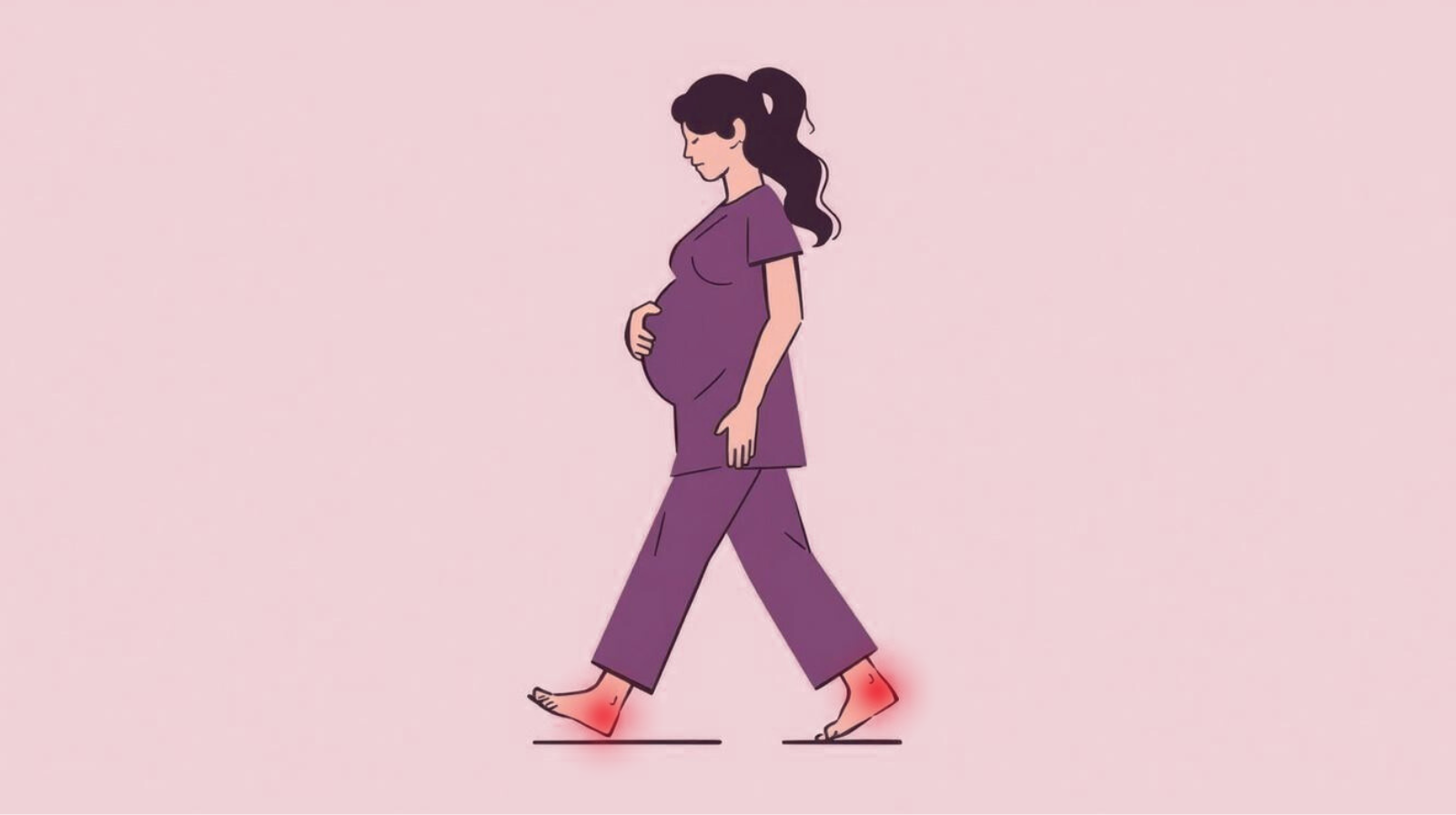
Pregnancy foot pain affects an estimated 70% of pregnant women, and it is one of the most prevalent complaints during this transformative period [1]. Your body undergoes massive changes over the course of nine months, and your feet take the most impact supporting not only a growing baby, but also all that extra weight and new center of gravity change during pregnancy.
We aren’t just talking about putting up with sore feet at the end of a long day. Either foot pain in pregnancy can scratch any plan for smoothly throughout your days, impact on how well you sleep and generally between feeling fit or frazzled. Understanding why and what to do about it, can help you take charge of your comfort and appreciate the road ahead!
The good news? The vast majority of pregnancy foot pain is normal and easily managed with the right approach. When you understand why they occur and use some tried-and-true solutions, you can minimize the pain and keep on trucking along without any discomfort during your pregnancy.
Why Do Feet Hurt During Pregnancy?
Weight Gain and Increased Pressure
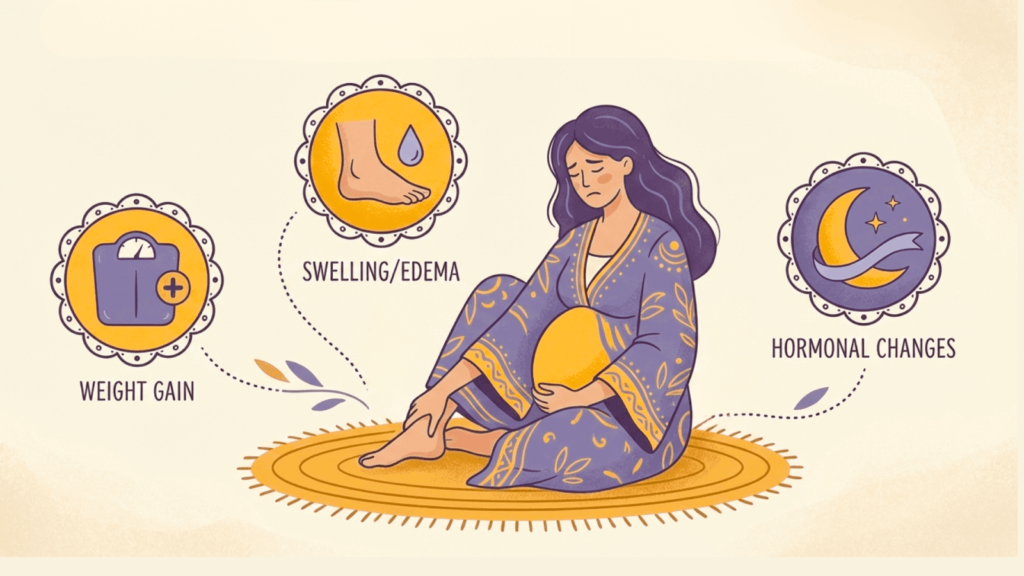
One of the most common reasons for foot pain while pregnant is extra weight, which your feet have to carry. Studies suggest that women with a normal pre-pregnancy BMI should gain within 25-35 pounds [2].. This extra load stresses the arches and heels further and causes tiredness and aching.
Your feet are not meant to suddenly hold an additional 20-40 pounds. The extra load impacts bones, joints, muscles and ligaments; the signs of fatigue and how you absorb force during each step. It’s not just the weight, but where it is distributed, which makes walking more work and balance harder to keep.
Hormonal Changes and Ligament Relaxation
Hormones produced during pregnancy (and, in particular, relaxin) tend to soften and stretch ligaments to get them ready for labor and delivery (3). This is necessary for pelvic mobility but it also impacts feet, which may result in them becoming wider or longer.
As the foot ligaments relax, arches can momentarily collapse, which may alter foot mechanics and lead to further strain. These hormonal changes can start in early pregnancy, and frequently reach their peak during the third trimester, that’s why all of a sudden your shoes may feel like they’re tight or uncomfortable.
Fluid Retention and Swelling
Another large cause of foot pain in pregnant women is edema (swelling or fluid retention). Your body produces around 50% additional blood and fluids to help your baby (4), a lot of which accumulates in the feet and ankles, with particularly heavy accumulation later in the day.
And swollen feet can raise pressure in shoes as they bulge and push out, causing soreness or aching. This effect may be exacerbated by heat, long standing or high sodium intake. The additional volume of blood also puts increased pressure on the blood vessels, which is likely to lead to that feeling of fatigued and heavy experienced by many pregnant women.
Changes in Center of Gravity
As your baby develops, your natural center of gravity is pushed forward, which results in altered posture and the way you walk (5). These modifications transfer new stresses to the feet and change where weight is distributed as you walk.
Muscles of the foot and ankle have to work harder to stabilize as well, resulting in muscle fatigue and discomfort. The forward shift may also create more pressure at the balls of the feet, contributing increasingly to pain in this area as pregnancy advances.
Common Causes of Foot Pain During Pregnancy
Plantar Fasciitis
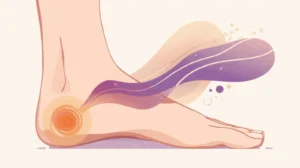
Plantar fasciitis is inflammation of the thick band of tissue that runs from your heel to your toes. In pregnancy, it frequently presents as a sharp pain in the heel when you take your first steps of the day. Such strain on the plantar fascia is multiplied with weight gain, hormonal loosening of ligaments and change in foot mechanics.
This tissue is meant to be a shock absorber but during pregnancy it’s put under extra stress, and that makes even short walks painful. The relief comes in the form of anti- inflammatory to ease out the pain and arch support. Gentle calf stretches, rolling a frozen bottle under your foot and wearing supportive shoes can help avoid worsening pain.
Flat Feet (Fallen Arches)
Pregnancy hormones can cause the arches of your feet to fall, sometimes just for the duration of a pregnancy and sometimes long-term. This may elongate and widen the foot, causing feet to ache or feel tired after standing or walking for an extended time. Some women experience their shoe size changes in pregnancy and never totally revert.
Flat arches impede the foot’s natural ability to absorb shock, so walking might feel more tiring. The pain may even spread from the feet to the ankles, calves or lower back. Good arch support is needed for relief of strain and for overall comfort.
Metatarsalgia
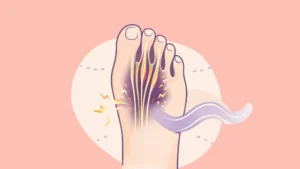
Metatarsalgia, pain in the ball of the foot which is often described as a sensation of walking on pebbles. During pregnancy, which shifts a woman’s center of gravity forward, increased pressure on this delicate plexus is exerted. Insufficient padding or prolonged standing may exacerbate symptoms.
The pain tends to come on slowly and may have a burning or ache after the end of the day. The pain is usually aggravated on walking bare feet on hard surfaces. Forefoot cushioning in the form of shoe inserts or metatarsal pads can redistribute pressure and alleviate pain.
Heel Pain
Weight gain, cavus arches and increased pressure on the heel’s fatty pad can all contribute to heel pain in pregnancy. The pain is frequently aggravated as the day goes on, and may be uncomfortable while standing.
With each step, heavy landing is exerted on the heel and pregnancy work to exacerbate this burden. Others feel a stabbing pain from heel spurs and some just general tenderness. Supportive shoes with thick soles and cushioned heel cups can act as shock absorbers to relieve the stress.
Foot Pain Through the Trimesters: When It Starts and How to Manage It?
Early Pregnancy (First Trimester)
Foot pains can begin early since relaxin rises and ligaments soften. Some women find their shoes feel too tight, a little achy or that their feet tire more easily even before they notice other signs of pregnancy. Early supportive shoes and mild stretching can prevent discomfort in later life.
Second Trimester Progression
While weight and hormones increase, that’s when foot pain cries for attention. You may notice mild puffiness – particularly by the end of the day, when you may also find that shoes you previously thought were comfortable suddenly feel snug. This is a great time to transition into more supportive, adjustable footwear.
Third Trimester Challenges
As the baby is likely at its heaviest, women tend to experience increased foot pain resulting from weight gain, swelling and a change in balance. By the end of the day if my shoes are tight or uncomfortable. Support, elevation, proper footwear and activity can be used to help control pain until childbirth.
Pregnancy-Safe Pain Relief Options
Elevation and Rest Techniques
Elevate feet above the level of your heart for 15-20 minutes, 2-3 times a day to help reduce swelling and increase circulation.
- Evening elevation is most beneficial when you are suffering at its worst.
- Elevate your legs on pillows, footstools, or cushions when sitting or lying down.
- Combine elevation with ankle circles and soft foot flexes to keep things moving.
Cold Therapy Applications
Use cold packs (wrapped in a towel) for 15-20 minutes to help decrease inflammation and numb the pain.
- Roll a frozen water bottle under the foot for heel or plantar fascia pain.
- Cool your feet down and soak, 10-15 minutes are good enough to reduce aching in your foot and rejuvenate tired feet.
- Don’t apply ice directly and ditch the essential oils unless you get a doctor’s go-ahead.
Compression Support
A pair of maternity compression socks that help reduce swelling and promote circulation in your legs.
- Slip them on in the morning before you swell and your rings won’t come off.
- The compression should be tight/ snug, but not “cutting” off circulation.
- (Although be sure to get the ‘OK’ from your health care provider before using if there are any issues with circulation).
Massage and Self-Care
- Tenderly rub feet with hands or tennis ball; gently work from toes to ankles.
- Pay attention to the arches and heels, where pain tends to concentrate.
- Couple massages can offer relief in the latter stages of pregnancy when movement is restricted.
- Roll your soles 5-10 minutes a day with foot rollers or massage balls to alleviate discomfort and relax.
Footwear Solutions for Pregnancy
Footwear and Pregnancy: What to Wear?
- It can help to invest in a good, supportive pair of shoes to get relief from foot pain while pregnant. Find the right amount of arch support, plush cushioning, and generous space to accommodate swelling.
- Steer clear of high heels (they tug at your forefoot and throw you off balance), and steer clear of completely flat shoes which don’t support your arches just enough.
- Strappy, lace up or elastic panel-designed shoes are saviours, since foot size can change from morning until evening.
The sweet spot also can depend on what time of day you shop for shoes, says Mauser, who recommends always trying on new footwear in the afternoon or evening, when your feet tend to be a bit more swollen.
Supportive Insoles and Orthotics
Over-the-counter insoles will immediately make regular shoes feel like something fancy and they can relieve pregnancy-related foot pain.
- Gel or cushioned insoles provide shock absorption, which can be a boon if you have heel pain or forefoot soreness.
- Should pain persist or be significant, orthotics may provide customised support during pregnancy through your podiatrist.
- Insoles wear out quicker than you might realize,and swapping them out periodically helps keep your feet in good shape.
Sizing Tips to Protect Your Feet
It’s very common for your feet to go up a half or even full size during pregnancy, sometimes it becomes permanent.
Don’t squeeze into pre-pregnancy shoes; constricting shoes can exacerbate pain and cause new problems, such as blisters or ingrown nails.
Consider width as well as length, especially because pregnancy often means feet spread a little.
Select shoes in which your feet feel happy all day, and a natural swelling is welcome, not something you have to “break in.”
Exercises and Stretches for Foot Pain Relief
Calf Stretches for Pregnancy Foot Pain
Tight calves can worsen foot pain during pregnancy by pulling on the plantar fascia and changing how you walk.
- Wall calf stretches: hands on a wall, one leg back, heel down. Hold for 30 seconds on each side.
- Seated towel stretches are great when standing feels tiring; gently pull the towel toward you with your leg straight.
- These stretches are especially helpful in the morning or after long periods of sitting.
Ankle Circles and Flexion Exercises
- Gentle ankle movements boost circulation and help reduce swelling in feet and ankles during pregnancy.
- Try ankle circles, toe alphabets, and flex-and-point movements a few times a day.
- Ankle pumps (pressing the foot up and down) are excellent for easing fluid buildup.
- Easy to do anywhere; while resting, working, or before getting out of bed.
Plantar Fascia Stretches
- Stretching the bottom of your foot can bring quick relief from pregnancy-related heel pain.
- Pull your toes back toward your shin until you feel a stretch along the sole of the foot.
- Do this before your first steps in the morning to reduce that sharp heel pain.
- Rolling a tennis ball or frozen bottle under your foot adds a soothing massage effect.
Toe Exercises for Foot Strength
- Simple toe exercises keep foot muscles active and prevent stiffness during pregnancy.
- Try toe spreads, towel scrunches, or picking up small objects with your toes.
- These moves help counter tight shoes and support better balance and foot stability.
- Just a few minutes a day can go a long way in keeping your feet comfortable.
These are the exercises you can do while sitting back and watching TV. Add them to your nightly foot care regimen with foot elevation, and a little massage for overall good foot care.
When to Seek Medical Help ?
Most pregnancy-related foot pain is par for the course, but sudden or severe symptoms should not be swept under the rug.
- If you experience one-sided swelling, redness or warmth, numbness, color changes or pain that makes walking tough, call a doctor.
- Pain that is impacting sleep, or daily activity, is worthy of professional attention.
Professional Treatment Options
Podiatrists, as well as physical therapists, can provide pregnancy-friendly options such as orthotics, rehabilitative exercises and pain-relieving treatments.
- Physical therapy addresses gait changes and muscle imbalances that are due to pregnancy.
- Prenatal experts should know how to manage foot pain without putting you or your baby at risk.
Working With Your Healthcare Provider
- Always bring up foot pain during prenatal checkups, even if it feels “normal.”
- Keep a log of when the pain starts, what makes it worse and what helps, this can expedite diagnosis.
Postpartum Recovery and Foot Health
What to Expect After Delivery?
Not all foot pain goes away immediately after giving birth. Hormonal changes may last a few months, particularly while breast-feeding, and some foot changes are permanent. The swelling typically goes away in a matter of weeks, however, your feet might take some time to really recover.
Continuing Foot Care After Pregnancy
Postpartum life can be a new ballgame for your feet. Some supportive shoes still make a difference, especially when you’re standing and holding your baby to nurse for long stretches of time. If a woman was using orthotics during pregnancy, she can continue using them after childbirth, along with stretching and gentle massage to keep the foot pain at bay.
Long-Term Foot Health
Pregnancy is so often an ‘eye-opener’ to the health of our feet. Opting for the right shoes and heeding early alerts can save your mobility in the long run. If you’re still in pain, a podiatrist can help you find proper support. Healthy feet help you stay active and engaged with your family.
Final Thoughts: Caring for Your Feet, Caring for Your Pregnancy
Pain in feet during pregnancy is common for almost all pregnant women, but knowing the reasons and taking solutions which have been tried by other people will help alleviate much of your discomfort during this wonderful time. Whether it’s wearing the right shoes, to easy exercises or through professional care when necessary, there are several ways for you to alleviate foot pain.
Keep in mind every pregnancy is different, what works on one doesn’t work on another. Be tolerant of yourself as you discover the mix of approaches that give you the most relief in your own particular case. Go ahead and have a professional do that when you need it, as comfortable feet make for a happier pregnancy in general!
Are you ready to take the next step toward keeping your feet comfortable throughout pregnancy? Begin by evaluating your existing shoes and try one or more of these relief methods from this guide. They are the ones holding you up through this vehicle known as life, give them the best treatment possible.
Explore More Health & Wellness Solutions:
Want to stay informed about wellness and everyday health issues? Here are some insightful reads to guide you. Explore the links below for practical tips and solutions.
- How to Prevent Knee Injuries: Proven Tips, and Lifestyle Strategies for Stronger Joints
- How Can Knee Cap Support Help Prevent Injury and Reduce Pain While Running
- 10 Effective Home Remedies for Body Pain Relief Naturally
Frequently Asked Questions
When you raise your feet cold therapy including wearing a supportive shoe can offer immediate relief by decreasing swelling and pressure.
Bloating, arch pain, friends in the heel range, and general foot aches all come along with the weight gain, shift in hormones and change in posture.
Elevate your feet in the evening, stretch calves and arches prior to bed, minimize salty foods, wear supportive shoes during the day.
The most common are plantar fasciitis, flat feet, heel pain, metatarsalgia, bunions, swelling (edema), and tightness of the Achilles tendon.
Magnesium, vitamin B6, vit D, calcium and omega-3 fatty acids are helpful in muscle relaxation and nerve conduction control of inflammation.
References
- Ponnapula, P., & Boberg, J. S. (2010). Lower extremity changes experienced during pregnancy. The Journal of Foot and Ankle Surgery, 49(5), 452-458. https://doi.org/10.1053/j.jfas.2010.06.018
- American College of Obstetricians and Gynecologists. (2013). Weight gain during pregnancy. Committee Opinion No. 548. Obstetrics & Gynecology, 121(1), 210-212. https://doi.org/10.1097/01.AOG.0000425667.10377.60
- Marnach, M. L., Ramin, K. D., Ramsey, P. S., Song, S. W., Stensland, J. J., & An, K. N. (2003). Characterization of the relationship between joint laxity and maternal hormones in pregnancy. Obstetrics & Gynecology, 101(2), 331-335. https://doi.org/10.1016/s0029-7844(02)02447-x
- Hytten, F. (1985). Blood volume changes in normal pregnancy. Clinics in Haematology, 14(3), 601-612. https://pubmed.ncbi.nlm.nih.gov/4075604/
- Foti, T., Davids, J. R., & Bagley, A. (2000). A biomechanical analysis of gait during pregnancy. The Journal of Bone and Joint Surgery, 82(5), 625-632. https://doi.org/10.2106/00004623-200005000-00003
- Bamigboye, A. A., & Hofmeyr, G. J. (2006). Interventions for leg edema and varicose veins in pregnancy. Cochrane Database of Systematic Reviews, (1). https://doi.org/10.1002/14651858.CD001066.pub2
- Rabe, E., Partsch, H., Hafner, J., Lattimer, C., Mosti, G., Neumann, M., … & Gaillard, S. (2018). Indications for medical compression stockings in venous and lymphatic disorders. Phlebology, 33(3), 163-184. https://doi.org/10.1177/0268355516689631
- Digiovanni, B. F., Nawoczenski, D. A., Malay, D. P., Graci, P. A., Williams, T. T., Wilding, G. E., & Baumhauer, J. F. (2006). Plantar fascia-specific stretching exercise improves outcomes in patients with chronic plantar fasciitis. Journal of Bone and Joint Surgery, 88(8), 1775-1781. https://doi.org/10.2106/JBJS.E.01281
- Tranquilli, A. L., Dekker, G., Magee, L., Roberts, J., Sibai, B. M., Steyn, W., … & Brown, M. A. (2014). The classification, diagnosis and management of the hypertensive disorders of pregnancy. International Journal of Gynecology & Obstetrics, 124(2), 102-112. https://doi.org/10.1016/j.ijgo.2013.10.011
- Segal, N. A., Boyer, E. R., Teran-Yengle, P., Glass, N. A., Hillstrom, H. J., & Yack, H. J. (2013). Pregnancy leads to lasting changes in foot structure. American Journal of Physical Medicine & Rehabilitation, 92(3), 232-240. https://doi.org/10.1097/PHM.0b013e31827443a9