





As we age, our bodies naturally go through changes that impact strength, flexibility, and overall function. These physical changes can lead to chronic pain, decreased mobility, and a reduced quality of life. However, the good news is that regular fitness routines focused on musculoskeletal health can significantly delay or even prevent many of these age-related issues.
This article outlines essential fitness tips that can help you reduce pain and build your musculoskeletal reserves for the later stages of life.
How Musculoskeletal Fitness Reduces Chronic Pain With Age
As we age, pain is often not caused by aging itself but by declining musculoskeletal reserves. Reduced muscle strength, joint stiffness, poor posture, and impaired balance increase stress on bones and connective tissues, leading to chronic discomfort. Fitness for pain relief works by rebuilding these reserves.
Regular strength training for older adults improves muscle support around joints, reducing mechanical strain. Mobility and flexibility exercises maintain joint range of motion, preventing stiffness and compensatory movements that trigger pain. Balance training for seniors enhances neuromuscular control, lowering fall risk and injury-related pain.
Supporting posture is equally important. Using a Lumbar Support Cushion while sitting helps maintain spinal alignment, reducing pressure on the lower back. For individuals with desk jobs or prolonged sitting habits, this simple posture aid can significantly reduce posture-related chronic pain over time.
Common Pain Areas Linked to Musculoskeletal Decline
Age-related musculoskeletal health decline often presents as pain in predictable areas:
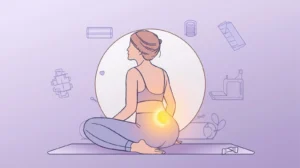
- Lower back pain: Weak core muscles and prolonged poor posture are major contributors. Posture correction strategies and lumbar support reduce spinal stress.
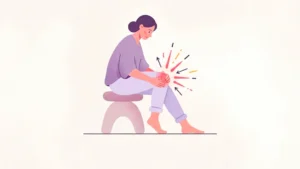
- Knee pain: Loss of muscle strength around the knees and reduced joint lubrication increase discomfort, especially during walking or stair climbing. Using a Knee Support during activity can improve stability and reduce joint strain.
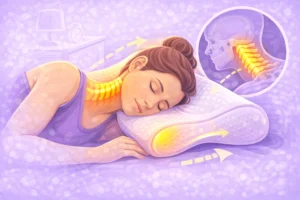
- Neck and shoulder pain: Forward-head posture and weak upper-back muscles increase tension. A Posture Corrector can help retrain alignment while strengthening exercises build long-term support.
- Hip stiffness: Reduced mobility and inactivity limit hip range of motion, affecting gait and balance.
Targeted exercises for joint pain combined with supportive tools help reduce stress on these vulnerable areas.
How Supportive Products Enhance Musculoskeletal Fitness
Fitness alone is powerful, but combining it with ergonomic support improves outcomes, especially for aging bodies.
- A Lumbar Support Cushion maintains neutral spine alignment during sitting, supporting posture and chronic pain management.
- A Posture Corrector serves as a gentle reminder to engage postural muscles, reducing slouching and upper-back strain.
- A Knee Support provides compression and joint stability during walking, workouts, or rehabilitation, supporting balance training for seniors.
These tools do not replace exercise but complement it, especially during long hours of sitting, standing, or recovery from joint discomfort.
Top Fitness Tips to Build Your Musculoskeletal Reserves
1. Strength Training for Muscle and Bone Density
Muscle mass tends to decline by about 3–8% per decade after the age of 30 and accelerates further after 60 (NIH, 2020). Strength training is crucial not only for increasing muscle mass but also for improving bone density and supporting joints.
Action Steps:
- Perform resistance training at least 2–3 times per week.
- Use body weight, resistance bands, or free weights.
- Target all major muscle groups.
Evidence: Strength training reduces the risk of osteoporosis and age-related muscle loss (NIH, 2020; WHO, 2019).
2. Focus on Flexibility and Mobility
Flexibility exercises lengthen tight muscles, improve range of motion, and relieve stiffness — especially in the neck, shoulders, hips, and lower back.
Action Steps:
- Stretch daily, holding each stretch for 30 seconds.
- Include dynamic stretching before exercise and static stretching after.
- Practice yoga or tai chi for a holistic approach.
Evidence: Flexibility training helps reduce the risk of injuries and improves daily functional movements (American Physical Therapy Association, 2020).
3. Improve Your Posture
Poor posture is a major contributor to chronic pain, especially in the back and neck. It places undue stress on your spine and joints (Cleveland Clinic, 2021).
Action Steps:
- Keep screens at eye level and shoulders relaxed.
- Use lumbar support when sitting.
- Take movement breaks every 30–60 minutes if you sit for long periods.
Evidence: Proper posture improves spinal alignment and reduces musculoskeletal stress (American Chiropractic Association, n.d.).
4. Engage in Low-Impact Cardiovascular Exercise
Cardiovascular activities improve blood flow, reduce inflammation, and boost endurance. Low-impact options are especially beneficial for individuals with joint pain.
Action Steps:
- Walk briskly, swim, or cycle for at least 150 minutes per week (CDC, 2021).
- Consider aqua aerobics or elliptical training if you have joint sensitivity.
Evidence: Regular aerobic activity reduces pain sensitivity and improves long-term joint function (WHO, 2020).
5. Strengthen Your Core Muscles
The core includes muscles in your abdomen, lower back, and pelvis. A strong core supports balance, posture, and spinal stability, making it essential for preventing back pain.
Action Steps:
- Add planks, bird-dogs, and pelvic tilts to your routine.
- Train core muscles 3–4 times per week.
- Focus on slow, controlled movements to engage deep stabilizers.
Evidence: Core training significantly reduces the risk of chronic low back pain (National Institute of Neurological Disorders and Stroke, 2020).
6. Add Balance and Coordination Work
Falls are a major concern for older adults, often resulting in fractures or long-term disability. Balance exercises help prevent falls and strengthen stabilizing muscles.
Action Steps:
- Practice single-leg stands and heel-to-toe walking.
- Try tai chi or use balance boards.
- Incorporate balance exercises 3–4 times per week.
Evidence: Improved balance reduces fall risk and enhances musculoskeletal responsiveness (WHO, 2019).
7. Stay Active Throughout the Day
Prolonged inactivity weakens the muscles and tightens the joints. Regular movement counters stiffness and keeps muscles functional.
Action Steps:
- Break up sedentary time with walking or stretching every 30 minutes.
- Take the stairs, walk during calls, or use a standing desk.
- Set reminders to move throughout the day.
Evidence: Inactivity contributes to musculoskeletal disorders and chronic diseases (WHO, 2020).
8. Use Proper Body Mechanics When Lifting
Incorrect lifting techniques can strain the lower back and cause acute or long-term pain.
Action Steps:
- Lift using your legs, not your back.
- Keep the load close to your body and avoid twisting.
- Don’t lift objects that are too heavy — ask for help.
Evidence: Proper lifting techniques reduce the risk of musculoskeletal injuries (Canadian Centre for Occupational Health and Safety, 2020).
9. Don’t Skip Warm-Ups and Cool-Downs
Warming up prepares muscles for work, while cooling down helps with recovery and flexibility.
Action Steps:
- Warm-up with dynamic movements for 5–10 minutes.
- Cool down with stretching and deep breathing after workouts.
Evidence: Warm-ups improve performance and reduce injury risk (Harvard Health Publishing, 2019).
10. Prioritize Rest and Recovery
Muscle recovery is essential for repair, adaptation, and growth. Overtraining or insufficient rest increases the risk of inflammation and injury.
Action Steps:
- Get 7–9 hours of quality sleep each night.
- Incorporate rest days into your fitness program.
- Use massage, foam rolling, or heat therapy to support recovery.
Evidence: Recovery optimizes performance and prevents overuse injuries (Mayo Clinic, 2021).
Nutrition Tips to Support Your Musculoskeletal System
Your diet plays a significant role in preventing inflammation and supporting muscle and bone health.
Key Nutrients:
- Calcium and Vitamin D: Crucial for bone density (found in dairy, leafy greens, and sunlight exposure).
- Protein: Supports muscle repair (found in lean meats, legumes, and eggs).
- Omega-3 fatty acids: Reduce inflammation (found in fish and flaxseeds).
Hydration also affects joint lubrication and muscle function — aim for 8+ glasses of water per day.
Tailored Fitness Goals by Age
In Your 30s and 40s:
- Focus on building muscle and establishing a consistent workout routine.
- Correct postural imbalances early.
In Your 50s and 60s:
- Add more flexibility, core, and balance training.
- Address existing pain and mobility issues with professional help.
In Your 70s and Beyond:
- Maintain joint range of motion and muscle mass with gentle strength training.
- Emphasize balance, posture, and daily movement.
When to Seek Professional Guidance
Consult a physical therapist, orthopedic specialist, or certified trainer if you:
- Experience chronic pain or limited range of motion.
- Have had previous surgeries or injuries.
- Are new to exercise and want a safe, customized program.
Conclusion
Building and maintaining musculoskeletal health is one of the best investments you can make for your future. By adopting a well-rounded fitness routine focused on strength, flexibility, balance, and posture, you can reduce chronic pain, avoid injuries, and stay active well into your later years.
It’s never too early—or too late—to take control of your musculoskeletal wellness.
Frequently Asked Questions (FAQs)
What exercises help reduce age-related joint pain?
Low-impact strength training, flexibility exercises, and mobility work are most effective. Squats, resistance band exercises, gentle yoga, swimming, and walking improve joint support while minimizing strain. These exercises support musculoskeletal health aging and pain prevention.
At what age should you start strength training for longevity?
Strength training should ideally begin in your 30s, but it is beneficial at any age. Research shows that even adults in their 60s, 70s, and beyond gain strength, mobility, and pain relief with properly designed programs.
Can fitness reverse musculoskeletal pain?
While fitness may not eliminate all pain, it can significantly reduce chronic musculoskeletal pain by improving strength, posture, balance, and joint function. Many people experience better mobility and reduced reliance on pain medication with consistent training.
How often should older adults exercise for pain relief?
Older adults should aim for:
- Strength training: 2–3 times per week
- Mobility and flexibility: Daily
- Balance training: 3–4 times per week
- Aerobic activity: 150 minutes per week
Consistency matters more than intensity for long-term pain relief.
Is strength training safe with joint pain?
Yes, when done correctly. Strength training for older adults should focus on controlled movements, proper form, and gradual progression. Supportive tools like knee supports and posture aids can further enhance safety and comfort.
References
American Chiropractic Association. (n.d.). Posture and back health. https://www.acatoday.org/Patients/Health-Wellness-Information/Posture
American Physical Therapy Association. (2020). Posture and movement. https://www.choosept.com/guide/physical-therapy-guide-posture
Canadian Centre for Occupational Health and Safety. (2020). Safe lifting practices. https://www.ccohs.ca/oshanswers/ergonomics/liftingsafely.html
Centers for Disease Control and Prevention. (2021). How much physical activity do adults need? https://www.cdc.gov/physicalactivity/basics/adults/index.htm
Cleveland Clinic. (2021). Poor posture: How it affects your health. https://health.clevelandclinic.org/the-dangers-of-poor-posture
Harvard Health Publishing. (2019). Why good posture matters. Harvard Medical School. https://www.health.harvard.edu/pain/why-good-posture-matters
Mayo Clinic. (2021). Preventing back pain. https://www.mayoclinic.org/diseases-conditions/back-pain/in-depth/back-pain/art-20044507
Mayo Clinic. (2021). Office ergonomics: Your how-to guide. https://www.mayoclinic.org/healthy-lifestyle/adult-health/in-depth/office-ergonomics/art-20046169
National Institute of Neurological Disorders and Stroke. (2020). Low back pain fact sheet. https://www.ninds.nih.gov/Disorders/Patient-Caregiver-Education/Fact-Sheets/Low-Back-Pain-Fact-Sheet
National Institutes of Health. (2020). Posture and musculoskeletal health. https://www.ninds.nih.gov/Disorders/All-Disorders/Back-Pain-Information-Page
National Institute of Arthritis and Musculoskeletal and Skin Diseases. (2020). Joint pain. https://www.niams.nih.gov/health-topics/joint-pain
Vos, T., et al. (2020). Global burden of 369 diseases and injuries in 204 countries and territories, 1990–2019: A systematic analysis for the Global Burden of Disease Study 2019. The Lancet. https://www.ncbi.nlm.nih.gov/pmc/articles/PMC7151183/
World Health Organization. (2019). Musculoskeletal conditions. https://www.who.int/news-room/fact-sheets/detail/musculoskeletal-conditions
World Health Organization. (2020). Physical activity. https://www.who.int/news-room/fact-sheets/detail/physical-activity
World Health Organization. (2020). Physical inactivity: A global public health problem. https://www.who.int/dietphysicalactivity/factsheet_inactivity/en/