






Let’s be honest, nothing makes you feel older than when your knees crack louder than your morning cereal. You bend down to tie your shoes and suddenly, your knees give that little pop as if reminding you they’ve been around for a while.
For some, knee pain sneaks in like an uninvited guest after a long hike. For others, it’s been a quiet background hum after years of sitting at a desk or skipping leg day. Whatever the case, one day you realize that simple things like climbing stairs, squatting, or even sitting cross-legged just don’t feel as easy anymore.
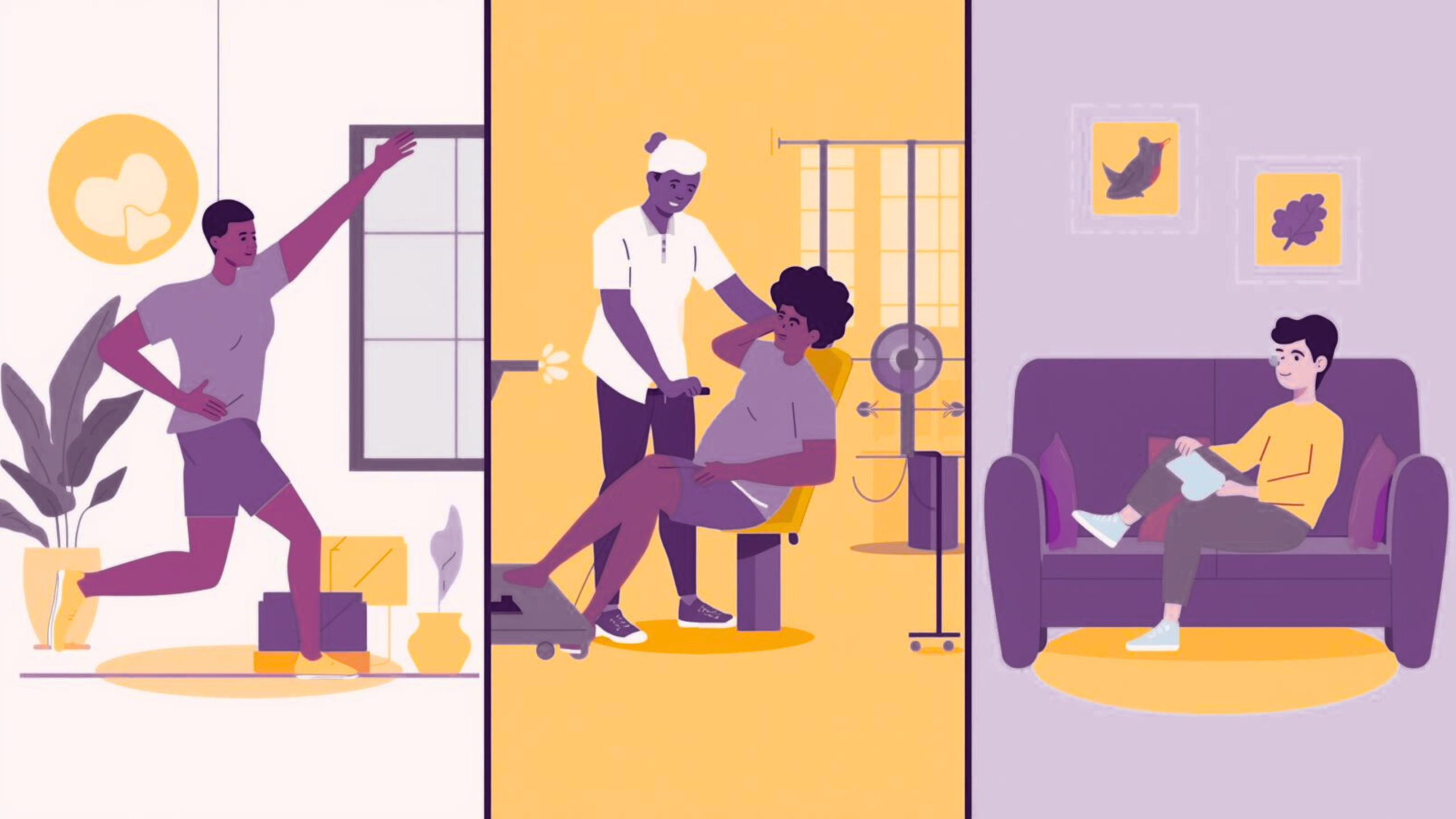
So, what’s the fix? Should you rest it out, start a knee pain exercise routine, or book a physiotherapy session? The internet throws around all three like confetti, but if you’ve ever tried them, you know it’s not that simple. Rest feels good,until stiffness sets in. Exercise helps, until it hurts. Physiotherapy works, until your wallet starts crying.
In this article, we’ll decode the real science (and common sense) behind what actually works best. From knee pain recovery tips you can try today to how physiotherapy compares to DIY movement plans, you’ll learn how to strike the perfect balance between rest, repair, and resilience. So, grab your comfiest chair though if you want, stand up for this one and let’s find out what your knees have really been trying to tell you.
The Real Reason Your Knees Hurt (and It’s Not Always Age or Just Bad Luck)
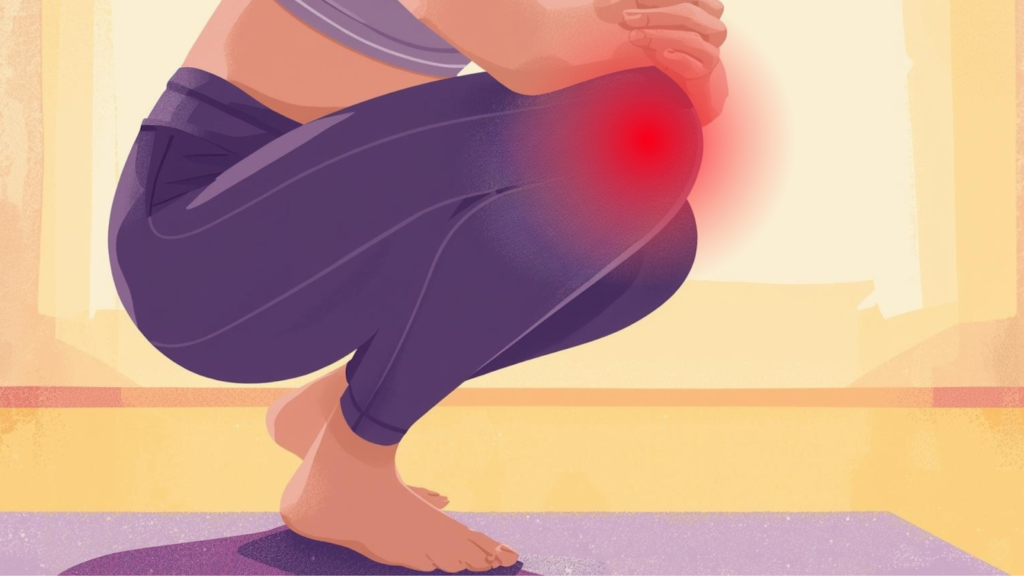
Knee pain isn’t always about getting older (though that can play a part). In fact, modern lifestyle choices, hello desk jobs, long drives, physical sports, play a major role. Sitting too long weakens the muscles that support the knee, especially the quads and glutes. When you finally stand, your knees go: “Wait-what now?”
Likewise, overuse (running, heavy lifting without prep) also sets the stage for joint irritation or inflammation. So often the issue isn’t purely “wear and tear” but a combination of weak support muscles, poor movement patterns, and imbalances. These factors can lead to stiffness, misalignment, and pain.
Here’s why this matters: Because each of the three approaches exercise, physiotherapy, and rest addresses different aspects of that root cause. A smart knee pain exercise routine strengthens what’s weak. A good physiotherapist identifies movement patterns and misalignment. And rest gives your system a chance to calm inflammation. Knowing which tool to use and when is half the battle.
Exercise vs. Physiotherapy for Knee Pain: What’s the Real Difference?
Why Exercise Alone Isn’t a Magic Fix? (But Still Powerful)
Let’s start with what many people try first: DIY movement. A structured exercise program focused on the knee, buttressed by surrounding muscles, is one of the most recommended non-surgical solutions for knee pain. For example, a Cochrane review found that exercise may result in slight improvements in pain and function for people with knee osteoarthritis. [1]
Safe exercises for knee pain sufferers might include mini squats, glute bridges, resistance-band knee extensions, hamstring curls, and straight-leg raises. These target muscle strength, joint stability, and neuromuscular control. The key phrase? knee strengthening exercises at home.
But exercise alone has limits. The review above also noted that the benefits were of uncertain clinical importance, meaning in some cases the changes may not feel dramatic and if the movement pattern is flawed, doing more of the same can reinforce bad mechanics. [2]
When Physiotherapy Becomes Your Knee’s Best Friend
Enter physiotherapy: tailored, guided, and corrective. In a recent randomized controlled trial of patients with chronic knee pain, an active physiotherapy program (which included pain neuroscience education, manual mobilization, active myofascial release, and structured exercise) improved outcomes more than conventional therapy over 12 months. [3]
In other words, exercise vs physiotherapy for knee pain isn’t a fair fight; they often work best together, with physio providing the blueprint and exercise being the execution. A physio assesses your alignment, gait, muscle activation, and range of motion and prescribes a plan. It’s like having your own detective. It’s especially helpful if you’ve had persistent pain, recurring issues, or underlying structural concerns.
Here’s a mini comparison table:
| Approach | Strengths | Limitations |
| DIY Exercise | Accessible, builds strength, low cost | May have misalignment/correct mechanics |
| Physiotherapy and Exercise | Customized, addresses root cause | Requires time, cost, and patient commitment |
So if you try a solid knee-pain exercise routine and you’re not seeing progress, or you’re unsure about how to perform movements correctly, physiotherapy can help you refine it.
Rest or Movement for Knee Pain? – The Answer You Didn’t Expect
You may have heard the old adage: “Oh, just rest it, everything will be fine.” But reality is more nuanced. In many cases, complete rest can delay healing. Why? Because our joints get stiff, muscles atrophy, circulation reduces, and mobility decreases, which is not exactly the recipe for a pain-free return.
On the flip side, too aggressive movement can aggravate inflammation or overload a vulnerable joint. So the better approach tends to be active rest: gentle movement, short mobility sessions, low-impact activity (like walking, swimming, cycling), and mobility exercises. You might say: “Rest-but-move”.[4]
Thus, the phrase rest or movement for knee pain isn’t a question of one vs the other, it’s about which type and when. For example, in the early phase of acute knee flare-up you might reduce high-load activity, but maintain gentle motion and actively stretch. Overdoing rest can lead to poor outcomes: you’ll emerge with stiffer joints and weaker muscles, making the next phase harder.
So, when your knee gives you a protest, think of it like this: your knee doesn’t want a vacation; it wants a staycation with light activity. Small doses of gentle movement help lubricate the joint, promote circulation, and maintain muscle tone. It lets you heal while staying mobile.
How to Heal Knee Pain Faster Without Overdoing It?
Now we’re getting to the strategy part: how to heal knee pain faster while avoiding the trap of “too much, too soon.” Speed of recovery doesn’t mean intensity; it means smart progression.
Pacing & Consistency
- Start with gentle mobility and strength moves, maybe 10-15 minutes daily, focusing on quality rather than volume.
- Increase gradually the load, duration, and complexity so you don’t shock your system.
- Consistency beats occasional high-intensity bursts. One study affirms that exercising more regularly is more effective than one big session every few days. [5]
Supportive Recovery Tools
- Use heat or ice to manage pain/inflammation (ice for acute flare, heat for stiffness).
- Foam rolling or myofascial release to reduce muscle tightness around the joint.
- Compression and elevation after heavy activity to keep swelling down.
- Prioritise sleep, hydration, good nutrition, your knee’s support crew.
Improve Movement Quality
- Check posture, movement patterns, and footwear: if your hips or ankles are weak, your knee may compensate. Experts emphasise whole-body strength, not just the knee alone.
- Use exercises focusing on neuromuscular control and stability, not just brute strength. For example, balance drills, single-leg stances, lateral stepping.
Footwear & Environment
- Make sure your shoes are supportive and appropriate for your activity.
- Avoid hard floors where unneeded shock loads the knee; use mats or cushioned surfaces if doing home workouts.
When you combine these elements, you create a recovery program that’s not just about resting, it’s about smart restoration.
Best Recovery Methods for Sore Knees (Tried, Tested & Trusted)
Here’s a toolbox of tried methods that reflect what current studies call knee pain management strategies the kind of habits that compound over time and help those knees feel and be stronger.
Strength + Mobility Mix
- Focus on safe workouts for knee pain sufferers: glute bridges, mini-squats, straight-leg raises, hamstring curls, calf raises.
- Incorporate flexibility movements: hamstring stretches, calf stretches, IT band relief, and hip flexor release.
- Add neuromuscular training: single-leg balance, side-stepping, and step-downs.
Low-Impact Aerobic & Joint-Friendly Movement
Research shows that aerobic activity (walking, cycling, swimming) improves mobility and pain outcomes for knee osteoarthritis. [6]
So a weekly goal of 150 minutes of moderate activity (but adapted for pain and mobility) is a solid guideline.
Nutrition & Weight
- If you carry extra body weight, you increase the load on your knees. Losing even 5–10 % of body weight can meaningfully reduce pain and improve function for knee osteoarthritis.
- Also focus on anti-inflammatory foods (omega-3-rich fish, nuts), plenty of protein (for muscle support) and hydration.
Lifestyle Adjustments
- Avoid prolonged static sitting: stand up every 30–60 minutes and stretch hips and quads.
- Use ergonomic chairs and sit with knees at ~90°, along with the lumbar support to keep your posture aligned.
- For long drives, use pillows or cushions to support posture; take breaks every hour and move around.
Psychological & Behavioural Elements
Pain is influenced by how we think about it. Fear of movement (known as kinesiophobia) can prolong recovery. [7]
Educating yourself about pain, movement, and expectations helps you stay active and avoid giving in to fear.
In short: recovery isn’t a break, it’s part of the workout.
The Science-Backed Combo for Stronger Joints and Faster Recovery
Here’s where we connect the dots. When you look at the research, the biggest wins come not from relying on one tool alone but from combining them.
Evidence for Combined Approaches
- A recent RCT in chronic knee pain compared an active physiotherapy program (education + manual therapy + structured exercise) vs conventional physiotherapy. The active group achieved significantly better improvements in pain and function at 12 months. [8]
- As per the Cochrane review of exercise therapy for knee osteoarthritis: While the benefit size is modest, the additive effect of exercise plus another intervention (like physiotherapy) was better than the other treatment alone. [9]
This suggests that exercise + physiotherapy + smart rest/movement = best practice. That’s truly an effective treatment for knee pain.
How to Think of It?
- Rest (active rest) to calm down flare-ups and protect the joint.
- Exercise (progressive, safe) to build strength, mobility, and joint resilience.
- Physiotherapy (or professional input) to correct alignment, movement patterns, and tailor the plan.
- Lifestyle/rehab habits to sustain improvements.
Your knees don’t need sides; they need a team.
Knee Pain Recovery Tips You Can Start Today
Here’s your ready-to-go checklist of knee pain recovery tips you can put into action:
- Set a daily mobility/strength habit: 10 minutes morning or evening focusing on glute bridges, mini squats (pain-free range), and knee extensions with a resistance band.
- Stand up every 30–60 minutes if sitting for a long time: walk, stretch, and rotate hips.
- Choose a low-impact aerobic activity: brisk walk, cycle, or swim target ~150 minutes/week (can be split).
- Check your footwear and sitting posture: supportive shoes, ergonomic chair, neutral knee alignment.
- Include glute/hip strengthening in addition to knee exercises, strong hips help your knees.
- Monitor pain: Mild soreness is okay; sharp pain >3/10 lasting >2 h after a workout means scale back.
- Use recovery tools: ice if swelling, heat if stiff, and foam rolling for tight muscles.
- Educate yourself: movement is your friend, not the enemy; reducing fear leads to better outcomes.
- Try a physiotherapy session if you’ve had pain for more than 3 months, recurring issues, or unclear exercise form.
- Stay consistent: better results come from regular small doses than sporadic “mega-workouts.”
Your knees might grumble at first, but with the right care they’ll soon stop complaining and maybe even start humming (in a good way).
Final Thoughts: So, Which One Wins?
Short version: It’s not “one wins”; it’s “which wins when.”
- Rest (active rest) is useful when pain is acute or a flare-up is strong, calming inflammation and protecting the joint.
- Knee pain exercise builds the strength, mobility, and muscle support your knees crave and is foundational.
- Physiotherapy serves as the guide and architect; if your knee has recurring issues, poor alignment, or hasn’t improved, this is your strategic move.
Think of it like caring for a garden: rest gives it a break, exercise plants the seeds and waters the soil, and physiotherapy is the gardener who prunes, adjusts the soil, and ensures proper sunlight.
In the end: treat your knees like VIP guests, give them comfort, guidance, movement… not excuses. Let them work with you, not against you. With the right combo, you’ll feel better, move better, and maybe even forget that bubble-wrap pop when you stand up.
Explore More Health & Wellness Solutions:
Want to stay informed about wellness and everyday health issues? Here are some insightful reads to guide you. Explore the links below for practical tips and solutions:
- How to Prevent Knee Injuries: Proven Tips, and Lifestyle Strategies for Stronger Joints
- How Can Knee Cap Support Help Prevent Injury and Reduce Pain While Running
- The Real Benefits of Knee Compression Sleeves
Frequently Asked Questions:
1. Which works better for knee pain or exercise or physiotherapy?
Knee pain exercises help build strength, while physiotherapy offers personalized recovery. Combining both often gives the best and fastest results.
2. Should I rest or move when my knees hurt?
Short rest helps during flare-ups, but too much can stiffen your knees. Gentle movement usually promotes faster recovery.
3. How long does it take for knee pain to improve with exercise?
Most people feel better within 4–6 weeks of consistent knee pain exercises, depending on severity and regularity.
4. What are the best safe workouts for knee pain sufferers?
Low-impact moves like leg raises, cycling, glute bridges, and swimming are safe and joint-friendly.
5. Can physiotherapy completely cure knee pain?
Physiotherapy can reduce pain and improve mobility, especially when paired with daily strengthening and proper posture habits.
References
- Skou, S. T., Roos, E. M. (2018), Journal of Orthopaedic & Sports Physical Therapy, 48(8), 643-654 Physical Activity and Exercise Therapy Benefit More Than Excessive Rest for Knee & Hip Osteoarthritis.
- Allen, K. D., et al. (2018). Physical therapy vs. Internet‐based exercise training for knee osteoarthritis: A randomized trial. PMC.https://pmc.ncbi.nlm.nih.gov/articles/PMC6021028/?
- Cui, X., Zhao, P., Guo, X., Wang, J., Han, T., Zhang, X., Zhou, X., Yan, Q. (2024). A 12-month randomized controlled trial follow-up. Frontiers in Physiology. Effectiveness of multimodal active physiotherapy for chronic knee pain:
- Carley Brissette, Curovate, (2021), Benefits of active recovery: Resting recovery vs. active recovery.
- Ellen O’Brian, GQ, (2024), The best way to keep your knees healthy is to use them.
- Liu, H., et al. (2025). European Journal of Medical Research,Knee osteoarthritis rehabilitation: An integrated framework of non‐pharmacological interventions.
- Kinesiophobia. (2025), In Basic Musculoskeletal Rehabilitation Literature. [General reference]. Retrieved from https://en.wikipedia.org/wiki/Kinesiophobia?
- Cui, X., Zhao, P., Guo, X., Wang, J., Han, T., Zhang, X., Zhou, X., Yan, Q. (2024). A 12-month randomized controlled trial follow-up. Frontiers in Physiology. Effectiveness of multimodal active physiotherapy for chronic knee pain:
- Joint Pain, Exercise, and Quality of Life Review. (2024). Cochrane Database of Systematic Reviews: “Is exercise an effective therapy to treat knee osteoarthritis?”