





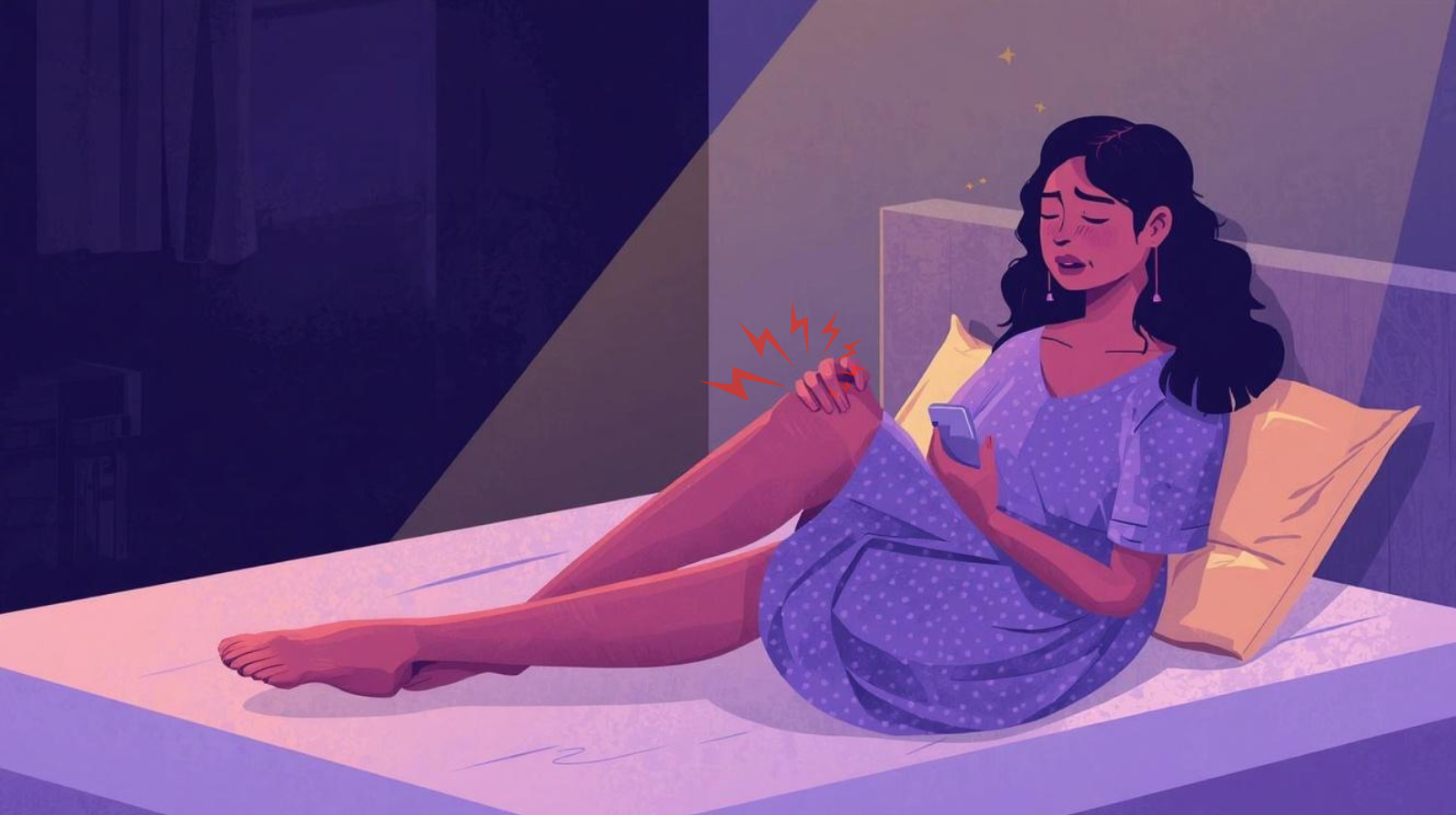
Nothing frustrates sleeping better than your calf muscle deciding it’s time for an unsolicited midnight workout. Muscle cramp on leg at night (those sudden, hard, tightening of the muscle) interrupt sleep with an evil body insult. One ends up crawling on the floor, searching for relief and wondering if his/her leg is possessed by some evil spirit. This complete guide provides science-backed research on preventative measures ranging from simple stretching to eating pattern changes so that you can take back your sleep without the inconvenience, the hopping, or 3 am emergencies of pickle jars.
We all have experienced that moment when you are out like a light, dreaming of sunny beaches, and your calf suddenly screams out of pain. It’s time to stop this horror with practical, reliable, and life-compatible solutions.
Understanding Nighttime Leg Muscle Cramps
What causes muscle cramp on the leg at night (electrolytes, circulation, dehydration)?
Muscle cramp on leg loves ambushing you at night because when you’re horizontal, your calf muscles naturally shorten; especially if your toes point downward in sleep, a position called plantar flexion that puts those poor fibers on high alert. Dehydration is also a very significant culprit. It does that by thickening the blood, thus, muscles get oxygen and nutrients just when they are already overworked [1]. The hypoelectrolytes condition is the villain in the story; low potassium level causes electrical signals for muscle contraction and relaxation to be disrupted, lack of magnesium makes nerves more sensitive and unable to calm down, calcium being imbalanced causes the muscle contraction to be uncoordinated thus it feels like the leg is doing the cha-cha without letting you know. Poor circulation caused by tight sheets, legs crossing or even a lumpy mattress position worsens the condition by limiting blood flow in the calves.
Nerve hyperexcitability from daytime overuse, like too much standing or sudden exercise bursts, sets the stage for nighttime rebellion. The good news? Understanding these triggers is the first step to kicking them to the curb.
Common risk factors (age, medications, medical conditions)
Foot and leg cramps don’t happen spontaneously. Everyday factors can heighten your risk over time, particularly if muscles are overworked, dehydrated or deprived of key nutrients.
Age-Related Muscle Changes
After age 50, muscles and tendons typically lose flexibility. Bunched up tendons that are less elastic at the muscle level mean that calves and feet can more easily go into spasming, especially when asleep.
Certain Medications
Certain medications also can increase the risk of cramps. Diuretics, for instance, could deplete potassium and magnesium, while statins might decrease an important nutrient (coenzyme Q10) necessary for muscle energy. Asthma inhalers and beta-blockers are also known to influence circulation or hydration.
Pregnancy
Hormonal shifts, extra body weight and compression on nerves during pregnancy are some of the reasons for frequent leg and foot cramps. Impaired circulation and mineral imbalances are other contributors.
Underlying Medical Conditions
Medical conditions including thyroid disorders, peripheral artery disease, kidney disease or nerve compression may elevate the risk of recurrent cramps by affecting circulation or electrolyte balance.
Sedentary Lifestyle
Long hours of sitting can lead to tight muscles and limited blood circulation. When suddenly engaged, inactive calf and foot muscles are more prone to cramping.
Intense Physical Activity
Heavy workouts or running are great, but if you skip recovery they can overdo it and leave them more susceptible to spasms.
Electrolyte Imbalances
Imbalances of potassium, magnesium or sodium can interfere with normal muscle contractions, making painful cramps more likely.
Key takeaway:
In fact, foot cramps are usually caused by a variety of factors. Being able to identify these risk factors early can enable you to start making lifestyle and nutrition changes to potentially prevent further muscle spasms from occurring.
Difference between nocturnal cramps and daytime muscle fatigue
Daytime muscle fatigue? That’s earned from marathons, high heels, or chasing toddlers; it’s a tired worker clocking out, easing with rest and a good stretch. Nocturnal muscle cramp on leg, however, is a sneaky hyperexcitability ambush in your most relaxed state; no warmup, full betrayal from nerves that suddenly decide bedtime is jazzercise hour. Day cramps fade predictably; night ones jolt you bolt upright, stealing precious deep sleep cycles and leaving you groggy. One’s like overtime pay you knew was coming; the other’s a sleeper agent sabotaging your REM dreams of flying or eating endless pizza. Daytime soreness is diffuse and achy; nocturnal strikes are sharp, localized lightning bolts that demand immediate action. Recognizing this difference helps you target prevention; daytime calls for recovery, nighttime demands preemptive strikes against nerve glitches and positioning pitfalls.
The Science of Muscle Cramp on Leg and Sleep Disruption
How leg cramps interrupt sleep cycles and recovery?
One brutal muscle cramp on leg catapults you from restorative stage 3 bliss to full pain-panic in seconds, flooding your system with cortisol (stress hormone extraordinaire) and wrecking the growth hormone release essential for overnight muscle repair and tissue healing. Chronic interrupters face a vicious daytime hangover: brain fog that makes coffee futile, irritability sharper than the cramp itself, weakened immunity from fragmented rest; like sleep debt with a hobbling sidekick. Studies show frequent cramp sufferers lose 30+ minutes of sleep per episode, snowballing into chronic fatigue that rivals mild sleep apnea in its productivity-killing power [3]. Imagine trying to function after your body pulled an all-nighter fighting itself – no wonder concentration tanks and moods swing. The disruption compounds: poor sleep tightens muscles further, priming tomorrow’s spasm. Breaking this cycle isn’t just nice; it’s necessary for reclaiming your days.
Role of muscle fatigue, nerve signals, and mineral imbalances
Daytime overwork fatigues your calves, shortening them subtly; nighttime plantar flexion (toes pointed down) cranks that tension to eleven until nerves freak out with hyperexcitable bursts. Electromyography (EMG) studies capture these high-frequency discharges – like your calves sending nonstop “SOS!” texts to your brain at 150Hz, refusing to chill. Minerals are the moderators: magnesium acts as a natural nerve calmer, gating calcium channels to prevent over-contraction; low levels leave everything twitchy. Potassium maintains the electrical gradients for smooth contraction-relaxation cycles [4]; dips trigger chaos like a short-circuited robot dance. Calcium sparks the contraction but needs balance to stop it; imbalance means locked-in limbo. “Minerals missing, muscles throwing fits”; it’s biochemistry bedtime bullying, but fixable with smart tweaks.
Research on prevalence and impact on daily functioning
Up to 60% of adults experience nocturnal muscle cramp on leg at some point, spiking to 40-60% after age 50 as tendons shorten and activity drops. Sufferers report chronic insomnia, heightened anxiety from sleep dread, and slashed work focus; quality of life tanks harder than a bad stock pick. One large study found crampers lose 1-2 hours of sleep weekly, mirroring mild sleep apnea’s cognitive drag with added physical misery [5]. Prevalence surges in pregnancy (40%), dialysis patients (50%), and athletes pushing limits without recovery. Impact? 20% productivity drop, mood volatility, even depression links from unrelenting fatigue. Not just “annoying old age quirk”; it’s a disruptor demanding respect and remedy, backed by trials showing prevention halves episodes and restores vigor.
Immediate Relief Techniques When Muscle Cramp on Leg Strikes
Quick stretches and positions to stop cramps instantly
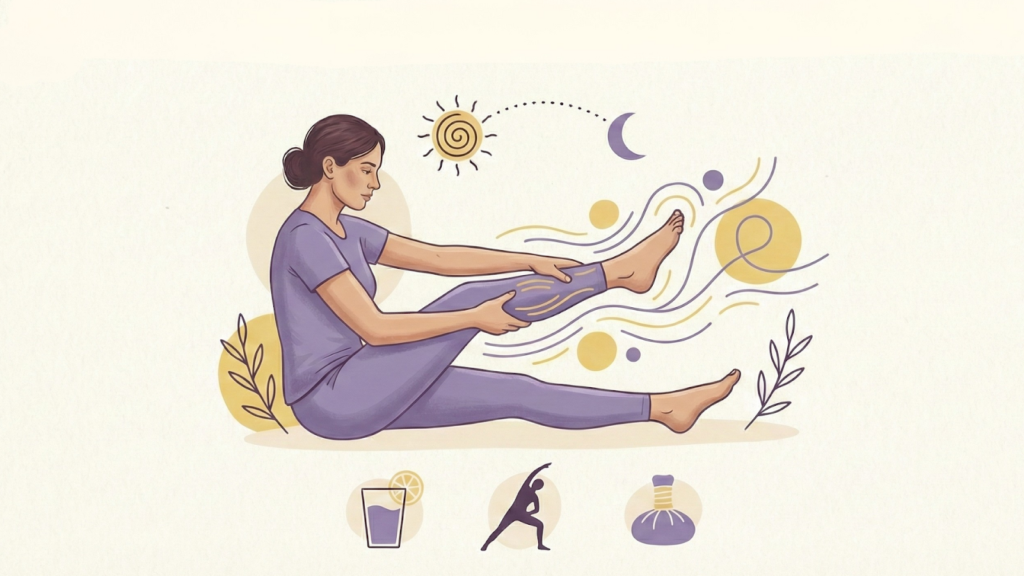
Calf screaming bloody murder? Swing those legs off the bed, plant feet flat on the floor, and lean into a wall stretch with heels glued down; hold 30-60 seconds till the vise grip unclenches its evil hold. Can’t stand it? Seated towel stretch: loop a towel around your toes, gently pull toward shin while keeping your knee straight. Walk it off slowly on cold floors; no frantic hopping like a caffeinated kangaroo risking a faceplant. Pro tip: reciprocal inhibition magic; flex your quads hard to force calves to relax via neural wiring. Works 80% of the time per physio anecdotes and patient reports; practice daytime so 3AM muscle memory kicks in. Bonus: deep breaths prevent panic tightening.
Massage and hydration hacks during the night
Kneading the cramp spot firmly but lovingly upward toward the knee boosts blood flow, evicts trapped lactic acid rebels, and signals nerves to stand down. Keep bedside pickle juice (that acetic acid tricks nerves into spasm-quitting fast) or dissolve an electrolyte tab in water; vinegar shots work similarly for quick reflex halt. Bedside banana half? Instant potassium pitstop. Post-relief, sip slowly; gulping risks bathroom roulette ruining your reset. These hacks turn “agony hour” into “five-minute fix,” letting you flop back to sleep instead of stewing.
When to use heat vs. cold for nighttime relief?
Heat post-cramp is your bestie – a warm towel, microwaved sock filled with rice, or hot water bottle relaxes the spasm and boosts circulation. Mid-cramp cold? Hard pass – it constricts vessels, worsening the stranglehold. Morning soreness lingering? Ice 10 minutes then heat 20 for inflammation swap. “Heat hugs the hurt away, ice judges from afar”; choose wisely at 3AM when every second counts. Alternate therapies like Epsom salt soaks pre-bed prep muscles too.
Daily Prevention Habits to Eliminate Muscle Cramp on Leg
Evening routines for optimal hydration and electrolyte balance
Post-dinner, chug 500ml electrolyte-enhanced water (pinch sea salt, lemon squeeze, or coconut water); replenishes without midnight bathroom marathons. Skip caffeine after noon (diuretic demon in disguise) and alcohol (dehydrator extraordinaire).
Track urine color: pale yellow is gold, dark signals cramp invite [6]. Wind-down ritual: herbal tea sip, light calf roll with foam roller. Consistency turns “maybe tonight” dread into confident snoozing.
Bedtime nutrition (magnesium-rich foods, potassium sources)
Load magnesium MVPs like handful spinach salad, almonds, pumpkin seeds for 300mg evening snack hit. Potassium powerhouses: banana slices on yogurt, baked sweet potato, salmon fillet. Dark chocolate square bonus for flavanols calming nerves. Avoid heavy meals; digestion diverts blood from legs. “Feed your calves kindness before candy canes crash the party.” Time it 2-3 hours pre-bed for absorption peak.
Sleep position adjustments and mattress considerations
Ditch the toes-down ballerina pose; pillow under knees keeps calves neutral, preventing over-shortening. Loose top sheets avoid accidental plantar pull; fitted ones can trap tension. Firm mattress supports arches without sink-spasm sag; add topper if yours is pancake-flat. Side sleepers: pillow between knees aligns hips, reducing calf strain. Experiment: track cramp-free nights per setup.
Targeted Exercises to Prevent Muscle Cramp on Leg at Night
Calf and hamstring stretches for evening wind-down
Wall calf stretch gold standard: heels grounded, lean forward 45 seconds x3 per leg. Seated hamstring forward fold with strap, lengthens posterior chain. Nightly 5-minute ritual primes slack sleep muscles. Hold breaths steady; no bouncing. “Stretch now, sleep wow – your calves will thank you with silence.”
Strengthening exercises for long-term cramp prevention
Step heel drops: stand on stair edge, rise on toes, slow eccentric lower 15 reps x3. Single-leg calf raises on flat ground build endurance. Wall sit calf holds add isometric punch. 10-15 minutes 4x/week fights fatigue at source, turning weak links into steel cables over months.
Balance and proprioception drills for stability
Tandem stance (heel-to-toe line) eyes closed 30s per side. Towel toe scrunches sharpen control. Bosu ball wobbles (or pillow mimic) wake sleepy nerves. “Wobbly feet today mean steady nights tomorrow”; daily 5 minutes pays dividends in spasm-free slumber.
Lifestyle Modifications for Cramp-Free Nights
Exercise timing, footwear choices, and daily movement patterns
Afternoon brisk walks beat evening HIIT; overfatigue brews night revolts. Arch-support shoes daytime prevent flatten-fatigue; rotate pairs, avoid barefoot extremes or sky-high heels. Desk warriors: hourly ankle circles, heel taps keep circulation humming. “Smart moves by day, smooth dreams by night.”
Managing medications and supplements that trigger cramps
Diuretics demand electrolyte counters like salted nuts. Statins? CoQ10 supplement doc chat. B-complex vitamins aid nerve health short-term [7]. Track timing – bedtime doses can peak spasm risk. Pharmacy consult beats guesswork.
Temperature regulation and sleep environment optimization
Cool room at 18°C ideal, breathable cotton sheets ban heat-trapped spasms. Humidifier combats dry-air dehydration thief. Fan on low circulates; heavy blankets? Ditch for breathable quilts. Optimal setup = cramp kryptonite.
Nutrition and Supplementation Strategies
Key minerals (magnesium, potassium, calcium) and food sources
Magnesium 300-400mg target: spinach sauté, almonds trail mix, pumpkin seeds sprinkle. Potassium 4700mg daily: avocado toast, fish dinner, potato skins. Calcium 1000mg: yogurt parfait, leafy greens, fortified almond milk. “Minerals: your calf’s secret superpower against spasms.”
When to consider supplements and proper dosages?
Diet falling short? Magnesium glycinate 200-400mg bedtime (avoid cheap oxide laxative). Blood test baseline rules excesses. Quinine tonic trendy but risky; heart warnings galore. Start low, track 2 weeks; doc for interactions.
Hydration science: timing, volume, and electrolyte drinks
2-3L spread daily; frontload morning/evening peaks. LMNT-style tabs for sweaty souls. Urine pale yellow victory flag; thirst late = cramp bait. Sports drinks are ok occasionally, but homemade lemon-salt is superior.
When Muscle Cramp on Leg Signals Bigger Issues?
Red flags requiring medical attention (frequency, severity, one-sided)
3+ weekly, can’t walk off, one-leg dominance? Red alert blaring. Persistent swelling, bruising, numbness scream “see someone now”; fracture or clot fear.
Underlying conditions (circulatory problems, nerve issues, thyroid)
PAD narrows vessels starving calves; neuropathy misfires signals; hypothyroidism slows metabolism mineral mayhem. Rare dialysis, cirrhosis, ALS mimics too. Don’t self-diagnose doom; docs do.
Diagnostic tests and specialist referrals
Electrolytes/thyroid bloodwork first, Doppler ultrasound flow check, EMG nerve zap test. Physio for rehab, neuro if persistent, vascular for PAD suspects. Early catch = easy fix.
End Note
Building sustainable habits for lifelong cramp prevention
Stack hydration rituals, nightly stretches, mineral meals; your cramp-proof fortress rises brick by habit.
Creating your personalized nighttime leg cramp prevention plan
Log triggers 1 week, test 1 tweak weekly, track wins. Custom cocktail beats copy-paste.
Restful sleep as foundation for pain-free days
No muscle cramp on leg interruptions = energy jackpot, mood lift, life unleashed. Sweet, spasm-free dreams await.
Chronic muscle pain can be a reason for multiple causes. Know how along with effective preventive measures:
Frequently Asked Questions
Shortened calves meet hyperexcitable nerves in rest; spasm party central.
200-400mg glycinate bedtime; blood test/doc first.
Mostly latter; frequent signals check underlying issues.
Yes; lengthens calves, strong anecdotal/science backing.
Weekly+, severe, asymmetric, swelling/weakness tags.
References
- Srivastav, Y., Hameed, A., & Srivastav, A. (2024). Rudimentary Overview: Dehydration (Loss of Body Water) Recognition and Management. International Journal of Alternative and Complementary Medicine, 7-11. DOI https://doi.org/10.46797/ijacm.v5i1.585
- Cohen, S. (2011). Drug Muggers: Which Medications Are Robbing Your Body of Essential Nutrients–and Natural Waysto Restore Them. Rodale Books. https://books.google.com/books?hl=en&lr=&id=cFeWnyoZkXkC&oi=fnd&pg=PR6&dq
- Westwood, A. J., Spector, A. R., & Auerbach, S. H. (2014). CPAP treats muscle cramps in patients with obstructive sleep apnea. Journal of Clinical Sleep Medicine, 10(6), 691-692. https://doi.org/10.5664/jcsm.3806
- Sanders, K. M. (2019). Spontaneous electrical activity and rhythmicity in gastrointestinal smooth muscles. Smooth muscle spontaneous activity: Physiological and pathological modulation, 3-46. https://doi.org/10.1007/978-981-13-5895-1_1
- Bilyukov, R. G., Nikolov, M. S., Pencheva, V. P., Petrova, D. S., Georgiev, O. B., Mondeshki, T. L., & Milanova, V. K. (2018). Cognitive impairment and affective disorders in patients with obstructive sleep apnea syndrome. Frontiers in psychiatry, 9, 357. https://doi.org/10.3389/fpsyt.2018.00357
- Skrajnowska, D., & Bobrowska-Korczak, B. (2024). The Effects of Diet, Dietary Supplements, Drugs and Exercise on Physical, Diagnostic Values of Urine Characteristics. Nutrients, 16(18), 3141. https://doi.org/10.3390/nu16183141