






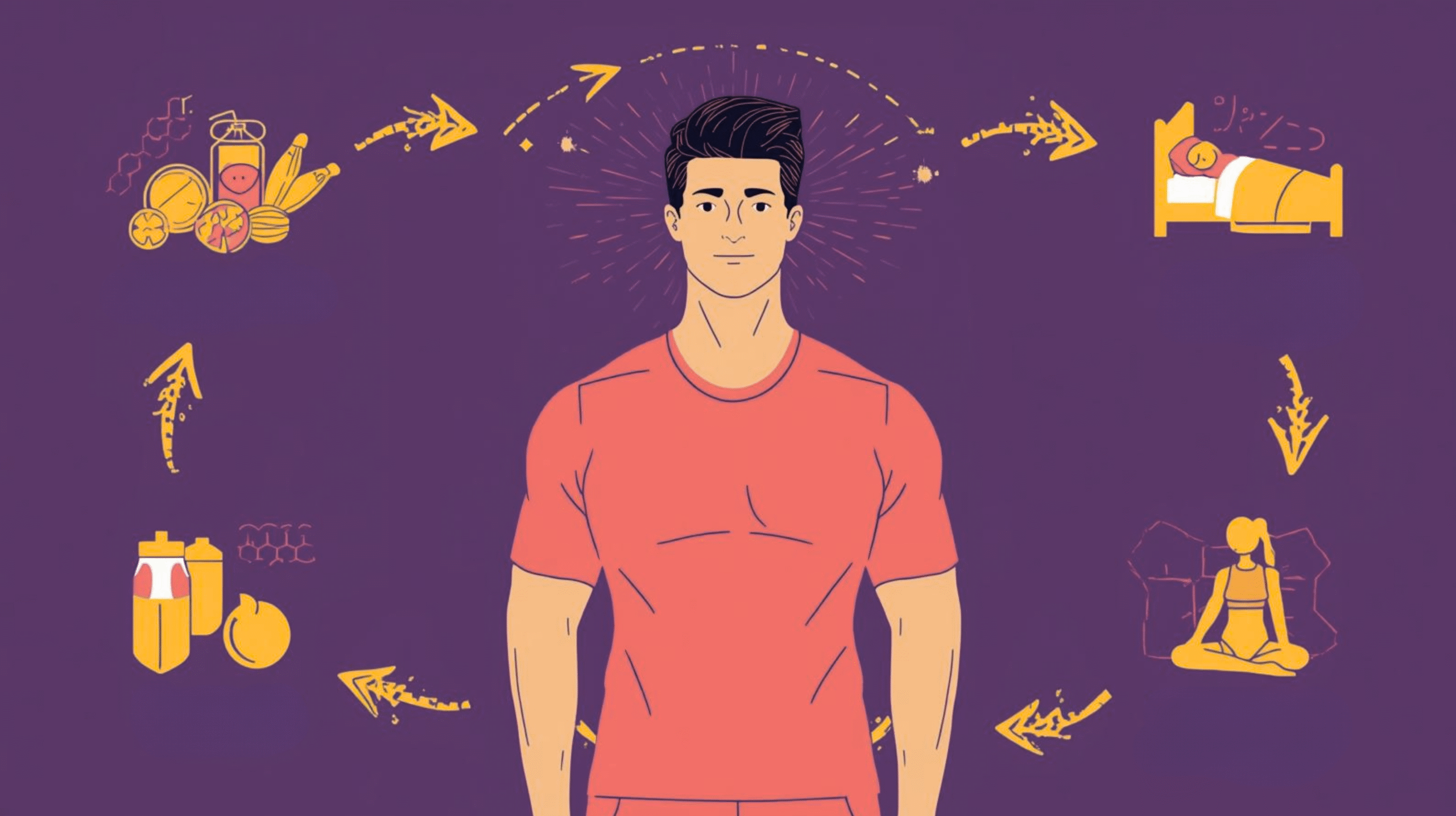
Recovery after exercise is a fundamental yet often underestimated aspect of any fitness or athletic program. While regular physical activity is essential for building strength, improving cardiovascular health, and enhancing metabolic function, it simultaneously places stress on the body. Exercise, particularly resistance training and high-intensity workouts, induces micro-tears in muscle fibers, triggers inflammation, and generates metabolic stress. These physiological responses are a natural part of the adaptation process that leads to muscle growth, endurance improvement, and overall fitness gains. However, without adequate recovery, the benefits of exercise can be compromised. Inadequate rest can result in persistent fatigue, reduced athletic performance, heightened muscle soreness, and an increased risk of injuries such as strains or overuse syndromes.
Scientific research consistently emphasizes that effective recovery is a multifaceted process. It involves not only allowing the body sufficient time to rest but also implementing targeted strategies to accelerate repair and adaptation. Key components include proper nutrition to supply the necessary building blocks for muscle repair, adequate sleep to facilitate hormonal regulation and tissue recovery, and active recovery practices such as low-intensity exercise, stretching, or foam rolling to maintain circulation and flexibility. Lifestyle factors, including stress management, hydration, and periodization of training intensity, further enhance the body’s ability to recover efficiently.
Understanding the science behind recovery helps athletes and fitness enthusiasts optimize their training outcomes while minimizing the risk of overtraining or burnout. By integrating these evidence-based recovery strategies, individuals can ensure that their muscles repair effectively, soreness is reduced, and overall physical performance improves over time. This article explores the most effective approaches to post-exercise recovery, offering practical guidance to help both amateur fitness enthusiasts and professional athletes achieve their health and performance goals while maintaining long-term well-being.
What Causes Exercise-Induced Fatigue and Muscle Stress?
Muscle Micro-Tears and Inflammation
During resistance or endurance exercise, muscle fibers undergo micro-tears. This mechanical stress triggers a natural inflammatory response, which is essential for muscle adaptation but also causes delayed onset muscle soreness (DOMS). DOMS typically peaks 24–72 hours post-exercise and can temporarily reduce performance.
Oxidative Stress
Intense exercise produces reactive oxygen species (ROS), leading to oxidative stress. While moderate ROS production is necessary for signaling muscle adaptation, excessive oxidative stress can damage cells and delay recovery.
Acute Fatigue vs. Chronic Overtraining
- Acute fatigue: Temporary decline in performance post-workout; resolves with rest and nutrition.
- Chronic overtraining: Persistent fatigue, hormonal imbalance, and impaired immunity due to inadequate recovery. Monitoring recovery is essential to prevent overtraining syndrome.
Nutrition for Recovery
Proper nutrition is fundamental for muscle repair, glycogen replenishment, and inflammation control.
Post-Workout Protein Intake
Protein provides the building blocks (amino acids) for muscle repair and hypertrophy:
- Optimal timing: Consuming protein within 30–60 minutes post-exercise maximizes muscle protein synthesis.
- Recommended amount: ~20–30 grams of high-quality protein (whey, soy, or dairy) per meal.
- Studies show that protein ingestion post-exercise accelerates muscle recovery and improves strength gains over time (Phillips et al., 2017).
Carbohydrates and Energy Replenishment
Glycogen depletion occurs during high-intensity or endurance exercise:
- Carbohydrates restore glycogen levels and support subsequent performance.
- Recommended sources: whole grains, fruits, sweet potatoes, or sports drinks for longer sessions.
- Combining protein and carbohydrates post-workout enhances glycogen replenishment and reduces muscle breakdown.
Hydration and Electrolytes
Water and electrolytes (sodium, potassium, magnesium) are crucial for:
- Maintaining blood volume and circulation
- Supporting nerve and muscle function
- Preventing cramps and fatigue
Signs of dehydration include dark urine, dizziness, and reduced exercise performance. Adequate fluid intake before, during, and after exercise supports recovery.
Supplements That Support Recovery
Muscle repair supplements can support recovery when diet alone is insufficient. Common evidence-backed options include whey protein, creatine monohydrate, omega-3 fatty acids, and magnesium. Creatine improves strength and recovery capacity, while omega-3 fatty acids reduce exercise-induced muscle stress and inflammation. Supplements should complement a balanced diet rather than replace whole foods, and dosing should align with individual training goals and medical guidance.
Active and Passive Recovery Techniques
Recovery can be active or passive, and both have scientific support depending on exercise intensity and goals.
Active Recovery
Active recovery involves low-intensity movements that enhance blood flow and reduce soreness:
- Light cardio, cycling, or walking
- Gentle stretching or yoga
- Mobility and range-of-motion exercises
Studies show that active recovery accelerates the removal of lactate and metabolic waste, reducing perceived soreness and improving performance in subsequent workouts.
Passive Recovery
Passive recovery focuses on rest and restorative interventions:
- Adequate sleep
- Rest days between intense training
- Modalities like ice baths, compression, or massage
This allows muscles and connective tissues to heal naturally, though excessive inactivity can reduce circulation and slow repair.
Stretching Techniques for Recovery
Stretching techniques such as static stretching, dynamic mobility drills, and proprioceptive neuromuscular facilitation (PNF) can improve flexibility and circulation. While stretching alone does not eliminate DOMS, it supports recovery workout routines by maintaining tissue elasticity and joint mobility.
Sleep and Recovery
Sleep is arguably the most crucial recovery tool:
- Growth hormone release peaks during slow-wave sleep, promoting tissue repair and muscle growth.
- Sleep deprivation impairs glucose metabolism, immune function, and cognitive performance.
- Recommendations: 7–9 hours per night for adults; consistent sleep schedules optimize circadian rhythm.
- Sleep hygiene: dark, quiet environment, comfortable bedding, and limited screen time before bed enhance sleep quality.
Role of Hormones in Muscle Repair
Hormones play a critical role in muscle repair and adaptation. Growth hormone and testosterone stimulate muscle protein synthesis, while cortisol regulates inflammation and energy availability. Sleep optimization for athletes is essential because most anabolic hormone release occurs during deep sleep stages. Chronic sleep deprivation can suppress testosterone and slow recovery, negatively impacting performance improvement strategies.
Inflammation and Oxidative Stress Management
While inflammation is a natural response, excessive or prolonged inflammation can impede recovery:
- Anti-inflammatory foods: berries, leafy greens, turmeric, fatty fish
- Antioxidants: vitamins C and E neutralize excessive ROS
- Overuse: Avoid overuse of high-dose anti-inflammatory drugs post-exercise, as some studies suggest they may blunt muscle adaptation.
Mental Recovery and Stress Reduction
Psychological stress increases cortisol levels, which can impair muscle repair and prolong soreness. Mindfulness practices, breathing exercises, and adequate downtime support nervous system recovery. Mental recovery is a key part of any post-exercise recovery plan, especially for athletes training at high volumes.
Monitoring Recovery and Preventing Overtraining
Athletes should track recovery to avoid fatigue and overtraining:
- Heart rate variability (HRV): Indicates autonomic nervous system balance and readiness for exercise
- Perceived exertion and soreness scales: Subjective measures of fatigue
- Training load adjustments: Modify intensity, duration, or frequency based on recovery indicators
Recognising early signs of overtraining persistent soreness, decreased performance, mood disturbances is crucial for preventing injury and burnout.
Common Recovery Mistakes
Common recovery mistakes include skipping rest days, underestimating sleep, poor recovery nutrition timing, and relying solely on supplements. Ignoring early fatigue signals and excessive training volume are major causes of overtraining. Balanced programming and consistent monitoring help prevent long-term performance decline.
Evidence-Based Recovery Modalities
Foam Rolling and Self-Myofascial Release
- Improves blood flow and tissue elasticity
- Reduces muscle stiffness and soreness post-exercise
Cold and Contrast Therapy
- Ice baths or contrast showers can reduce inflammation and DOMS
- Mechanism: vasoconstriction followed by vasodilation improves circulation and metabolic waste removal
Compression Garments
- Enhance venous return and reduce post-exercise swelling
- May speed up perceived recovery and reduce muscle soreness
Massage Therapy
- Increases circulation, reduces muscle tension, and improves flexibility
- Supports both physiological recovery and psychological relaxation
Technology and Recovery Tracking
Wearable devices and apps help track recovery heart rate monitoring, sleep cycles, and training load. Metrics such as heart rate variability (HRV), resting heart rate, and sleep duration provide insight into recovery status and readiness for training.
Recovery for Different Training Types
Recovery needs vary by training style. Strength training requires muscle protein synthesis support, endurance training needs glycogen replenishment, and high-intensity interval training demands both metabolic and neuromuscular recovery. Tailoring recovery strategies improves adaptation and reduces injury risk.
Creating a Personalized Recovery Plan
- Combine Nutrition, Sleep, and Active Recovery: Ensure balanced meals, hydration, and daily movement tailored to exercise intensity.
- Adapt for Fitness Level: Beginners may require more passive recovery, while advanced athletes may integrate active recovery and recovery modalities.
- Periodization: Align recovery with training cycles to optimize performance and prevent overuse injuries.
- Monitor Progress: Use tracking tools to adjust recovery strategies based on response to training.
Final Thoughts
Effective recovery after exercise is a multi-dimensional process that requires attention to several key factors. Proper nutrition provides the body with essential nutrients to repair and rebuild muscle tissue, while adequate hydration supports metabolic processes and overall cellular function. Quality sleep is critical for hormonal balance and tissue restoration, and incorporating both active and passive recovery techniques such as stretching, foam rolling, or light movement helps reduce muscle soreness and inflammation. Additionally, managing stress and allowing sufficient rest between workouts enhances overall recovery. By prioritizing these strategies, athletes and fitness enthusiasts can optimize performance, support long-term health, and reduce the risk of injury.
Frequently Asked Questions:
Yes. Chronic psychological stress elevates cortisol levels, which can suppress muscle protein synthesis and delay tissue repair.
Heart rate variability reflects nervous system balance and recovery readiness. Higher HRV generally indicates better recovery and adaptability.
Recovery tends to slow with age due to reduced anabolic hormone levels and slower tissue regeneration. Older adults benefit from longer recovery periods and structured nutrition.
Excessive hydration can dilute electrolytes, potentially leading to muscle cramps and impaired performance. Balanced fluid and electrolyte intake is recommended.
Active recovery can be done 1–3 times per week or after intense workouts, depending on training load and individual fatigue levels.
Recovery varies by intensity and individual fitness level but typically 24–72 hours for full muscle recovery. Active recovery and nutrition can shorten this period.
Gentle stretching can improve blood flow and flexibility, aiding recovery, but evidence shows it only modestly reduces DOMS.
Yes, cold immersion or contrast baths can reduce inflammation and soreness, but timing and temperature matter. Short-term use is most effective post-high-intensity sessions.
Sleep is essential for hormonal regulation, tissue repair, and cognitive recovery. Poor sleep impairs muscle protein synthesis and reduces performance.
Protein-rich foods (eggs, dairy, lean meat), carbohydrates (whole grains, fruits), and anti-inflammatory foods (berries, leafy greens, fatty fish) support faster recovery.
References
1. Dupont, G., Moalla, W., Guinhouya, C., et al. (2004). Recovery from repeated sprints: Effects of active recovery on performance and lactate removal. Journal of Sports Medicine and Physical Fitness, 44(1), 64–69. https://pubmed.ncbi.nlm.nih.gov/15117090/
2. Kreher, J. B., & Schwartz, J. B. (2012). Overtraining syndrome: A practical guide. Sports Health, 4(2), 128–138. https://doi.org/10.1177/1941738111434406
3. Barnett, A. (2006). Using Recovery Modalities Between Training Sessions in Elite Athletes: Does It Help? Sports Medicine, 36(9), 781–796. https://doi.org/10.2165/00007256-200636090-00001