






Modern medicine has taught us to look for pain in damaged parts. A torn muscle. A bulging disc. An inflamed joint. We point to scans, name the tissue, and assume the pain lives there.
But pain doesn’t actually work that way.
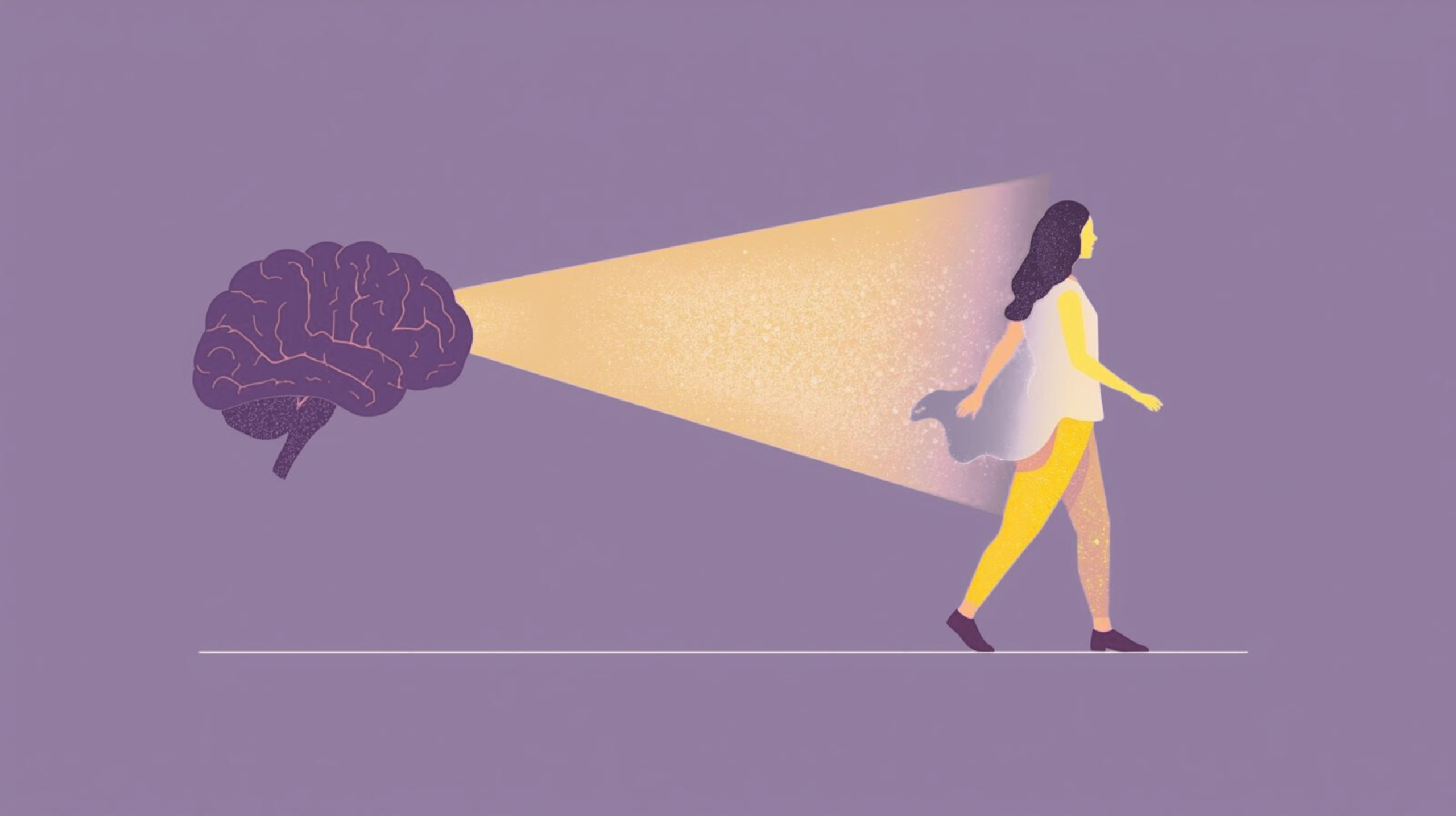
Pain is not a direct readout of tissue damage. Pain is a decision.
And that decision is made by the brain.
Pain Is a Protective Output, Not a Damage Signal
The body does not feel pain. The brain produces it.
Pain is the brain’s best guess about threat, based on the information it has available. Tissue signals are only one input among many.
The brain also considers:
- Past injuries
- Fear and memory
- Context and environment
- Stress levels
- Beliefs about the body
- Expectations of harm
If the brain predicts danger, it produces pain to protect you. If it predicts safety, pain may be reduced or absent even in the presence of tissue damage.
This is why soldiers can run on broken bones in battle. And why someone can feel severe pain with a perfectly “normal” MRI.
Structure Does Not Equal Pain
Decades of imaging research show the same uncomfortable truth:
Many people with:
- Disc bulges
- Degeneration
- Arthritis
- Tendon tears
Have no pain at all.
At the same time, many people in severe pain show no meaningful structural abnormalities.
Structure is not irrelevant but it is not decisive.
Pain emerges when the brain decides that a situation is unsafe enough to require protection.
The Brain Is a Prediction Machine
Your brain is constantly predicting the future.
It doesn’t wait for damage to happen. It tries to prevent it.
If movement, posture, or sensation matches a stored pattern associated with threat, the brain may produce pain before any harm occurs.
This is called predictive processing.
Pain is the brain saying:
“Based on everything I know, this feels risky.”
Not:
“Something is broken.”
Why Chronic Pain Persists After Healing
Most tissues heal within weeks or months. Yet pain often lasts for years.
This happens when the brain’s prediction system becomes overprotective.
The nervous system learns pain.
Triggers can include:
- A previous injury
- Repeated flare-ups
- Fear-driven avoidance
- Catastrophic explanations
- Medical language that emphasizes fragility
Over time, the brain begins to associate certain movements, sensations, or even thoughts with danger, even when the tissue is healed.
Pain continues, not because the body is damaged, but because the prediction hasn’t updated.
Sensitization: When the Alarm Gets Too Loud
In chronic pain, the nervous system becomes sensitized.
This means:
- Lower thresholds for pain
- Larger pain responses to smaller inputs
- Pain spreading beyond the original area
The alarm system is not broken. It’s just turned up too high.
The brain would rather produce false alarms than miss a real threat.
Why “Fixing the Tissue” Often Fails
When pain is driven by prediction, structural fixes alone rarely solve it.
Surgery, injections, endless manual therapy, they may temporarily change sensation, but the brain’s threat model remains intact.
If the brain still believes movement is dangerous, pain will return.
This is why many people experience:
- Pain relief after reassurance
- Flare-ups after scary diagnoses
- Improvement when confidence returns
- Pain reduction when movement feels safe again
The brain updates through experience, not explanation alone.
Safety Is the Antidote to Pain
Pain reduces when the brain predicts safety.
Safety is built through:
- Gradual, confident movement
- Exposure without flare-ups
- Clear, non-threatening explanations
- Restoring trust in the body
- Reducing fear around sensation
When movement becomes predictable and non-threatening, the brain relaxes its guard.
Pain doesn’t need to be fought. It needs to be de-escalated.
The Shift That Changes Everything
Pain is not a sign of weakness. It is not imaginary.
And it is not “all in your head” in the dismissive sense.
It is in the brain – in the most real, biological way possible.
Pain is information shaped by prediction.
When you stop asking:
“What is damaged?”
And start asking:
“Why does my brain feel this is dangerous?”
You move from chasing symptoms to changing the system.
Pain Is Not the Enemy
Pain is the body’s attempt to protect you, sometimes too much, for too long.
The goal is not to silence pain at all costs. The goal is to teach the brain that the threat has passed.
Because when prediction changes, pain changes.
Not because the tissue suddenly healed but because the brain finally felt safe enough to let go.
Co- authored by: Shayamal Vallabhjee
Chief Science Officer: betterhood
Shayamal is a Human Performance Designer who works at the intersection of psychology, physiology, and human systems design, for the last 25 years he is helping high-performing leaders, teams, and athletes thrive in environments of stress, complexity, and change. His work spans across elite sports, corporate leadership, and chronic health—and is grounded in the belief that true performance isn’t about pushing harder, but designing better.


