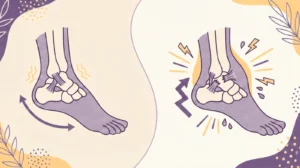






Ankle sprains are among the most common injuries worldwide, affecting athletes, active individuals, and even people in everyday life. Sprains occur when the ligaments that stabilize the ankle are stretched or torn, often resulting from twisting, rolling, or impact injuries. Without proper care, a sprain can lead to chronic instability, recurring injuries, or even long-term joint damage.
An ankle support brace is an effective tool for treating sprains, reducing pain and swelling, stabilizing the joint, and aiding rehabilitation [1]. Braces protect ligaments and muscles, allowing controlled movement while preventing re-injury.
This article explores the causes and symptoms of ankle sprains, the types of support braces available, their benefits, tips for choosing the right brace, proper use and maintenance, and expert guidance to ensure safe and effective recovery.
Understanding Ankle Sprains
Causes of Sprains
An ankle sprain occurs when ligaments connecting the ankle bones stretch beyond their normal range, resulting in partial or complete tears. Common causes include:
- Twisting or Rolling Movements: Sudden direction changes during sports such as basketball, soccer, running, or trail walking.
- Weak or Previously Injured Ligaments: Past injuries increase vulnerability.
- Improper Footwear: Shoes without grip or support increase instability.
- Uneven Surfaces or Slips: Common during daily walking or outdoor activity.
- Sudden Impact or Landing Errors: Jumping and abrupt stops strain ankle ligaments.
Ankle Sprain Symptoms
Early identification of ankle sprain symptoms is critical for proper care and faster recovery. Typical symptoms include:
- Localized pain that worsens with movement or weight-bearing
- Swelling and inflammation
- Tenderness around the injured ligament
- Bruising or discoloration
- Stiffness and reduced range of motion
- Instability or a feeling that the ankle may “give way”
Symptoms vary depending on severity- mild, moderate, or severe sprains and directly influence ankle sprain healing time.
Risks of Untreated Sprains
Failing to treat an ankle sprain properly can result in:
- Chronic ankle instability
- Recurrent ligament injuries
- Long-term joint degeneration or arthritis
- Delayed healing and prolonged pain
- Reduced mobility and activity limitations
- Compensatory strain on knees, hips, and lower back
Using the right ankle support brace significantly lowers these risks and supports safe recovery.
What Is an Ankle Support Brace for Sprains?
An ankle support brace is designed to stabilize the ankle joint, reduce harmful motion, control swelling, relieve pain, and protect ligaments during healing or physical activity. Braces vary in structure, rigidity, and compression to match different stages of ankle sprain treatment.
What Is an Ankle Support Brace for Sprains?
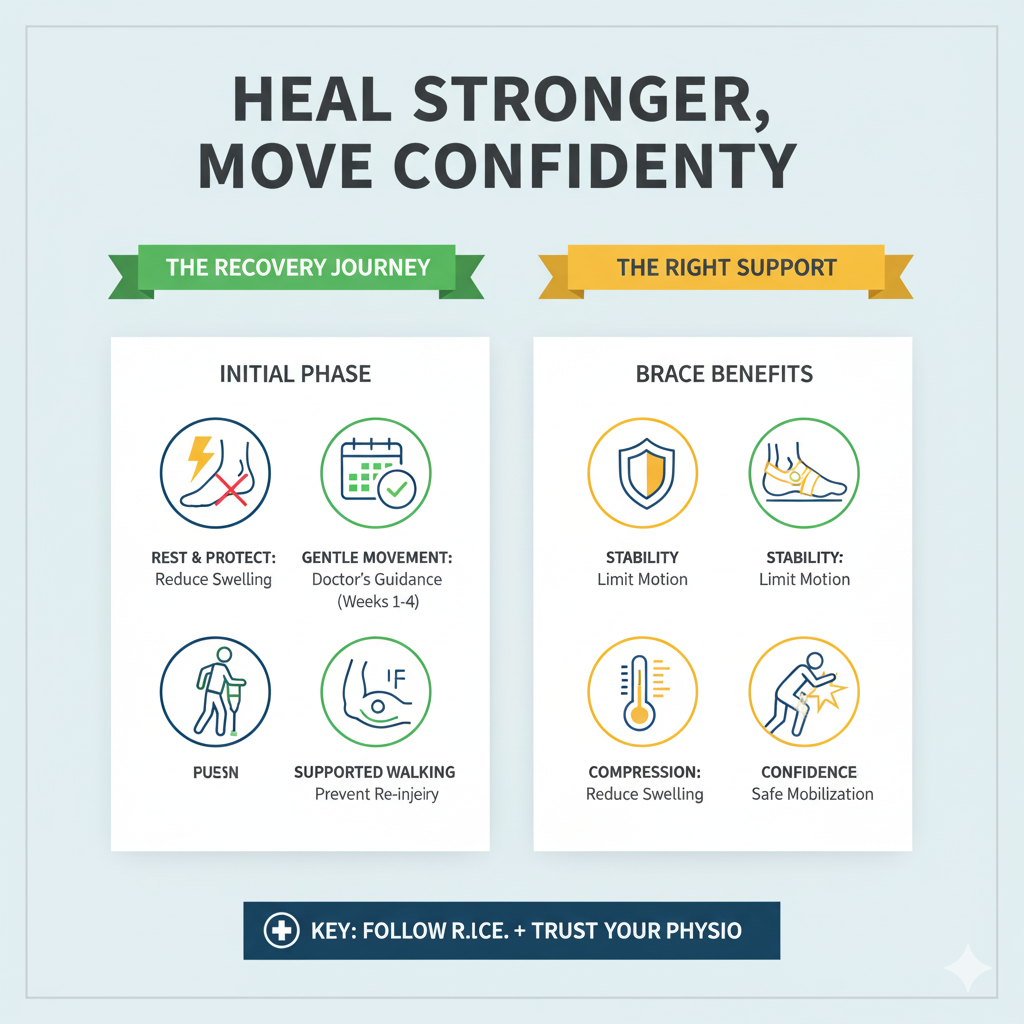
An ankle support brace is a device designed to stabilize the ankle joint, reduce harmful movement, relieve pain, control swelling, and protect ligaments during recovery or activity. Braces vary in rigidity, material, and compression levels, allowing treatment for different sprain severities and recovery stages.
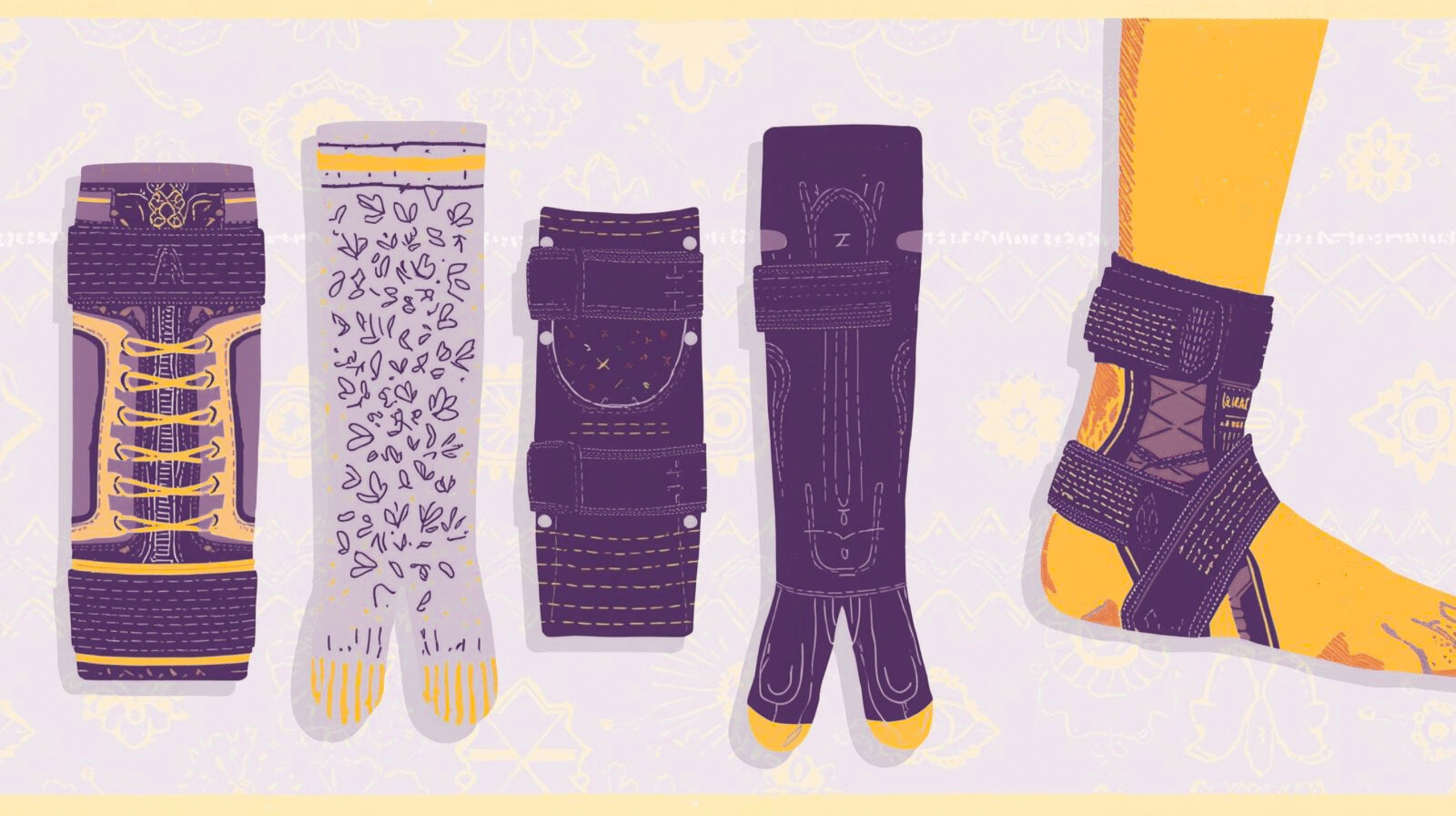
Types of Sprain Braces
1. Lace-Up Braces
- Provide adjustable support and moderate restriction of motion.
- Ideal for mild-to-moderate sprains.
- Often made of breathable fabric with reinforced sides for stability.
2. Rigid or Semi-Rigid Braces
- Offer maximum support, ideal for severe sprains or post-surgery recovery.
- Limit motion significantly to protect healing ligaments.
- Can be combined with padding or air cells for comfort.
3. Elastic or Compression Sleeves
- Provide mild support and compression to reduce swelling and inflammation.
- Lightweight, flexible, and suitable for preventive or daily use.
- Often used in early stages of recovery or minor sprains.
4. Hybrid Braces
- Combine rigid support with flexible, elastic material for both stability and mobility [2].
- Useful for athletes returning to activity while still protecting ligaments.
Benefits of Using an Ankle Support Brace
1. Stabilization and Injury Prevention
Ankle braces limit excessive movement, preventing re-injury and providing confidence during walking, running, or sports. Stabilized ligaments reduce the risk of repeated sprains.
2. Pain Relief and Swelling Control
Compression provided by braces helps reduce inflammation, relieve discomfort, and improve circulation around the injured area. Many braces also reduce post-activity swelling.
3. Accelerated Recovery
Controlled mobility allows ligaments to heal effectively without being overstressed. Braces support rehabilitation by permitting gradual weight-bearing exercises while protecting the joint.
4. Confidence During Activity
Knowing the ankle is supported enables athletes and active individuals to resume activity safely, reducing fear of re-injury [3].
5. Versatility
Ankle support braces are suitable for:
- Sports: Basketball, soccer, running, and tennis.
- Daily Activities: Walking, prolonged standing, and casual exercise.
- Post-Injury Rehabilitation: Provides targeted support during physiotherapy and controlled mobility exercises.
How to Choose the Right Ankle Brace for Sprains
Level of Support Needed
- Mild Sprains: Elastic sleeves or light compression braces.
- Moderate Sprains: Lace-up or semi-rigid braces for recurring or moderate injuries.
- Severe Sprains: Rigid braces for maximum stability and post-surgery support.
Material and Comfort
- Look for breathable, lightweight, moisture-wicking fabrics.
- Adjustable straps ensure secure fit without restricting circulation.
- Padded designs enhance comfort during long-term wear [4].
Activity-Specific Considerations
- High-impact sports require lace-up or rigid braces.
- Low-impact activity may only need elastic or compression sleeves.
- Rehabilitation may involve hybrid braces for controlled mobility.
Proper Fit
- Measure ankle circumference according to manufacturer guidelines.
- Avoid braces that are too tight (impairs circulation) or too loose (reduces support).
- Ensure the brace fits comfortably with shoes if worn during daily activity or sports.
Choosing the Right Ankle Support from betterhood
betterhood offers scientifically designed ankle support braces tailored for comfort, durability, and recovery. Whether you need an ankle brace for sports, walking, or rehabilitation, Betterhood products focus on:
- Targeted ligament stabilization
- Breathable, skin-friendly materials
- Adjustable compression for all-day comfort
- Designs suitable for daily wear and athletic use
Choosing the right betterhood ankle brace ensures effective ankle sprain treatment, faster recovery, and long-term ankle sprain prevention without compromising mobility.
Proper Use and Maintenance of an Ankle Support Brace
Proper use and maintenance of an ankle support brace are crucial for maximizing its effectiveness, ensuring comfort, and prolonging its lifespan. A poorly fitted or improperly cared-for brace can reduce support, cause irritation, or even slow down recovery. This section explains correct wearing techniques, daily and activity-specific usage, and cleaning and maintenance in detail.
Correct Wearing Technique
Wearing an ankle support brace correctly ensures that it stabilizes the joint, protects ligaments, and promotes healing without restricting circulation or movement. Follow these steps:
1. Align the Brace with the Ankle Joint
- Position the brace so that the main support or hinge aligns precisely with the ankle’s lateral and medial sides.
- The heel should rest comfortably in any designated cutout or padding.
- Proper alignment prevents slippage and ensures that the brace limits harmful twisting or rolling effectively.
2. Adjust Straps for Snug Support
- Most braces feature Velcro straps, laces, or elastic bands. Tighten them gradually from bottom to top.
- The brace should feel secure and supportive but not so tight that it causes numbness, tingling, or discoloration of toes.
- Check the fit by standing and gently flexing the ankle. If you experience discomfort or circulation issues, readjust straps immediately.
3. Ensure Mobility While Maintaining Protection
- A good brace stabilizes the ankle while allowing controlled movement. You should be able to flex, extend, and walk comfortably without your ankle feeling trapped.
- Avoid overtightening, which can restrict blood flow and impede recovery.
4. Test Fit During Light Movement Before Full Activity
- Before engaging in sports, workouts, or walking long distances, walk, stretch, or perform gentle ankle movements to ensure the brace stays in place and provides support.
- Make minor adjustments if the brace shifts, rubs, or causes pressure points.
5. Check Comfort Regularly
- During activity, periodically pause and check the fit. Swelling may increase throughout the day, requiring strap readjustment.
- If the brace causes consistent pain or pressure sores, consider a different size or type.
Daily and Activity-Specific Use
The effectiveness of an ankle support brace depends on consistent, activity-appropriate use. Here’s how to integrate it into daily life and specific activities:
1. Wear During Sports, Workouts, and Rehabilitation Exercises
- Use the brace during high-risk activities such as running, jumping, basketball, soccer, or hiking.
- Braces protect the ankle from excessive twisting, reduce pain, and promote confidence while moving.
- During rehabilitation exercises, braces help maintain controlled mobility, preventing reinjury while still allowing movement necessary for ligament recovery.
2. Combine with Recommended Therapies
- Elevation, ice therapy (RICE method), and physiotherapy exercises complement brace use.
- After activity, elevate the ankle above heart level to reduce swelling.
- Gentle stretching and strengthening exercises can be performed with the brace to maintain flexibility and support muscles.
3. Avoid Continuous Wear Without Breaks
- Over-reliance on the brace can lead to muscle weakness or reduced proprioception.
- Remove the brace during rest periods at home, unless advised otherwise by a medical professional.
- Gradually reduce brace dependency as the ankle strengthens during recovery.
4. Adapt Usage Based on Activity Intensity
- Low-Impact Activities: Walking or light exercises may only require elastic or compression sleeves.
- High-Impact Activities: Sports, running, or sudden directional movements may need lace-up or rigid braces for maximum support.
Cleaning and Care
Proper maintenance ensures hygiene, durability, and continued effectiveness of the brace. Follow these detailed care instructions:
1. Wash Removable Sleeves Regularly
- Hand wash removable sleeves or braces in cold water with mild soap.
- Avoid bleach or harsh chemicals that can degrade elastic fibers or stitching.
- Cleaning removes sweat, bacteria, and odor, preventing skin irritation.
2. Air-Dry, Avoid Heat
- Do not machine-dry the brace or use direct heat sources such as radiators.
- High heat can shrink elastic materials, warp plastic components, or reduce Velcro adhesion.
- Lay the brace flat on a clean, dry towel or hang it in a shaded, ventilated area until fully dry.
3. Inspect for Wear and Tear
- Check straps, laces, and elastic sections regularly for fraying, stretching, or loosening.
- Inspect plastic or rigid components for cracks or deformation.
- Replace the brace immediately if structural integrity is compromised to avoid reduced support or reinjury.
4. Store Properly
- Keep the brace in a cool, dry place when not in use.
- Avoid folding rigid braces in ways that could damage hinges or supports.
- Ensure the brace is clean and completely dry before storage to prevent mold or odor.
5. Follow Manufacturer Guidelines
- Each brace may have specific cleaning and maintenance instructions.
- Follow recommended usage duration, strap adjustments, and replacement schedules for optimal performance.
Conclusion
Ankle support braces are a critical component in managing sprains, reducing pain, and preventing re-injury. Selecting the right type of brace, using it correctly, and pairing it with rehabilitation strategies ensures safe recovery, faster healing, and long-term ankle stability. Braces not only stabilize ligaments but also provide confidence, allowing individuals to return to activity safely. Proper care and maintenance maximize their effectiveness for daily use, sports, and rehabilitation.
Looking for more health and wellness solutions? Don’t miss these related guides:-
Frequently Asked Questions:
1. What is an ankle support brace for sprains, and how does it work?
An ankle support brace stabilizes the joint, reduces harmful movement, and provides compression, supporting ligaments during healing and preventing re-injury.
2. Which type of brace is best for mild, moderate, and severe sprains?
- Mild: Elastic sleeves for light support and swelling control.
- Moderate: Lace-up braces for recurring or moderate sprains.
- Severe: Rigid or semi-rigid braces for maximum stability and post-surgery recovery.
3. Can an ankle brace prevent re-injury after a sprain?
Yes. By limiting excessive movement and supporting ligaments, braces significantly reduce the risk of recurrent sprains during activity.
4. How tight should an ankle support brace be?
Snug but not restrictive. You should feel support without numbness, tingling, or circulation issues. Adjust straps gradually for comfort and effectiveness.
5. Can I wear an ankle brace daily during recovery?
Yes, especially during activity or rehabilitation exercises. Remove during rest periods if advised, and follow medical guidance for long-term use.
References
- American Academy of Orthopaedic Surgeons. (2023). Ankle sprains: Symptoms, causes, and treatment. https://orthoinfo.aaos.org
- Fong, D. T., Hong, Y., Chan, L. K., Yung, P. S., & Chan, K. M. (2007). A systematic review on ankle injury and ankle sprain in sports. Sports Medicine, 37(1), 73–94. https://doi.org/10.2165/00007256-200737010-00006
- Kaminski, T. W., et al. (2013). National Athletic Trainers’ Association position statement: Conservative management and prevention of ankle sprains in athletes. Journal of Athletic Training, 48(4), 528–545. https://doi.org/10.4085/1062-6050-48.4.05
- National Institute of Arthritis and Musculoskeletal and Skin Diseases (NIAMS). (2023). Ankle injuries and treatment. https://www.niams.nih.gov