






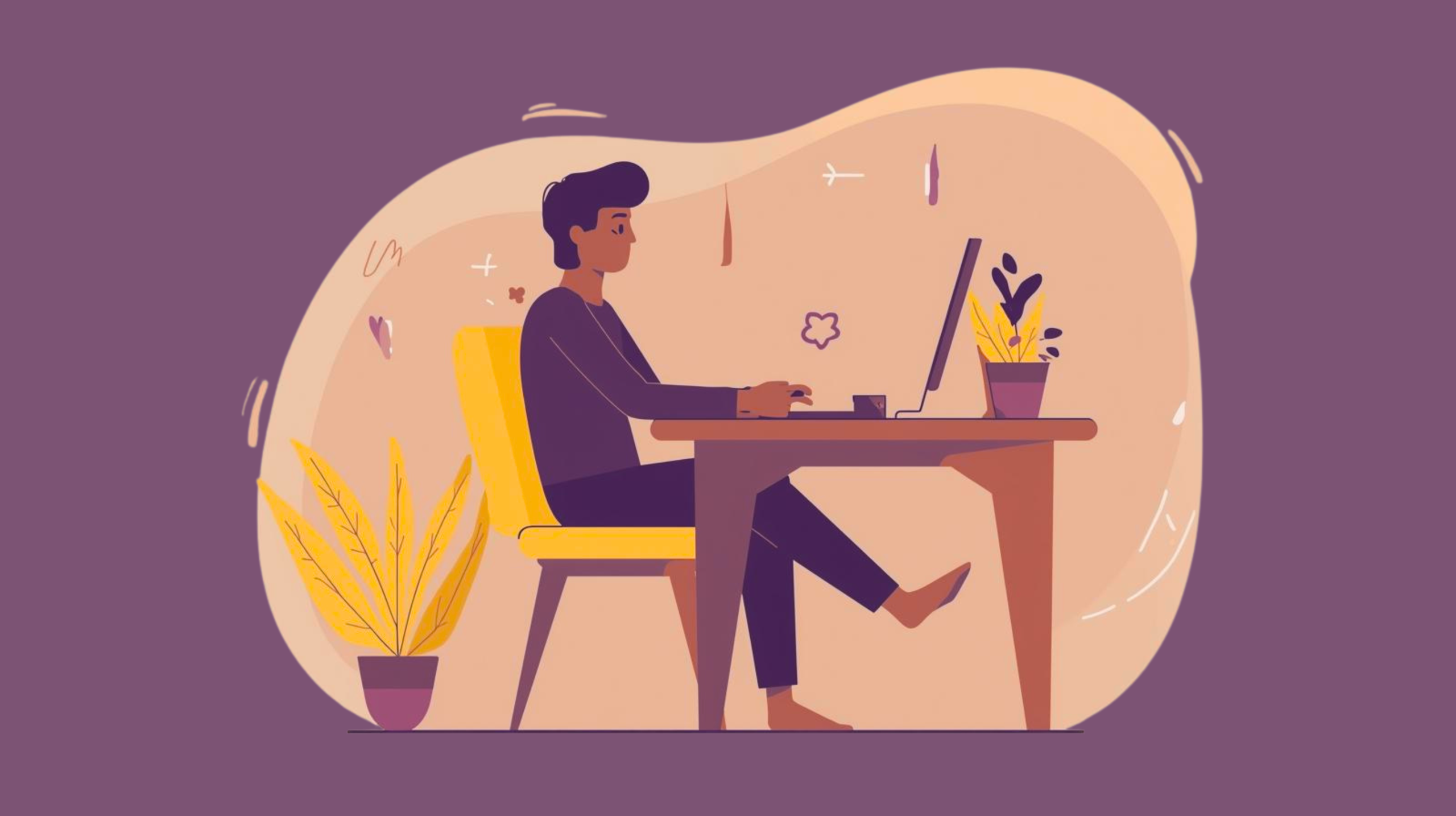
In 2018, a group of neuroscientists studying workplace stress noticed something curious. During long cognitive tasks, participants who were allowed to move naturally shifting their weight, tapping their feet, rolling their shoulders, maintained focus longer than those instructed to sit completely still.
The “still” group followed the rules. They sat upright, hands quiet, bodies controlled.
And yet, they fatigued faster, reported higher mental strain, and showed quicker drops in attention.
The difference wasn’t intelligence.
It wasn’t motivation.
It was movement.
Tiny, almost invisible movement.
The Nervous System’s Quiet Language
The nervous system is constantly scanning for safety. When stress accumulates through deadlines, screens, or prolonged sitting, it looks for ways to release excess activation.
Micro-movements are one of its most efficient tools.
A gentle rock forward and back.
A knee bounce.
A shoulder roll after a tense moment.
These aren’t distractions. They’re self-regulation in action.
Why Stillness Can Create Stress
We often equate stillness with discipline and control. But biologically, forced stillness under stress can backfire.
When movement is restricted:
- Stress hormones remain elevated with nowhere to discharge
- Muscles hold tension, especially in the neck, jaw, and hips
- Attention narrows, leading to mental fatigue
- The body stays in low-grade fight-or-flight mode
The mind becomes tired not because it’s working too hard but because the body isn’t allowed to reset.
Micro-Movement and Brain Function
Small movements create measurable shifts inside the body:
Sensory Feedback
Movement feeds information back to the brain, improving body awareness and grounding attention in the present moment.
Energy Regulation
Subtle motion helps distribute muscular effort, preventing localized fatigue and stiffness.
Emotional Discharge
Rocking and fidgeting activate calming neural circuits that reduce internal pressure without conscious effort.
Cognitive Clarity
A regulated nervous system frees mental bandwidth for problem-solving and creativity.
Your brain doesn’t need stillness.
It needs flow.
The Cultural Mistake We All Learned
From classrooms to boardrooms, we were taught that moving equals misbehaving. Sit still. Hands down. Focus harder.
Over time, we learned to suppress the body’s natural regulation strategies. The cost shows up later as:
- Restlessness masked as anxiety
- Brain fog after long meetings
- Chronic tension without obvious cause
- The urge to “push through” exhaustion
The body was never meant to be silent.
It was meant to be responsive.
Everyday Micro-Movements That Restore Balance
Micro-movement doesn’t require breaks or equipment-just permission.
- Rock gently while standing
- Roll your shoulders during screen time
- Shift your weight while waiting
- Rotate your neck slowly between tasks
- Walk for 30 seconds instead of sitting still
These movements may look insignificant. Physiologically, they’re anything but.
A One-Minute Regulation Reset
Try this the next time you feel mentally overloaded:
- Let your body move freely for 30 seconds.
- Roll your shoulders and neck slowly.
- Shift your weight or sway gently.
- Take two deep breaths and notice the drop in tension.
You’re not distracting yourself.
You’re clearing the signal.
The Bigger Insight
We often chase clarity through productivity hacks, caffeine, and discipline. But regulation comes first.
You don’t always need bigger workouts, longer breaks, or stricter routines.
Sometimes, you need permission for the smallest movements your body is already asking for.
Because the nervous system doesn’t reset through force.
It resets through movement that feels safe.
So the real question becomes:
If tiny movements can restore calm and clarity, how often have we been fighting the very tools designed to help us?
Co- authored by: Shayamal Vallabhjee
Chief Science Officer: betterhood
Shayamal is a Human Performance Designer who works at the intersection of psychology, physiology, and human systems design, for the last 25 years he is helping high-performing leaders, teams, and athletes thrive in environments of stress, complexity, and change. His work spans across elite sports, corporate leadership, and chronic health—and is grounded in the belief that true performance isn’t about pushing harder, but designing better.


