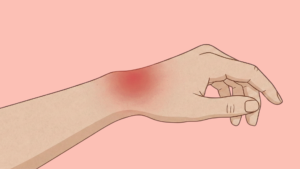







In physiotherapy, warming up your joints before the session is not just a prep-up, it is the best way to control pain and injury. Before workouts, warm-up is mandatory; every time you do, you enhance your muscle flexibility and that of your joints. So, if you have ever wondered how to prepare your body for physiotherapy and why it is so essential, this article is the absolute guide for you.
Importance of Warming Up for Physiotherapy Success
Physiological Benefits of Warm-Up Before Therapy
Warm up your muscles and joints before you begin more challenging parts of your physiotherapy regimes. This elevates heat and elasticity of your tissues by raising the blood circulation. Warm-up results in increased lubrication of the joints, makes the movement smoother and the muscles sensitive. The raised temperature of your muscles increases the velocity of nerve conduction, and this aids in physical therapy exercises that enhance coordination and quickness of reaction time [1].
A lot of patients experience stiffness and pain prior to treatment. To end the cycle, it is essential to warm up. Moreover, a proper warm-up is vital to prevent cramps or any kind of strains.
How Warm-Up Lowers Injury Risk and Pain Perception?
An effective warm-up reduces the risk of pain by preparing muscles and joint tissues to meet the requirement of physiotherapy. It decreases rigidity of muscles and expands their movement [2]. This decreases the chances of you straining a muscle or overstraining a joint.
Neurologically, warm-ups alter the perception of pain by stimulating the sense pathways, which could reduce the already existing pain. This implies that pain cannot hold you back during or immediately after therapy.
Setting Clear Goals for Pre-Session Warm-Up
Treat your pre-therapy warm-up like an icebreaker at a party; it gets everything relaxed, familiar, and in sync. The goals are:
- Increase circulation to muscles and joints.
- Enhance flexibility and loosen tight connective tissues.
- Activate muscles critical for upcoming exercises [3].
- Calm nervous system to improve focus and movement quality.
Clear goals help you choose the right warm-up strategies and stay motivated.
Types of Warm-Up Techniques
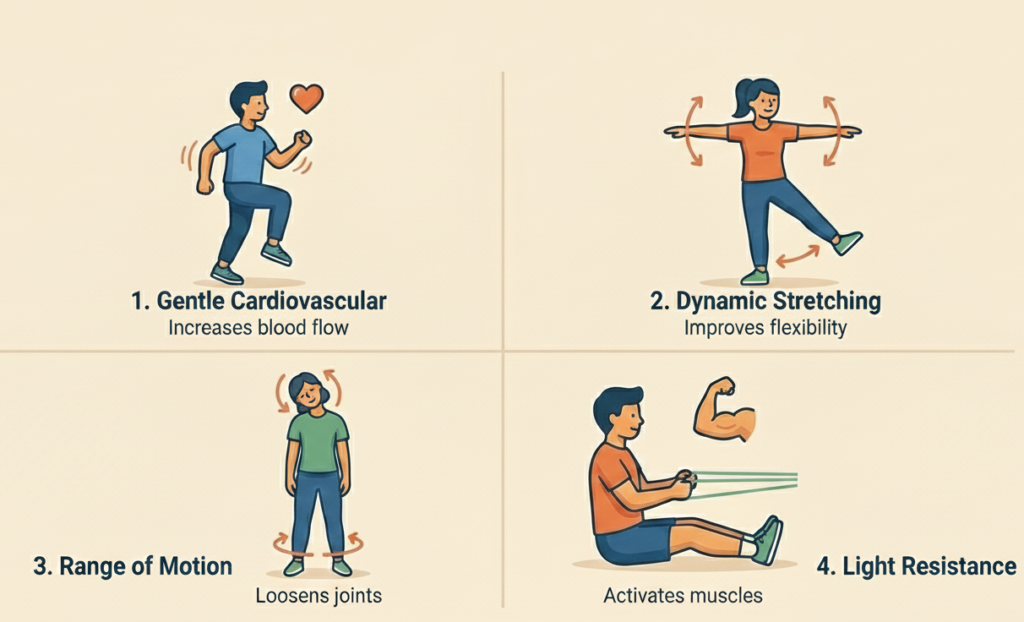
Cardiovascular Warm-Ups to Increase Blood Flow
Light cardio raises the heartbeat, delivering oxygen and nutrients to tissues, improving stamina. Examples include:
- Walking on a treadmill for 5-10 minutes.
- Gentle cycling on a stationary bike.
- Swimming or water walking.
These activities gently wake your system without causing fatigue.
Dynamic Stretching Exercises to Mobilize Joints
Unlike static holds, dynamic stretches involve movement through full ranges to prepare joints actively. Examples:
- Leg swings forward and sideways.
- Arm circles progressively increasing in size.
- Hip circles or trunk rotations.
These movements lubricate the joints and mimic therapy motions to come.
Self-Myofascial Release Methods (Foam Rolling)
Foam rolling targets tight muscle bands (trigger points), improving blood flow and releasing tension [4]. Areas often addressed include:
- Calves
- Quads and hamstrings
- IT band and glutes
It’s like giving your muscles a mini-massage before the main event; prepare for better elasticity and less soreness.
Activation Exercises for Muscle Readiness
These are low-load movements focusing on muscle firing patterns:
- Glute bridges to activate hips.
- Shoulder blade squeezes for upper back engagement.
- Ankle pumps to stimulate circulation and control.
Activations ensure muscles ‘know’ to engage properly during therapy, decreasing compensations [5].
Designing a Personalized Warm-Up Routine
Assessing Individual Joint and Muscle Conditions
Not all warm-ups fit all bodies. Your therapist or you should assess:
- Joint mobility limitations.
- Muscle imbalances or weaknesses.
- Areas prone to tightness or pain.
This guides targeted warm-up selection.
Tailoring Exercises to Therapy Goals and Limitations
If therapy focuses on, say, knee rehab, include cardio and movements that gently engage quadriceps, hamstrings, and surrounding muscles. For shoulder rehab, incorporate upper limb and scapular activation patterns.
Monitoring Intensity and Duration of Warm-Up
Aim for a duration that raises core body temperature but avoids pre-fatigue; usually 10 to 15 minutes of progressive intensity. More intense warm-ups suit less painful, more advanced rehab patients [6].
Best Practices for Muscle Protection During Warm-Up
Gradual Progression from Low to Moderate Intensity
Start slow and build momentum. Abrupt high intensity risks muscle strain or joint irritation. Think of it as warming soup; slow heat is better than shock.
Avoiding Overstretching and Fatigue Before Therapy
Static stretches with long holds (>30 seconds) may temporarily reduce muscle strength [7]. Avoid these before therapy to maintain maximal muscle readiness.
Breathing and Hydration Tips During Warm-Up
Controlled breathing boosts oxygenation, reducing premature fatigue. Hydrate adequately; dehydrated muscles are more injury-prone.
Incorporating Supportive Equipment in Warm-Up
Using Resistance Bands and Light Weights Effectively
Resistance bands provide controlled load for muscle activation without joint strain [8]. Light dumbbells can wake upper body muscles before therapy.
Role of Compression Garments in Muscle Activation
Compression sleeves improve proprioception and circulation, enhancing warm-up quality, though evidence for injury prevention is mixed.
Selecting Aids Based on Individual Needs
Use personalized braces or orthotics as advised to support problematic joints during pre-therapy movement.
Nutritional and Lifestyle Factors Supporting Warm-Up
Hydration Strategies to Optimize Muscle Function
Water keeps muscles pliable and joints lubricated. Aim for at least 2 liters daily, adjusting for activity level.
Nutrients that Enhance Recovery and Reduce Soreness
- Omega-3 fatty acids as anti-inflammatory agents
- Protein for tissue repair
- Antioxidants from fruits and vegetables
Importance of Sleep and Stress Management
Adequate sleep fosters tissue recovery and reduces inflammation. Stress management lowers muscle tension, aiding warm-up efficacy.
Monitoring and Adjusting Warm-Up Over Time
Tracking Warm-Up Effectiveness and Pain Levels
Jot pain scores and stiffness intensity to recognize trends. Improved mobility and reduced discomfort show warm-up success [9].
Adapting Routines Based on Feedback and Progress
If pain spikes or fatigue sets in early, lighten intensity or modify exercises. Let your body guide adjustments.
Collaborating with Therapists for Continual Improvement
Professional feedback ensures your warm-up evolves appropriately with your recovery.
Psychological Preparation to Maximize Physiotherapy Benefits
Mental Warm-Up Techniques and Focus Strategies
Visualization and mindful breathing before therapy reduce anxiety and improve movement quality.
Overcoming Fear and Anxiety Related to Pain
Acknowledging pain as temporary, focusing on small gains, and positive self-talk help maintain engagement.
Building Motivation Through Positive Reinforcement
Celebrate milestones, no matter how small, powering a virtuous growth cycle.
Conclusion: Warm-Up as the Foundation for Pain-Free, Effective Therapy
The secret superstar of your recovery is warm-up which is your pre-physical therapy. It creates a tone which prevents tears. Therapy is not daunting; with proper planning and physical and mental strategies, it is more impactful.
Moreover, you can only stay pain-free if you are aware of the right techniques. Check these to know more:
- Stretching Exercises for Flexibility
- Fitness Tips for Pain Relief
- Musculoskeletal Recovery Tips for Pain Relief
Frequently Asked Questions:
1. What are the main benefits of warming up before physiotherapy?
Enhanced circulation, flexibility, muscle activation, and reduced risk of pain or injury.
2. How long should a physiotherapy warm-up last?
Typically 10-15 minutes, gradual intensity, individualized to condition.
3. Can foam rolling replace traditional warm-up exercises?
No, it complements by releasing tension; it isn’t a substitute for dynamic movement.
4. What should I avoid during warm-up to prevent injury?
Avoid sudden high intensity, overstretching static holds, and muscle fatigue.
5. How often should I change my warm-up routine?
Monitor progress; update exercises every 4-6 weeks or as advised by a therapist.
References
- Racinais, S., & Oksa, J. (2010). Temperature and neuromuscular function. Scandinavian journal of medicine & science in sports, 20, 1-18. https://doi.org/10.1111/j.1600-0838.2010.01204.x
- Woods, K., Bishop, P., & Jones, E. (2007). Warm-up and stretching in the prevention of muscular injury. Sports medicine, 37(12), 1089-1099. https://doi.org/10.2165/00007256-200737120-00006
- McGowan, C. J., Pyne, D. B., Thompson, K. G., & Rattray, B. (2015). Warm-up strategies for sport and exercise: mechanisms and applications. Sports medicine, 45(11), 1523-1546. https://doi.org/10.1007/s40279-015-0376-x
- Behm, D. G., & Wilke, J. (2019). Do self-myofascial release devices release myofascia? Rolling mechanisms: a narrative review. Sports Medicine, 49(8), 1173-1181. https://doi.org/10.1007/s40279-019-01149-y
- Richardson, C. A., & Jull, G. A. (1995). Muscle control-pain control. What exercises would you prescribe. Man ther, 1(1), 2-10. https://dptcapstone.web.unc.edu/wp-content/uploads/sites/23235/2012/02/muscle-control-pain-control-what-exercises-would-you-prescribe.pdf
- Zahid, M. Z. M., Shahbaz, M. S., & Ashraf, M. A. M. (2023). The Effect of Warm-Up on Performance and Injury Risk in a Tug-Of-War Athletes. International” Journal of Academic Research for Humanities”, 3(3), 230-240A. https://jar.bwo-researches.com/index.php/jarh/article/view/330
- Bandy, W. D., & Irion, J. M. (1994). The effect of time on static stretch on the flexibility of the hamstring muscles. Physical therapy, 74(9), 845-850. https://doi.org/10.1093/ptj/74.9.845
- Bergquist, R., Iversen, V. M., Mork, P. J., & Fimland, M. S. (2018). Muscle activity in upper-body single-joint resistance exercises with elastic resistance bands vs. free weights. Journal of human kinetics, 61, 5. doi: 10.1515/hukin-2017-0137
- Larinier, N., Vuillerme, N., & Balaguier, R. (2023). Effectiveness of warm-up interventions on work-related musculoskeletal disorders, physical and psychosocial functions among workers: a systematic review. BMJ open, 13(5), e056560. https://doi.org/10.1136/bmjopen-2021-056560