






If you wake up with a stiff neck every morning, then you are not the only one. Pillows are often responsible for neck and back pain. The orthopedic pillow is especially designed to give proper support to the neck and the spine. This article is the ultimate guide that will assist you to choose the right pillow for neck pain among so many that are available in the market. At the end of this article, you will have a comprehensive understanding of what to consider when buying a neck pillow.
Before we get into its detailed discussion, check these out if you are curious to know about other unknown facts of pillows for neck pain:
- https://betterhood.in/learn/pillow-for-neck-pain-the-shocking-truth-to-sleep-better/
- https://betterhood.in/learn/best-contour-pillow/
Scientific Evidence Behind Orthopedic Pillows for Neck Pain
Overview of Clinical Studies Supporting Orthopedic Pillow Use
Neck pain is like that uninvited guest who keeps turning up in your life, especially during sleep when all you want is peace. Orthopedic pillows are specialized pillows, designed with more thought than your average fluffy cloud. Clinical studies reveal that these pillows can genuinely help by reducing neck pain intensity and the dreaded morning stiffness [1]. They do this by encouraging proper cervical spine alignment, preventing muscle tension from turning your head into a human pretzel.
Scientific evidence shows that while orthopedic pillows don’t perform miracles overnight, regular use for weeks or months leads to significant improvements in pain and function. Think of it as a slow dance between your neck and the pillow; a gradual win, not a head-banging rap battle.
Comparative Analysis of Pillow Designs and Their Therapeutic Benefits
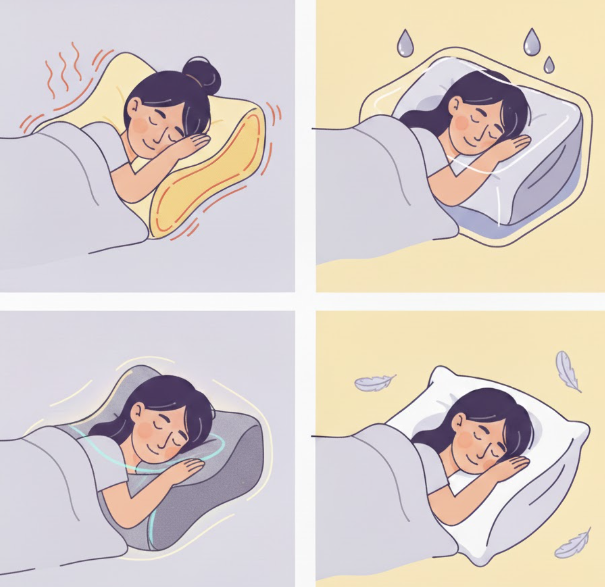
Not all neck pillows are made equal, much like not all pizza toppings are created equal. Here’s how different pillow designs stack up against each other when it comes to helping your neck:
- Memory Foam Pillows: Memory foam pillows form-fitting wonders mold perfectly around your neck and head, distributing pressure evenly. They are like the pillow equivalent of that one friend who knows just what you need. However, some memory foam pillows have a knack for trapping heat, turning your sleep into a balmy sauna session.
- Water Pillows: Adjustable firmness by filling water to your desired level sounds fancy; and it is! But the feel of a mini waterbed under your head might not be everyone’s cup of chamomile tea.
- Orthopedic Contoured Pillows: The crowd favorite. Designed specifically to support the neck’s natural curve (say that five times fast), these pillows can reduce strain, realign your cervical spine, and relieve pain better than your average cloud of fluff [2].
- Feather Pillows: Ah, the classic feather pillow. Soft and sumptuous, but with a nasty side effect: letting your neck droop into awkward positions like a soggy spaghetti noodle.
Long-Term Effects of Ergonomic Pillows on Neck Pain and Disability
Orthopedic pillows are not sprint champions; they are marathon runners. Longitudinal studies show that consistent use can reduce neck pain and disability, especially in older adults [3]. By gently coaxing your neck muscles and spinal joints into better alignment during restful sleep, these pillows prevent muscular fatigue and joint stress that exacerbate pain.
Think of your orthopedic pillow as the wise yoga instructor encouraging slow, mindful evening stretches for your neck; only this one works overnight without any awkward balancing poses.
Top Orthopedic Pillows for Neck Pain: Features and Reviews
Design Innovations in Leading Orthopedic Pillows
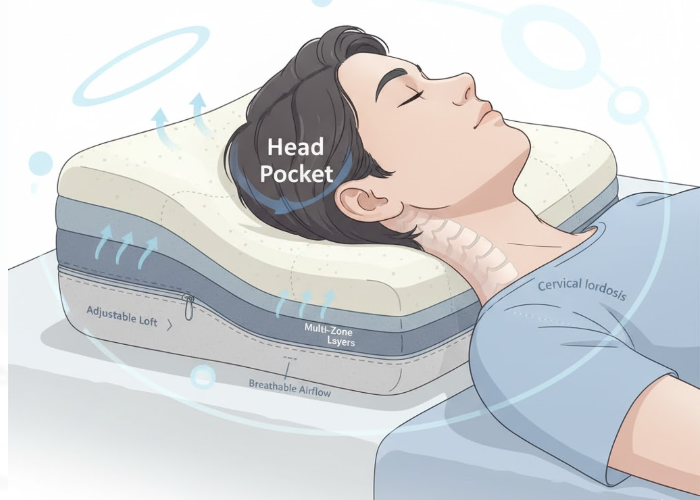
The best orthopedic pillows of today are like Swiss army knives; multi-functional and designed with science-backed features. Innovations include:
- Contoured Head Pockets: These give your noggin a cozy nest, preventing it from rolling off like an overripe grape.
- Multi-Zone Support: Different firmnesses zoned for head, neck, and shoulders, offering an exceptional experience without the therapist’s bill.
- Adjustable Loft: Whether you are a fluff-it-high or keep-it-low type, you can fine-tune your pillow height, reducing neck strain for side, back, or stomach sleepers.
- Breathable Materials: Gel-infused memory foam or perforated latex help prevent the dreaded sweaty neck syndrome. Trust us, no one wants to wake up and feel like they’d been head-bobbing at a heavy metal concert.
Comparing Key Features: Materials, Loft, Cooling, and Support
| Feature | Description | Benefits |
| Materials | Memory foam, latex, gel inserts | Contouring, durability, hypoallergenic |
| Loft | Adjustable height | Supports proper alignment for all sleepers |
| Cooling | Gel-infused foam, perforated latex | Breathability, temperature regulation |
| Support | Multi-zone ergonomic contouring | Maintains cervical spine curvature |
Customer Satisfaction and Clinical Outcomes of Popular Brands
Brands like Tempur-Pedic, Saatva, Smart ErgoRelief, and Betterhood have amassed loyal fans who rave about their neck’s gratitude. These pillows are often recommended by chiropractors and physical therapists, thanks to their demonstrated ability to reduce neck pain and improve quality of sleep. If your neck had a Yelp page, these brands would probably get five stars for their tender loving support.
Pillow Shape and Height: Their Impact on Cervical Alignment
Shape and loft matter even more than your favorite Netflix binge choice (sorry, pizza). Your pillow should:
- Support the natural cervical lordosis: The inward curve of your neck needs to be maintained [4]; think of it as the golden arch of neck support.
- Prevent head tilt and hyperextension: Avoid pillows that force your neck forward like you’re trying to see a secret celebrity.
- Match your sleep position:
- Side sleepers: medium to high loft to fill the shoulder gap comfortably.
- Back sleepers: moderate loft supporting neck without pushing head forward.
- Stomach sleepers: low loft to avoid neck twisting; but if you are sleeping on your stomach regularly, consider a different sleeping style!
Proper pillow height combined with ergonomic shape means starting the day feeling human, not a malfunctioning robot.
How to Compare Rival Brands Effectively?
Material Composition and Hypoallergenic Properties
- Look for latex or high-grade memory foam that resist allergen buildup and dust mites.
- Hypoallergenic pillows are perfect for sensitive sleepers who want to avoid sneezing fits that could knock you off the pillow.
Support Features: Contours, Zones, Height Adjustability
- Zoned support pillows cater to head, neck, and shoulders individually; like having a personal assistant for each part of your upper body.
- Adjustable pillows let you customize height and firmness as your preferences change (or your neck rebels).
User Comfort and Personal Preferences
- Use in-store trials or generous return policies because your neck’s “comfort zone” can be a fussy diva.
- Consider factors like breathability, temperature regulation, and how the pillow feels after a few nights (first impressions don’t always tell the whole story).
Price Point and Value for Money
- Orthopedic pillows vary greatly in cost, from budget-friendly basics to luxury foam cocoons.
- More expensive is not always better; find the pillow that’s worth its weight in neck relief.
Brand Reputation and Clinical Backing
- Choose brands with clinical validation and professional endorsements to avoid buying something that’s all fluff and no substance.
- A good reputation often means better quality control, warranty support, and satisfaction.
Customer Reviews and Ratings
- Real-world feedback matters. Look for consistent stories from chronic neck pain sufferers who found relief.
- Beware of miracle cures or pillows promising instant pain vanishing; they are usually too good to be true.
Why Pillow Choice Matters for Neck Pain Relief
Neck pain from sleeping posture is often overlooked, yet pillow choice plays a critical role in overnight recovery. An unsupportive pillow can disrupt spinal alignment for 6–8 hours every night, compounding muscle tension and joint stress. Choosing an ergonomic pillow designed for cervical support helps maintain neutral posture, reduces strain on soft tissues, and promotes uninterrupted sleep.
How a Pillow for Neck Pain Supports Cervical Alignment
A high-quality orthopedic pillow for cervical support maintains the natural inward curve of the neck while supporting the head’s weight evenly. By preserving sleep alignment neck support, these pillows reduce compressive forces on cervical discs, relax overworked muscles, and prevent morning stiffness. Consistent alignment is essential for long-term pain reduction.
Types of Pillows for Neck Pain and Their Benefits
Different pillow designs address different clinical needs:
- Cervical spine support pillow: Contoured to cradle the neck and reduce nerve irritation
- Ergonomic pillow: Supports head, neck, and shoulders as a unit
- Cooling pillow for neck pain: Reduces heat buildup that can increase muscle tension
- Adjustable loft pillows: Allow personalized height and firmness for evolving comfort needs
Memory Foam vs Latex Pillows for Neck Pain
When comparing memory foam vs latex pillow options:
- Memory foam molds closely to the neck, offering pressure relief and excellent contouring for chronic pain sufferers.
- Latex pillows provide responsive support, better airflow, and durability, making them ideal for hot sleepers or allergy-sensitive individuals.
Both can be effective, provided they maintain cervical alignment.
Choosing the Right Pillow Height for Neck Pain
Incorrect loft is a major contributor to neck discomfort. Pillow loft for side sleepers should fill the space between shoulder and neck, while back sleepers need moderate height to prevent forward head tilt. The goal is to keep the head level with the spine, neither elevated nor collapsing downward.
Best Pillow for Neck Pain Based on Sleeping Position
- Side sleepers: Medium–high loft orthopedic pillow for cervical support
- Back sleepers: Moderate-loft contoured pillow maintaining neck curvature
- Stomach sleepers: Low-loft pillow or transition away from stomach sleeping
Matching pillow design to sleep posture is essential for reducing neck pain from sleeping posture.
Signs Your Current Pillow Is Causing Neck Pain
Your pillow may be contributing to pain if you experience:
- Morning neck stiffness that eases during the day
- Frequent headaches or shoulder tightness
- Neck pain that worsens after sleep
- Needing to constantly adjust your pillow at night
These are signals that your sleep alignment neck support is compromised.
How Long It Takes for a Neck Pain Pillow to Work
Orthopedic pillows are not instant fixes. Most users notice improvement within 2–4 weeks as muscles adapt and inflammation reduces. Consistent use allows the cervical spine to rest in a supported position night after night, promoting gradual healing rather than short-term relief.
When to Replace Your Pillow for Neck Pain Relief
Replace your pillow every 12–24 months, or sooner if it:
- Loses shape or firmness
- No longer rebounds after compression
- Triggers recurring neck pain
A worn pillow cannot provide effective cervical spine support, regardless of brand or price.
How to Evaluate Pillow Firmness and Comfort Scientifically?
- Firmness should ideally distribute pressure evenly to reduce muscle tension [6].
- Compression resistance; your pillow should bounce back rather than collapsing like an undercooked soufflé.
- Cervical alignment assessed by imaging or professional advice ensures your neck isn’t doing the limbo under a bad pillow.
Recommendations and Usage Guidelines
How to Test a Pillow Before Purchase?
- Press test: Fold it; if it stays bent, it’s probably too soft; your neck needs more backbone.
- Lie down: Mimic your typical sleeping positions to feel if the neck and shoulders are cradled.
- Check height: Pillow must fill the gap between neck and shoulders without jamming the head forward.
Tips for Maximizing Pillow Effectiveness and Comfort
- Pair use with neck strength and mobility exercises.
- Replace pillows every 1-2 years, or sooner if sagging occurs.
- Use pillow protectors to reduce allergens, washing covers regularly.
- Adjust the loft with inserts or layers if the pillow allows.
Incorporating Pillow Use Alongside Physical Therapy
An orthopedic pillow is just one player on the neck pain relief team. Coordinate with manual therapy, stretching, and posture correction exercises to speed recovery and prevent relapse. Think of the pillow as your nighttime bodyguard while PT is your daytime coach.
End Thought
You have to consider several important factors before purchasing an orthopedic pillow for getting long-term relief from neck pain. Consider the sleeping style and conditions you have while buying the pillow. Healing is a time-consuming process, so, hold your patience and keep following the health guidelines, alongside, to make a real difference.
Let’s make this clear before we end, be very mindful of your posture, because this is the main culprit of all your pains. To know about how postures trigger pain, have a look into these:
- https://betterhood.in/learn/posture-problems-in-the-real-world/
- https://betterhood.in/learn/posture-as-a-lifelong-practice/
Frequently Asked Questions:
1. Are orthopedic pillows clinically proven to ease neck pain?
Yes! Studies show consistent use helps reduce pain and improve cervical alignment over time.
2. What materials are best for long-lasting neck support?
Latex and memory foam are durable, supportive, and hypoallergenic.
3. How often should I replace my orthopedic pillow?
Replace every 1 to 2 years to maintain support before sagging turns your sleep upside down.
4. Can ergonomic pillows prevent chronic neck problems?
They assist in maintaining spinal alignment, potentially preventing chronic issues when combined with good posture and exercise.
5. Are there any risks associated with the wrong pillow use?
Yes, improper pillows can worsen neck pain by causing misalignment, muscle strain, and disrupted sleep.
References
- WebMD (2024). The Best Pillows for Neck Pain. Retrieved from: https://www.webmd.com/sleep-disorders/pillows-for-neck-pain [Viewed on 8 October 2025]
- Ren, S., Wong, D. W. C., Yang, H., Zhou, Y., Lin, J., & Zhang, M. (2016). Effect of pillow height on the biomechanics of the head-neck complex: investigation of the cranio-cervical pressure and cervical spine alignment. PeerJ, 4, e2397. https://doi.org/10.7717/peerj.2397
- Vanti, C., Banchelli, F., Marino, C., Puccetti, A., Guccione, A. A., & Pillastrini, P. (2019). Effectiveness of a “spring pillow” versus education in chronic nonspecific neck pain: a randomized controlled trial. Physical Therapy, 99(9), 1177-1188. doi: 10.1093/ptj/pzz056
- Lei, J. X., Yang, P. F., Yang, A. L., Gong, Y. F., Shang, P., & Yuan, X. C. (2021, October). Ergonomic consideration in pillow height determinants and evaluation. In Healthcare (Vol. 9, No. 10, p. 1333). MDPI. doi: 10.3390/healthcare9101333
- Hong, T. H. (2023). Biomechanical study of sleeping support and system optimization based on spine alignment. https://theses.lib.polyu.edu.hk/handle/200/12279
- Türkmen, C., Esen, S. Y., Erden, Z., & Düger, T. (2023). Comfort and Support Values Provided by Different Pillow Materials for Individuals with Forward Head Posture. Applied Sciences, 13(6), 3865. https://doi.org/10.3390/app13063865