






Neck pain is one of the most common modern health complaints, affecting people of all ages. Whether it’s caused by long hours at a desk, sleeping in awkward positions, or simply the natural wear and tear of the spine, neck pain can significantly reduce comfort and sleep quality [1]. A poor-quality pillow often contributes to this discomfort by failing to properly support the neck and head.
This is where memory foam cervical pillows come into play. These specialized pillows are designed to support the natural curvature of your cervical spine the part of your neck that connects your head to your back ensuring proper alignment during sleep. The result? Reduced strain, better posture, and more restful sleep.
A memory foam cervical pillow adapts to the unique contours of your neck and head, distributing pressure evenly and keeping the spine neutral. Unlike traditional pillows that flatten or lose shape over time, memory foam offers consistent support throughout the night.
The purpose of this article is to explore how memory foam cervical pillows can effectively relieve neck pain, enhance spinal alignment, and promote overall sleep health. You’ll learn about their types, benefits, how to choose the right one, and practical care tips to ensure long-lasting comfort and effectiveness.
Understanding Neck Pain and Sleep Posture
Causes of Neck Pain
Neck pain often develops from everyday habits and poor ergonomics. Some of the most common causes include:
- Poor sleeping position: Sleeping on a pillow that’s too high, too low, or too firm forces the neck out of its natural curve, leading to stiffness and discomfort.
- Cervical spine issues: Conditions like arthritis, cervical spondylosis, herniated discs, or degenerative disc disease can cause chronic neck pain.
- Muscle tension and stress: Emotional stress or long hours of work at a computer can tighten neck and shoulder muscles.
- Sudden movements or injury: Accidents, whiplash, or awkward sleeping postures can strain neck ligaments and muscles.
- Improper pillow support: Flat or unsupportive pillows allow the head to tilt unnaturally, causing muscle imbalance and fatigue.
Effects on Sleep and Daily Life
Chronic neck pain doesn’t only affect your physical comfort, it has a direct impact on your sleep quality and day-to-day functioning:
- Morning stiffness: Waking up with a sore neck or limited range of motion is a common sign of poor nighttime support.
- Headaches and fatigue: Misalignment of the cervical spine can trigger tension headaches and reduce blood flow to the brain.
- Restless sleep: Constant shifting to find a comfortable position leads to fragmented rest and lower sleep efficiency.
- Mood and productivity issues: Poor sleep caused by neck pain can result in irritability, low energy, and reduced concentration.
- Long-term problems: Chronic strain on the cervical spine may contribute to posture problems, nerve compression, and even degenerative spinal conditions.
Importance of Cervical Support
Your cervical spine consists of seven vertebrae that form a delicate curve, supporting both your head’s weight and movement [2]. During sleep, this curve needs to remain neutral not too flexed or extended to prevent strain.
A memory foam cervical pillow maintains this natural alignment by contouring to the neck’s shape and filling the gap between the head and shoulders. It helps:
- Reduce muscle strain: Proper support relaxes neck and shoulder muscles.
- Distribute pressure evenly: Prevents compression in sensitive areas.
- Enhance circulation: Keeps blood and oxygen flowing to muscles and nerves.
- Promotes deep sleep: Reduces the need to adjust positions throughout the night.
In short, the right cervical pillow doesn’t just provide comfort it actively supports spinal health and recovery during sleep.
What Is a Memory Foam Cervical Pillow?
A memory foam cervical pillow is a specially designed pillow that uses viscoelastic foam to mold to the natural curves of your head and neck. The term “cervical” refers to the neck region of the spine, which plays a vital role in maintaining posture and supporting the head’s weight.
Unlike standard pillows filled with feathers, fiber, or cotton, memory foam reacts to body heat and pressure. It softens and contours to your exact shape, then slowly regains its original form once pressure is removed. This “memory” effect provides personalized support that traditional pillows can’t match.
How It Works
- When you rest your head on the pillow, the foam compresses under heat and weight.
- The material molds to the curves of your neck and shoulders, filling the gap between them.
- This alignment minimizes pressure points and maintains a neutral spine position throughout sleep.
The result is a feeling of being gently cradled, which reduces neck pain and muscle tension while promoting uninterrupted rest.
Design and Functionality
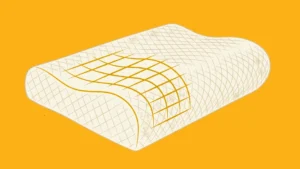
A typical memory foam cervical pillow features ergonomic contours, higher edges for neck support, and a lower center to cradle the head. Some come with ventilation holes or cooling gel layers to prevent overheating, enhancing overall sleep comfort.
These pillows are available in multiple shapes and densities, catering to side sleepers, back sleepers, and even combination sleepers. The adaptability of memory foam makes it ideal for anyone seeking relief from chronic neck stiffness or poor sleep posture.
Types of Memory Foam Cervical Pillows
1. Standard Memory Foam Pillow
This is the most common and versatile type. It offers uniform density throughout and provides consistent support for both head and neck.
- Conforms naturally to the contours of your neck and shoulders.
- Ideal for individuals with mild neck discomfort or general sleep improvement.
- Available in different thickness levels for side or back sleeping preferences.
2. Contoured Memory Foam Pillow
Shaped with ergonomic dips and raised edges, this pillow is designed to cradle your neck and support spinal alignment precisely.
- Features a valley in the center for the head and higher edges for neck support.
- Perfect for people suffering from cervical spondylosis or chronic neck pain.
- Promotes optimal posture for side and back sleepers.
3. Adjustable Memory Foam Pillow
This pillow includes removable layers or shredded memory foam filling, allowing you to adjust height and firmness.
- Customizable loft: add or remove foam as needed.
- Suitable for individuals who prefer personalized comfort levels.
- Helps accommodate body changes over time (e.g., weight gain, muscle recovery).
4. Gel-Infused Memory Foam Pillow
This variant combines memory foam with cooling gel or ventilation channels to enhance airflow and temperature regulation.
- Prevents overheating, making it ideal for warm climates.
- Provides balanced pressure relief with cooling comfort.
- Reduces sweating and helps maintain deep sleep through temperature control.
Each type serves a specific need, from therapeutic neck support to cooling comfort or adjustable flexibility, ensuring there’s an option for every kind of sleeper.
Benefits of Using a Memory Foam Cervical Pillow
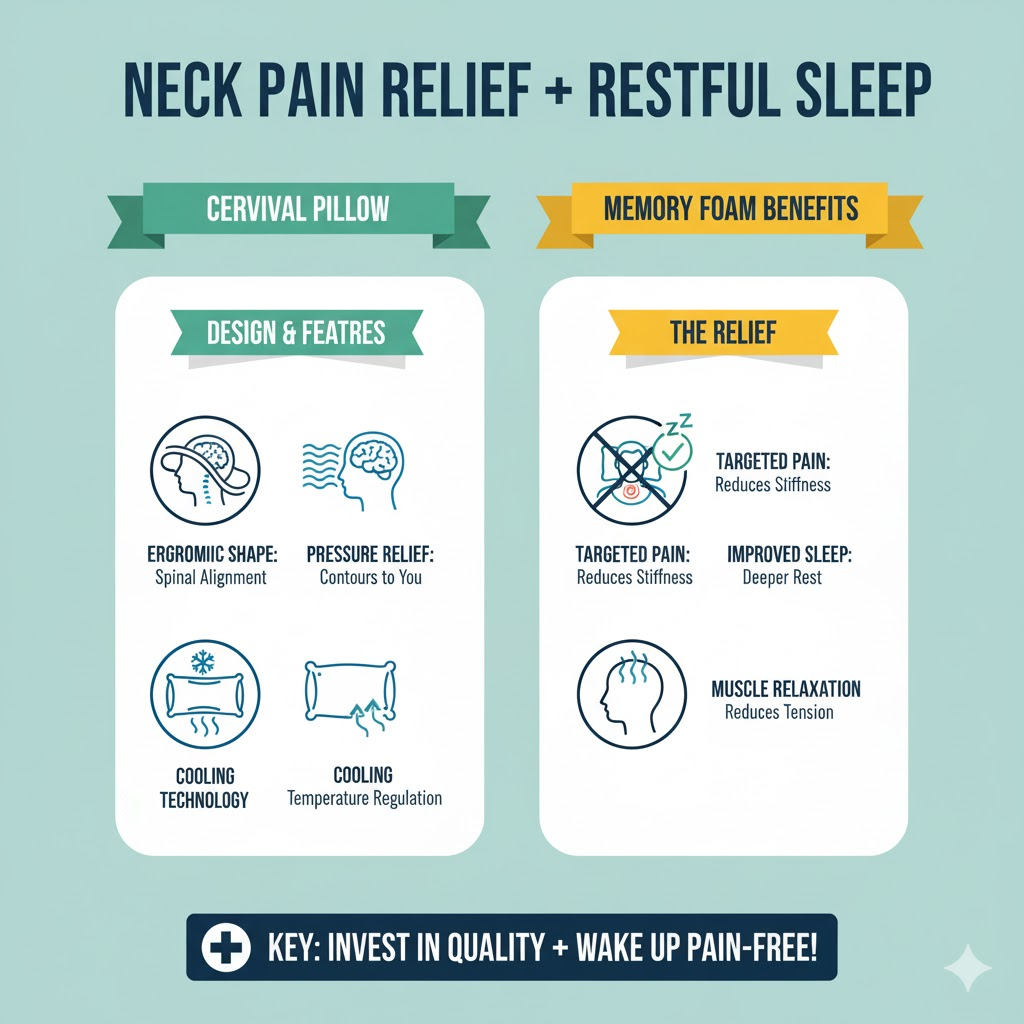
A memory foam cervical pillow does far more than simply provide a place to rest your head it actively supports your neck and spine throughout the night, promoting healing, comfort, and long-term health. Below are the most significant benefits in detail.
1. Relief from Neck Pain and Stiffness
The most immediate and noticeable benefit of using a memory foam cervical pillow is neck pain relief [3]. Memory foam adapts to your body’s natural contours, distributing pressure evenly and preventing the neck from bending awkwardly during sleep.
- Maintains alignment: Keeps your cervical spine in its natural curve, reducing pressure on muscles and ligaments.
- Eases stiffness: The even support minimizes stress on soft tissues, reducing morning soreness and stiffness.
- Supports recovery: For individuals recovering from neck injuries, whiplash, or cervical strain, memory foam provides stable and gentle support.
- Promotes muscle relaxation: By relieving pressure points, the pillow helps muscles relax instead of tensing up overnight.
Over time, consistent use can reduce chronic discomfort, improve range of motion, and enhance overall neck flexibility.
2. Improved Sleep Quality
A misaligned neck can lead to frequent tossing, turning, and disrupted sleep. Memory foam cervical pillows improve sleep by promoting proper posture and eliminating the need for constant position adjustment.
- Comfortable contouring: The foam molds to your shape, supporting every curve while maintaining firmness where needed.
- Fewer disturbances: Once settled, your body naturally maintains its position, reducing nighttime movement.
- Deeper rest: Proper support helps your body reach and maintain deep sleep stages, including restorative REM cycles.
- Enhanced oxygen flow: Proper alignment improves breathing and reduces snoring, particularly for back sleepers.
Users often report waking up feeling more refreshed, alert, and free of discomfort — a clear sign that their body experienced quality rest.
3. Spinal Health Maintenance
The cervical spine is responsible for supporting the head and maintaining posture. Over time, poor sleep positions can contribute to spinal misalignment or even long-term deformity.
Using a memory foam cervical pillow supports spinal integrity in several ways:
- Prevents unnatural curvature: Keeps the head and neck aligned with the spine, reducing stress on discs and joints.
- Supports vertebral alignment: Each vertebra stays in its correct position, allowing for proper spacing and cushioning.
- Prevents degeneration: Consistent alignment reduces wear on intervertebral discs and slows cervical degeneration.
- Improves posture: Regular use encourages healthy posture even during waking hours by training muscles to align correctly.
A healthy spine not only reduces pain but also enhances flexibility, balance, and long-term musculoskeletal health.
4. Reduced Headaches and Muscle Tension
Chronic tension headaches are often linked to cervical misalignment or muscle strain in the neck and shoulders. When your pillow fails to support your head properly, the muscles compensate by tightening, leading to tension buildup and pain.
A memory foam cervical pillow prevents this by:
- Supporting proper head elevation and cervical curve.
- Reducing compression in upper spinal nerves that trigger pain signals.
- Relieving muscle tightness through balanced weight distribution.
With improved neck and shoulder support, blood flow increases, inflammation reduces, and tension headaches diminish over time. Many users experience fewer migraines and better morning energy levels after switching to a cervical pillow.
5. Comfort for Different Sleep Positions
The adaptability of memory foam makes it ideal for all sleep types.
- Side sleepers: The pillow fills the space between the neck and shoulder, keeping the spine straight. A medium-to-high loft works best.
- Back sleepers: The contoured shape supports the natural curve of the neck without pushing the head forward.
- Combination sleepers: Memory foam’s responsive nature adjusts as you change positions through the night.
- Stomach sleepers: Though not the most ergonomic position, a low-loft memory foam pillow helps minimize neck strain.
This versatility makes the pillow suitable for couples or individuals who frequently shift sleeping positions.
How to Choose the Right Memory Foam Cervical Pillow
Selecting the right cervical pillow is essential for ensuring comfort and therapeutic benefit. Here’s a detailed guide to help you make the best choice.
1. Pillow Material
Not all memory foam is created equal. Consider the following materials:
- Solid memory foam: Offers uniform, stable support and durability.
- Shredded memory foam: Provides adjustability and better airflow.
- Gel-infused memory foam: Combines cooling technology with supportive density, ideal for hot sleepers.
- Hybrid designs: Mix memory foam with latex or fiber for balanced firmness and breathability.
For neck pain relief, high-density memory foam usually provides the best results, as it retains shape while evenly supporting the cervical spine [4].
2. Pillow Height and Firmness
Choosing the correct loft (height) and firmness is crucial for proper alignment.
- Side sleepers: Should opt for a medium-high loft (4–5 inches) to fill the shoulder gap.
- Back sleepers: A medium loft (3–4 inches) that gently supports the neck curve works best.
- Stomach sleepers: Need a low loft (2–3 inches) to prevent excessive neck bending.
Firmness also matters the pillow should be firm enough to support but soft enough for comfort. Overly soft pillows let the head sink, while too firm ones can push it upward, straining the neck.
3. Additional Features
Modern memory foam pillows come with several added features for comfort and hygiene:
- Cooling gel layers or perforated cores for temperature regulation.
- Removable and washable covers made from bamboo or breathable fabrics.
- Hypoallergenic materials to prevent allergies and dust mite buildup.
- Adjustable fill options to customize firmness and height.
Look for certifications like CertiPUR-US®, ensuring the foam is free from harmful chemicals and safe for long-term use.
4. Proper Fit and Comfort
Your pillow should comfortably support your head and neck in any position without creating pressure or forcing unnatural bends. Before purchasing:
- Lie on your usual side or back sleeping position.
- Check that your nose, chin, and sternum form a straight line; this means your spine is neutral.
- Ensure your shoulders are not raised or compressed.
- Avoid pillows that lose shape quickly; consistent support is key for neck health.
When the pillow fits properly, you’ll feel instant comfort, reduced strain, and more natural breathing.
Proper Use and Maintenance
A memory foam cervical pillow requires proper usage and care to maximize its life and effectiveness. Follow these detailed steps.
1. Correct Sleeping Position
- Keep your neck aligned with your spine. The pillow should fill the space between your head and shoulders.
- Avoid sleeping with your head tilted upward or downward.
- Gradually adapt to the new pillow start by using it for short naps or half the night.
- Maintain consistent posture to allow your muscles and joints to adjust.
If you experience mild discomfort during the first few nights, it’s normal your body is adapting to improved alignment.
2. Cleaning and Care
Proper cleaning extends the life of your pillow and prevents odor or allergen buildup.
- Use a pillowcase or removable cover: Choose breathable fabrics like cotton or bamboo.
- Washing: Most covers are machine-washable; follow the manufacturer’s instructions for care.
- Avoid submerging foam in water: Spot-clean gently with a damp cloth and mild detergent.
- Air-dry completely: Keep away from direct sunlight or heat sources to prevent foam damage.
- Replace every 2–3 years: Over time, foam loses elasticity and may no longer provide adequate support.
Routine care ensures hygiene and durability, keeping your pillow fresh and supportive.
3. Tips for Maximum Benefit
- Pair with an ergonomic mattress to maintain full spinal alignment.
- Establishing a healthy sleep routine with a consistent bedtime improves restorative rest.
- Perform gentle neck stretches in the morning and before bed to enhance flexibility.
- Allow time for adjustment if switching from a traditional pillow.
- Store properly when not in use, avoiding heavy pressure on the foam.
Combining these habits ensures lasting comfort and optimal spinal health.
Conclusion
A memory foam cervical pillow is more than a comfort accessory; it’s a therapeutic tool that supports your neck, relieves tension, and restores natural alignment. By providing customized support and maintaining spinal posture, these pillows not only reduce neck pain but also enhance sleep quality and overall well-being.
Whether you’re a side, back, or combination sleeper, there’s a memory foam pillow that fits your needs. The key is to choose wisely consider material, height, firmness, and ergonomic design. With consistent use and proper care, your cervical pillow can help eliminate morning stiffness, prevent headaches, and keep your spine healthy for years to come.
Looking for more health and wellness solutions? Don’t miss these related guides:-
Frequently Asked Questions:
1. What is a memory foam cervical pillow, and how does it help with neck pain?
A memory foam cervical pillow is designed to support the neck’s natural curve, keeping your spine aligned during sleep. It relieves pressure on neck muscles, reduces stiffness, and prevents misalignment, making it highly effective for chronic neck pain relief.
2. How do I choose the right type of memory foam cervical pillow for my sleep position?
Choose a contoured or medium-loft pillow if you sleep on your back, a higher loft for side sleeping, and a low-loft version for stomach sleeping. Adjustable or shredded memory foam models work best for combination sleepers.
3. Can a memory foam cervical pillow prevent headaches caused by neck strain?
Yes. Proper neck alignment reduces tension in muscles and nerves, which are often the root cause of tension headaches. Many users experience fewer headaches after consistent use.
4. How high or firm should a memory foam pillow be for optimal support?
The ideal height depends on your sleeping position, generally 3–5 inches. The pillow should be firm enough to support your neck but soft enough to cradle your head comfortably.
5. How long does it take to notice improvements using a memory foam cervical pillow?
Most users begin noticing improvements within one to two weeks of regular use. As your muscles adapt and your spine realigns, discomfort gradually reduces, and sleep quality improves significantly.
References
- The effects of pillow designs on neck pain, waking symptoms, neck disability, sleep quality and spinal alignment in adults: a systematic review and meta-analysis. Clinical Biomechanics. 2021. https://pubmed.ncbi.nlm.nih.gov/33895703
- The effect of ergonomic latex pillow on head and neck: a study on cervical spondylosis patients. https://www.ncbi.nlm.nih.gov/pmc/articles/PMC7452254
- The effect of pillow height on muscle activity of the neck and mid-upper back and patient perception of comfort. J Manipulative Physiol Ther. 2015. https://pubmed.ncbi.nlm.nih.gov/26209581
- Comfort and support values provided by different pillow materials for individuals with forward head posture. Applied Sciences. 2023. https://www.mdpi.com/2076-3417/13/6/3865