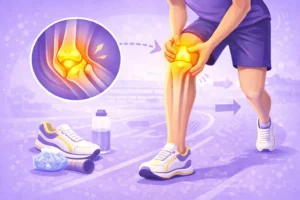







Knee pain is one of the most common musculoskeletal complaints, affecting people of all ages from athletes and active professionals to older adults dealing with joint degeneration. It can result from various causes, such as injury, arthritis, overuse, or post-surgical recovery. Regardless of the cause, persistent knee pain can interfere with daily mobility, reduce independence, and significantly impact overall quality of life.
Traditional pain relief methods, such as oral medications, topical gels, or physiotherapy, are often effective but may take time to show results or come with side effects [1]. This is where recovery patches for knee pain offer a unique advantage. Designed to deliver active ingredients directly to the affected area, these patches provide localized, sustained, and convenient pain relief. They are easy to apply, discreet, and ideal for continuous support during movement or rest.
The purpose of this article is to explain how recovery patches for knee pain work, explore the different types available, discuss their benefits, and outline how to choose and use them safely. Whether you’re managing chronic knee arthritis, sports-related injuries, or general stiffness, understanding recovery patches can help you make informed decisions for faster and more effective recovery.
Understanding Knee Pain
Common Causes of Knee Pain
The knee joint bears much of the body’s weight, making it highly susceptible to stress and injury. Common causes of knee pain include:
- Muscle Strain or Ligament Injury: Sudden twisting, overextension, or high-impact sports can strain or tear ligaments (like the ACL or MCL), leading to inflammation and severe pain.
- Tendonitis: Overuse or repetitive movements often cause inflammation of the tendons, resulting in dull, aching pain around the kneecap or joint.
- Arthritis: Conditions such as osteoarthritis (wear and tear of cartilage) and rheumatoid arthritis (autoimmune inflammation) can cause chronic stiffness and pain.
- Overuse Injuries: Runners, cyclists, or individuals with physically demanding jobs may experience pain due to repetitive stress on the knee.
- Post-Surgery Recovery: After procedures like knee replacement or meniscus repair, the area may remain sore and inflamed for several weeks.
Regardless of the cause, unaddressed knee pain can worsen over time, leading to reduced flexibility, limited mobility, and muscle imbalance.
Impact on Daily Life
Knee pain doesn’t just affect physical comfort it influences nearly every aspect of daily living. Individuals suffering from chronic or acute knee discomfort often face:
- Difficulty Walking or Climbing Stairs: Everyday movements become painful, limiting independence.
- Reduced Sleep Quality: Persistent pain may disrupt sleep, causing fatigue and irritability.
- Impaired Mobility: Prolonged pain leads to stiffness and reduced range of motion, making it harder to engage in regular exercise or even household chores.
- Emotional and Mental Strain: Chronic pain can contribute to stress, frustration, or even depression, especially in active individuals unable to maintain their lifestyle.
- Long-Term Health Effects: Sedentary behavior due to pain can lead to weight gain, muscle loss, and increased strain on other joints.
For these reasons, finding non-invasive, convenient, and effective solutions for knee pain is essential and recovery patches are emerging as one of the most practical options.
Role of Recovery Patches in Knee Pain Relief
Recovery patches serve as a localized, transdermal therapy option for people experiencing mild to moderate knee pain. Unlike oral painkillers that circulate through the bloodstream and may cause systemic side effects, patches work externally, focusing directly on the affected area.
Here’s how they help:
- Localized Pain Management: Ingredients are absorbed through the skin and act on the underlying tissues and nerves to relieve pain where it’s needed most.
- Inflammation Reduction: Many patches contain cooling or anti-inflammatory ingredients that help reduce swelling and stiffness.
- Muscle and Joint Support: Heat-based or herbal patches can improve blood circulation, enhancing the body’s natural healing process.
- Convenience: Patches are easy to apply and can be worn under clothing, providing relief throughout the day without interrupting movement.
- Complementary Use: They can be safely combined with physiotherapy, stretching, or prescribed medication to maximize recovery.
By targeting pain at its source and offering consistent relief, recovery patches provide an effective solution for those seeking alternatives to pills or injections.
What Are Recovery Patches for Knee Pain?
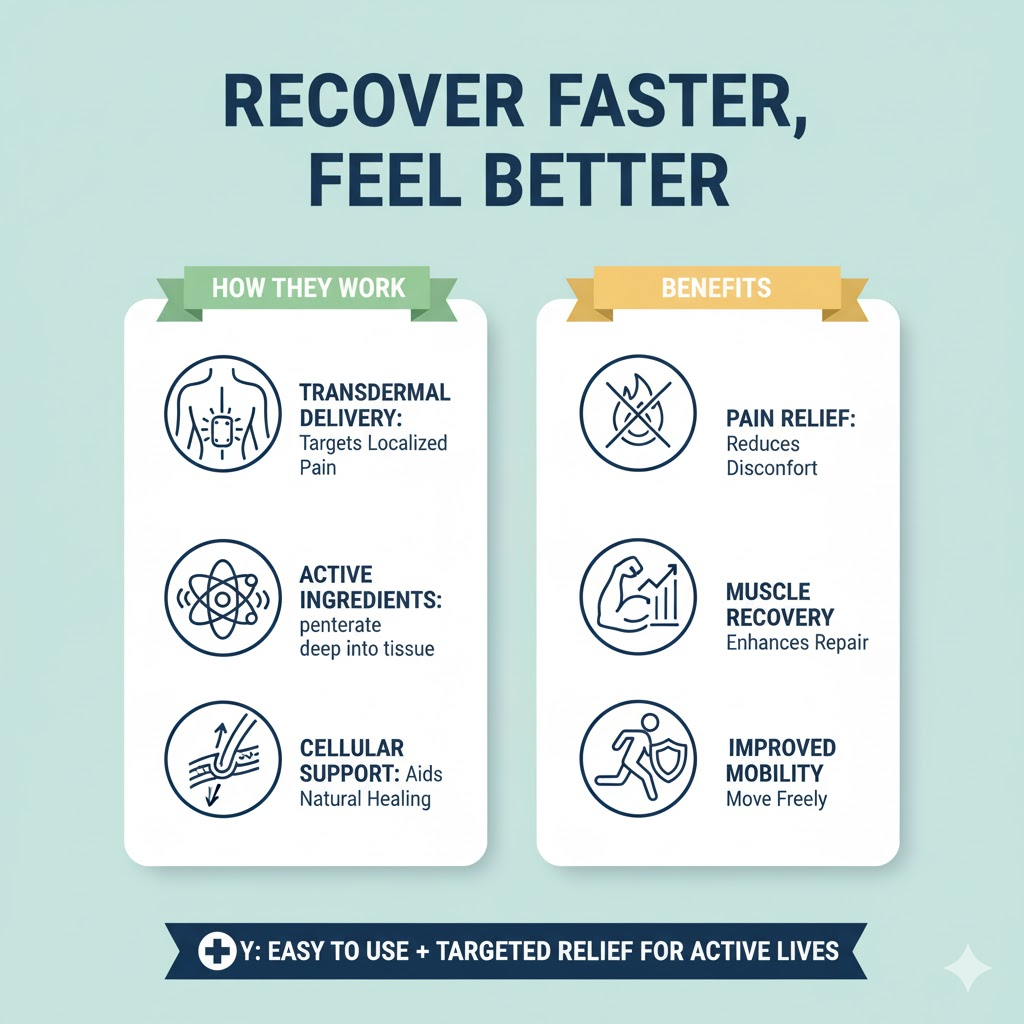
Recovery patches for knee pain are adhesive patches infused with active ingredients that relieve discomfort, reduce inflammation, and support muscle or joint recovery. They adhere directly to the skin over the painful area, delivering ingredients through a process known as transdermal absorption meaning the compounds pass through the skin layers into the deeper tissues.
These patches are designed to provide continuous, controlled release of therapeutic substances over several hours [2]. The result is steady, targeted pain relief that avoids the peaks and drops often associated with oral medications.
Key Components of Recovery Patches:
- Adhesive Backing: Allows the patch to stay securely attached to the skin, even during movement.
- Active Ingredients: Can include natural extracts (like menthol or camphor), pharmaceuticals (like lidocaine or diclofenac), or cannabinoids (like CBD).
- Carrier Medium: A gel or matrix that ensures controlled delivery of the active ingredients.
- Protective Layer: Keeps the patch hygienic and maintains potency until use.
Advantages of Transdermal Delivery:
- Bypasses the digestive system, reducing risk of stomach irritation or liver strain.
- Provides consistent release for several hours (8–24 hours depending on the patch).
- Minimizes systemic side effects.
- Offers simple, mess-free application compared to creams or gels.
Recovery patches have gained popularity not just among older adults or arthritis patients, but also athletes, office workers, and anyone needing quick, long-lasting pain relief.
Types of Recovery Patches for Knee Pain
There are several kinds of recovery patches, each designed with specific ingredients and therapeutic functions to target different types of knee discomfort.
1. Herbal Patches
These contain natural ingredients such as menthol, camphor, or arnica known for their pain-relieving and anti-inflammatory properties. Herbal patches are ideal for mild joint pain, muscle soreness, and general stiffness.
- Example: Arnica and menthol-based patches for soothing inflammation.
- Best for: Daily aches, mild arthritis, or post-exercise recovery.
2. CBD Patches
CBD (cannabidiol) is extracted from the hemp plant and is known for its anti-inflammatory and analgesic effects. CBD patches provide long-lasting relief by targeting pain receptors and reducing inflammation at the molecular level.
- Example: CBD-infused adhesive patches for chronic knee discomfort.
- Best for: Chronic arthritis, inflammation, and post-workout recovery.
3. Heat Therapy Patches
These patches generate gentle warmth once applied, which helps relax tight muscles, increase blood circulation, and reduce stiffness. The warmth promotes faster recovery of overworked or strained tissues.
- Example: Self-heating knee patches with iron powder or herbal heat components.
- Best for: Stiff knees, arthritis-related pain, and muscle tightness.
4. Cooling Patches
Designed with ingredients like menthol or hydrogel, cooling patches provide an instant cooling sensation that helps reduce swelling, soothe inflammation, and numb acute pain.
- Example: Menthol-based hydrogel patches for post-injury relief.
- Best for: Acute injuries, sprains, and post-exercise inflammation.
5. Analgesic or Transdermal Medication Patches
These are medicated patches containing ingredients like lidocaine, diclofenac, or capsaicin. They are often used for severe or chronic pain and may require a prescription.
- Example: Lidocaine or diclofenac transdermal patches for persistent joint pain.
- Best for: Chronic arthritis, post-surgical recovery, or nerve pain.
Benefits of Using Recovery Patches for Knee Pain
Recovery patches are gaining immense popularity among individuals seeking quick, non-invasive, and convenient pain relief solutions [3]. Their unique design and advanced formulation deliver several benefits that contribute to faster recovery and overall joint wellness.
1. Pain Relief
One of the most notable benefits of recovery patches is targeted pain relief. Unlike oral medications that must travel through the bloodstream to reach affected areas, these patches work directly on the painful site.
- Localized Action: The patch delivers active ingredients precisely where they are needed around the knee joint or muscle tissue.
- Continuous Release: The sustained release of ingredients ensures long-lasting comfort for up to 8–24 hours.
- Reduced Side Effects: Since the active agents bypass the digestive system, users avoid potential gastrointestinal irritation or liver strain often associated with oral painkillers.
- Quick Onset: The skin’s permeability allows faster absorption, resulting in almost immediate relief from discomfort.
Whether used for arthritis-related pain, muscle strain, or stiffness after long activity, recovery patches provide consistent pain relief throughout the day.
2. Reduced Inflammation and Swelling
Inflammation is one of the most common causes of knee pain, especially after injury or overuse. Many recovery patches include anti-inflammatory agents such as menthol, arnica, camphor, or CBD, which help:
- Calm inflamed tissues.
- Reduce joint swelling and stiffness.
- Support the natural healing process.
For instance, CBD and herbal recovery patches are particularly effective at reducing cytokine activity, the chemical response responsible for inflammation, leading to improved flexibility and comfort. Cooling patches can also help minimize swelling by constricting blood vessels, providing a soothing, numbing effect.
3. Enhanced Knee Recovery
Recovery patches do more than mask pain; they actively support the healing process. When applied regularly, they can help improve blood circulation, allowing oxygen and nutrients to reach injured or inflamed tissues more efficiently.
- Heat therapy patches promote muscle relaxation and cell regeneration.
- Herbal and CBD patches aid joint lubrication and tissue recovery.
- Consistent use after workouts or physiotherapy accelerates recovery from strain or stiffness.
In athletes or active individuals, combining patches with proper rest and hydration can speed up post-exercise healing and prevent further injuries.
4. Convenience and Ease of Use
Unlike bulky braces or sticky creams, recovery patches are extremely user-friendly. Their portable, discreet, and flexible design makes them ideal for people on the go.
- Can be worn during work, sleep, or exercise.
- Easy to apply and remove without mess.
- Lightweight and breathable materials prevent irritation even during long use.
- They can be comfortably worn under clothing without restricting movement.
For individuals with chronic pain, this convenience ensures consistent therapy and better pain management throughout the day.
How to Choose the Right Recovery Patch for Knee Pain
With several options available on the market, choosing the right patch depends on the type and intensity of pain, the cause, and your personal preferences. Below are the essential factors to consider:
Consider Pain Type and Severity
Different types of knee pain require different treatments:
- Mild pain: Herbal or cooling patches provide sufficient relief.
- Post-workout soreness: Use heat or CBD patches for muscle relaxation.
- Chronic arthritis: Medicated or CBD patches work best for inflammation and stiffness.
- Injury recovery: Cooling or analgesic patches are ideal for acute pain and swelling.
Always assess whether your pain is short-term (acute) or long-term (chronic) before selecting a patch.
Active Ingredients
Check the main ingredients to match your condition:
- Menthol/Camphor: Cooling effect that soothes soreness.
- Arnica: Natural anti-inflammatory for bruising or mild arthritis.
- CBD: Reduces chronic inflammation and nerve pain.
- Capsaicin: Provides warmth that blocks pain signals.
- Lidocaine or Diclofenac: For severe or prescription-level pain relief.
Always read product labels carefully, especially if you have allergies or sensitive skin.
Duration and Strength
Recovery patches differ in duration of effectiveness:
- Short-term patches: Work for 8–12 hours; ideal for daytime or activity-based pain.
- Long-lasting patches: Offer 24-hour relief; great for chronic pain management.
Choose based on how long you need consistent relief and whether you’ll be active or resting.
Skin Sensitivity and Allergies
If you have sensitive skin, look for:
- Hypoallergenic patches.
- Latex-free adhesives to prevent irritation.
- Avoid patches with strong fragrances or high concentrations of menthol.
Perform a patch test before using new products to ensure compatibility with your skin.
Comfort and Adhesion
A good recovery patch should adhere securely but not cause discomfort. Look for features like:
- Stretchable materials that move with your body.
- Sweat-resistant adhesive for sports or outdoor use.
- Breathable fabric to prevent itching.
Comfort is especially important for knee patches, as they need to bend and flex with joint movement.
Proper Use and Safety Guidelines
Application Instructions
To maximize the benefits of recovery patches and avoid irritation, proper application is essential:
- Clean and dry the knee area before applying.
- Apply directly over the pain point without stretching the patch.
- Press gently to ensure full contact with the skin.
- Leave it on for the recommended time (usually 8–12 hours).
- Remove slowly and discard after use; never reuse a patch.
Precautions
While recovery patches are safe for most users, keep these guidelines in mind:
- Avoid applying on broken, inflamed, or sunburned skin.
- Do not use multiple patches at once unless directed by a healthcare provider.
- Stop use immediately if redness, itching, or a rash develops.
- Pregnant or breastfeeding women should consult a doctor before use.
- For chronic or severe pain, seek medical advice rather than self-treating [4].
Tips for Best Results
To get the most from recovery patches:
- Apply after a warm shower to enhance absorption.
- Pair with rest, stretching, hydration, and knee support.
- Alternate patch locations slightly if using daily to prevent skin irritation.
- Store patches in a cool, dry place to maintain effectiveness.
Consistency is key; using recovery patches regularly, alongside a healthy routine, can significantly improve mobility and reduce discomfort over time.
Conclusion
Recovery patches for knee pain offer a powerful, practical solution for anyone struggling with discomfort, stiffness, or inflammation. Whether you’re recovering from an injury, managing arthritis, or dealing with post-workout soreness, these patches provide targeted, sustained, and convenient relief.
By choosing the right type, applying them correctly, and combining them with other healthy habits, users can experience faster healing, improved flexibility, and a better quality of life without relying heavily on oral medications.
Ultimately, recovery patches represent the perfect balance of modern pain science and natural healing, making them a smart addition to any joint care routine.
Looking for more health and wellness solutions? Don’t miss these related guides:-
Frequently Asked Questions:
1. What are recovery patches for knee pain, and how do they work?
They are adhesive patches that deliver active ingredients like menthol, CBD, or herbal extracts directly to the affected area through transdermal absorption, providing targeted relief from pain and inflammation.
2. Which recovery patch is best for post-workout knee soreness?
Heat therapy or CBD-infused patches are ideal, as they relax muscles, improve circulation, and speed up tissue recovery after physical activity.
3. Can recovery patches reduce knee inflammation and swelling?
Yes, especially cooling or CBD-based patches that contain anti-inflammatory ingredients which help calm irritated tissues and reduce swelling.
4. Are CBD patches effective for chronic knee pain?
Absolutely. CBD has anti-inflammatory and analgesic properties, making it suitable for long-term relief in chronic conditions like arthritis.
5. How long should a recovery patch be worn on the knee?
Most patches can be worn for 8–12 hours, while some advanced ones offer up to 24-hour relief. Always follow the manufacturer’s instructions for safety.
References
- Arthritis Foundation. (2023). Managing knee pain: Non-surgical options. Retrieved from https://www.arthritis.org/
- Harvard Health Publishing. (2024). Transdermal pain patches: How they work and when to use them. https://www.health.harvard.edu/pain/should-you-take-pills-or-use-patches-for-pain-relief
- Mayo Clinic. (2024). Knee pain: Causes, treatment, and self-care tips. Retrieved from https://www.mayoclinic.org/
- WebMD. (2024). CBD and pain management: What the science says. Retrieved from https://www.webmd.com/