





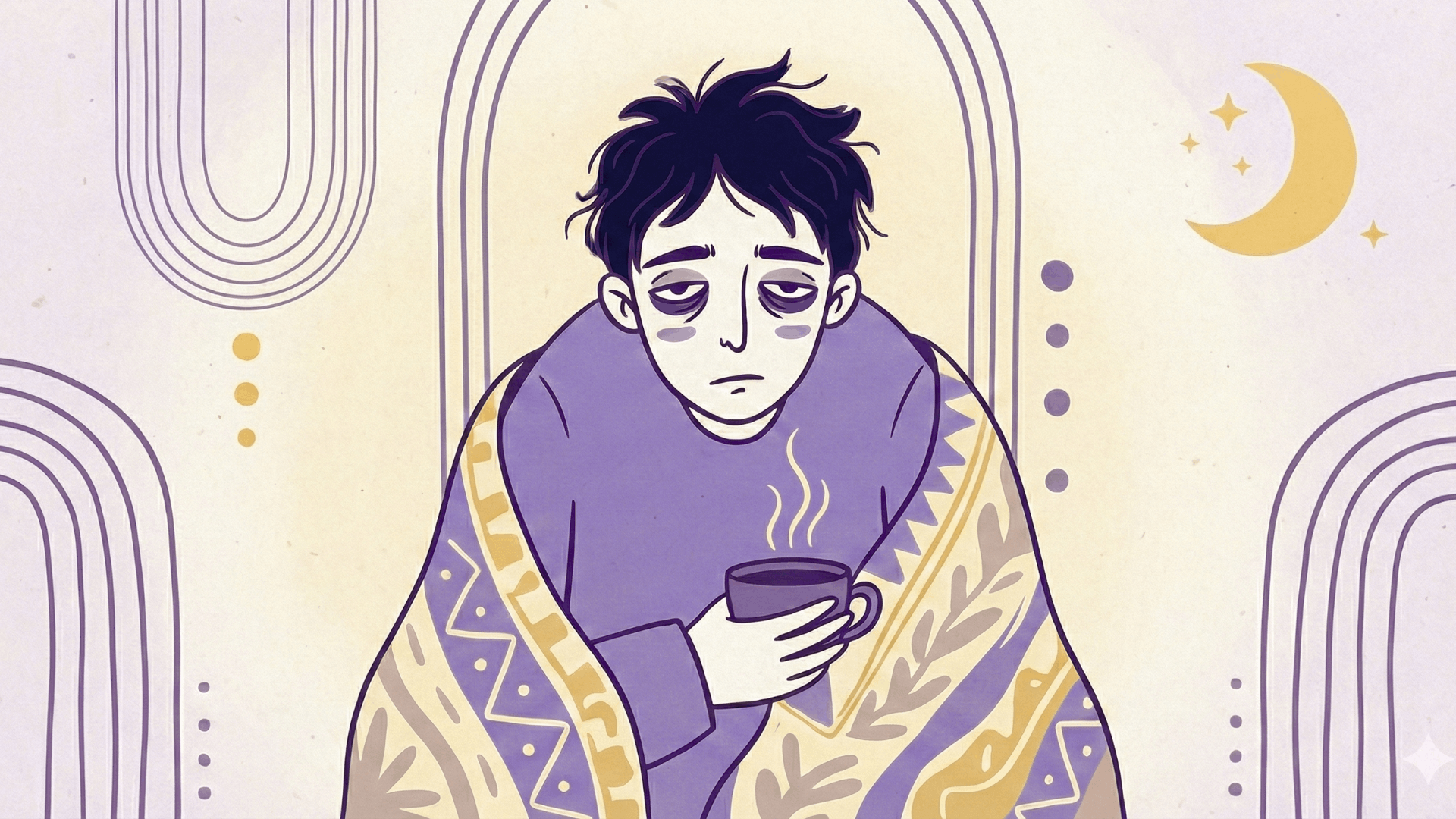
Lost sleep just seems like tiredness even though it goes so much further than that. When you don’t get enough sleep, there is a cascade of changes in every part of your brain and body that can affect not just how you think and feel but also your overall health. Under the surface, your mind can no longer manage emotions, focus or make decisions and your body is challenged to fix tissue, balance hormones and support immune strength.
Over time, these hidden disturbances can quietly pile up and influence everything from mood swings and memory lapses to slower metabolism, increased inflammation and reduced resilience in the face of stress. What you think of as “just a bad night’s sleep” can start to slowly grow into a body-wide stress that affects the way you think, the way you move and act every day.
This guide is for anyone not getting about 7-9 hours of sleep each night as often as they should, whether you are a busy parent, stressed student, shift worker or otherwise struggle to make sleep a priority.Finally, we’ll learn how to heal from the damage and repair your brain and body.
Sleep isn’t just downtime; it’s when your body does some of its most important maintenance work.
What Sleep Deprivation Really Means ?
Sleep deprivation is commonly mistaken as merely a lack of sleep, when in fact, it’s about the absence of restorative sleep that allows the brain and body to function how they should. That’s short duration of sleep with poor quality, and either factor can have devastating effects on physical health, cognitive function and mood over time.
Many people assume that as long as they are in bed for enough hours, they are well rested. Unfortunately, sleep does not work that way.
You can lie in bed for a full eight hours and still be sleep-deprived. Sleep interruptions in the form of multiple wakings during the night, plus inadequate time spent in deep sleep and REM sleep phases, interfere with important repair and memory functions of the brain [1]. Symptoms of this include daytime tiredness, lack of focus, slow thought processes and being less emotionally durable.
The good quality of a night’s sleep can be defined by the degree to which you are able to consistently move neatly through sleep stages, without interruptions and while keeping in time with your circadian rhythm. Bad sleep may quietly lure you into a hidden “income tax” of sorts on lost rest, in which the body stores up physiological stress even though total time between the sheets seems plentiful enough on paper. Over time, this type of deprivation can be as damaging to cognitive performance as getting fewer hours of sleep.
Difference between sleep deprivation and insomnia
Sleep deprivation vs.Insomnia: Sleep deprivation and insomnia are related but not the same thing. External or behavioral factors are usually the cause of sleep deprivation which includes long work shifts, stress that’s out of control, late night screen time habits and disrupted sleep routines over weekends or even caffeine intake, alcohol consumption, or being a caregiver for an ill family member. In such cases, the body needs sleep but the environment or condition does not allow.
Insomnia is a clinical sleep disorder with an inability to fall asleep, to stay asleep or to wake up too early, despite having the time and a good surrounding for sleeping [2]. Insomnia is frequently characterized by hyperarousal of the nervous system and may be treated with behavioral or pharmacologic intervention specific to its cause. Though both lead to inadequate sleep and daytime grogginess, it is the difference that will allow you to select a better path for recovery.
Short-term vs chronic sleep deprivation
Acute sleep deprivation is most frequently experienced within several nights of insufficient sleep, such as during travel or a stressful period or when temporarily adjusting to a new schedule. It may produce generalised fatigue, mood changes and slower reaction time but it is generally recoverable with regular periods of restorative sleep.
Chronic insomnia is when you’re having a bad night’s sleep on a regular basis. Continuous sleep deprivation interrupts hormonal regulation, balance of nervous system, immune activity and metabolic well-being. Because the impacts accumulate slowly, lots of people simply get used to feeling tired and underestimate the harm.
With time, short sleep duration could be associated with higher risks of heart disease and stroke, insulin resistance, mood disorders and long-term risk for cognitive decline. This makes timely identification and correction important for health in general and long-term well-being.
Just How Much Sleep Does the Brain and Body Need?
Sleep requirements are biologically determined, not negotiable desires.
Age-based sleep requirements
The recommendations of the sleep research call for 7-9 hours of sleep per night in adults and even more in teenagers and children [3]. These target values are derived from the human brain development, energy metabolism and nervous system repair.
Why “I Function Fine on Less Sleep” Is Mostly a Myth
Lots of people think that they have acclimated to less sleep. This is not simply a perception, research suggests that cognitive function degrades with sleep deprivation, even if people think they are ‘used to it’ [4]. The brain recalculates expectations, not performance.
Individual variation vs biological limits
There’s a small variation but nobody is immune to sleep deprivation. Your tolerance can be (a little bit) genetic, but the body’s fundamental operations: memory formation, hormonal regulation, immune system defense; all still depend on a decent night of shut-eye [5].
What Happens in Your Brain When You Don’t Sleep ?
The brain, with its extensive connections to all other parts of the body, is one of the first systems to suffer when sleep becomes short. Neural communication slows, emotional regulation becomes harder, and the brain’s ability to process information, store memories and make good decisions starts to fray. An even a single night of poor sleep can disturb attention, reaction time and mood long before the body shows any obvious signs of fatigue. Here’s how it poor sleep affects the brain :-
- Cognitive Performance and Memory Breakdown
Lack of sleep impairs attention, response time and working memory [6], especially in young individuals. It’s more difficult to learn new things and it’s less reliable to be able to retrieve memories that are stored. Decision making is also compromised, leading to mistakes and bad choices.
- Emotional Regulation and Mental Health
Sleep deprivation increases emotional reactivity by decreased communication between the prefrontal cortex and amygdala [7]. That makes emotions more intense and difficult to manage, leading to anxiety, irritability, low mood and depression symptoms.
- Hallucination, Microsleep and Lack of Perception
Extreme sleep deprivation can lead to microsleeps brief, uncontrollable bursts of sleep. Impairment of cognition following a period of vigilance has been reported to be comparable with that due to alcohol, hence being more liable to accidents during driving, at work or at home [8].
What Happens in Your Body When You Don’t Sleep ?
And sleep deprivation is not only confined to the brain. It does something to just about every physical system.
Nervous System and Pain Sensitivity
One reason for this is that lack of sleep decreases pain thresholds by changing the way the nervous system processes pain [9]. This is why chronic sleep deprivation can make back pain, joint stiffness, headaches and muscle soreness that are very much related to your daily posture and physical recovery, worse.
Immune System Suppression
During sleep, the immune system releases protective cytokines. Sleep loss diminishes this response, making infection more probable and recovery slower [10]. And being short on sleep consistently can alter immune defenses.
Metabolism, Sugar in the Blood, and Weight Gain
The other very important factor is that sleep controls insulin sensitivity and appetite hormones. Insufficient sleep worsens insulin resistance as well as deranges leptin and ghrelin, leading to a higher risk of weight gain and Type 2 diabetes [11].
Heart, Blood Pressure, and Circulation
Sympathetic nervous system activity and thus blood pressure, as well as inflammation, are both increased in chronic sleep deprivation. Chronic sleep deprivation increases the risk of coronary heart disease and stroke as well as cardiovascular mortality [12].
The Stages of Sleep Deprivation and Why They Matter ?
Sleep limits occur in clearly defined stages.
1.What happens when there’s no sleep after 24 hours
With just one full night’s sleep deprivation, reaction time slows while attention and mood dive. As a result, cortisol levels elevate and the body becomes more stressed [13].
2.Progressive brain and body dysfunction
As sleep loss continues, memory failures increase, emotional regulations erodes and immune function declines metabolic dysregulation increases. The body becomes chronically stressed.
3.Why is chronic deprivation more dangerous than one bad night ?
You can make up for one bad night. Chronic sleep loss silently adds up harm over time. The risk of long-term disease is elevated even if one feels symptoms are mild or if they manage well [14].
What are the Common Causes of Sleep Deprivation ?
Want to know why you’re sleepy all the time ? Here are some of the reasons:-
Lifestyle and environmental triggers
Exposure to light from screens late at night, erratic sleep schedules, noise, and uncomfortable sleeping environments all compromise circadian rhythms as well as depth of sleep.
Work schedules, stress, caffeine, alcohol
Other factors such as shift work, stressors, caffeine and alcohol consumption make the sleep architecture fragmented, resulting in less restorative sleep even when total sleep time is adequate [15].
Poor sleep hygiene
Irregular bedtimes, no wind-down ritual and activities that are too stimulating in the evening make it difficult for the nervous system to calm down.
Diseases and Mental Health Disorders Related to Sleep Deprivation
Insomnia is itself a cause and a symptom of disease.
Sleep apnea and breathing disorders
OSA results in repetitive periods where breathing stops and starts; sleep becomes fragmented and oxygen supply to the brain decreases [16].
Chronic pain and neurological conditions
Pain interferes with sleep, and lack of sufficient sleep increases sensitivity to pain such that a cycle of reinforcing effects is established that impacts mobility and quality of life.
PTSD, bipolar disorder, depression and anxiety
Deficits in sleep-related processes are closely associated with mental disorders, and these disturbances not infrequently induce symptom exacerbation as well as decrease the therapeutic effects [17].
Is It Possible to Reverse the Damage of Sleep Deprivation?
Recovery will depend on the length of time and severity.
What research suggests about recovery ?
Acute sleep loss is frequently reversible by substantial recovery sleep. Cognitive function and immune responses can normalize within days [18].
Short-term vs long-term deprivation outcomes
Long-term malnourishment could result in permanent changes to metabolism, cardiovascular health and brain function. Recovery is, however, possible but often incomplete and slower.
Why do people underestimate the destruction ?
As sleep deprivation builds up slowly over time, symptoms become habitual. Nobody knows how bad they are until sleep is restored.
How Sleep Deprivation Is Diagnosed ?
Diagnosis looks at patterns, not just the number of hours slept.
Clinical assessment and sleep history
Medical history includes evaluation of sleep duration, quality, daytime function and precipitating factors (eg stress, pain or medication).
Polysomnography and wearables
Polysomnography and actigraphy establish the presence of breathing disorder, movement failure and circadian rhythm (CR) aberration [19].
Practical Ways to Restore Sleep and Protect Your Health
Better sleep typically begins in small, easy-to-maintain increments.
Sleep Hygiene That Actually Works
Routine: Make sure to go to bed and wake up at the same time every day, which helps regulate your circadian rhythms.
Exposure to light: Daylight in the morning can regulate melatonin, while minimizing screen time at night can signal you are ready for sleep.
Wind-down routine: Gentle stretching, reading or breathing exercises to trigger a relaxation response and prepare the body for sleep.
When Lifestyle Changes Aren’t Enough
Chronic insomnia may need medical attention, cognitive behavioral therapy for insomnia (CBT-I) or treatment of underlying illnesses [20].
When Lack of Sleep Is a Medical Red Flag
Certain signs warrant professional attention.
Warning signs you shouldn’t ignore
- Persistent daytime sleepiness
- Memory and concentration problems
- Mood changes or emotional instability
- Worsening pain or physical fatigue
- When to get the medical advice
If sleep problems continue despite lifestyle measures or disrupt a person’s everyday life, medical assessment is important.
The Bottom Line: Sleep Is Not Optional Life
Sleep is not a treat, reward or productivity exchange. It is foundational biology. The brain, the nervous system, the immune and musculoskeletal system all need good sleep to function correctly.
Protected sleep means enhanced recovery, more manageable pain, sharper focus and greater efficiency of motion through the body. Over time, this fosters the kind of sustainable well-being that values ease and grace, resilience and long-term health not burnout.
Sleep is not something you can make up for later. And it’s something the body requires, day in and day out.
Explore More Health & Wellness Solutions:
Want to stay informed about wellness and everyday health issues? Here are some insightful reads to guide you. Explore the links below for practical tips and solutions.
- How to Prevent Knee Injuries: Proven Tips, and Lifestyle Strategies for Stronger Joints
- How Can Knee Cap Support Help Prevent Injury and Reduce Pain While Running
- 10 Effective Home Remedies for Body Pain Relief Naturally
References
- Walker, M. P. (2017). Why We Sleep. Scribner.
https://www.simonandschuster.com/books/Why-We-Sleep/Matthew-Walker/9781501144318 - American Academy of Sleep Medicine. (2014). International Classification of Sleep Disorders.
https://aasm.org - Watson, N. F., et al. (2015). Recommended amount of sleep for a healthy adult. Sleep, 38(6), 843–844.
https://doi.org/10.5665/sleep.4716 - Van Dongen, H. P. A., et al. (2003). Cumulative effects of chronic sleep restriction. Sleep, 26(2), 117–126.
https://doi.org/10.1093/sleep/26.2.117 - Cirelli, C., & Tononi, G. (2008). Is sleep essential? PLoS Biology, 6(8), e216.
https://doi.org/10.1371/journal.pbio.0060216 - Lim, J., & Dinges, D. F. (2010). A meta-analysis of sleep deprivation and cognitive performance. Neuropsychology, 24(3), 375–389.
https://doi.org/10.1037/a0018883 - Yoo, S. S., et al. (2007). The human emotional brain without sleep. Current Biology, 17(20), R877–R878.
https://doi.org/10.1016/j.cub.2007.08.007 - Williamson, A. M., & Feyer, A. M. (2000). Moderate sleep deprivation produces impairments equivalent to alcohol intoxication. Occupational and Environmental Medicine, 57(10), 649–655.
https://doi.org/10.1136/oem.57.10.649 - Finan, P. H., Goodin, B. R., & Smith, M. T. (2013). The association of sleep and pain. Sleep Medicine Reviews, 17(4), 257–267.
https://doi.org/10.1016/j.smrv.2012.07.005 - Besedovsky, L., Lange, T., & Born, J. (2012). Sleep and immune function. Physiological Reviews, 92(3), 1327–1365.
https://doi.org/10.1152/physrev.00020.2011 - Spiegel, K., et al. (2005). Sleep curtailment and metabolic regulation. The Lancet, 354(9188), 1435–1439.
https://doi.org/10.1016/S0140-6736(99)01376-8 - Cappuccio, F. P., et al. (2011). Sleep duration and cardiovascular outcomes. European Heart Journal, 32(12), 1484–1492.
https://doi.org/10.1093/eurheartj/ehr007 - McEwen, B. S. (2006). Protective and damaging effects of stress mediators. Dialogues in Clinical Neuroscience, 8(4), 367–381.
https://www.ncbi.nlm.nih.gov/pmc/articles/PMC3181832 - Banks, S., & Dinges, D. F. (2007). Behavioral and physiological consequences of sleep restriction. Journal of Clinical Sleep Medicine, 3(5), 519–528.
https://jcsm.aasm.org - Roehrs, T., & Roth, T. (2001). Sleep, sleepiness, and alcohol use. Alcohol Research & Health, 25(2), 101–109.
https://pubs.niaaa.nih.gov