




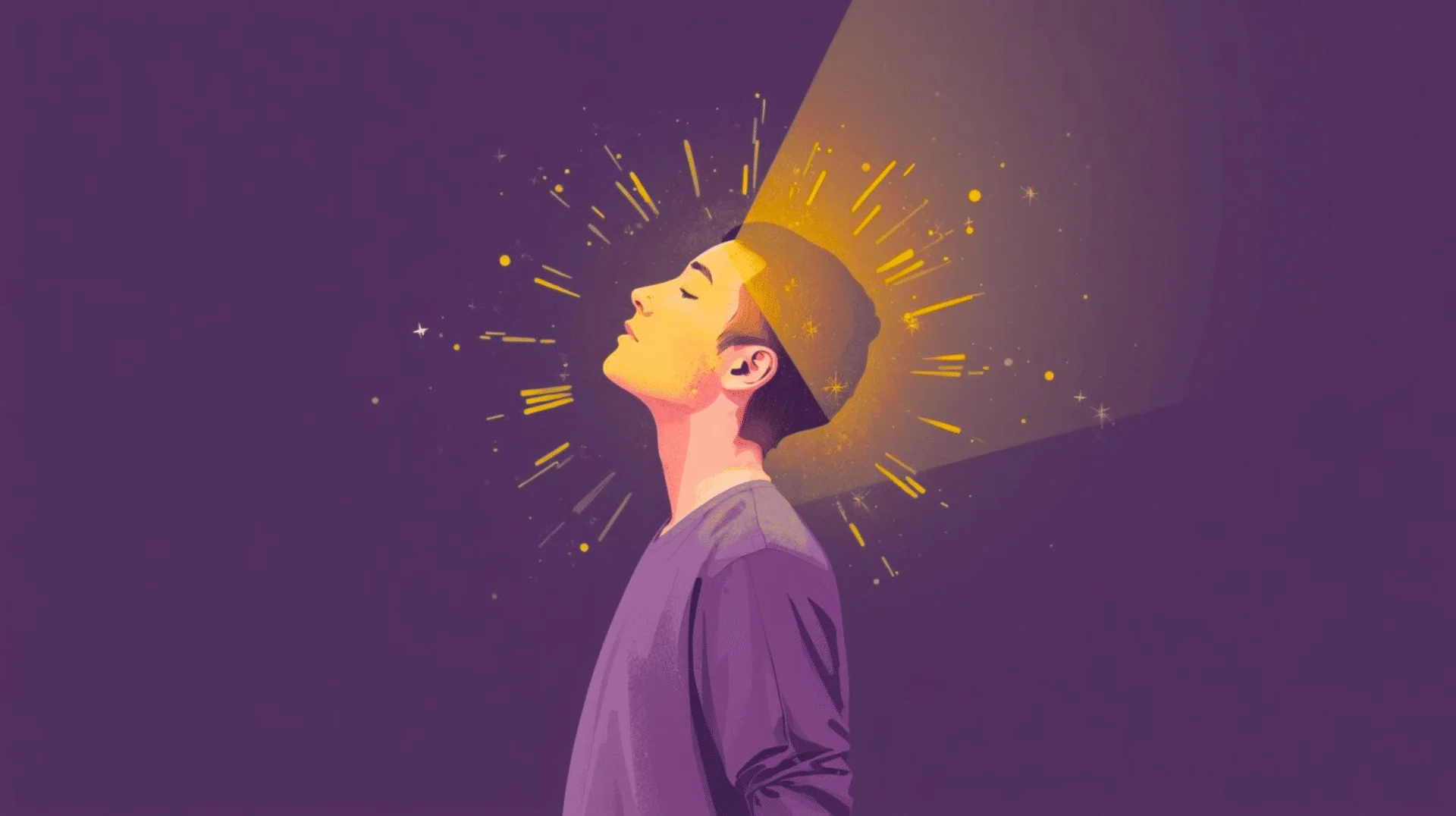
Stress is often thought of as something that resides primarily in the mind, but anyone who feels a stiff neck, tight shoulders, or a heavy chest knows better. Stress doesn’t just stay up there, it moves through your body, affecting posture, muscle tension, sleep quality, and energy levels. Understanding how stress emerges itself physically and learning how to ease it can help you improve both your mental and physical wellness.
In this article, we’ll dive into the mind-body connection, identify common physical signs of anxiety, and offer practical strategies to relieve tension through small daily routines, tactile comfort, and recovery techniques.
How Does Stress Affect the Mind-Body Connection?
Stress is more than racing thoughts or worry. When the brain perceives a threat, whether real or imagined, the body responds automatically. This “fight or flight” response triggers a cascade of physiological changes:
- Muscles tighten to prepare for action.
- Heart rate increases and blood pressure rises.
- Breathing becomes shallower.
- Cortisol and adrenaline surge.
While these responses were lifesaving for our ancestors, chronic stress in modern life can keep the body in a state of tension long after the initial threat has passed. This sustained tension manifests as physical discomfort, fatigue, or restlessness, making it difficult to feel calm or focused [1].
Why Physical Symptoms Matter
Ignoring the physical signs of stress can create a feedback loop. Tension in muscles and poor posture make anxiety worse, which in turn keeps muscles tense. By paying attention to what your body is telling you, you can intervene earlier and reduce the intensity of stress symptoms.
Common Physical Signs of Anxiety
Anxiety doesn’t just feel mental, it shows up in the body in subtle and obvious ways. Recognizing these symptoms is the first step toward relief [2].
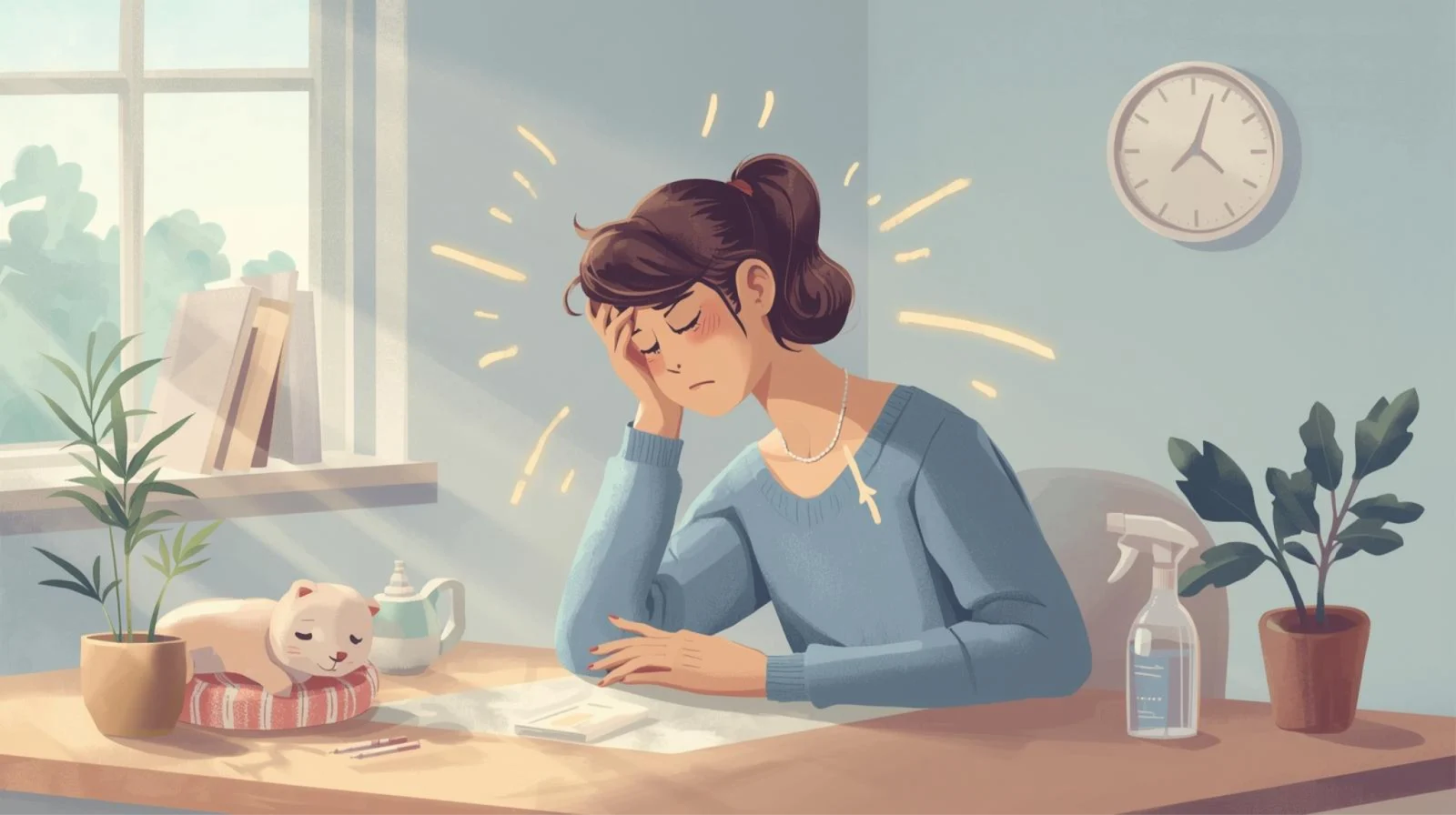
Muscle Tension and Stiffness
Chronic stress often causes tightness in the neck, shoulders, back, and jaw. You might notice:
- Shoulders feeling locked or sore after a long day
- Stiffness that doesn’t improve even after stretching
- Jaw clenching or headaches
These physical cues are the body’s way of preparing for a threat, even if no danger exists.
Fatigue and Low Energy
When muscles remain tense and cortisol levels remain elevated, your energy gets drained faster. You may feel tired despite sleeping enough or wake up feeling unrested.
Restlessness and Fidgeting
Stress can make it difficult to stay still. You might notice foot-tapping, pacing, or constant shifting in your seat. These are subtle ways the body tries to release excess energy and tension [3].
Sleep Disruption
Physical tension can interfere with falling asleep and staying asleep. A stiff neck, tight shoulders, or sore back can make it hard to find a comfortable position, leading to shallow or interrupted sleep cycles.
How the Body Holds Emotional Stress
Stress isn’t randomly distributed. It accumulates in areas where you carry responsibility, tension, or unresolved emotions. Common “stress hotspots” include:
- Shoulders and neck: Often, where people carry daily tension
- Lower back: Can reflect both physical strain and emotional burden
- Hands and wrists: Especially for those who type or write frequently, stress can appear as tension in grip and posture
- Chest and abdomen: Anxiety sometimes manifests as tightness or shallow breathing
Noticing these areas is a key step in targeting relief and reconnecting with your body’s signals.
Tools and Techniques to Relax the Body and Calm the Mind
Relieving stress physically can make it easier to relax mentally. Small, consistent practices can have a big impact.
Targeted Muscle Relief
Using cooling roll-ons, soothing patches, or gentle massage techniques can help muscles relax, reduce pain, and improve circulation. These tools can be used at home, at the office, or even while traveling.
Tactile Comfort and Sensory Support
Soft, comforting objects engage the senses and provide emotional grounding:
- Plushies and cushions: Holding a soft object, or keeping one nearby, can reduce tension and signal safety to your nervous system
- Weighted comfort items: Gently applying pressure with a plush cushion can help release muscle tightness and calm the mind
- Desk companions: Small, soft items can make a workspace feel less stressful and provide mini-moments of relief during long workdays
These tactile supports are subtle and effective for both children and adults, serving as sleep companions, sensory anchors, or daytime stress relievers.
Ergonomic Adjustments
Posture plays a big role in stress. Simple changes can reduce strain on muscles that tend to tighten under tension:
- Adjust your chair, monitor, or desk setup for optimal alignment
- Use supportive cushions or props for lower back and neck support
- Take micro-breaks to stretch or reposition throughout the day
Creating a Nighttime Routine for Stress Relief
A consistent bedtime routine helps your body and mind recognize it’s time to rest. When repeated nightly, it reduces decision fatigue, lowers stress, and promotes deeper sleep. Build a ritual that feels calm, comforting, and easy to follow with these simple steps:
Apply Relaxing Topical Solutions
Use a magnesium-based sleep lotion or balm to ease muscle tension and cue your body to wind down. Focus on tight areas such as your neck, shoulders, or feet for the best results.
Pair with Comfort Objects
Leverage your sense of touch with soft textures, such as soft blankets, pillows, or plush toys. Weighted plushies with a soothing lavender scent combine weighted comfort and aromatherapy to calm your mind and body. Pair with dim lights, gentle music, or calming scents for a complete bedtime atmosphere. [4]
Mindful Breathing or Light Stretching
Spend 5–10 minutes doing slow, deep breathing or light stretches to release residual stress. These movements help regulate your heart rate and relax your nervous system, preparing you for restful sleep. [5].
Daytime Micro-Recovery Rituals
Stress doesn’t only happen at night. Small, intentional moments of recovery during the day can prevent tension from accumulating:
- Short walks or stretching breaks to release stiff muscles
- Desk-based self-massage or roll-ons for shoulders, forearms, or neck
- Holding a small plush or cushion while taking a few breaths can ground your mind during a hectic workday
- Mindful pauses, even 2–3 minutes of focused breathing or body awareness, can reset the nervous system
These small interventions make a significant difference over time and create a buffer against the physical toll of chronic stress.
Emotional Comfort Meets Physical Recovery
Holistic stress relief works best when you combine mental and physical care:
- Mental relief: Mindfulness, journaling, or breathing exercises
- Physical relief: Muscle relaxation, tactile comfort, ergonomic adjustments, and gentle topical aids
By addressing both sides, you break the cycle of tension. As the body relaxes, the mind follows. As the mind calms, muscles let go.
Additional Lifestyle Strategies
Nutrition and Hydration
- Balanced meals stabilize energy levels and reduce mood swings
- Adequate hydration supports circulation and muscle function
Regular Exercise
- Low-impact movement, yoga, or stretching improves circulation, posture, and releases endorphins
- Focus on areas prone to stress, like the shoulders, neck, and lower back
Mindful Technology Use
- Limit screen time before bed
- Use ergonomic devices to reduce eye, neck, and wrist strain
Tips for Integrating Comfort Objects Into Daily Life
- Keep a plush or cushion at your desk for short stress breaks
- Incorporate them into your bedtime routine as a sensory cue for relaxation
- Use tactile objects during meditation or deep breathing to anchor your attention
- Combine with gentle topical applications for added muscle relaxation
These small habits encourage a mindful connection between body and mind throughout the day.
Recognizing When to Seek Help
Even with these strategies, chronic stress or anxiety may require professional support. Signs include:
- Persistent muscle pain or stiffness that doesn’t improve
- Sleep difficulties lasting more than a few weeks
- Frequent headaches or fatigue interfering with daily life
- Feeling constantly on edge or emotionally drained
Consulting a healthcare professional or therapist ensures you receive proper guidance while complementing daily stress-relief routines.
Final Thoughts
Stress isn’t confined to your head. It lives in your shoulders, neck, back, and even your hands and chest. By recognizing the physical signs, introducing small recovery techniques, and incorporating comforting sensory objects, you can support both mind and body.
Gentle interventions, like using a cooling roll-on for tense muscles, a magnesium-based sleep spray, or holding a soft plushie, may seem small but can make a significant difference over time. Coupled with mindful breathing, light stretching, and ergonomic adjustments, these strategies create a holistic approach to stress relief.
Remember, your body speaks to you constantly. Listening, responding, and nurturing it with small, consistent practices can transform how you experience stress, helping you feel calmer, lighter, and more in control of your day and your life.
Looking for more health and wellness solutions? Don’t miss these related guides:-
Frequently Asked Questions:
1. How does stress physically affect my body?
A: Stress triggers muscle tension, shallow breathing, increased heart rate, and elevated cortisol levels. Chronic stress can lead to stiffness, fatigue, disrupted sleep, and headaches. Recognizing these signs early helps you take preventive action.
2. Can small comfort items like plushies really help reduce anxiety?
A: Yes, holding or placing soft objects near you can create a sense of safety and calm. This tactile comfort engages the nervous system, signaling your body that it’s okay to relax.
3. How often should I use tools like roll-ons or sleep sprays?
A: Consistency is key. Using a magnesium-based sleep spray, lotion, or a cooling roll-on daily, especially during your bedtime routine or after long periods of tension, can enhance relaxation and support restorative sleep.
4. Are these stress-relief techniques suitable for everyone?
A: Most people can benefit from gentle physical relaxation, mindfulness, and sensory comfort. However, individuals with chronic medical conditions or severe anxiety should consult a healthcare professional before adopting new routines.
5. How long does it take to notice improvements in stress and sleep?
A: Results vary by person. Many people notice subtle improvements in tension and sleep quality within a few days of consistent practice, while long-term habits like posture adjustment, daily micro-recovery rituals, and mindful routines can lead to more lasting benefits over weeks.
References
- Field, T. (2019). Massage therapy research review. Complementary Therapies in Clinical Practice, 35, 12–20. https://doi.org/10.1016/j.ctcp.2019.03.005
- Harvard Health Publishing. (2020, September 1). Understanding the stress response. Harvard Health. https://www.health.harvard.edu/staying-healthy/understanding-the-stress-response
- McEwen, B. S. (2007). Physiology and neurobiology of stress and adaptation: Central role of the brain. Physiological Reviews, 87(3), 873–904. https://doi.org/10.1152/physrev.00041.2006
- The Soul Co. (2025). Plush comfort products for emotional support and stress relief. https://www.thesoulco.com
- National Sleep Foundation. (2021). How stress affects sleep. https://www.sleepfoundation.org/stress


