




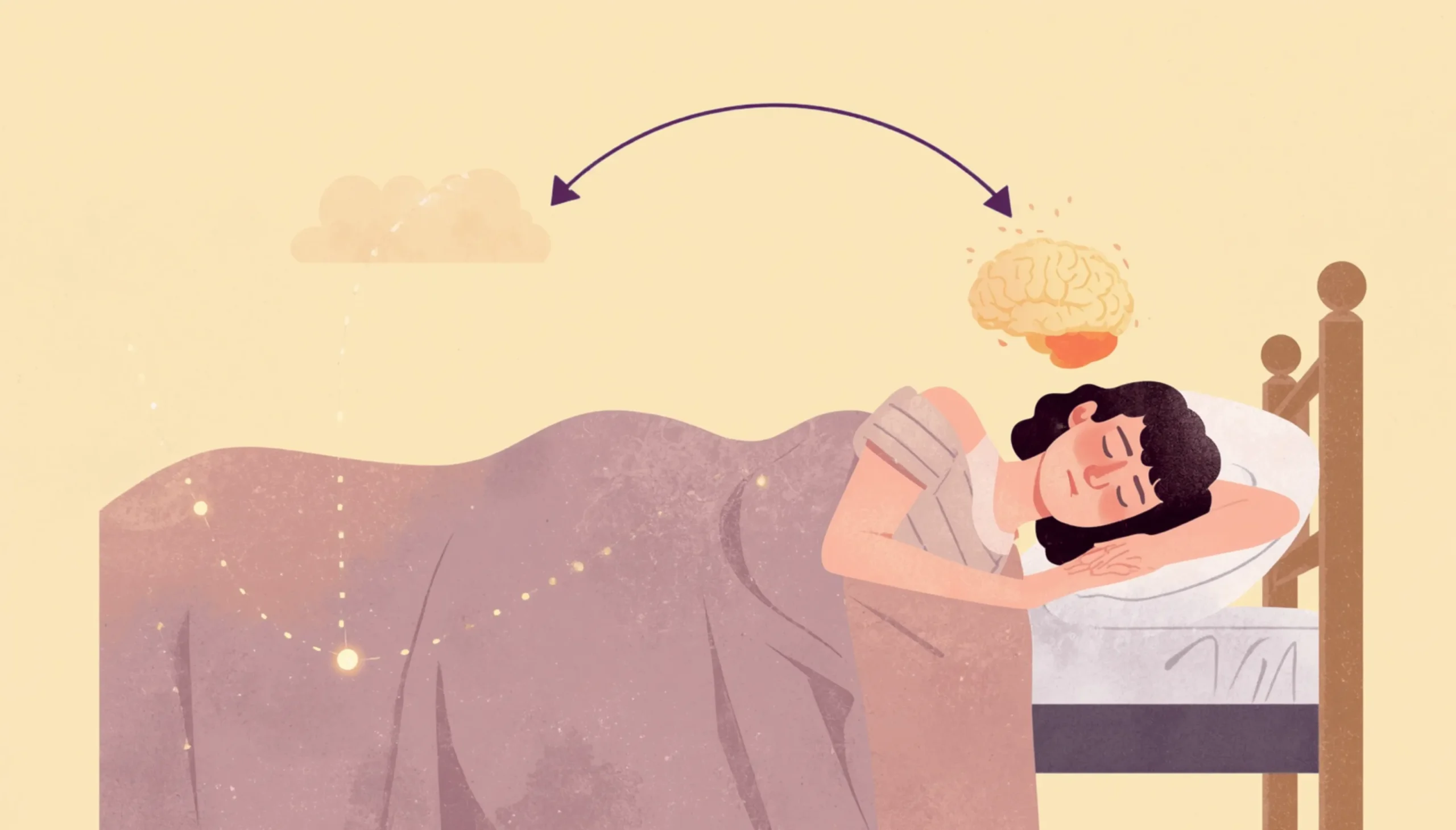
Sleep and pain are often treated as separate issues.
If you are in pain, the focus is usually on the body: muscles, joints, inflammation, posture, or injury. If you are struggling to sleep, the focus shifts to stress, routine, or environment.
But the body does not separate these experiences.
Sleep and pain are deeply connected. Each influences the other in a continuous cycle. Poor sleep increases the body’s sensitivity to pain, and pain makes restorative sleep harder to achieve.
Over time, this creates what can be called the sleep pain loop, a cycle where reduced sleep amplifies discomfort, and discomfort further disrupts sleep.
Breaking this cycle requires understanding that sleep is not simply rest. It is one of the body’s primary mechanisms for regulating pain.
Sleep Is When the Body Regulates Pain
During sleep, the body performs critical repair and recovery processes.
Muscles relax. Tissues repair. Hormones rebalance. The nervous system shifts into a restorative state.
This recovery process plays an essential role in pain regulation.
When sleep quality is good, the body restores its ability to manage inflammation, regulate stress, and maintain balanced pain sensitivity. This means the nervous system responds appropriately to discomfort without becoming overly reactive.
When sleep is reduced or disrupted, this regulation weakens.
The body becomes more sensitive to stress and physical signals. Minor discomfort feels more intense. Areas of tension become more noticeable. Recovery slows.
In simple terms, poor sleep lowers the body’s pain threshold.
Poor Sleep Increases Pain Sensitivity
Research shows that even short-term sleep disruption can increase pain perception.
After poor sleep, the nervous system becomes more reactive. This heightened sensitivity affects how the body interprets physical sensations.
Pressure may feel sharper. Muscle soreness may last longer. Existing pain may feel harder to tolerate.
This happens because sleep deprivation affects the brain’s ability to regulate incoming sensory signals.
The body becomes more vigilant.
Instead of filtering discomfort effectively, the nervous system amplifies it.
This is why pain often feels worse after a bad night’s sleep, even when no structural change has occurred.
Pain Disrupts the Ability to Sleep
The relationship also works in the opposite direction.
Pain makes it harder for the body to relax into sleep.
Discomfort creates difficulty finding a comfortable position. It increases muscle tension and keeps the nervous system alert.
Even if sleep begins, pain can reduce sleep depth and cause frequent waking.
This means the body misses the deeper stages of sleep where the most restorative repair happens.
As sleep quality decreases, recovery declines, pain increases and the cycle continues.
The Nervous System Sits at the Center
The sleep pain loop is largely driven by the nervous system.
When pain persists, the body often remains in a state of heightened alertness. Muscle tension increases, breathing becomes shallower, and stress hormones stay elevated.
This alert state interferes with sleep.
At the same time, poor sleep makes the nervous system more sensitive and reactive.
The result is a body that is both tired and on edge.
This state can create a pattern where pain feels persistent even when tissues are not actively worsening.
The issue is not only the body. It is the body’s regulatory system.
Chronic Stress Strengthens the Loop
Stress makes the sleep pain cycle stronger.
When stress levels remain high, the body stays in a protective mode. Recovery slows, sleep becomes lighter, and pain sensitivity rises.
This means emotional stress can increase physical pain, and physical pain can increase emotional stress.
The loop expands beyond the body.
It affects mood, patience, focus, and energy. Fatigue increases irritability. Pain reduces motivation. Sleep becomes more fragmented.
Over time, this can make the body feel trapped in constant discomfort.
Breaking the Sleep Pain Loop
Breaking the cycle does not always require eliminating pain first.
Often, the most effective starting point is improving the body’s ability to recover.
This means supporting sleep quality and nervous system regulation.
Helpful strategies include:
- Maintaining a regular sleep routine
- Reducing stimulation before bed
- Using slow breathing to reduce tension
- Managing pain triggers during the day
- Allowing movement to improve circulation and comfort
These steps help the nervous system shift out of a reactive state.
When sleep improves, pain sensitivity often decreases.
As pain decreases, sleep improves further.
The loop can work in both directions.
Recovery Is More Than Rest
Rest alone does not guarantee recovery.
A person may spend enough hours in bed but still experience poor-quality sleep if the nervous system remains activated.
This is why addressing pain and sleep together is essential. Pain management without improving sleep often leads to incomplete recovery.
Sleep support without addressing pain may not be enough to restore rest. Both must be considered as part of the same system.
The Real Takeaway
Pain affects sleep, and sleep affects pain.
This relationship creates a feedback loop that can quietly amplify discomfort and delay recovery.
Understanding this connection changes the goal.
Instead of focusing only on reducing pain, the focus shifts to improving the body’s capacity to recover.
Because better sleep does more than restore energy.
It helps regulate inflammation, calm the nervous system, and lower pain sensitivity.
And when the body sleeps better, it often hurts less. That is how the sleep pain loop begins to break.
Co- authored by: Shayamal Vallabhjee
Chief Science Officer: betterhood
Shayamal is a Human Performance Designer who works at the intersection of psychology, physiology, and human systems design, for the last 25 years he is helping high-performing leaders, teams, and athletes thrive in environments of stress, complexity, and change. His work spans across elite sports, corporate leadership, and chronic health and is grounded in the belief that true performance isn’t about pushing harder, but designing better.


