






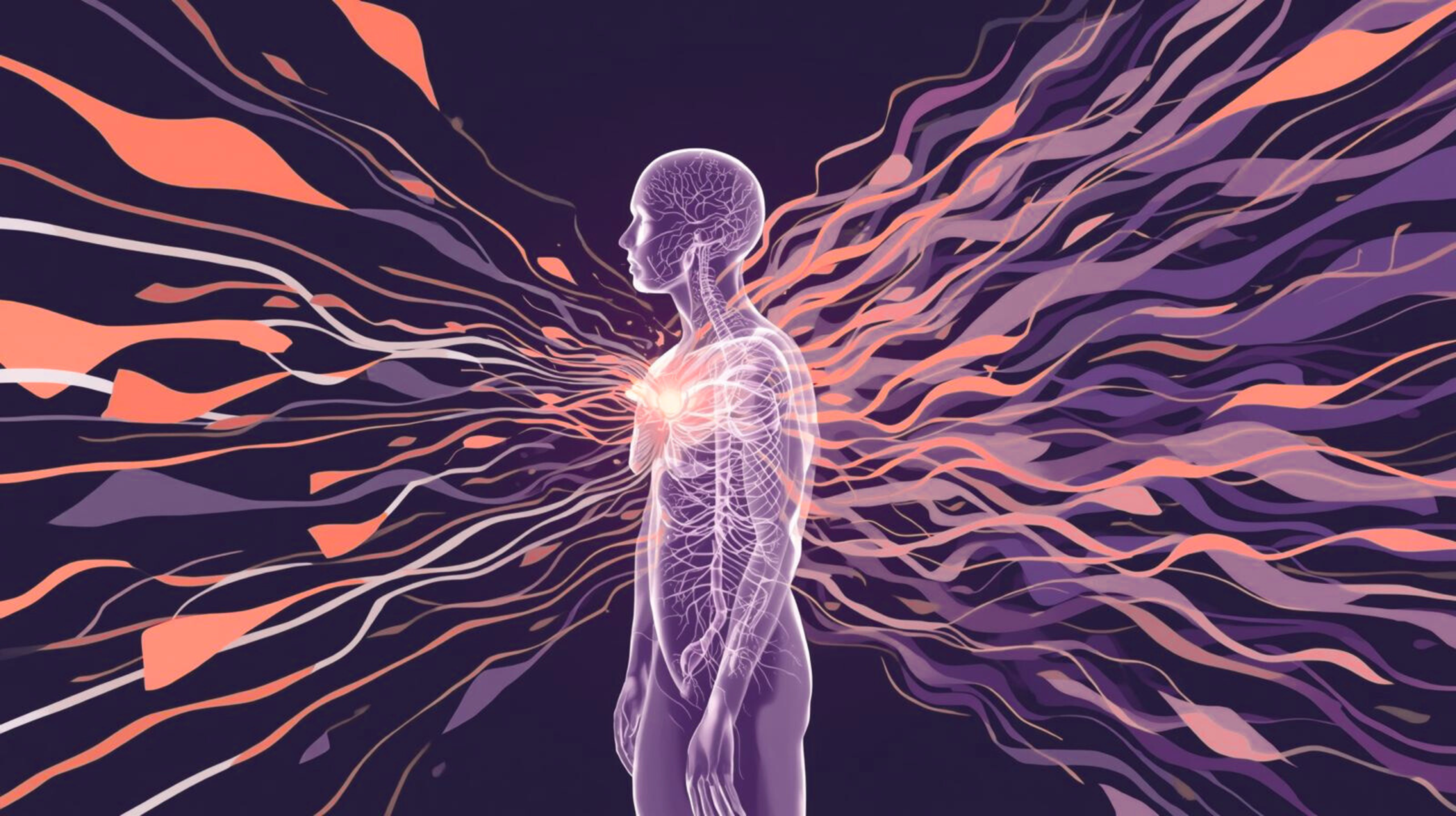
Modern life moves fast. Deadlines overlap, notifications never stop, and productivity is praised more than restoration. We move from stress to stress with barely a pause and expect the body to keep up quietly.
But biology doesn’t work on calendar time. It works on repair time.
The growing mismatch between how fast life moves and how slowly the body heals is what creates the recovery gap and it sits at the root of chronic pain, fatigue, burnout, and recurring injury. [1]
What Is the Recovery Gap?
The recovery gap is the space between:
Stress applied to the body (physical, mental, emotional)
Time allowed for biological repair
In healthy systems, stress is followed by recovery. Tissue adapts. The nervous system resets. Hormones rebalance.
In modern systems, stress stacks faster than repair can occur.
The result isn’t collapse overnight, it’s slow degradation.
Biology Requires Lag Time
Healing is not instant, even when damage is minor.
Consider what repair actually involves:
- Tissue remodeling
- Inflammation resolution
- Nervous system downregulation
- Hormonal recalibration
- Cellular cleanup and regeneration
These processes require time in a low-threat state. [2]
Sleep helps, but sleep alone is no longer enough when the body never fully exits stress mode during waking hours.
Recovery requires biological slack – unpressured time where the system is not being asked to perform, decide, respond, or brace.
Modern Stress Is Continuous, Not Episodic
The human stress response evolved for short bursts:
- Hunt
- Escape
- Fight
- Recover
Modern stress is different:
- Constant cognitive load
- Emotional vigilance
- Sedentary posture with high alertness
- No clear endpoint
The nervous system never gets the signal that the threat has passed. [3]
Without that signal, repair stays incomplete.
Why Healing Feels Slower Than It Used To
Many people say:
“I don’t recover like I used to.”
That’s not aging alone. It’s accumulated recovery debt.
When recovery windows shrink:
- Inflammation lingers
- Pain thresholds drop
- Energy availability declines
- Sleep becomes lighter
- Injuries recur more easily
The body isn’t weaker. It’s under-recovered.
The Nervous System Sets the Pace of Healing
Tissue heals faster in a regulated nervous system.
When the nervous system is stuck in:
- Sympathetic dominance (fight-or-flight)
- Hypervigilance
- Constant urgency
The body prioritizes survival, not repair.
Digestive function slows. Immune efficiency drops. Tissue remodeling becomes inefficient. [2]
This is why stress delays healing not psychologically, but biologically.
Micro-Recovery Is Not Real Recovery
Modern life offers substitutes:
- Scrolling breaks
- Passive entertainment
- Short vacations packed with activity
- “Rest” that still involves stimulation
These don’t restore the system.
True recovery requires:
- Reduced sensory input
- Rhythmic movement
- Breath-led regulation
- Low cognitive demand
- Absence of urgency
Without these, the nervous system remains on standby.
Pain Lives in the Recovery Gap
Chronic pain often isn’t caused by new injury. It’s caused by incomplete resolution.
When the body doesn’t get time to finish healing:
- Sensitivity increases
- Protective tension becomes habitual
- Pain thresholds drop
- The brain learns of threats.
Pain becomes a signal of insufficient recovery, not excessive damage. [1]
Why “Pushing Through” Backfires
Modern culture rewards endurance:
- Ignore fatigue
- Train harder
- Work longer
- Recover later
But recovery can’t be postponed indefinitely.
Every skipped recovery window adds to load. Eventually, the system forces a slowdown through:
- Pain
- Illness
- Burnout
- Injury
Not as punishment but as protection.
Closing the Recovery Gap
Closing the recovery gap doesn’t require doing less forever. It requires placing recovery on the same level as effort.
Practical principles:
- Build pauses into the day, not just the weekend
- Use movement that calms, not stimulates
- Respect fatigue as information
- Create non-negotiable low-demand time
- Restore rhythm before intensity
Recovery is not laziness. It is biological maintenance.
Healing Needs Space
The body heals slower than life moves not because it’s failing, but because it was never designed to operate without pause.
When we give biology the time it needs, healing resumes.
Pain softens. Energy returns. Resilience rebuilds.
Not by doing more but by finally allowing the repair to catch up.
Co- authored by: Shayamal Vallabhjee
Chief Science Officer: betterhood
Shayamal is a Human Performance Designer who works at the intersection of psychology, physiology, and human systems design, for the last 25 years he is helping high-performing leaders, teams, and athletes thrive in environments of stress, complexity, and change. His work spans across elite sports, corporate leadership, and chronic health and is grounded in the belief that true performance isn’t about pushing harder, but designing better.
References
- International Association for the Study of Pain. (2020). Pain and its relationship with stress and recovery. https://www.iasp-pain.org
- National Institutes of Health. (2022). Stress, inflammation, and tissue repair. https://www.ncbi.nlm.nih.gov
- American Psychological Association. (2023). Chronic stress and the nervous system. https://www.apa.org/topics/stress
- Harvard Health Publishing. (2022). Why recovery slows with chronic stress. https://www.health.harvard.edu
- Cleveland Clinic. (2023). Breathing techniques and nervous system regulation. https://my.clevelandclinic.org


