





Have you ever wrapped up a long day and felt like you’d walked a marathon barefoot on rocks? Feet pain has a sneaky way of creeping in, whether it’s from unsupportive shoes, standing for hours at work, or ignoring proper arch support. Many people brush off feet pain as “normal” and try to walk it off, but persistent feet pain is often your body’s first warning sign. Left unchecked, it doesn’t just stay in the feet, it can travel upward, triggering knee strain, hip discomfort, and even posture problems.
This article breaks down why proper foot support matters, how insoles, heel pads, and supportive footwear can ease feet pain, and practical ways to keep discomfort from slowing you down, comfortably and confidently.
Why Do Feet Hurt So Much at Times?
Everyday Activities That Quietly Wear Down Your Feet
Your feet account for the weight of your whole body, and things such as hiking long distances, standing for hours or wearing inadequate shoes can make arches and heels sore. Over time, this stress leads to inflammation, aches and fatigue. Footwear with no arch support or cushioned shoes and can make the matter worse [1].
The Impact of Poor Foot Habits on Long-Term Foot Health
They can lead to plantar fasciitis, strained tendons, and even postural issues [2]. Your feet have a memory, although they’re not talking about it. Every unsupported step you have ever taken is still stuck in there.
How Can Proper Foot Support Reduce Pain?
Can Insoles Work in Reality?
Yes! Foot insoles change the distribution of pressure, support feet arch and reduce pressure on heels as well as metatarsus. But even marginal inserts can keep those little aches from snowballing into chronic pain. The majority of people feel better after a few hours of using high-quality insoles [3].
How Do Heel Pads Help With Discomfort ?
Heel sheets absorb the pressure caused by each step, minimizing shock to the bones and tendons. They’re great for people with plantar fasciitis, Achilles tension or simple foot pain from standing all day. Minimal but impactful, heel pads fit discretely into shoe without changing the fit [4].
Does Proper Footwear Make a Big Difference?
Absolutely. Good fitting shoes with a modest heel and arch that is supported provide the muscles and ligaments relief. Covering these with insoles or heel pads enhances the shoe’s comfort; they turn painful walks into what feels like a parade of pleasure.
What are Good Exercises and Practices for Healthy Feet ?
Foot and Toe Stretches
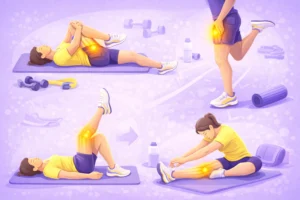
Stretching the toes, arches and calves will release tighter muscles. Some very basic movements, like picking up marbles with your toes or towel scrunches that help improve flexibility and decrease soreness. These short workouts, even just 5-10 minutes a day, are powerfully effective [5].
Massage and Rolling Techniques
Gentle massaging and rolling helps relieve tension in your plantar fascia, improves circulation and reduces soreness from “pounding the pavement” all day long. Using your thumbs to work along the arch and heel, or gently rolling the foot over a small ball, frozen water bottle or textured roller can achieve a mix of mechanical release and gentle stretching.
These methods promote blood flow, reduce irritated tissue and speed recovery when applied regularly. An all-natural soothe-the-soreness topical product after the fact can also help, but the best remedy is continued sensitive (in a mind/body sense) pressure rather than force. Five to 10 minutes a day can go a long way in helping to keep the plantar fascia more flexible, and comfortable as long as you wear supportive shoes and have arch support.
Can Rotating Shoes Ease Foot Stress?
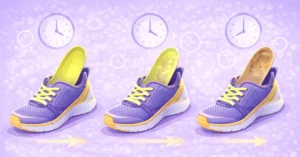
Yes! It may help to alternate your shoes which can relieve the same foot structures from repetitive stress. Going from high heels to, say, flats or cushy sneaks gives your arches a chance to rest, which can help prevent overuse injuries.
How to Choose the Best Foot Support Products?
Factors to Consider When Buying Insoles:-
- Compatible Arch Type: High,Medium or Low
- Material insole: memory foam, gel, EVA etc.
- (ii)Durability and shoe fit
- All-day slipping is protected against with comfort
Heel Pads Work because…
- Proper thickness for shock absorption
- Soft yet firm material for stability
- Type of shoe connection (heels, flats, sneakers)
- Easy insertion and removal
Signs That Your Foot Pain Requires Medical Evaluation
- Pain for over a week despite rest and support
- The foot is swollen, red, or warm to the touch
- Numbness, tingling, or difficulty walking
- Pain in the heel or on the arch that is sharp and stabbing
- Prompt prevention, such as from plantar fasciitis or related tendon troubles, reduces risk of chronic injuries worsening [6].
Effective DIY and Home Treatments for Foot Pain Relief
Warm Foot Soaks for Relaxation, Circulation, and Pain Relief
There is nothing better than a hot foot bath at the end of a long day on your feet. Soaking in warm water mixed with Epsom salts can decrease swelling, relieve muscle aches and pains, and build circulation. To further ease pain, a few drops of peppermint or lavender oil offer a cooling, soothing feeling. Soak sore feet and gently massage the arches and heels.
Cold Therapy to Reduce Foot Inflammation and Swelling
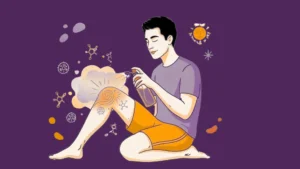
Yes, cold therapy helps, especially if you are dealing with sharp soreness, swelling or inflammation. A cold pack placed for 10 to 15 minutes decreases blood flow to the inflamed site, soothing irritation. Countless people swear by rolling a frozen water bottle under the foot: it’s like a little massage and an ice pack all in one. This is great for heel pain caused by standing on your feet or walking all day.
Foot Massage Techniques to Improve Circulation and Ease Soreness
When you have them massaged, you help to improve circulation, relieve tension and minimize stiffness. With the thumbs, press lightly against the arch and heel. Rolling a tiny ball or even a tennis ball under your foot provides instant relief and replicates the effects of dominatrix-level massaging. Even just 5-10 minutes a day helps keep feet flexible and comfortable.
Daily Habits That Help Prevent and Reduce Foot Pain
Alternating Shoes During the Day to Reduce Pressure Points
Changing your shoes during the day helps avoid concentrating on the same pressure points. For example, switching out heels for flats, or padded sneakers on long walks can help the arches and heels to recuperate. Carrying an extra pair of shoes in your bag can even make a big difference over time. Consider it a mini vacation for your feet in the middle of the day.
Foot Strengthening Exercises for Long-Term Pain Prevention
Exercises to strengthen the muscles can prevent repeat pain. Simple activities like:
- Towel scrunches: Put a towel on the floor and use your toes to scrunch it toward your body. This strengthens arches.
- Pick up marble: pick a small object with the toes as to be flexible and balanced.
- Toe stretches and flexes: Tapping into some reflexology here, relaxing and lengthening the toes lessens tension and increases circulation.
It feels silly doing them for 5–10 minutes a day but in the long run, your feet become much stronger and you can finally wear any shoe without pain [1] Get Silly – Treat Your Feet Right To combat this form of muscular degeneration, another great exercise is to “make a fist” with your toes.
Proper Posture and Weight Distribution to Minimize Foot Stress
Definitely. Hunching or putting too much weight on the heels or balls of your feet can make pain worse. Avoiding overuse-causing standing or walking with alternating distributions of weight. When good posture meets arch-support insoles, alignment is from foot to hip and less stress is placed on joints and ligaments.
How Can Foot Support Products Subtly Improve Comfort?
Insoles That Redistribute Pressure and Support Foot Arches
Insoles do this by redistributing weight across the foot and supporting arches while absorbing shock during each step. Memory foam or gel insoles will conform to your foot, which allows for all-day comfort. Betterhood The insoles from Betterhood subtly alleviate the pressure points for less painful and more enjoyable day-to-day movement.
Heel Pads for Targeted Heel Pain and Impact Relief
Heel pads alleviate pressure on and impact to the back of the foot. Individuals with plantar fasciitis, Achilles discomfort or even general heel distress find immense relief in a thin pad placed in their shoes! It’s a minor adjustment, but it’s so enormous; a whisper of an answer that neatly slips into cool shoes [2].
Can Pain-Relief Lotions and Roll-Ons Help ?
Yes! Topical remedies like betterhood’s pain-relief roll-ons or magnesium recovery lotions deliver calming relief to aching arches, heels and metatarsals. They don’t replace structural support, but are particularly effective when paired with other inserts like insoles or heel pads to deliver a more cumulative sense of relief. They can also be of service following long walks, shifts on your feet or hard workouts.
When to See a Doctor ?
It is normal for your feet to hurt a little bit, but some symptoms can mean it’s time to seek help:
- The pain doesn’t subside after a week despite home remedies
- Tenderness, redness, or warmth at the heel or arch.
- Persistent numbness or tingling
- Sharp pain, Stabbing and causes difficulty in walking
Receiving prompt medical guidance, on the other hand, may help minor discomfort from becoming something more substantial, such as plantar fasciitis, tendonitis or stress fractures [3].
Conclusion: Move Freely Again with Healthier, Pain-Free Feet
You shouldn’t let foot pain disrupt your life, or your style. Good foot support, stretching and light massage every day and some simple home cures, it could minimize your pain to a great extent. Betterhood insoles, heel pads and pain-relief roll-ons offer effortless support for a healthier lifestyle.
Consistency is key. Invest just a few minutes a day in foot care and you’ll develop stronger arches, cushioned heels and happy tootsies. In the long term, it prevents chronic pain, enhances posture and lets you enjoy every step, even in heels or flats (or sneakers), not just as a temporary, short-term fix.
Explore More Health & Wellness Solutions:
Would you like to be up-to-date on everyday health and wellness issues? Here are some interesting pieces to help you. Follow the links below if you want practical tips or solutions:
- What Causes Back Pain? Understanding Root Triggers & Prevention Tips
- 10 Effective Home Remedies for Body Pain Relief Naturally
- Wrist Support Braces Explained: Protocols for Pain Relief
- Pillow for Neck Pain: Best Contour Pillow Every Side Sleeper Needs
Frequently Asked Questions:
Typically, most individuals feel relief in just a few days of regular use.
Not always, but they’re especially useful with heels, flats that have no arch support or shoes that are hard-soled.
Daily or a minimum of 4–5 times per week; even simply 5-10 minutes is enough to see the benefit.
No, but they work hand in hand with structural supports in offering instant relief after long walks or stand-up sessions.
See a doctor; if the pain lingers, it might be a sign of plantar fasciitis or tendon problem or other foot condition.
References
1. Everyday footwear and arch support effects**
Fong, D. T. P., Pang, K. Y., Chung, R. C. K., Ho, J. T., Fu, Y. C., & Chan, K. M. (2020). Effects of arch support on ankle muscle activations during unanticipated single-leg landings in female athletes. Journal of Orthopaedic & Sports Physical Therapy, 50(8), 447–454.https://pmc.ncbi.nlm.nih.gov/articles/PMC9664602/
2. Poor foot habits and plantar fasciitis/postural issues**
Cáceres-Madrid, M. V., et al. (2025). The influence of prefabricated foot orthosis use on the foot posture index in school children. Children, 12(1), 45.https://pmc.ncbi.nlm.nih.gov/articles/PMC12743883/
3. Insoles for foot pain relief**
Taseh, A., Detels, K., Ghandour, S., Karaismailoglu, B., Ashkani-Esfahani, S., & Landsman, A. S. (2024). The efficacy of graded arch support insoles in patients with common foot ailments: A clinical trial. Foot & Ankle Orthopaedics, 9(4).https://journals.sagepub.com/doi/10.1177/2473011424S00529
4. Heel pads for plantar fasciitis/Achilles**
Rabey, K., et al. (2021). Risk factors for plantar fasciitis in physically active individuals: A systematic review and meta-analysis. Sports Health, 13(5), 497–507.https://pmc.ncbi.nlm.nih.gov/articles/PMC8083151/
5. Foot strengthening exercises efficacy**
Jung, D. Y., Kim, M. H., & Cha, E. J. (2011). The effects of 8 weeks of arch support insole training on the cross-sectional area of abductor hallucis muscle in young adults with flat feet. Journal of Physical Therapy Science, 23(5), 837–839.https://pmc.ncbi.nlm.nih.gov/articles/PMC7446821/
6. Medical evaluation for persistent foot pain**
Advanced Podiatry and Wound Care. (2024). Excessive supination affects your foot health. https://www.advancedpodiatryandwoundcare.com/blog/excessive-supination-affects-your-foot-health