






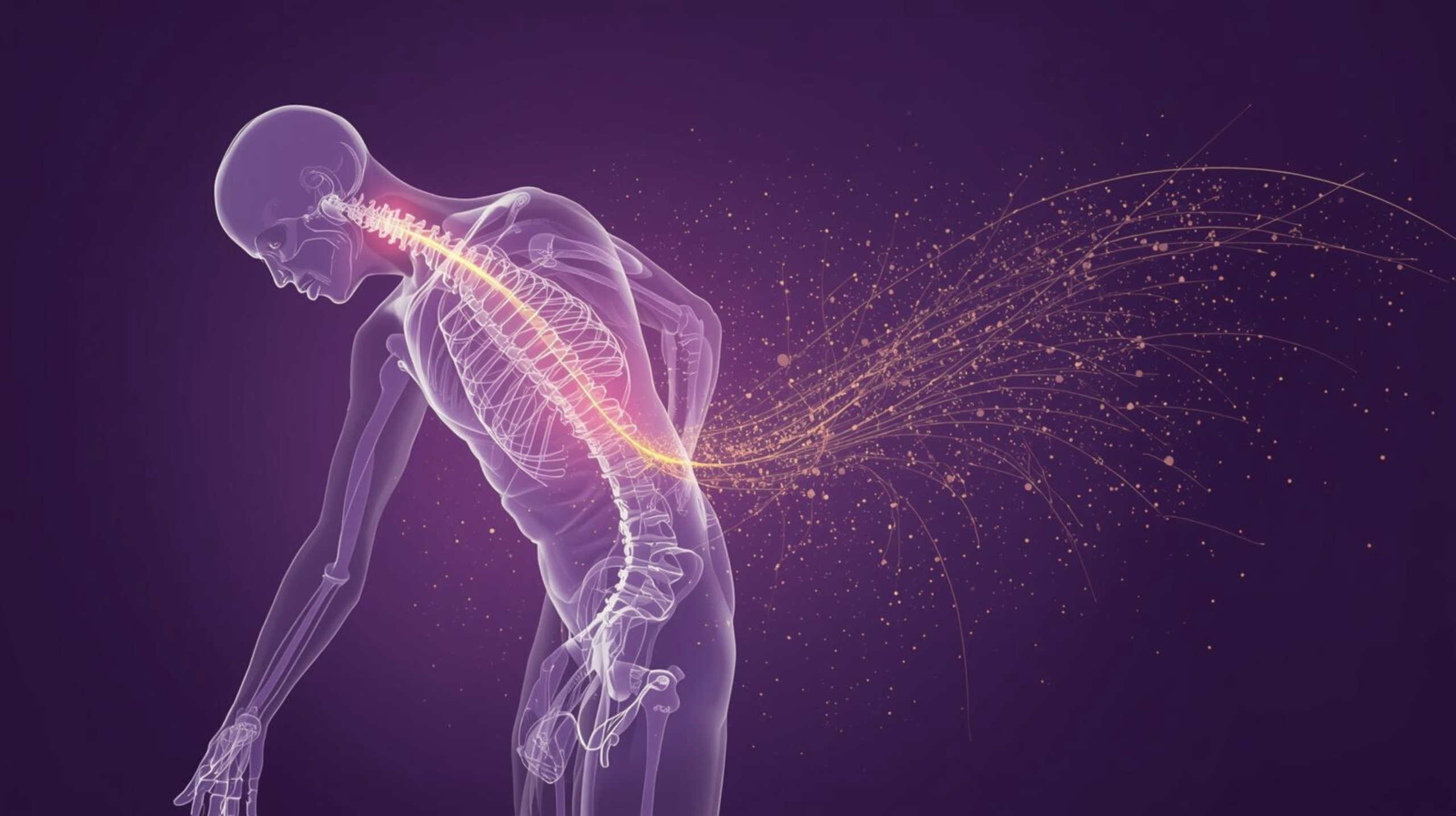
For a long time, emotional health has been treated as a problem of thoughts. Change your mindset. Build confidence. Think more positively. But quietly, beneath all that mental effort, another system has been shaping how you feel long before a single thought forms.
Your posture.
The way you sit, stand, and move is not just mechanical. It is emotional data made visible. Long before you label an emotion, your body has already taken a position.
And it rarely lies.
Your Posture Is Not Just Physical
It Is Emotional
Posture is the nervous system expressed through the body. [1]
A collapsed chest, rounded shoulders, forward head, shallow breathing, these are not random habits. They are protective patterns shaped by stress, fear, fatigue, and emotional load. [2]
When the body senses prolonged pressure, it doesn’t wait for conscious understanding. It adapts physically.
You don’t decide to slump. Your nervous system chooses it for you.
What the Nervous System Is Saying Through Posture
The nervous system is constantly asking one question:
“Am I safe?”
Posture is one of the fastest ways it answers.
A collapsed posture often signals withdrawal, low energy, or threat sensitivity
A rigid, over-upright posture often signals vigilance and control
A relaxed but upright posture signals safety and regulation
These positions influence how the brain interprets the world. The body doesn’t follow emotions, emotions often follow the body. [3]
When the Body Feels Unsafe, It Folds Inward
Under chronic stress, the body prioritizes protection.
The shoulders roll forward to shield the chest. The neck juts forward to scan the environment. The breath becomes shallow to stay alert.
Over time, this posture becomes familiar. Normal. Invisible.
But internally, it keeps the nervous system in a low-grade threat state. [4]
This doesn’t show up as dramatic anxiety.
It shows subtle emotional changes.
Low confidence. Reduced motivation. Emotional fatigue. A sense of heaviness or withdrawal that feels hard to explain.
Posture Shapes Emotion, Not Just the Other Way Around
Research consistently shows that posture influences:
- Cortisol levels (stress hormones)
- Serotonin and dopamine signaling
- Confidence and emotional resilience
- Pain sensitivity and fatigue [5]
When the spine collapses, breathing efficiency drops. Reduced oxygenation and vagal tone signal the brain to stay cautious.
The brain responds accordingly.
You don’t feel low because you’re weak. You feel low because your body is broadcasting a message of strain.
The Posture Emotion Loop
Once posture shifts, it reinforces emotional state.
Slumped posture reduces energy and motivation. Reduced energy reinforces withdrawal. Withdrawal maintains the posture.
This loop doesn’t need trauma to begin. It only needs repetition.
Long hours sitting. Phone use. Emotional stress without release. Ignoring fatigue.
The body learns a story and holds it in muscle and fascia.
The Signs Are Quiet but Consistent
Emotionally driven posture patterns often show up as:
- Feeling tired even after rest
- Difficulty feeling confident “from the inside”
- Emotional flatness or heaviness
- Neck, upper back, or jaw tension
- Shallow breathing without noticing
These are not personality traits. They are physical adaptations to prolonged stress. [2]
Fixing Posture Is Not About Forcing Alignment
“Sit up straight” rarely works and often backfires.
Forced posture adds tension. The nervous system interprets it as effort, not safety.
Real change comes from restoring support, not control.
When the body feels supported:
- The spine stacks naturally
- The chest opens without strain
- Breathing deepens automatically
- Emotional tone softens
Posture improves as a side effect of regulation.
Movement Rewrites the Story Faster Than Thought
Gentle spinal movement, rotation, and breath-led motion send new information to the brain.
They say:
“I can move.”
“I’m not trapped.”
“I’m supported.”
This is why posture often improves during walking, dancing, stretching, or slow flow practices not because you corrected it, but because the nervous system felt safer. [3]
The Real Takeaway
Your posture is not a flaw to fix. It is a message to listen to.
Before asking why you feel low, anxious, or disconnected, ask: What position has my body been holding for years?
Because emotional health doesn’t only live in thoughts. It lives in the shape you inhabit.
And sometimes, the fastest way to feel better emotionally is to give your body a reason to stand differently.
Not taller out of effort but safer, supported, and at ease.
Co- authored by: Shayamal Vallabhjee
Chief Science Officer: betterhood
Shayamal is a Human Performance Designer who works at the intersection of psychology, physiology, and human systems design, for the last 25 years he is helping high-performing leaders, teams, and athletes thrive in environments of stress, complexity, and change. His work spans across elite sports, corporate leadership, and chronic health and is grounded in the belief that true performance isn’t about pushing harder, but designing better.
References
Frontiers in Psychology. (2017). Posture influences emotional and cognitive states. https://www.frontiersin.org
Cleveland Clinic. (2023). Posture and its effects on health. https://my.clevelandclinic.org
American Psychological Association. (2023). Stress effects on the body. https://www.apa.org/topics/stress/body
Harvard Health Publishing. (2022). How posture affects your mood and health. https://www.health.harvard.edu
National Institutes of Health. (2021). Chronic stress and nervous system regulation. https://www.ncbi.nlm.nih.gov


