





Have you ever felt as if the weight of the world were on your shoulders? Or perhaps your hips are stiffer than a rusty hinge? You’re not alone. In today’s world of seated desk jobs, lengthy commutes and countless hours on the screen life, our bodies are aching for some relief. And that’s where Gomukhasana comes in the thousands-of-years-old yoga pose to help people unlock flexibility and discover pain relief.
So let me tell you something: this isn’t yet another yoga pose to add to your practice. Gomukhasana (pronounced go-moo-KHAHS-uh-nuh), or Cow Face Pose, feels like a full-body tune-up for those of us who are overworked and out-of-whack in multiple areas. Whether you have nagging pain in your shoulder, if your hips are feeling especially tight or if chronic back pain is something that occupies far too much of your thoughts each day, this pose may just become one of your new besties.
What is Gomukhasana (Cow Face Pose)?
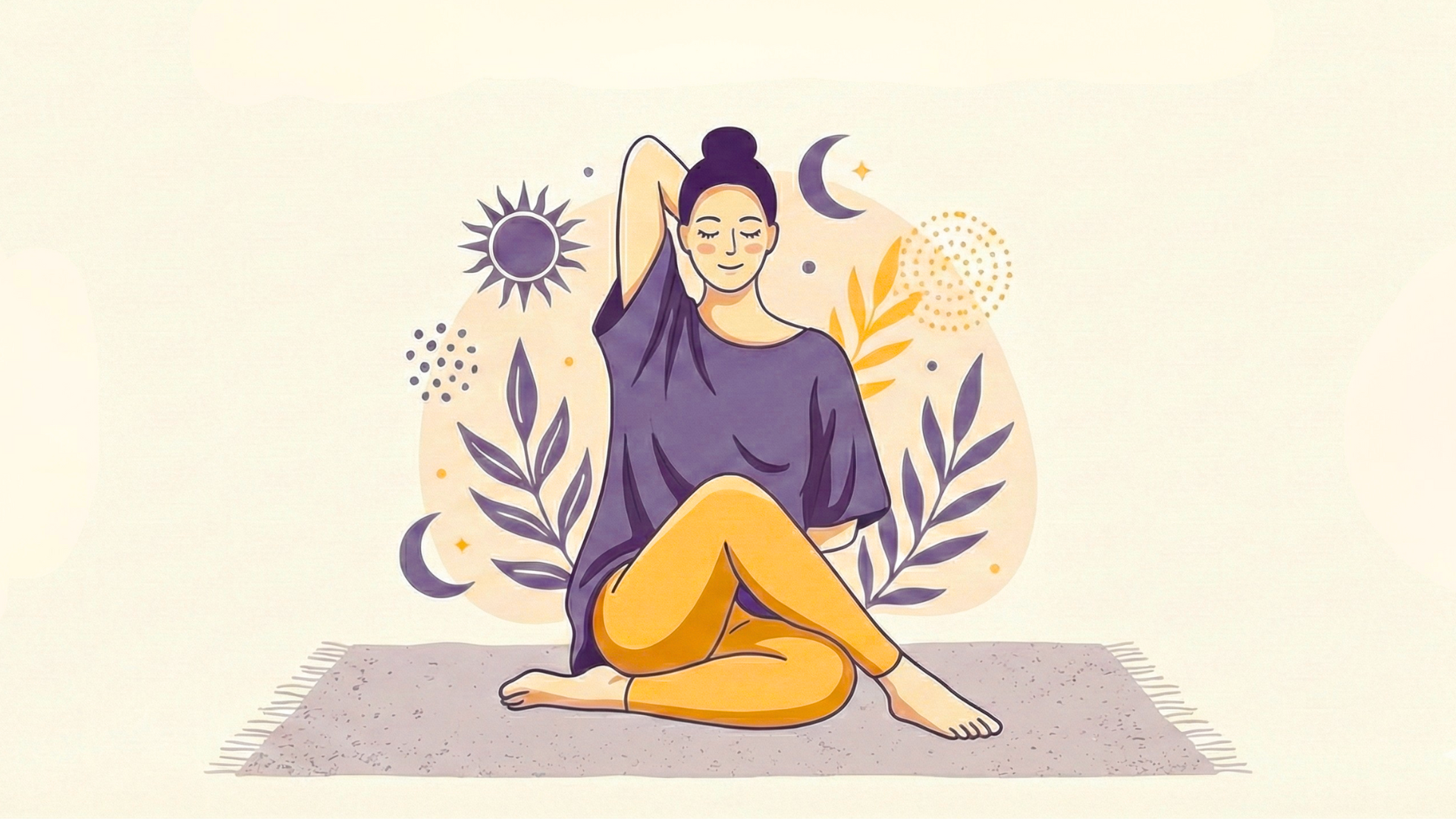
The term “Gomukhasana” is derived from the Sanskrit word go (meaning cow), mukha (meaning face) and asana (meaning pose). Your stacked knees while in the pose look like a cow’s lips and your arms reaching behind you are the cow’s ears. Pretty creative, right?
But what it does really well is this: This pose packs a huge punch in opening the tightest places on your body; your shoulders, chest, hips and spine. Think of it like targeted relief for all those places modern life simply adores to grip.
Definition and Significance in HathaYoga
Gomukhasana is also a part of the Hatha Yoga, one of the traditional styles of yoga practice that emphasizes asanas and pranayama. Studies revealed that Hatha yoga exercises improved spine movement and flexibility, irrespective of age [1]. In a separate study of 56 women, ages 50 to 79, practicing Hatha yoga regularly produced noticeable increases in the flexibility of spines in all three dimensions of movement in just 20 weeks [1].
This pose has existed for thousands of years as a means to clear the body from physical tension and opens energy channels in order to prepare for meditation. Today, it is not only an acknowledged spiritual practice, but a clinically proven intervention for musculoskeletal health.
How to Perform the Cow Face Yoga Pose Correctly ?
Let’s analyze it one step at a time so you can work on this safely and productively:
Step-by-Step Pose Instructions
- Begin in a seated position on your yoga mat with legs stretched out in front of you.
- Fold your right knee placing the left foot on the outside of right hip, while bending at your knees.
- Stack your left knee directly on top of your right heel and bring the foot outside of your right hip (both knees should be stacked).
- Extend your right arm straight up toward the ceiling, then bend and drop your hand behind your head.
- Take your left arm behind your back, bending at the elbow, and reach up toward your right hand
- Interlace your fingers (or if you’re unable to reach, take a strap or towel)
- Wait 30-60 seconds; breathe deeply.
- Let that tension go and repeat on the other side.
Breathing and Body Alignment Tips
Here’s where a lot of people mess up: They forget to breathe! Your breath is your guide in this posture. Inhale deeply and slowly through your nose, let the air fill your chest completely. This will help to relax the tension and deepen the stretch.
Key alignment cues:
- Keep your spine lengthened and upright, don’t slump forward
- Feel the weight evenly on your sitting bones
- Head should be in a neutral position, meaning it’s not tipping forwards or backwards
- Your shoulders relaxed away from the ears.
If you are not able to sit comfortably on the floor, fold a blanket or place a block under your seat.
Physical Benefits of Gomukhasana
Now- let’s discuss why all this is so effective. According to research, yoga interventions have significant effects on musculoskeletal disorders in promoting objective measurements and subjective sense of wellness [2].
Deep Shoulder and Chest Stretch
And if you work at a computer, you’re familiar with that forward-hunched feeling all too well. Gomukhasana counteracts these ill effects by opening the chest and shoulders. Studies on Shoulder Pain: Yoga showed significant improvement in all shoulder movements, including abduction, flexion and internal rotation(2).
Yoga participants were found to significantly improve their balance and quality of life compared with control groups, in a study involving subjects with shoulder disabilities (2). The position stretches the rotator cuff muscles, deltoids and pectoral muscles; all spots that tend to get chronically tight from our modern lifestyle.
Hip Opening and Lower Body Flexibility
Your hips don’t lie and they likely are saying they need more movement! Gomukhasana’s crossed-leg set up gives a deeper hip opening that works the gluteus maximus, tensor fasciae latae, and external rotators of your hip.
Research shows that yoga enhances joint mobility, especially among older adults (3). One systematic review observed that the regular practice of Yoga, irrespective of age, improves flexibilities both spinal mobility and hamstring muscles (1).
Reduces Back, Arm and Sciatic Pain
Here’s where Gomukhasana really shines. Stretching and lengthening of the spine in this asana work wonders for back pain and sciatica nerve pain (2). The literature shows that, in yoga interventions, the benefits are better associated with mobility improvements and symptomatology for back pain and hip (2).
A trial in chronic neck pain found that yoga provided significantly greater reduction of pain intensity and improved range of motion compared with conventional exercise (2). The stretch works by decompressing the spine, and increasing circulation and stretching muscles.
Strengthens Core and Stabilizer Muscles
Gomukhasana appears to be a passive stretch, but it’s actually an active pose that requires you to work your core stabilizers. To stay upright with arms and legs not in alignment, your deep core stabilisers, some of your spines erectors and postural muscles must be activated to keep you standing.
Internal Health Benefits
The rewards are often deeper, and wider too.
Improved Blood Circulation
The position that Gomukhasana creates allows good venous return from both the legs and arms toward the heart;. The compacting and releasing movements in the hips and shoulders also increase circulation, providing oxygen and nutrients to these parts of our body that often get less blood flow than they need. Studies have suggested that such exercise, including yoga, can enhance blood vessel function and circulation (4).
Better Digestion and Pelvic Health
The mild pressure on the belly aids to massage digestive organs while strengthening peristalsis. Research has shown that yoga and meditation can restore the balance of the gut-brain axis by reducing stress and increasing relaxation (5). The position itself will also tone up other bulging areas of your boy, get the blood trickling nicely back into the presence of your pelvis, and strengthen the pelvic floor area.
Supports Hormonal Balance
There is little direct information linking Gomukhasana with the body’s hormones, but yoga in general has been proven to support endocrine health by reducing stress and enhancing circulation to glandular organs. The pose’s pressure on the thyroid and parathyroid glands (by opening up neck and chest) could help to regulate hormones better.
Mental and Emotional Benefits
And remember: Yoga is a mind-body practice.
Reduces Stress and Tension
Research has revealed that yoga have a beneficial effect in coping with stress, mental health and mindfulness (6). Regular yoga is shown to reduce the stress hormone cortisol. Research shows that 12 weeks of yoga practice increases GABA (calming neurotransmitter) levels, and that the increase in GABA is associated with improved mood and decreased anxiety (7).
The steady breathing that the pose asks us to maintain triggers our parasympathetic nervous system, aka our body’s “rest and digest” function, making you feel a little more chill and grounded.
Improves Focus and Calmness
To be able to maintain this difficult position needs mental focus and self-centering awareness. This actually trains your brain to concentrate despite discomfort, a skill that carries over beautifully into everyday life. Studies have found yoga and meditation can improve executive functions such as reasoning, decision-making, memory and learning (8).
When and How Often to Practice Cow Face Pose for Best Results ?
Ideal Duration for Beginners and Advanced
Beginners: Hold the pose 20-30 seconds per side. Do not be concerned if your hands do not meet, you will develop this flexibility gradually.
Progression: Work up to 45-60 seconds per side and concentrate on your deep breathing and sinking into the stretch.
Advanced: Stay for 1-2 minutes on each side to play with the nuances and depth of this opening.
Recommended Practice Routine
Perform Gomukhasana 3-5 days a week for best results. You can add this to your normal yoga routine or use it as a separate stretch if you need a break at work.
Best times to practice:
Morning: To gently reverse waking stiffness.
Midday: Perfect desk break to counteract sitting
Evening: A relaxing escape from the stress of the day
The key is consistency. Even once a week provided powerful benefits in this study (1), however the more often you practice, the more rapidly you will experience results.
Gomukhasana: Safety and Precautions
Safety first! Although Gomukhasana is quite safe, you may need to make modifications or avoid practicing it in case of certain conditions.
Health Conditions Requiring Extra Care
Avoid or modify if you have:
- Shoulder Injury Or Rotator Cuff Tear In Last Few Months
- Significant knee problems or knee surgery in the past six months
- Hip replacements/ hip arthritis in severe stage
- Neck trauma or neck chronic pain
Proceed with the caution if you have:
- Low back issues (use some props for support)
- Tight shoulders (use a strap)
- Hip restricted (sit on blocks)
Research Highlight Yoga interventions occasionally report events: mild dizziness or a transient exacerbation of pain (2). Listen to your body, and ease off the second you feel sharp pain.
Common Mistakes and Posture Corrections
#1: Hands come together for prayer Fix: Place a yoga strap or towel between the hands
#2: Standing in one hip Fix: Stack the knees directly on top of each other and sit on a prop if necessary
#3 Holding your breath Fix: Keep breathing deep and even.
#4: Keeping a rounded spine Fix: Lift your heart and lengthen your spine
Variations and Modifications
Beginner-Friendly Variations
Half Gomukhasana: Do only the arm position while sitting in a simple cross-legged pose, or just the leg position with arms on your lap.
Supported Version: Sit up on one or two blocks to bring the hips higher, which will make it easier for you to position your legs.
Straps Variation: Repetitions with a yoga strap between your hands to develop shoulder flexibility in stages.
Advanced Gomukhasana for Flexibility
Extension Forward Fold Variation: Go deeper into your hip and low back stretch by keeping the arms and legs above in full gomukhasana as you hinge forward.
Add a Side Bend: Curve your torso away from your top arm for an extra stretch to the side.
Longer Holds: Progressing to 3-5 minute long holds on each side for more intense fascia release.
Conclusion
Gomukhasana is no average yoga pose, it’s a full-body therapy session in this single posture. Whether it’s alleviating shoulder and back pain, opening tightly bound hips or soothing an overworked mind, this ancient tradition has modern answers to our most stressful problems.
The magic of Gomukhasana is that it seems so simple but packs a powerful punch. And it can meet you where you are, no matter if you are just a beginner to yoga or if you have been practicing for ages. One research has such evidence to support the yoga, and asana practices which include Gomukhasana can reduce pains and increases flexibility considerably.
So why not give it a try? Your self (and bacteria) will be grateful. After all, the road to flexibility and relief isn’t a sprint, it’s a practice. Be patient with your body, stay regular and watch as you find that space between the shoulders slowly open up for immense relief!
Explore More Health & Wellness Solutions:
Want to stay informed about wellness and everyday health issues? Here are some insightful reads to guide you. Explore the links below for practical tips and solutions:
- Struggling to Breathe? Here’s a Simple Postural Drainage Routine to do at Home
- Acupressure Points in the Foot: Benefits, Chart & Pressure Techniques
- How Can Knee Cap Support Help Prevent Injury and Reduce Pain While Running
Frequently Asked Questions
Yes, absolutely! The Cow Face Pose will be beneficial for back pain and sciatica nerve pain. One of the first things cats do in the morning is stretch their spine from head to tail and this elongation and stretching of your spine helps with symptoms because it decompresses the vertebrae (back bones), releasing muscles. Yoga And Back Pain Research suggests that yoga for the relief of back pain is more effective in increasing your mobility and relieving the symptoms (2).
Definitely. Yoga postures have been demonstrated to markedly enhance abduction, flexion and internal rotation of the shoulder (2). Regular Gomukhasana helps stretch the rotator cuff, deltoids and the chest muscles to eventually expand range of motions.
20-30 seconds per side for beginners and 45-60 seconds for intermediate athletes would be appropriate. More advanced yogis can hold for 1-2 minutes or as long as possible. Maintain form over time.
Although no single pose “spot reduces” fat, Gomukhasana asks the core stabilizers to play as well, and can be one component of a well-rounded yoga practice that encourages healthy weight. The stress-reducing effects of the pose may also support control of cortisol, which is associated with storing fat in your belly.
Any time is fine, though morning practice helps loosen overnight stiffness, midday practice counters sitting posture and evening practice releases accumulated tension. Pick a timing that works best for your schedule there is no right or wrong, 7 am 10 pm consistency is key.
Absolutely. By stretching the chest and shoulders, and by strengthening the upper back, Gomukhasana is a direct antidote to all that forward rounding caused by desk work and texting. With time, you may begin to reap the benefits of improved posture and greater body awareness.
References
- Grabara, M., & Szopa, J. (2015). Effects of hatha yoga exercises on spine flexibility in women over 50. Journal of Physical Therapy Science, 27(2), 361-365. https://pmc.ncbi.nlm.nih.gov/articles/PMC4339138/
- Gandolfi, M. G., Zamparini, F., Spinelli, A., et al. (2025). Yoga for musculoskeletal disorders: A review of prospective clinical studies. Global Advances in Integrative Medicine and Health. https://pmc.ncbi.nlm.nih.gov/articles/PMC12638676/
- Gonçalves, L. C., Vale, R. G., Barata, N. J., et al. (2011). Flexibility, functional autonomy and quality of life in elderly yoga practitioners. Archives of Gerontology and Geriatrics, 53(2),https://www.sciencedirect.com/science/article/abs/pii/S0167494310002773.
- Han, G., Lee, Y., Ko, W., et al. (2012). Effect of exercise therapy on elasticity of the blood vessels. Journal of Physical Therapy Science, 24(5),https://www.koreascience.kr/article/JAKO202115059460697.page
- Cdhf.ca. (2024, March 4). Mindfulness, yoga and the gut-brain connection. https://cdhf.ca/en/mindfulness-yoga-and-the-gut-brain-connection/
- Johns Hopkins Medicine. (n.d.). 9 benefits of yoga. https://www.hopkinsmedicine.org/health/wellness-and-prevention/9-benefits-of-yoga
- BBC Future. (2025, January 26). The mind-altering power of yoga could improve your mental health. https://www.bbc.com/future/article/20250124-how-yoga-can-rewire-your-brain-and-improve-your-mental-health
- Harvard Health Publishing. (2024, April 29). Yoga for better mental health. https://www.health.harvard.edu/staying-healthy/yoga-for-better-mental-health