






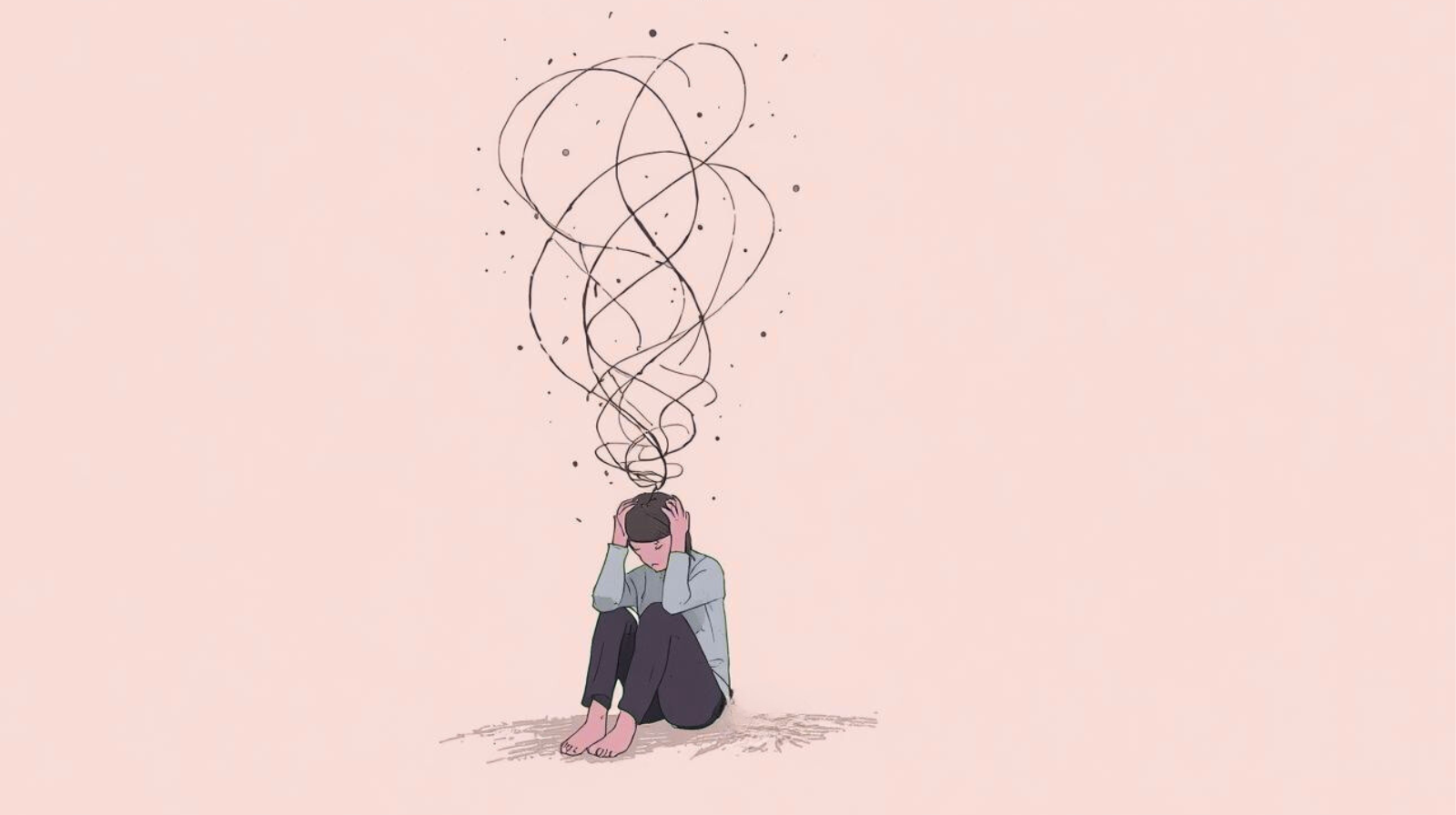
You know how you feel when you can’t stop your heart racing for no reason in particular? When you’re lying in bed at 2 a.m., mind spinning like a washing machine on warp speed? Or, when a little email ding triggers your chest to constrict? You’re not losing it. Your stress hormone could be simply clocking too much overtime.
Say hello to cortisol; the hormone that was built to keep you awake, focused and safe in times of danger. In small doses, it’s very helpful. It gets you out of bed, sharpens your reflexes and helps you manage pressure.
But when stress becomes chronic, personified by deadlines, screens, insomnia and emotional overload, cortisol doesn’t shut off the way it’s supposed to. It doesn’t subside and protect you; instead it remains high on guard, quietly hijacking your sympathetic nervous system. The result? Racing thoughts, tight shoulders, shallow breathing, fitful sleep and a low-grade sense of anxiety that never quite disappears.
Learning about cortisol isn’t so you can vilify your body. The point is that anxiety can be a biological signal, not a personal failure, and if you figured out the signal it’d finally help you begin to calm you down.
What is the Stress Hormone (Cortisol)?
Understanding Cortisol ( Stress hormone )
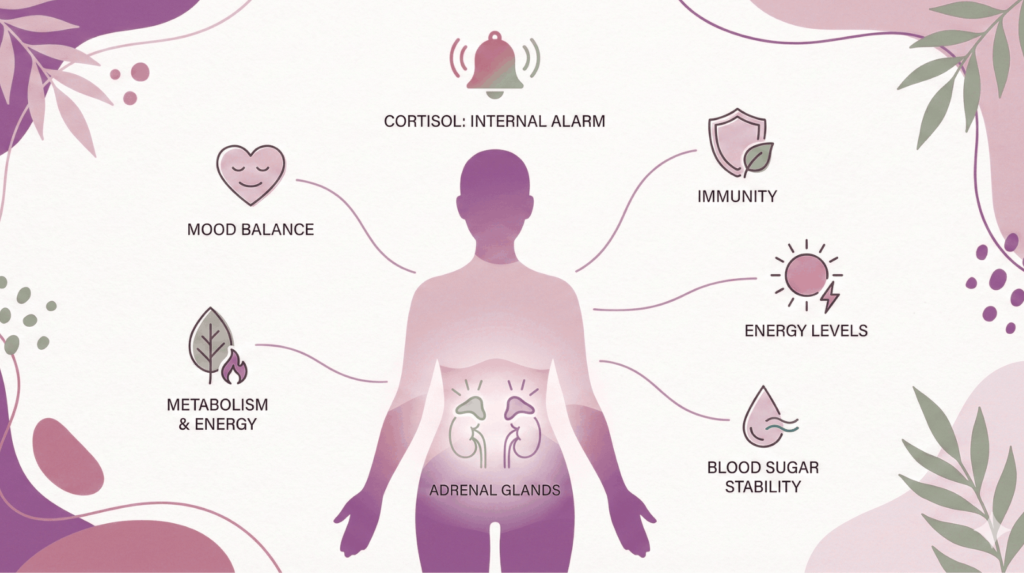
Consider cortisol as your body’s built-in alarm system. It’s like that friend who shakes you awake when you’re about to sleep through your airplane alarm: essential in a disaster, tiresome if they’re pounding on your door every morning.
It’s manufactured by your adrenal glands (two small organs that sit on top of your kidneys), and your body makes a ton to keep you alive. This hormone helps regulate:
- Mood: how relaxed or wired you’re feeling
- Metabolism: the way in which your body utilizes food for energy
- Immunity: your protection against infections
- Energy levels: that feeling of get up and go or no-go.
- Blood sugar: supporting stable glucose levels throughout the day
Here’s the dirty little secret: Cortisol is not the bad guy. Indeed, you require it to live, in the very literal sense. It wakes you up, makes you respond to danger and deal with stress. The trouble begins when the levels of cortisol remain high throughout the day, like a fire alarm that just won’t shut off after you’ve burned your toast. [1]
When it does, your brain takes every signal as a threat. You might feel like a work deadline is nearing and the lions are at your heels. A Ping from your boss sends you into full-on panic. Your nervous system can’t tell the difference between a real danger and a perceived one.
Types of Cortisol Imbalance
Not all cortisol concerns are identical. These are the three main patterns:
- High cortisol (chronic stress mode): Tired but wired; anxious you can’t relax even when you want to. Your body epitomizes survival-mode 24/7.
- Low cortisol (burnout or adrenal fatigue type): You are tired, feel like you can barely get out of bed in the morning and drag yourself through your day. Your adrenal glands are tapped for going into overtime. [2]
- Irregular cortisol curve: Your cortisol is spiking when it shouldn’t (think: bedtime), leaving you wired when you need to rest and tired when you need energy.
Knowing what pattern you have can be the first step to feeling like your old self again.
Why Does Cortisol Imbalance Happen ? (Lifestyle Causes You Don’t Notice)
Daily Stress Triggers
Life in the modern world is essentially a factory of cortisol. Here’s what’s inducing a stealth surge of your stress hormone every day:
Excessive caffeine
That third cup of coffee? It is a way of telling your adrenals to pump more cortisol into your system, even when you’re sitting at your desk. [3]
Sleep deprivation
When you do not get enough sleep, cortisol remains high to help keep your body running. It’s your body’s emergency backup generator.
Stressful lifestyle
Tight deadlines, full calendar, and lack of downtime keep you on overdrive.
Doomscrolling
Scrolling through bad news and comparisons via social media activates your stress response as if those threats were happening to you at the moment.
Emotional overload
Trying to meet everyone’s needs, hiding your feelings, and even people-pleasing all show up as stress in your body.
Biological & Medical Causes
Sometimes lifestyle isn’t the only culprit when it comes to cortisol imbalance. Medical conditions can screw up your hormones:
Thyroid imbalances
Your thyroid is directly related to how cortisol is produced and regulated. [4]
Hormonal imbalance
Other phenomenon such as PCOS, menopause or estrogen dominance can through a spanner in the works of your whole hormonal ecosystem, including cortisol.
Inflammation
Another one that throws cortisol into imbalance. Chronic inflammation from autoimmune disease, gut issues or unresolved infections keep cortisol at a high level in an attempt to control the internal fire. [5]
Chronic illness
Soothing persistent aches and pains or condition management keeps your stress response “on” for an extended duration.
Environmental Triggers
Even your room matters more than you might think:
Work pressure
Toxic work environments, unreasonable expectations and not having control of your schedule are all big cortisol triggers.
Noisy environments
Non-stop pollution (traffic, construction, noisy neighbors) will put your nervous system on edge.
Toxins
Pollutants, chemicals in various household products and bad air can stress your body at a cellular level.
Disrupted day-night cycles
Working shifts, being exposed to too much artificial light after dark and having erratic sleep patterns can all disrupt your circadian rhythm, confusing your body clock and its cortisol production. [6]
What Are the Signs of High and Low Cortisol Levels?
High Cortisol Symptoms
It’s when cortisol remains chronically elevated that you may experience:
- Racing thoughts: Your brain will not be quiet replaying conversations and turning everything into a catastrophe.
- Anxiety: That constant low-level panic, where it feels like something terrible is going to happen even though everything’s all good.
- Weight gain:Particularly around your waistline. Elevated cortisol increases fat storage in the midsection. [7]
- Insomnia : You feel tired but can’t sleep. When you’re perhaps most desperate for it, sleep feels impossible.
- High blood pressure: Elevated cortisol can increase cardiac strain and potentially lead to hypertension.
Sugar cravings Your body is looking for a quick fix of energy, which means sweets and carbs sound appealing all the time.
Low Cortisol Symptoms
Conversely though, if your stress hormone gets too low (commonly encountered in the context of chronic stress and burnout), you may experience:
- Afternoon slump: That time of day when it’s all you can do to keep your eyes open around 2 or 3 PM.
- Weakness: Things you could normally handle are just too much to take on. Your muscles feel heavy.
- A lack of motivation: You just can’t seem to find the energy or motivation for things you once loved.
- Cravings for salty chips and pickles: Your body is attempting to balance blood pressure and electrolytes. [8]
- Morning grogginess : You rise and feel more like you never actually slept, no matter how long you were sleeping.
Brain Symptoms People Ignore
These are the under-the-radar indicators that something’s up with your stress hormones:
- Brain fog : You forget why you walked into a room. Thoughts feel fuzzy and scattered.
- Overthinking : Analysis paralysis. You can’t make basic decisions because everything seems overwhelming.
- Sensory sensitivity: Lights feel too bright, sounds are too loud, textures are too scratchy. Your nervous system is in high gear.
- Emotional overwhelm: Getting teary over minor annoyances. You also feel like you are holding yourself together with duct tape.
How Does Cortisol Affect Anxiety and Mood?l
Here’s what is going on in your brain when cortisol remains high: it puts your amygdala, the fear center of the brain, in overdrive. The historically important part of your brain doesn’t know the difference between a real threat (a bear) and a modern insult (an overflowing inbox).
Over time, this is what happens to your amygdala because cortisol has been chronically too high:[9]
- You make mountains out of mohills ; A small hiccup at work and you feel as if your whole career is over or a tiny mistake in an email means the end of time.
- Neutral situations seem menacing; You misinterpret people’s motives and anticipate the worst.
- Your heart starts beating a little faster even when you’re “just sitting”; Your body is gearing itself up to fight or run away from a threat that isn’t real.
This is why anxiety can seem so irrational. Your rational brain knows nothing is amiss, but your body says the opposite.
The Sleep-Stress Loop
Here is where it gets messy:
- Lack of sleep → high cortisol when you’re asleep, your body works to reduce the cortisol in your system and keep everything balanced.
- High cortisol → can’t sleep but high nighttime cortisol levels don’t let you fall asleep or stay asleep.
And the wheel turns, like a toxic relationship you just can’t quit. It’s intentional intervention that will help break this cycle and on to solutions.
How to Reduce Stress Hormones Levels Naturally ?
Daily Habits That Reset Cortisol
Tiny, gradual steps can go a long way:
Morning light
Go outside within 30 minutes of waking up. Natural light is necessary to regulate your circadian rhythms and tell your body it’s time to make cortisol during the day, not at midnight. [10]
Deep breathing
All it takes is about five minutes of slow, deep breaths to turn on your parasympathetic nervous system and tell the body it’s OK to relax.
Walking
Just being in the nature, Balanced walking for us without placing extra stress on the body since we are trying to lower it and not raise it.
Structured routines
Your nervous system likes the predictables. Wake up, eat, and sleep at the same time daily to support hormone function.
Nutrition Tips
Your diet plays a role in your production of stress hormones:
Magnesium-rich foods are leafy greens, nuts and seeds as well as dark chocolate which all contribute to calming the nervous system and maintaining balanced cortisol levels. [11]
Low Sugar Meals
Blood sugar highs and lows provoke cortisol response. Balanced meals containing protein, good fats and fiber stabilize.
Hydration
Dehydration is a physical stress, which will raise the stress hormone (cortisol) . Try to drink water slowly across the day.
Consistent Meal Schedule
Missing or varying meals places stress on the body. Established meal times help keep your hormones in check.
Bedtime Habits
Your nighttime routine provides a stage for cortisol control:
- No screens 1 hour before bedtime
- Blue light can lower melatonin and elevate cortisol when it should be lowering. [12]
- Warm shower
The body temperature drop after a warm shower indicates to your body that, it’s time for sleep.
Dim the lights
Limit your use of artificial light after dark to help maintain normal melatonin production.
Stretching : Gentle movement helps your body release physical tension and also tells your nervous system to get into the rest state.
When Should You See a Doctor for Cortisol Issues?
Red Flags
Although lifestyle adjustments work for the majority of people, some need professional help. Seek medical help if you have:
- Rapid weight gain; especially if it’s sudden, and especially around your middle.
- Chronic Anxiety; If you constantly battle anxiety and it’s heavy, or it impacts your life even after changes like new responses.
- Menstrual irregularities ;Absentee periods, bleeding too much, or severe PMS can be indicative of hormone disruption.
- Unexplained fatigue; If you are taking rest and sleep properly, but feel tired, then there may be some other health problems.
- Extreme insomnia; If you’re going weeks or months without proper sleep, get to a doctor. [13]
Cortisol testing (saliva, blood or urine) can be done through your doctor to assess your level throughout the day and detect any imbalance.
How betterhood is helping you live pain-free
And you know what most people don’t realize: physical discomfort is one of the biggest hidden triggers for cortisol to spike. When your body is in pain whether it’s chronic back pain, neck tension or poor sleep posture, your nervous system remains stuck in fight-or-flight.
betterhood’s line of products are made with physical discomfort in mind, which is critical to natural hormone balance. The use of back support cushions to reduce the burden on your spine in long time work. contour pillows give you proper neck support, reducing tension headaches and improving sleep etc.
With your body physically comfortable, your stress response can at last stand down and your circulating levels of cortisol will trend back to normal. It’s not just the feel-good in the moment that counts, it’s working to support your longer-term health and wellness.
Conclusion
Start small. One habit. One boundary. One moment of slowing down.
As your cortisol levels settle, anxiety softens. Sleep deepens. Your thoughts become clearer. That constant feeling of being “on edge” begins to loosen its grip.
You’re not meant to feel tense all day, every day. And you don’t have to live in fight-or-flight forever. Your body wants balance and with the right support, it knows exactly how to find its way back.
Explore More Health & Wellness Solutions:
Want to stay informed about wellness and everyday health issues? Here are some insightful reads to guide you. Explore the links below for practical tips and solutions.
- How to Prevent Knee Injuries: Proven Tips, and Lifestyle Strategies for Stronger Joints
- How Can Knee Cap Support Help Prevent Injury and Reduce Pain While Running
- 10 Effective Home Remedies for Body Pain Relief Naturally
- Mobility Exercises: Benefits, Techniques & Routines for Better Movement
Frequently Asked Questions
Yes, absolutely. Too much cortisol flips the switch on your brain’s fear center: High levels of it make you feel anxious even without a real threat. Profound anxiety is directly associated with chronically too high cortisol.
Your doctor can order a test that measures the amount of cortisol in your system (either through saliva, obtained at different times of day; bloodwork; or through a 24-hour urine collection). There are also at-home saliva test kits.
Yes! Cortisol naturally spikes in the early morning (typically within half an hour of getting up) to give you energy for your day. The trouble is if it remains high throughout the day, or spikes at inappropriate times (such as during the night).
Yes. You tension the body and its physical discomfort stimulates your body to produce cortisol. Persistent pain and tension is what keeps your stress response on.
Yes, especially if drank too much or on an empty stomach. Caffeine helps promote the production of cortisol, which is why an excess of coffee can make you feel jittery and anxious.
It depends, but generally you will see positive change within two to six weeks of consistent lifestyle changes. Extreme cases or pre-existing conditions will naturally take longer to balance and might need some professional support.
References
- Thau, L., Gandhi, J., & Sharma, S. (2023). Physiology, Cortisol. StatPearls. National Library of Medicine. https://www.ncbi.nlm.nih.gov/books/NBK538239/
- Cadegiani, F. A., & Kater, C. E. (2016). BMC Endocrine Disorders, 16(1), 48. https://doi.org/10.1186/s12902-016-0128-4
- Lovallo, W. R., Whitsett, T. L., (2005). Psychosomatic Medicine, 67(5), 734-739. https://doi.org/10.1097/01.psy.0000181270.20036.06
- Nicolaides, N. C., Kyratzi, E., Lamprokostopoulou, A., Chrousos, G. P., & Charmandari, E. (2015). Stress, the stress system and the role of glucocorticoids. https://doi.org/10.1159/000362736
- Hannibal, K. E., & Bishop, M. D. (2014). Chronic stress, cortisol dysfunction, and pain: A psychoneuroendocrine rationale for stress management in pain rehabilitation. https://doi.org/10.2522/ptj.20130597
- Chellappa, S. L., Vujovic, N., Williams, J. S., & Scheer, F. A. (2019). Impact of circadian disruption on cardiovascular function and disease. Trends in Endocrinology & Metabolism, 30(10), 767-779. https://doi.org/10.1016/j.tem.2019.07.008
- Epel, E. S., McEwen, B., Seeman, (2000). Stress and body shape: Stress-induced cortisol secretion is consistently greater among women with central fat. Psychosomatic Medicine, 62(5), 623-632. https://doi.org/10.1097/00006842-200009000-00005
- Rege, J., Nakamura, Y., Satoh, (2013). Liquid chromatography-tandem mass spectrometry analysis of human adrenal vein 19-carbon steroids before and after ACTH stimulation. The Journal of Clinical Endocrinology & Metabolism, 98(3), 1182-1188. https://doi.org/10.1210/jc.2012-2912
- McEwen, B. S., & Morrison, J. H. (2013). The brain on stress: Vulnerability and plasticity of the prefrontal cortex over the life course. Neuron, 79(1), 16-29. https://doi.org/10.1016/j.neuron.2013.06.028
- LeGates, T. A., Fernandez, D. C., & Hattar, S. (2014). Light as a central modulator of circadian rhythms, sleep and affect. Nature Reviews Neuroscience, 15(7), 443-454. https://doi.org/10.1038/nrn3743
- Pickering, G., Mazur, A., Trousselard, M., (2020). Magnesium status and stress: The vicious circle concept revisited. Nutrients, 12(12), 3672. https://doi.org/10.3390/nu12123672
- Chang, A. M., Aeschbach, D., Duffy, (2015). Evening use of light-emitting eReaders negatively affects sleep, circadian timing, and next-morning alertness. https://doi.org/10.1073/pnas.1418490112
- Hirotsu, C., Tufik, S., & Andersen, M. L. (2015). Interactions between sleep, stress, and metabolism: From physiological to pathological conditions. Sleep Science https://doi.org/10.1016/j.slsci.2015.09.002


