





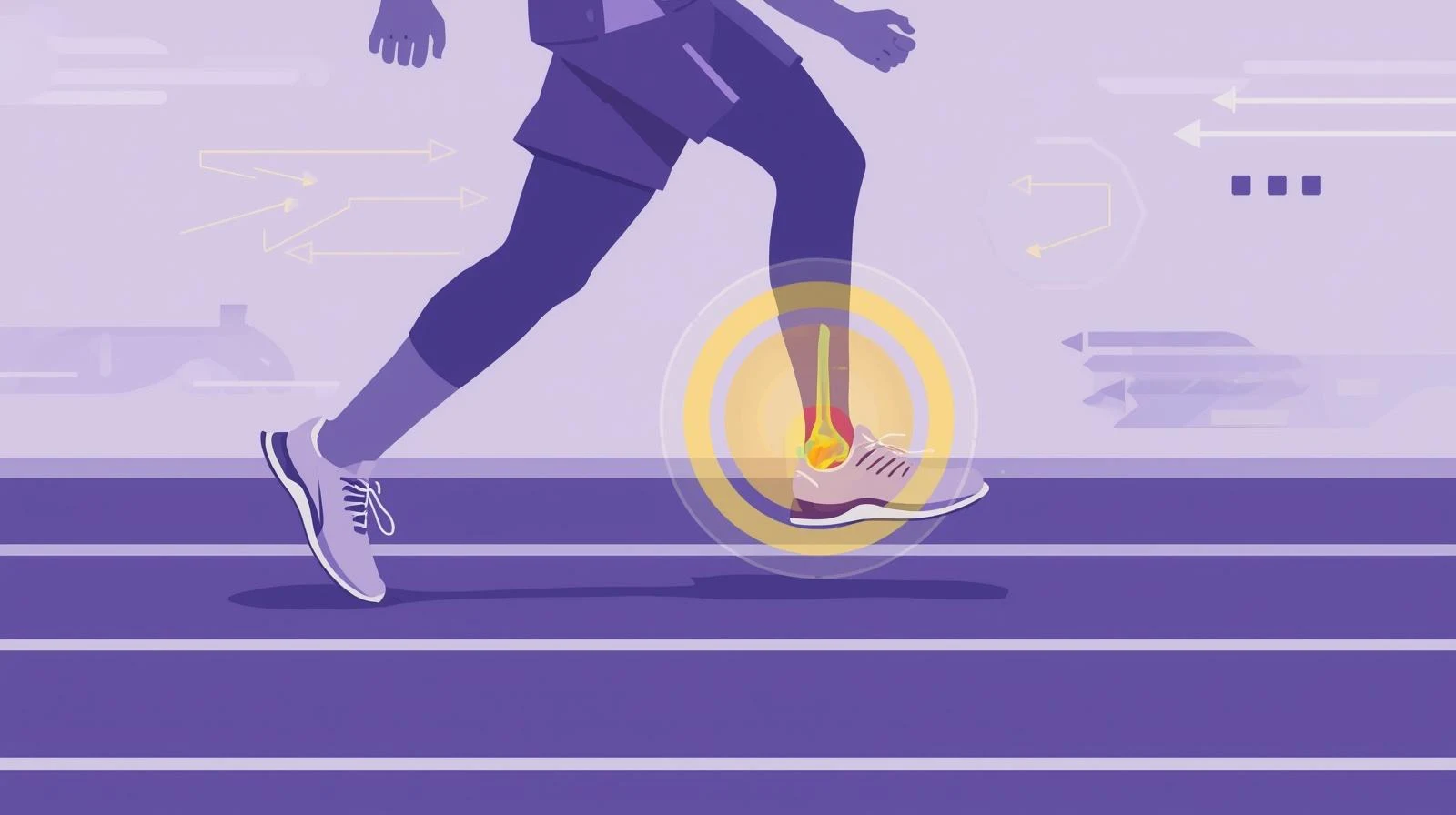
The human ankle is a high-traffic intersection of bones, ligaments and tendons. It has a monumental job, supporting your whole body weight while enabling you to move across uneven surfaces. Because the ankle is so complex, pain in this part is rarely just a sore joint. It is often a sign that one of the many elements in this delicate system has been breached.
Whether you’re a runner suffering from a sharp sting, an office worker dealing with a dull ache or someone who is recovering from a sudden twist of the limb, knowing why your ankle hurts is the first step to effective treatment. In this guide, we explore the common and uncommon causes of ankle pain, how orthopedic support can help and what you need to do to protect your foundation.
Part 1: Anatomy of the Ankle Joint
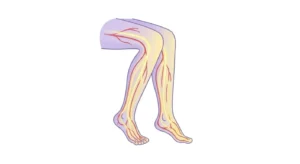
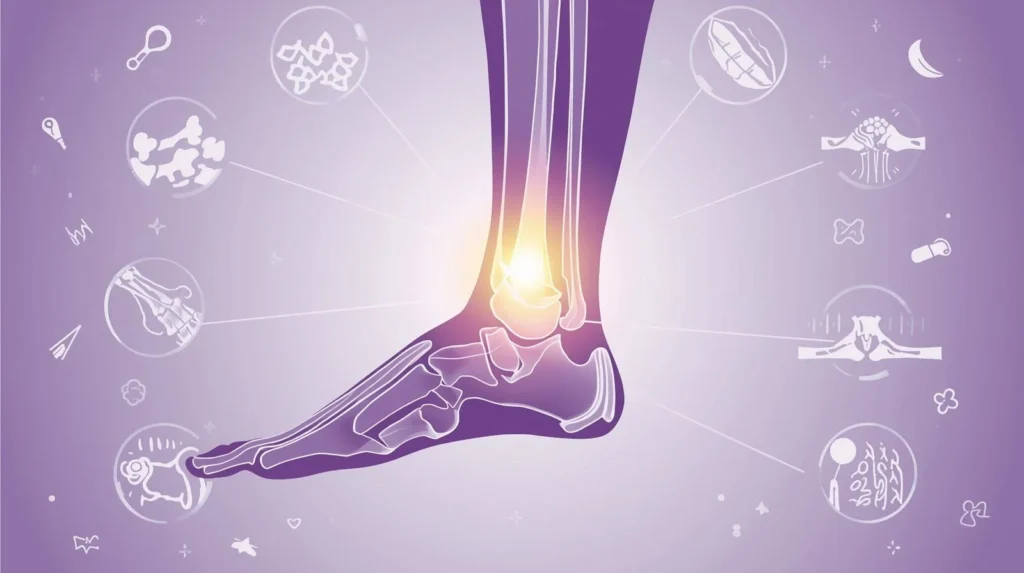
To know why it hurts, we have to see what’s within. The ankle consists of the talocrural joint, where the shin bone (tibia) and outer leg bone (fibula) meets a foot bone known as the talus.
The Stability System (Ligaments)
Ligaments are the “duct tape” of the ankle. Contrary to popular belief, the most common injured ligament is the Lateral Ligament Complex on the outside of the ankle. These bands of tissue keep the foot from rolling too far inward.
The Power System (Tendons)
Tendons connect muscle to bone. One of the best-known is, as you might imagine, the Achilles Tendon that enables you to push off the ground. The Posterior Tibial Tendon supports the arch of your foot on the inside of the ankle.
The Cushioning (Cartilage)
The ends of the bones are covered in smooth articular cartilage that enables them to slide over one another without friction. When this wears away, the consequence is bone-on-bone pain.
Part 2: Causes of Ankle Pain
Typical ankle pain classification is based on the way in which it developed sudden trauma (acute) versus gradual wear (chronic).
Acute Injuries: The Sudden Twist
- Ankle sprains: This happens when the foot rolls, which stretches or tears ligaments. The most common type of sprain is an inversion sprain (rolling the ankle outward).[1]
- Fractures: A fracture of the tibia, fibula or talus. This typically means substantial swelling and an inability to bear weight.
- Tendon Ruptures: Hearing a loud pop with severe pain indicates an Achilles tendon tear.
Chronic Overuse: The Slow Burn
- Achilles Tendonitis: Inflammation of the tendon caused by repetitive strain, common in runners or those who suddenly increase their activity levels. [ 2]
- Plantar Fasciitis: this condition is mainly heel pain, but the strain typically travels into the ankle and in the morning, In particular.
- Posterior Tibial Tendon Dysfunction (PTTD): Commonly known as an Adult Acquired Flatfoot, with tendon deglutition supporting the arch, resulting in a collapse of the ankle inward. [3]
Degenerative & Systemic Causes
- Osteoarthritis: The wear and tear of cartilage over time that causes stiffness and a grinding feeling. [4]
- Rheumatoid Arthritis: An autoimmune disorder in which the body attacks the lining of the joints.
- Gout: A type of arthritis triggered by uric acid crystals, typically leading to sudden, intense pain and redness.
Part 3 Ankle Pain: Orthopedic Solutions
And when your ankle hurts, it alters how you move. You begin to limp, which sets off a domino effect of pain in your knees, hips and lower back. Orthopedic instruments hope to interrupt this cycle.
Stability Through Bracing
Are you struggling with ligament instability (e.g., a sprain) as the cause of your pain; in this case, an orthopedic brace is mandatory. A brace serves as an “external ligament,” maintaining stability in the joint while the internal tissues heal around it. In other words, for mild instability, the compression sleeve provides your brain with its proprioceptive input (the sensory feedback necessary to keep the joint stable).
Correcting the Foundation: Arch Supports
A lot of ankle pain, especially on the inner side, is due to over-pronation (the foot rolling inward). This creates a continuous “twist” force across the ankle joint.
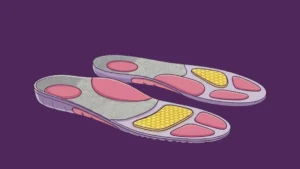
The PosturePro Arch Support Insoles are designed to raise the arch and correct the alignment of your ankle. They prevent the tendons and ligaments from continually straining by giving a neutral base. [11]
Postural Alignment
It turns out, ankle pain can also be a “top-down” issue. Compression in your lower back can disrupt the nerves that innervate the muscles around your ankle. By sitting with a Betterhood PosturePro Backrest, your spine is aligned and nerve functions are maintained for muscle balance down to your feet.
Inflammation Management
Regardless of the cause, inflammation is nearly always involved. The other way to help swallow the pain, while having more therapy at home without taking rest. Apply Pain Relief Spray you will have localized swelling and numbness of sharp pain sensations. This will encourage you to perform rehabilitation exercises easily.
Part 4: Rehabilitating Your Ankles
Always check with a professional before beginning any new exercise program.
Range of Motion: Ankle Circles
How: Sit with your legs out. Stick your toes out and trace the biggest circle you can.
Why: This pushes synovial fluid around the joint, to help oil the hinge. [6]
Strengthening: Towel Curls
How: Lay a towel on the floor. With just your toes, scrunch the towel toward you.
Why: Builds strength in the small intrinsic muscles that support the arch and help stabilize the ankle. [7]
Balance: The Single-Leg Stance
How: Balance on one leg for 30 seconds.
Why: This retrains the nerves in your ankle to respond to tiny wobbles and avoid future sprains. [5]
Part 5: In Depth In Specific Condition
In order to get a true even broader understanding of Orthopaedics, we must take a closer look at the definitive pathologies that drive patient load through our respective doors.
What is the high ankle sprain mystery?
A high ankle sprain occurs, unlike a regular sprain that damages the lateral ligaments of the ankle, through damage to the syndesmosis the connective tissue between both long bones in the leg. The most common cause is a violent external rotation of the foot. Recovery takes much longer, with rigid bracing needed to ensure that the tibia and fibula don’t “splay” apart during motion.
Tarsal Tunnel Syndrome
Like Carpal Tunnel in the wrist, this involves compression of the posterior tibial nerve as it passes through a tight space in the ankle. Patients describe burning, tingling or “electric shocks” radiating into the arch. This is a classic case of how lumbar support and arch support play nicely together: the insole alleviates direct pressure on the tunnel while the backrest keeps nerve signals unhindered when they’re firing from that area of your spine.
Peroneal Tendonitis
On the outside of the ankle, these tendons can become inflamed in people with high arches or people who run often on sloped surfaces. It is usually felt as a dull ache just behind the bony side of the outer ankle (lateral malleolus).
Part 6: Tips for Lifestyle and Prevention
The key to preventing ankle pain is balance between flexibility and strength.
- Footwear Counts: Anything that you will be on your feet doing, meriting appropriate shoes. Replace running shoes every 500-800km (noted that foam loses ability to absorb shock). [12]
- Awareness of the Surface: Running on concrete places far more stress on the ankle joint when compared to running on grass or a track. If you have to run on hard surfaces, make sure you’re wearing orthotic insoles which will help absorb the pressure.
- Weight Control: Each extra kg of body weight adds 4kg of load on your ankles while walking. One of the best things you can do to protect cartilage is to maintain a healthy weight.
- Hydration and Nutritional: Cartilage is made up primarily of water. Hydration is important, as is getting your daily dose of collagen (more on that below), to keep those joints springy.
Part 7: When You Should See The Doctor
Do not tough it out if you have these symptoms:
- Weight-bearing difficulty: If you cannot take four steps, you may have an actual fracture. [9]
- Visible Deformity: The joint appears out of place or crooked.
- Nocturnal Pain: If pain keeps you up at night, it could signal a more serious problem.
- Sudden swelling without injury: May indicate a circulatory problem or an inflammatory flare.
Frequently Asked Questions
This is very often due to Plantar Fasciitis or Achilles Tendonitis, whereby the tissues have tightened over night and are painfully lengthened within your first couple of paces.
Yes, flat feet cause the ankle to roll inwards over-pronation, which forces overstretching of the ligaments and tendons on the inner ankle.
Apply ice on the first 48 hours after an injury to decrease swelling heat for chronic stiffness to provide better blood flow.
A break typically will have intense localized pain on the bone and a person will be unable to walk, whereas in a sprain it is often more diffusely spread out.
Some yes, arch supports realign the joint and off-load the mechanical stress on tendons and ligaments.
Absolutely. A “pinched” nerve in the L5-S1 region of the spinal column can produce radiating pain or weakness at the level of the ankle.
A mild sprain takes 2 to 3 weeks to heal, a severe tear can take up to 6 to 12 weeks or more for complete recovery.
A lumbar backrest promotes correct overall posture, eliminating poor walking formation and the potential to hurt your ankle.
Reference
- Arthritis Foundation. (n.d.). Ankle Osteoarthritis: Symptoms and Treatments. https://www.arthritis.org
- Cleveland Clinic. (n.d.). Flat Feet and Ankle Pain. https://my.clevelandclinic.org
- Harvard Health Publishing. (n.d.). Choosing the Right Shoes. https://www.health.harvard.edu
- Healthline. (n.d.). Mobility Exercises for Ankles. https://www.healthline.com
- Journal of Orthopaedic & Sports Physical Therapy. (n.d.). Balance Training and Injury Prevention. https://www.jospt.org
- Mayo Clinic. (n.d.). Ankle Sprain Causes. https://www.mayoclinic.org
- Medical News Today. (n.d.). Strengthening the Feet. https://www.medicalnewstoday.com
- National Institutes of Health (NIH). (n.d.). Orthotics and Foot Mechanics. https://www.nih.gov
- OrthoInfo – American Academy of Orthopaedic Surgeons. (n.d.). Achilles Tendonitis. https://orthoinfo.aaos.org
- Ottawa Hospital Research Institute. (n.d.). Ottawa Ankle Rules. https://www.ohri.ca
- WebMD. (n.d.). Gout in the Ankle. https://www.webmd.com