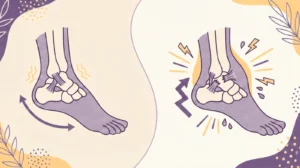






Ankle injuries are among the most common sports-related issues, affecting athletes of all levels, from casual runners to professional players. Sports like basketball, soccer, running, and tennis involve constant jumping, pivoting, and rapid directional changes that place significant stress on the ankle joints. When an athlete’s ankle twists or rolls unexpectedly, the ligaments can overstretch or tear, leading to painful sprains or even long-term instability.
That’s where ankle support braces come into play. These specially designed supports offer stability, compression, and protection to prevent injuries and promote faster recovery. They help control motion, reduce swelling, and provide the reassurance needed to perform confidently in high-impact situations.
The purpose of this article is to explain how ankle braces enhance safety, prevent injuries, and improve athletic performance, along with tips on choosing, using, and maintaining them effectively.
Common Sports-Related Ankle Injuries
1. Causes of Sports Ankle Injuries
Athletic movements often demand agility and power, but they also come with risks. Some of the most frequent causes of ankle injuries include:
- Sudden Twists and Turns: Rapid pivots during basketball, soccer, or tennis can cause the ankle to roll inward or outward, straining the ligaments.
- Uneven Surfaces: Running on trails or poorly maintained fields increases the risk of missteps and sprains.
- Overuse and Fatigue: Continuous training without adequate rest weakens ankle muscles and tendons, making them prone to injury.
- Improper Footwear: Shoes without sufficient ankle support or cushioning reduce stability and increase strain.
2. Symptoms of Ankle Injuries
Recognizing the signs early can prevent minor issues from developing into chronic problems. Common symptoms include:
- Swelling and Bruising: Indicate soft tissue damage or inflammation.
- Pain and Tenderness: Especially around the joint and outer ligaments.
- Instability: Feeling of weakness or “giving way” during movement.
- Limited Range of Motion: Difficulty flexing or rotating the ankle.
3. Importance of Injury Prevention
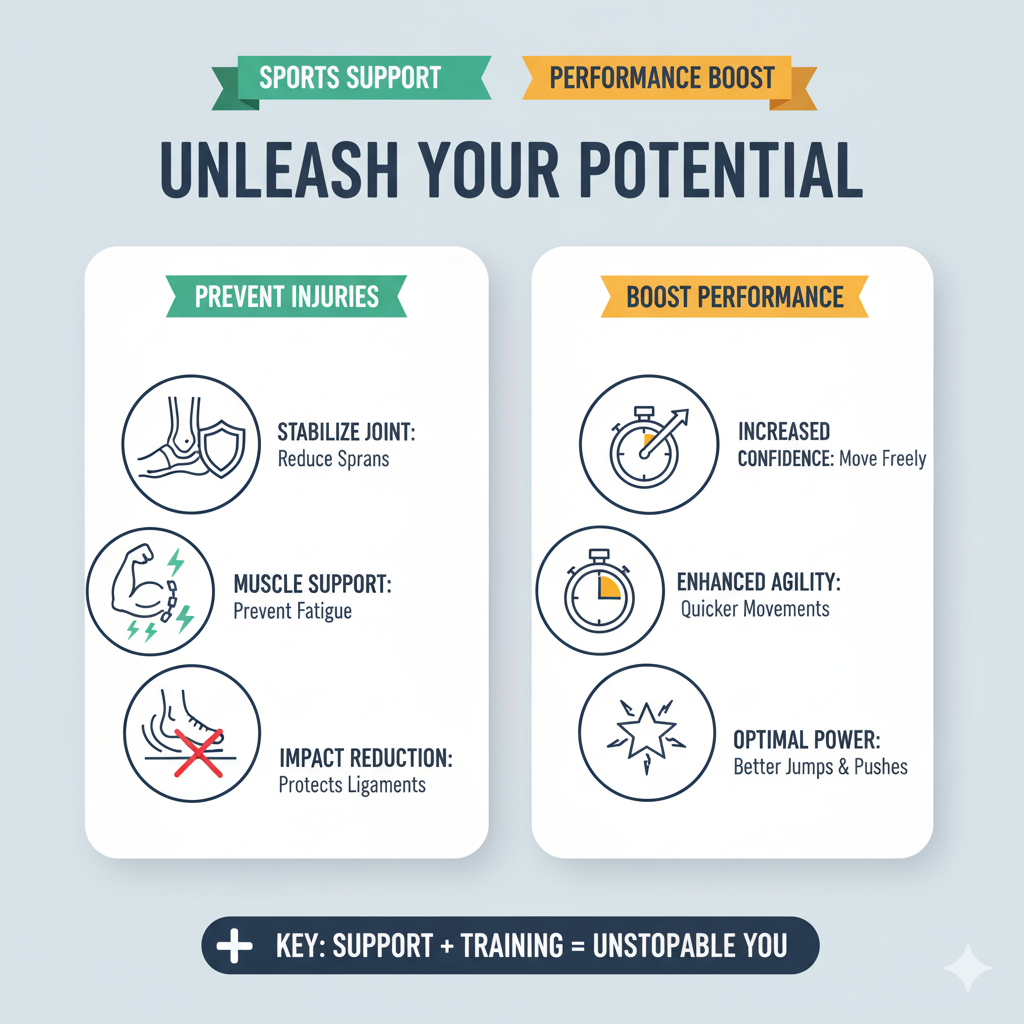
Preventing ankle injuries is far easier and safer than treating them later. Recurrent ankle sprains can cause chronic instability, weakened ligaments, and arthritic changes over time. Using an ankle support brace provides a mechanical advantage by reinforcing ligament stability, improving proprioception, and reducing stress on the ankle during physical exertion.
What Is a Sports Ankle Support Brace?
An ankle support brace is a protective device designed to stabilize the ankle joint, limit excessive movement, and support recovery after injury. By providing compression and alignment, it helps manage pain, swelling, and instability while maintaining flexibility for athletic performance.
Types of Sports Ankle Braces
There’s no one-size-fits-all approach. The best brace depends on the severity of the condition and type of sport.
1. Lace-Up Ankle Braces
These are adjustable braces made from flexible fabric with laces for a customized fit.
- Ideal for mild to moderate instability.
- Offers a balance between support and mobility.
- Common among basketball and volleyball players.
2. Rigid or Semi-Rigid Braces
These braces use hard plastic shells or supports on both sides of the ankle.
- Provide maximum stability after severe sprains or surgeries.
- Restrict side-to-side motion but allow up-and-down flexion.
- Recommended for post-injury rehabilitation and contact sports.
3. Elastic or Compression Sleeves
Made from soft, stretchable fabric like neoprene or nylon.
- Deliver mild support and gentle compression.
- Improve blood circulation and reduce inflammation.
- Ideal for light sports, warm-ups, or early injury stages.
4. Hybrid Braces
Combine the flexibility of fabric sleeves with rigid reinforcements.
- Offer both mobility and strong support.
- Useful for athletes who need protection without sacrificing agility.
Benefits of Using an Ankle Support Brace in Sports
1. Injury Prevention
The primary function of an ankle brace is to prevent excessive rolling or twisting. By controlling the range of motion, it stabilizes the joint and supports surrounding muscles and ligaments.
Athletes who wear braces regularly experience significantly fewer sprains, especially in high-risk sports like basketball and soccer.
2. Pain Relief and Swelling Control
Compression helps stimulate circulation, reducing inflammation and speeding up recovery.
The snug fit of a brace prevents fluid accumulation, providing immediate relief from swelling, stiffness, and soreness.
3. Rehabilitation Support
During the recovery phase, it’s essential to limit harmful movement while maintaining function.An ankle brace offers controlled mobility, which prevents re-injury and helps rebuild muscle strength safely.
Physiotherapists often recommend braces during the rehabilitation of sprains, ligament tears, or post-surgical recovery.
4. Enhanced Athletic Performance
Athletes perform better when they feel secure. Wearing an ankle brace boosts confidence by eliminating the fear of reinjury.
It also improves proprioception, the body’s sense of joint position which enhances coordination and balance during fast movements.
5. Versatility Across Sports
Ankle braces are not limited to one sport. They’re used in:
- Basketball & Volleyball: For high jumps and lateral movements.
- Soccer & Football: For twisting and rapid direction changes.
- Running & Athletics: For stability on varied terrains.
- Tennis & Badminton: For pivoting and sudden stops.
- Gym Workouts & CrossFit: For additional joint protection during lifting or plyometrics.
How to Choose the Right Ankle Support Brace for Sports?
1. Level of Support Needed
Different situations call for different levels of stability:
- Mild Support: Use elastic sleeves for preventive wear or minor swelling.
Perfect for warming up or recovery sessions. - Moderate Support: Choose lace-up braces for chronic instability or frequent sprains.
- Maximum Support: Rigid braces are ideal after surgery or for severe injuries requiring complete immobilization.
2. Material and Comfort
A good sports brace should be breathable, durable, and lightweight.
Look for:
- Neoprene or nylon blends for flexibility.
- Moisture-wicking fabrics to reduce sweat buildup.
- Adjustable straps or laces to customize fit without restricting circulation.
3. Activity-Specific Considerations
Not all braces fit every sport:
- Basketball/Volleyball: Hybrid or lace-up braces for agility and jump landings.
- Running/Track: Compression sleeves for light, dynamic support.
- Soccer: Slim-fit braces that fit comfortably inside cleats.
- Tennis/Badminton: Rigid braces for quick lateral motions.
4. Size and Fit
Proper sizing ensures effectiveness and comfort:
- Measure around your ankle and heel according to manufacturer guidelines.
- Avoid braces that are too tight (can limit circulation) or too loose (reduce support).
- Test range of the brace should support, not restrict.
Custom vs Standard Braces
Athletes can choose between standard over-the-counter braces and custom orthotic solutions. Standard ligament support braces are affordable, easy to use, and suitable for most athletes. Custom braces or orthotics are recommended for chronic instability, post-surgery rehabilitation, or structural foot and ankle issues. A specialist can help determine the best option for post-injury ankle care and long-term athletic ankle stability.
Cost and Budget Considerations
Ankle braces are available in a wide price range depending on material, design, and support level. Compression sleeves are budget-friendly, while rigid and hybrid braces cost more but offer enhanced athletic ankle stability. Investing in quality sports protection gear can reduce medical expenses related to injuries and long-term foot and ankle complications.
Bracing During Competition vs Training
Wearing an ankle brace during high-impact sports safety situations like competitions can help prevent ankle strains and reduce injury risk. During training, braces are useful for rehabilitation or high-risk drills, but athletes should also focus on strengthening exercises to build natural joint stability. Balanced use ensures protection without weakening muscles over time.
Ankle Braces for Children and Teens
Young athletes are vulnerable to ankle injuries due to developing joints and high activity levels. Lightweight compression braces or flexible supports are suitable for children and teens participating in sports. Parents should ensure proper sizing and encourage exercise ankle strengthening to build natural stability while using braces preventively.
Signs Your Brace Is Worn Out
Over time, ankle braces lose elasticity and structural support. Signs that your brace needs replacement include stretched fabric, weakened straps, reduced compression, or discomfort during movement. Using a worn-out brace may compromise ankle sprain therapy and reduce joint protection during sports.
When to See a Doctor ?
While ankle braces are effective for sports joint protection and minor injuries, some conditions require medical attention. If you experience severe pain, inability to bear weight, persistent swelling, or repeated ankle sprains despite bracing, consult a sports physician or physiotherapist. Early medical intervention helps prevent long-term joint instability and supports proper ankle injury recovery.
Proper Use and Maintenance of an Ankle Brace for Sports
1. Correct Wearing Technique
- Align the brace with your ankle joint.
- Fasten straps or laces securely but comfortably.
- Test movement: You should be able to flex and extend without slipping.
If you feel pinching or numbness, loosen the brace slightly. Improper fit can reduce its effectiveness or cause skin irritation.
2. Daily and Sports-Specific Usage
- Use during training sessions, matches, or high-risk drills.
- Combine with stretching, strengthening, and balance exercises to maintain joint health.
- Avoid over-reliance; your goal is to build natural stability over time.
3. Cleaning and Care
- Wash removable sleeves or covers in mild detergent and cold water.
- Air dry; avoid dryers or direct heat.
- Inspect straps, Velcro, and stitching regularly; replace when worn out.
Proper care extends the brace’s lifespan and maintains its compression quality.
Complementary Habits for Stronger Ankles
Even the best ankle brace works best when combined with a strong, balanced lifestyle. Incorporate these habits into your daily routine to maintain long-term joint health:
1. Strengthening Exercises
- Calf Raises: Strengthen calves and ankle stabilizers.
- Resistance Band Work: Flex and rotate the ankle using a band for improved tendon resilience.
- Toe & Heel Walks: Develop coordination and balance.
- Ankle Circles: Keep joints flexible and mobile.
2. Balance and Proprioception Training
- Practice standing on one foot, yoga poses, or balance board exercises.
- These improve body awareness, preventing future sprains.
- Advanced athletes can progress to single-leg hops or dynamic drills.
3. Supportive Footwear
- Choose shoes with proper arch support and cushioning.
- Avoid high heels, worn-out soles, or improper athletic shoes that strain the ankle.
- Replace footwear every 400–600 km (for runners) to maintain optimal support.
4. Gradual Activity Progression
- If recovering from an injury, increase training intensity slowly.
- Sudden high-impact movements on weak ligaments can cause re-injury.
- Always warm up, stretch, and cool down properly.
5. Rest and Recovery
- Give your ankles adequate rest days between intense workouts.
- Use ice therapy and gentle massages to manage inflammation.
- Good recovery ensures lasting ankle strength and stability.
Conclusion
An ankle support brace is a vital tool for athletes who want to perform at their best while minimizing the risk of injury. Whether you’re a basketball player landing from a jump, a soccer player sprinting across uneven ground, or a runner clocking miles, your ankles are constantly under stress. Therefore, giving them the right protection is essential not just for performance, but also for long-term joint health and injury prevention.
Choosing the right brace depends on your sport, injury history, and comfort level. When combined with strengthening exercises, proper footwear, and smart training habits, an ankle brace becomes not just a piece of gear but an investment in your athletic longevity.
Looking for more health and wellness solutions? Don’t miss these related guides:-
Frequently Asked Questions:
An ankle support brace provides stability and compression to protect ligaments from overextension. It controls motion, reduces strain, and supports recovery after sprains or injuries.
Lace-up or hybrid braces for basketball/volleyball, slim braces for soccer, and compression sleeves for running.
Yes. By stabilizing ligaments and limiting excessive movement, a brace helps prevent twisting and significantly reduces the risk of sprains in high-impact sports.
Yes, but pair daily use with strengthening and balance exercises to avoid muscle dependence and maintain natural stability.
Yes. It provides stability during lifts like squats and lunges and helps prevent ankle strains.
Typically 2–6 weeks, depending on severity, though chronic cases may require longer use during sports.
Yes. They improve alignment, especially when used along with orthotic insoles.
Yes. Both work together to improve foot and ankle stability and reduce strain.
Yes. Overuse may weaken muscles, so combine bracing with strengthening exercises.
Measure around your ankle and heel with a tape and follow the brand’s sizing chart.
References
- American Academy of Orthopaedic Surgeons. (2023). Ankle sprain overview and prevention. Retrieved from https://orthoinfo.aaos.org/
- Brigham and Women’s Hospital. (2022). Ankle brace types and their role in injury prevention. Boston, MA: Department of Rehabilitation Services.
- Fong, D. T. P., Hong, Y., Chan, L. K., Yung, P. S. H., & Chan, K. M. (2007). A systematic review on ankle injury and ankle sprain in sports. Sports Medicine, 37(1), 73–94. https://doi.org/10.2165/00007256-200737010-00006
- Hertel, J., & Corbett, R. O. (2019). An updated model of chronic ankle instability. Journal of Athletic Training, 54(6), 572–588. https://doi.org/10.4085/1062-6050-344-18
- National Institute of Arthritis and Musculoskeletal and Skin Diseases (NIAMS). (2023). Ankle injuries and treatments. Retrieved from https://www.niams.nih.gov/