





Padmasana often looks intimidating; a literal human knot reserved for the most flexible yogis. But beneath the Instagram aesthetics lies a powerful, ancient posture that trains more than just your flexibility; it trains your alignment, your patience, and your internal calm.
When pursued properly, Lotus Pose strengthens exactly the muscles that keep you upright and encourages a level of physical stillness that is in short supply in our high-speed world.
At Betterhood, we think movement is for life. Whether you’re going for the full Lotus, or just working through many of its modifications (both shown below), the goal is the same: a body that feels open and a mind that feels grounded.
What is Lotus Pose (Padmasana)?
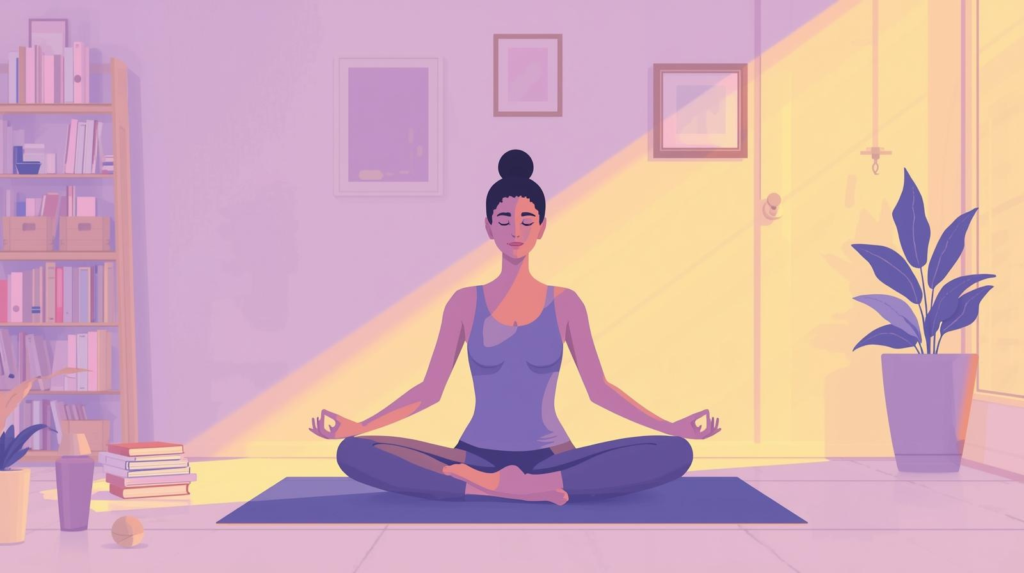
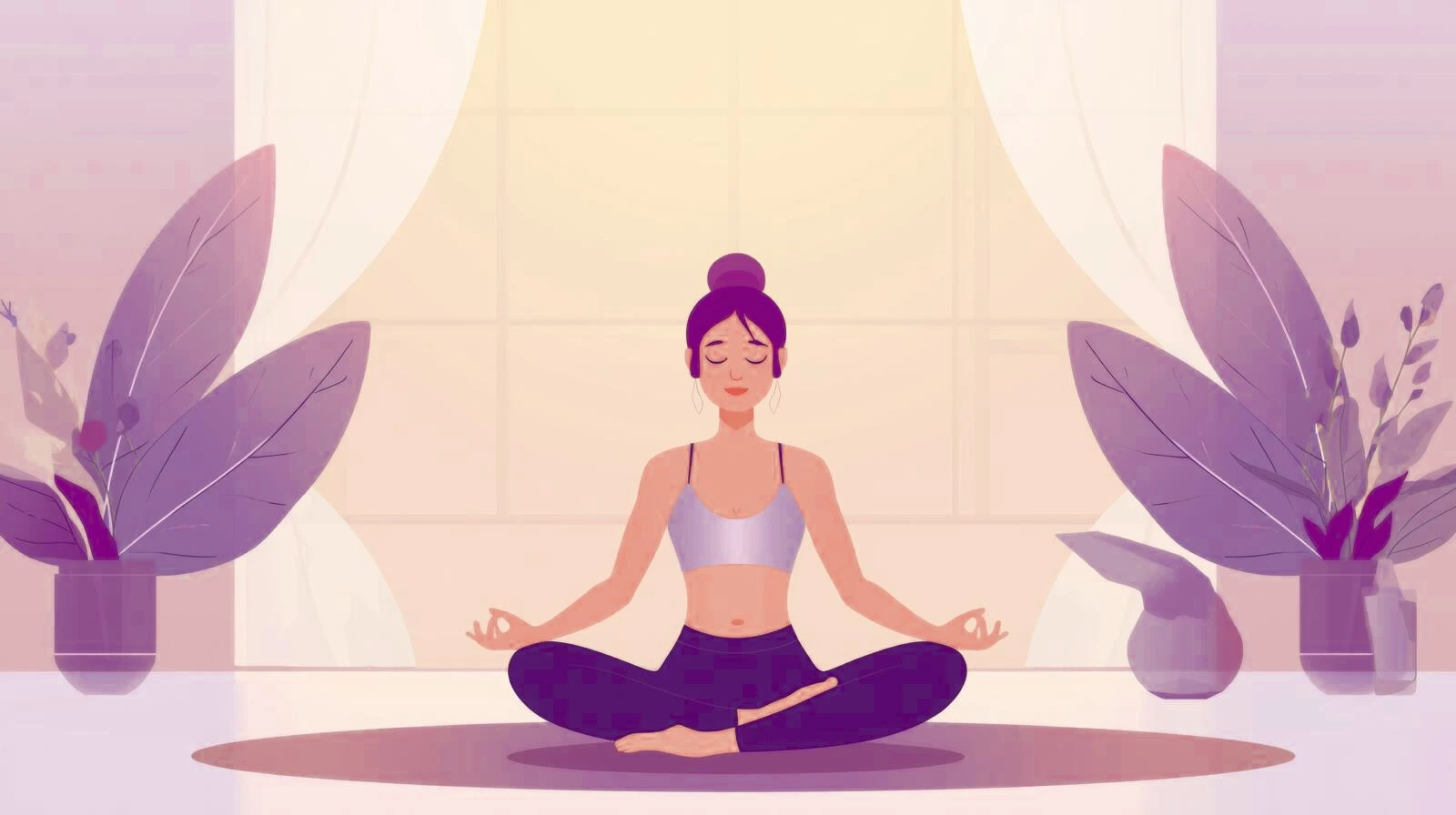
At the heart of it, Padmasana (from the Sanskrit padma for lotus and asana for seat or pose) is a seated cross-legged posture with the feet resting on the thigh of the opposite leg. It is one of the most ergonomic seating, often referred to as the “gold standard” for yoga and meditation enthusiasts.
Why Is Padmasana Traditionally Used for Meditation?
There is a reason why ancient statues of the Buddha are almost always in this specific shape. Padmasana creates a stable triangular base (the knees and the tailbone), which allows the spine to remain upright with minimal muscular effort.
In a classic meditation environment, this stability serves two purposes:
- Physical Stillness: When you are in, the body is more inclined to “stay put” and not shift around so you can concentrate on the breath.
- Energetic Flow: Old yoga texts say that “locking” the legs sends energy up toward the higher nerve centers, but science looks to this feature more as a method of engaging the parasympathetic nervous system via deep diaphragmatic breathing.
How does Padmasana Improve Posture?
We think of posture as something we “do” with our shoulders but yoga for posture correction starts at the lower lumbar spine. Tilt your pelvis forward, if it’s tilted back, or become aware of simply how tight your hips are (assuming, as is the case with so many bodies these days) and effectively see if you can’t TRY to create greater length in your lower back.
The Role of Padmasana in Training Upright Sitting
Padmasana causes a mild anterior tilt of the pelvis. This natural tilt ensures that the curve of your lower back (lumbar) is preserved and forms the foundation of the rest of your spine.
- Strengthening Spinal Stabilizers: In order to sit upright safely in Lotus, those deep muscles along the back of our spine, known as the multifidus, must engage. Eventually, this builds the postural endurance required to sit at a desk or stand without becoming fatigued.
- Shoulder Alignment: The chest opens in the presence of such a balanced base and the shoulders move away from the ears. And it is a remedy in its own right for the “tech neck” that comes from hunching over screens.
Expert Tip: Consider Padmasana pose not as a stretch for the legs, but instead as a lift in the spine. Think of your head as a balloon lifting, and let it be anchored by the weight of your buried down legs.
Can Lotus Pose Improve Hip and Joint Mobility?
The short answer is: yes, but only if you honor the schedule of your own anatomy. Padmasana is a hip mobility yoga pose that works so well for this because it addresses the three key joints of the lower body all at once.
How Padmasana Encourages External Hip Rotation
The major action needed to enable Lotus is external rotation of the femur in the hip socket. The rest of us go about our days with safely closed hips; we sit at work and while driving, walk in tight shoes (yes, even men love their narrow ones), ipad. This causes tightness in the glutes and hip flexors.
- Hips: Rotational range of motion in the hips increases with regular training.
- The Ankles: The position of the feet on the thighs relies somewhat on ankle flexibility (dorsiflexion and inversion) which can help protect against common strains.
- The Knees: Ah, the “danger zone.” A healthy Lotus rotates from the hip. If the hip is a bit tight, the knee twists to make it up. betterhood always recommends only bending the knee as much as you can while ensuring there is a strong sense of opening at the front of the hip to avoid twisting your ankle by shoving the feet into place too soon.
How Does Padmasana Support Mental Calmness?
There is a deep connection between the form of our body and the contents of our mind. The Padmasana for calmness signals the brain that the body is secure and rooted.
Psychological Benefits of Sitting in Meditation Positions
The more stable/erect you are sitting, the less you activate your fight or flight response (Sympathetic nervous system). Meditative body postures and controlled breathing exercises can influence vagal tone[1].
- Parasympathetic Dominance: The immobility of the pose helps initiate the “rest and digest” mode.
- Blood Pressure Regulation: With regular practice, seated poses can help to reduce heart rate and blood pressure over time [2].
- Clarity and focus: When your mind isn’t being sent “discomfort” signals from the body, your bandwidth is free for creative thinking or deeply relaxing steps.
Who Should Avoid or Modify Lotus Pose?
The benefits are enormous, but Padmasana isn’t for everyone,at least not immediately.
Common Risks and Safe Modifications
The primary damage that occurs is a medial meniscus strain of the knee. This occurs when the hips are too tight to allow for rotation of the thigh, causing the knee joint to open on its inner part.
Don’t do full Lotus if you have:
- Recent or chronic knee injuries.
- Acute ankle sprains.
- Intense sciatica, or herniated discs in the lower back.
Safe Modifications:
- Sukhasana (Easy Pose): Just cross your legs at the shins.
- Ardha Padmasana (Half Lotus): Positioning one foot on the opposite shin and not lifting it up onto the top thigh.
- Siddhasana: Drawing the heels towards the perineum without resting one foot on top of ankle.
How to perform padmasana for beginners safely?
The key to a Lotus pose with no pain is preparation. You wouldn’t decide to run a marathon without training for it; don’t expect your hips to unlock in one session. Follow these beginners tips to lotus pose for a practice that serves you, indefinitely.
Poses to Warm Your Body Up for Lotus Pose:
Before you try to stack your feet: ”Spend 10 to 15 minutes getting the joints warm:
- Baddha Konasana (Bound Angle Pose): Acts on the inner thighs and groins.
- Agnistambhasana (Fire Log Pose): This pose is one of the most effective external rotation deep hip openers.
- Anjaneyasana (Low Lunge): To inhibit the hip flexors, which can tug on pelvic alignment.
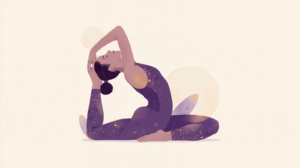
- Eye of the Needle (Reclined Pigeon): This is a nice way to start testing your hip rotation, without putting any weight on the knees.
Conclusion: A Journey Toward Stillness
Padmasana is not about doing a “perfect” shape for a photo. It’s in the relation of your balance, alignment and stillness. When you do it mindfully, it’s not just a yoga-pose-anywhere sort of thing; as something you can call upon in a pinch to counteract the slouches and stress from Zoomland, it becomes more than that.
The “Lotus” after all is a mud-grown plant. Your own journey may be one where your hips are tight and your mind wanders, but patience and the right tools will lead you to clarity and mobility.
How Betterhood Tackles Life With Less Pain
At betterhood, we know your environment should work for your biology. Our tools are made to help inspire mindful movement and effective alignment. Whether you are unwinding from a stressful day at work or laying the foundation for your next deep meditation session, our products help alleviate some of the load that gets placed on your joints so you can let out a long sigh of relief when it’s time to rest with postures like Padmasana being more manageable and sustainable for today’s body.
Explore More Health & Wellness Solutions:
Would you like to be up-to-date on everyday health and wellness issues? Here are some interesting pieces to help you. Follow the links below if you want practical tips or solutions:
- What Causes Back Pain? Understanding Root Triggers & Prevention Tips
- 10 Effective Home Remedies for Body Pain Relief Naturally
- Wrist Support Braces Explained: Protocols for Pain Relief
- Pillow for Neck Pain: Best Contour Pillow Every Side Sleeper Needs
Frequently Asked Questions
It’s safe as long as you approach it via adaptations. Novices usually begin with Half Lotus or Easy Pose to see if their hips are open enough for the full pose.
Most often Lotus knee pain is due to tightness in your hips. If the hip does not rotate, stress is transferred to the knee joint. You should always back off immediately if you feel a “pinching” in the knee.
Yes. It develops the muscles around your spine, and promotes a neutral pelvic tilt, so your body sits upright comfortably, even when you’re not on a yoga mat.
For novices, 30 seconds to a minute is more than enough. Advanced practitioners may sit in shirshasana while doing pranayama and meditation for even twenty minutes or more. Always remember to work both sides and maintain muscle balance.
Absolutely. Siddhasana (heels together) or Sukhasana (cross-legged) such as in hip-opening works the same muscles without the excruciating pressure on knees.
It helps move the nervous system to a place of parasympathetic state, which decreases cortisol and creates peace by bringing the body into stability, promoting diaphragmatic breathing.
References
- National Center for Complementary and Integrative Health (NCCIH). (2023). Yoga: What You Need To Know. https://www.nccih.nih.gov/health/yoga-what-you-need-to-know
- Harvard Health Publishing. (2021). Yoga for better posture and stress relief. https://www.health.harvard.edu/mind-and-mood/yoga-for-anxiety-and-depression
- Yoga Journal. (2022). The Anatomy of Padmasana. https://www.yogajournal.com/poses/types/seated/lotus-pose/
- Field, T. (2016). Yoga research review. Complementary Therapies in Clinical Practice. https://pubmed.ncbi.nlm.nih.gov/27060938/