






Do you often wake up with a stiff neck or dull pain that lingers throughout the day? You’re not alone. Neck pain while sleeping is increasingly common, especially due to our sedentary lifestyles and poor sleep posture. Choosing the right cervical pillow and sleeping position can be a game-changer for your neck health and overall sleep quality.
In this article, we’ll explore the benefits of cervical pillows, how your sleeping posture affects your spine, and which cervical pillow sleeping positions are best for you. Plus, we’ll guide you on how to choose the perfect cervical pillow suited to your needs.
What Is a Cervical Pillow?
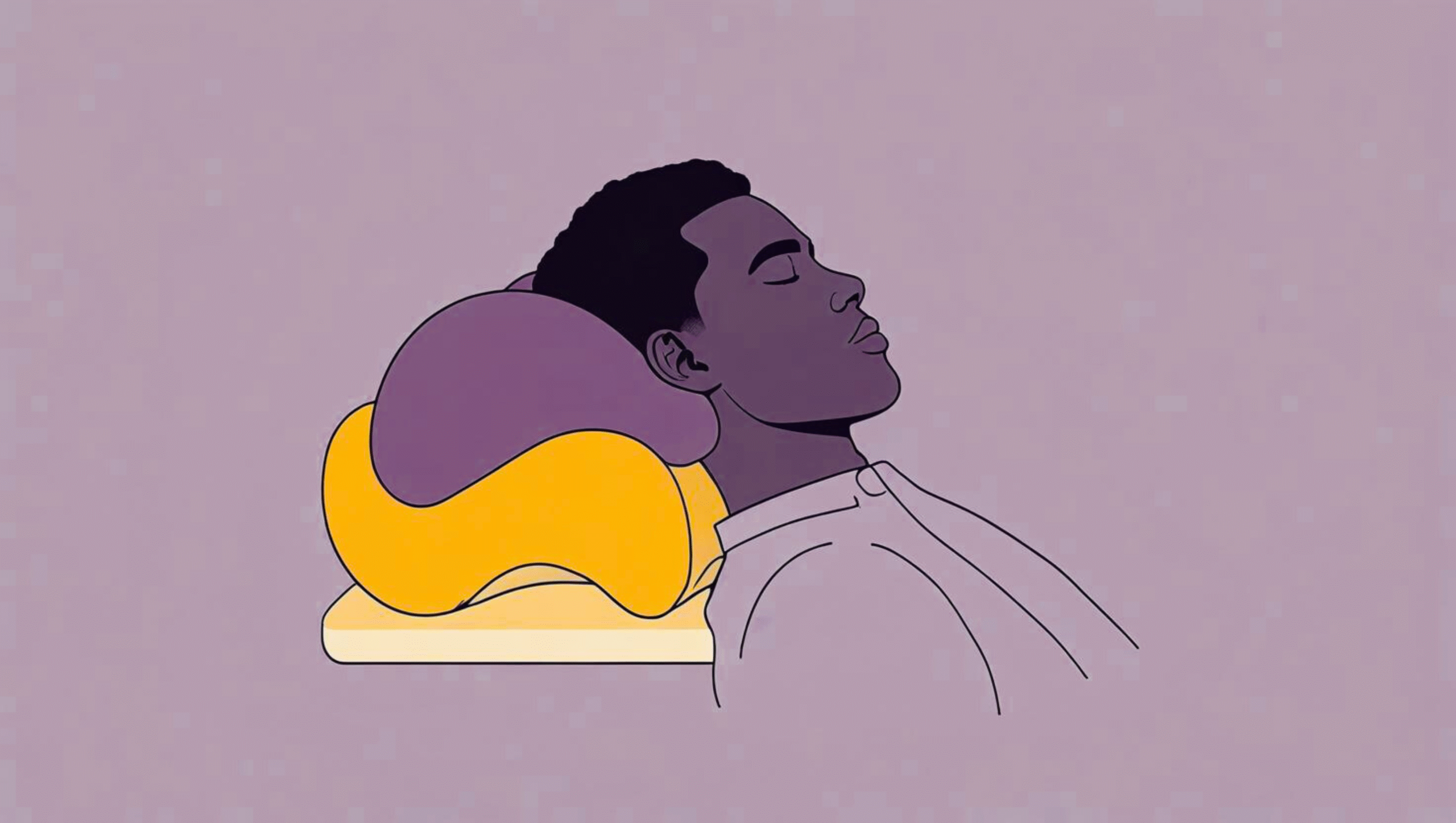
A cervical pillow is specially designed to support the natural curve of your neck. Unlike traditional pillows that may allow your neck to droop or bend unnaturally, a cervical pillow offers orthopedic support to maintain proper alignment of your neck and spine throughout the night.
These pillows come in various shapes and materials, often featuring a contoured design that cradles the head while supporting the neck.
Benefits of Using a Cervical Pillow
The benefits of a cervical pillow go beyond just neck comfort:
- Improves spinal alignment during sleep
- Reduces neck and shoulder pain
- Prevents morning stiffness
- Supports better posture
- May reduce snoring
- Promotes deeper, more restful sleep
Who Should Use a Cervical Pillow?
Cervical pillows are suitable for people suffering from cervical spondylosis, disc-related issues, or even chronic tension headaches.
An orthopedic cervical pillow is particularly beneficial for:
- People with cervical spondylosis
- Office workers experiencing back and neck pain relief issues
- Side sleepers needing proper side-sleeping neck support
- Back sleepers requiring consistent back-sleeping pillow support
- Individuals waking up with stiffness or tension headaches
- Anyone focused on maintaining long-term neck and spine health
If you’re looking for the best pillow for neck alignment, a cervical pillow is not a luxury; it’s a preventive wellness tool.
Importance of Sleeping Position
How Sleeping Position Affects Neck and Spine Health
Your sleeping posture plays a key role in your neck and spine health. An incorrect position can strain the cervical spine, compress nerves, and lead to muscle tightness or disc problems over time.
Maintaining ergonomic sleep support through the right posture and pillow can reduce this risk significantly.
Common Sleep Positions and Their Effects
Let’s break down how each sleep position affects your cervical spine:
- Back sleeping: Encourages neutral spine alignment; best with a contoured pillow.
- Side sleeping: Common in India, but needs a thicker pillow to support shoulder width.
- Stomach sleeping: Discouraged, as it forces the neck into unnatural angles, leading to long-term strain.
Why Sleeping Position Matters More Than You Think
Your cervical pillow sleeping position directly affects spinal alignment during sleep, blood circulation, and muscle relaxation. Poor alignment during rest is one of the biggest contributors to neck pain while sleeping, especially among desk workers and mobile-heavy users.
When your head, neck, and spine fall out of alignment:
- Cervical muscles stay engaged instead of recovering
- Disc pressure increases
- Morning stiffness and headaches become common
Using an ergonomic pillow for sleep combined with the right posture ensures your neck remains in a neutral position, reducing long-term strain and improving sleep quality.
This is why experts often recommend a cervical pillow for neck pain rather than standard pillows.
Cervical Pillow Sleeping Positions
Now, let’s explore the best sleeping positions with a cervical pillow.
Back Sleepers
Optimal Head and Neck Support
Back sleepers benefit the most from cervical pillows. The curve in the pillow fits the natural C-shape of your neck, allowing the head to rest slightly backward without tilting.
Pillow Placement Tips
- Position the thicker part of the pillow under your neck.
- Ensure your head lies in the central dip, keeping your chin slightly up.
- Avoid placing your head too high or too low to maintain neutral alignment.
Side Sleepers
Maintaining Spine Alignment
Side sleeping is the most common position in India. A cervical pillow can help maintain the spine’s horizontal alignment by supporting the gap between your head and shoulder.
Shoulder and Neck Considerations
- Choose a firm cervical pillow with enough loft (height) to bridge the shoulder gap.
- Ensure your nose is aligned with the center of your chest not twisted upward or downward.
- If your shoulder sinks into the mattress, combine your pillow with a firm surface or mattress topper.
Stomach Sleepers
Risks and Alternatives
Stomach sleeping often leads to neck torsion because you have to twist your head to one side for breathing. This can compress cervical discs and strain muscles over time.
How to Transition Away from Stomach Sleeping
- Start training yourself to sleep on your side by placing a body pillow against your chest.
- Use positional pillows to discourage turning.
- If you must sleep on your stomach, use an ultra-thin cervical pillow or none at all to reduce extension.
How to Choose the Right Cervical Pillow
Not all cervical pillows are created equal. Here’s what to look for:
Material and Firmness
The material can affect both comfort and effectiveness:
- Memory foam: Molds to your neck; popular and supportive.
- Latex: Bouncy and natural; good for allergy-prone individuals.
- Polyfoam or fiber: Economical but less durable.
Choose medium-firm for a balance between support and comfort.
Contour Design and Size
Look for a contoured design that matches the curvature of your neck. The pillow should offer:
- A raised edge for neck support
- A dip in the center to cradle the head
- Sizing that fits your body type taller people need higher contours.
Adjustable vs. Fixed Cervical Pillows
- Adjustable cervical pillows allow customization of height and firmness, ideal for those still experimenting with comfort.
- Fixed pillows offer consistency and are often more durable.
Choose based on your level of comfort, trial willingness, and budget.
Tips for Adjusting to a Cervical Pillow
Switching to a cervical pillow isn’t always smooth, but it’s worth the effort.
Breaking the Habit: Give It Time
You may feel discomfort or notice resistance from your neck muscles in the first few days. This is normal. Give it at least 1–2 weeks to adjust.
Combining with Sleep Hygiene Practices
Improve your cervical pillow experience by:
- Keeping a consistent sleep schedule
- Avoiding high pillows or stacking multiple cushions
- Using a supportive mattress that complements the pillow
- Practicing neck stretches before bed
Common Cervical Pillow Mistakes to Avoid
Even the best pillow for neck alignment won’t help if used incorrectly. Common mistakes include:
- Using the pillow upside down (contour should support the neck, not the head)
- Choosing incorrect height for your sleeping position
- Pairing a cervical pillow with a sagging mattress
- Switching back to old pillows at midnight
- Expecting instant results without an adjustment period
Correct use ensures optimal spinal alignment during sleep and reduces dependency on pain medication.
Design Your Tech; Don’t Let It Design You
Modern lifestyles force our bodies into unnatural postures, not just at work, but while commuting and resting. Recovery doesn’t stop at bedtime.
betterhood’s ergonomic recovery products help extend spinal care beyond sleep:
- Seat Cushion for Car
Maintains pelvic alignment during long drives, reducing lower back and neck strain. - Car Neck Rest Pillow
Provides on-the-go cervical support, preventing stiffness caused by head lag and vibration.
Together with a pillow for cervical spondylosis, these tools help protect your posture throughout the day, so your body recovers instead of compensates.
Conclusion
Choosing the right cervical pillow sleeping position is essential for neck health, posture, and quality sleep. Whether you’re a back, side, or (trying to quit) stomach sleeper, a good cervical pillow can make a world of difference.
If you’ve struggled with neck pain or poor posture from sleep, consider investing in a well-designed cervical pillow that supports your natural spinal alignment. It’s not just about comfort — it’s about long-term wellness.
Recommended Product: PosturePro Cervical Neck Support Pillow
Looking for a high-quality cervical pillow that combines ergonomic design and orthopedic support? Check out the PosturePro Cervical Neck Support Pillow for Sleeping from Betterhood.
- Memory foam construction for adaptive support
- Contoured shape for side and back sleepers
- Promotes correct posture and pain relief
- Ideal for Indian climates and sleep habits
This pillow is an excellent investment in your health and sleep hygiene.
Frequently Asked Questions:
Yes, cervical pillows with higher loft and firm support are ideal for side sleepers to maintain spinal alignment.
It typically takes 7–14 days for your body to adapt to the new pillow. Mild discomfort during the transition is normal.
Yes, especially for back sleepers. Proper neck alignment can open airways and reduce snoring caused by airway obstruction.
Replace it every 12–18 months, or sooner if the foam loses shape, feels lumpy, or no longer supports your neck properly.