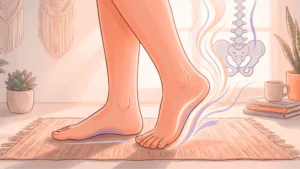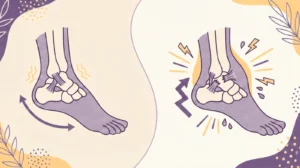






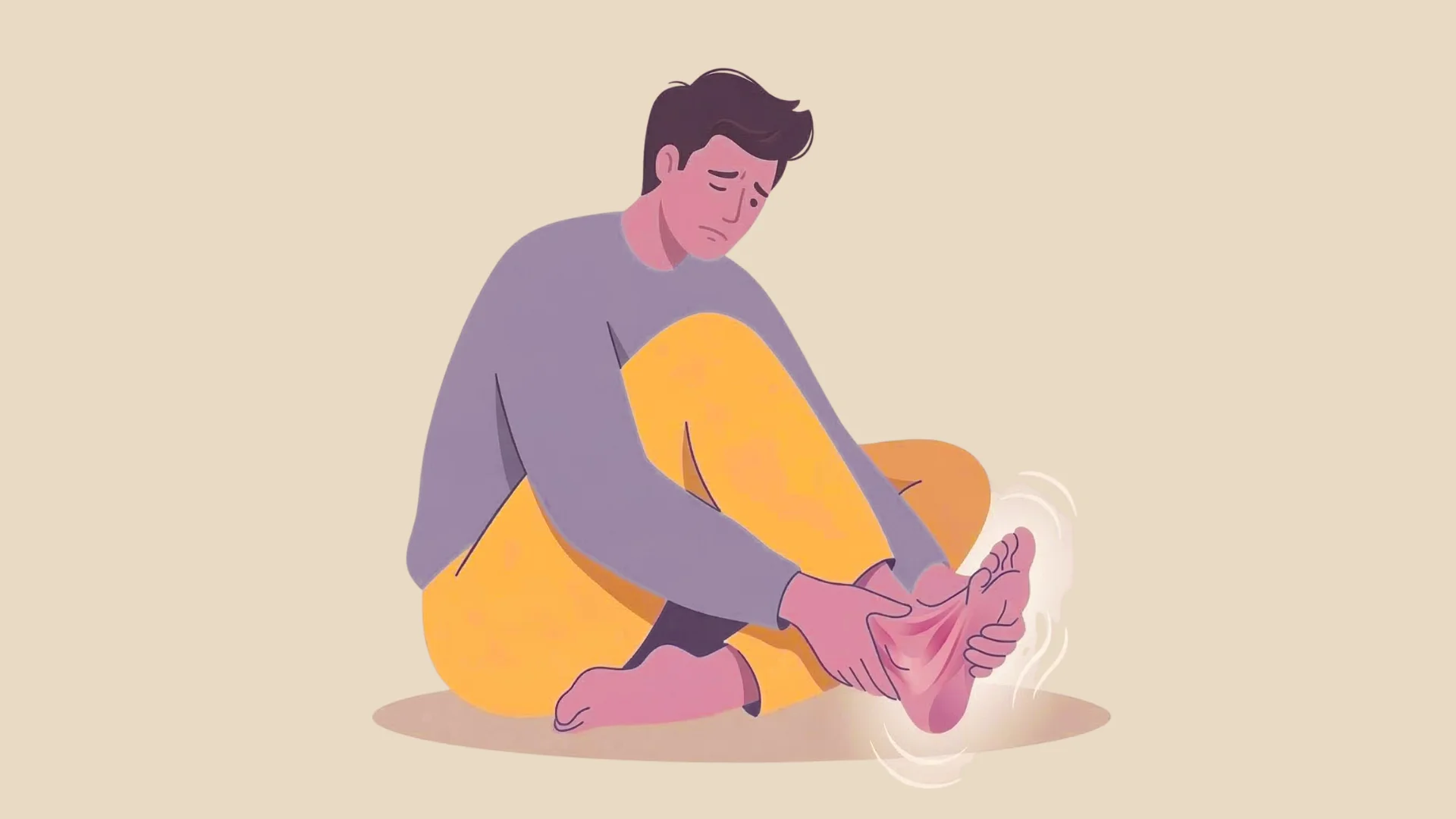
Picture this; You sound asleep, all comfy and cozy in your bed, and then bam!, A sharp, stabbing pain shoots through your foot, jerking you awake. Your toes curl against your will, and your calf muscle feels as if they’re tied in knots. Sound familiar? Well, you are suffering from one of the most irritating and common health complaints: cramps in feet.
From office workers spending time sitting to older people suffering from age-related muscle problems, foot cramps affect millions of people all over India. Approximately 60% of adults have nocturnal leg and foot cramps at some time in their life as was concluded in a study published on the American Family Physician journal [1]. They may be painful muscle spasms, or cramps, that can last from a few seconds to 15 minutes or more, and even the once your muscles finally do relax, they may feel achy and tender for hours (or while) after.
Occasional foot cramps are generally harmless, but when the muscles in your feet routinely tighten up after a long day’s work (or play) it’s likely there may be an underlying cause and reason to pay more attention to them. If you want a lasting solution and to prevent it from recurring, it’s important to identify the root cause of your experience.
In this comprehensive guide, we’ll explore seven common causes of persistent foot cramps, with special focus on vitamin and mineral deficiencies that often go undiagnosed in Indian populations.

1. Magnesium Deficiency: The Primary Culprit
Magnesium deficiency is one of the most common reasons for cramps in feet and it seems to be quite easy to get it in India despite our traditional diet. This key mineral is involved in muscle contractions and relaxation.
Why It Happens: Magnesium functions as a natural calcium blocker, which means it can help your muscles to relax after contracting. When levels are low, it can cause muscle nerve cells to become overenergized and cramp up [2]. Up to 48% of the Indian population may be deficient in magnesium as a result of soil depletion and dietary changes [3].
Additional Symptoms:
- Twitching and spasm of other muscle elsewhere around the body
- Fatigue and weakness
- Irregular heartbeat
- Numbness or tingling
- Difficulty sleeping
Who’s at Risk:
- People with diabetes
- Those on diuretics or proton pump inhibitors
- Individuals with digestive disorders
- Heavy alcohol consumers
- Elderly adults
Treatment and Prevention: Consume magnesium-rich foods such as spinach, almonds, cashews, black beans and pumpkin seeds in your diet. The RDA is 310–420 mg for adults [4]. If diet is not enough, you could also consider taking magnesium supplements (ideally of the citrate or glycinate variety) with medical supervision.
2. Potassium Deficiency (Hypokalemia)
Another important electrolyte that helps control muscle contractions is potassium. Low potassium levels are a common culprit behind feet cramps, particularly if you’re on medication or dehydrated.
Why It Happens: Potassium transmits the electrical messages that govern muscle movement. When these levels go down, such signals become interrupted and muscles contract without one’s control [5]. During summer, while in India, especially where chopped fruits are easily perishable, one can lose the potassium to the open when you sweat too much.
Additional Symptoms:
- General muscle weakness
- Constipation
- Abnormal heart rhythms
- Extreme thirst
- Frequent urination
Common Causes of Potassium Depletion:
- Heavy sweating; when you exercise, for example, or when it’s hot out
- Chronic diarrhea or vomiting
- Diuretic medications for blood pressure
- Laxative overuse
- Low dietary intake
Treatment and Prevention: Take something rich in potassium every day; banana, sweet potatoes, coconut water, organic orange(s), tomato and a bit of spinach. The daily intake recommendation is 2,600-3,400 mg in adults [6]. Regular blood tests are crucial if you take drugs that can affect potassium levels.
3. Calcium Deficiency: Beyond Bone Health
We tend to associate calcium with bone health, but this mineral also plays a crucial role in the functioning of muscles. Cramping in the feet even when at rest especially during night time, is an indicator of calcium deficiency.
Why It Happens: Muscle contractions are initiated by calcium ions. The nerves lose potassium to the blood, which makes them highly excitable so they produce symptoms of muscle spasms and cramping [7]. In lactose-intolerant people who stay away from dairy products, this is very frequent.
Additional Symptoms:
- Brittle nails
- Dental problems
- Numbness in fingers and toes
- Bone pain or fractures
- Irregular heartbeat
Risk Factors:
- Postmenopausal women
- Vegans without adequate calcium supplementation
- People with lactose intolerance
- Individuals who are Vitamin D deficient (this vitamin is required for calcium absorption)
- Long-term use of corticosteroids
Management and Prevention: One thousand to 1200 mg calcium per day for adults [8]. Good sources include dairy products, fortified plant-based milk, ragi (finger millet), sesame seeds and sardines and leafy vegetables such as methi and palak. Vitamin D Improve the absorption of calcium by eating it in combination with vitamin D.
4. Dehydration and Electrolyte Imbalance
Dehydration is one of the most underestimated reason for cramps in feet, even in India when summer temperatures can go above 40 deg C.
Why It Happens: Electrolyte levels (sodium, potassium, calcium and magnesium) become imbalanced in your body when you’re dehydrated. This imbalance can disrupt the electrical signals that regulate muscle contractions, resulting in cramping [9]. This is enough fluid to cause muscle cramps even if so slight that you do not notice it.
Additional Symptoms:
- Dark yellow urine
- Dry mouth and lips
- Dizziness or lightheadedness
- Reduced urination
- Fatigue
High-Risk Situations:
- Intense physical activity or sports
- Working outdoors in hot weather
- Fever, vomiting or diarrhea due to illness
- Not having enough water during the day
- Excessive caffeine or alcohol consumption
Treatment & Prevention: Drink a minimum of 8-10 glasses of water each day, or more if you’re engaging in exercise or are outside on a hot, sunny day. Don’t wait until you’re thirsty because by that point you’re already a little dehydrated.
Add hydrating foods such as cucumber, watermelon and buttermilk in your diet. Electrolyte beverages or coconut water for vigorous exercise that is longer than 1 hour.
5. Vitamin B Complex Deficiency
B vitamins also including B1 (thiamine), B5 (pantothenic acid) and B6 (pyridoxine), are important for nerve function and muscle health. Cramps in Feet and legs can also occur due to deficiencies of these vitamins.
What’s Happening: B vitamins are key for converting food into energy and keeping your nerves healthy. When absent, nerve impulses to muscles may be interrupted causing muscle cramps and weakness [10]. This is especially valid for India where polished grains have largely or entirely replaced traditional whole sorghum in many diets.
Additional Symptoms:
- Lack of feeling or tingling in hands and feet
- Fatigue and weakness
- Difficulty concentrating
- Irritability or mood changes
- Skin issues or rashes around corners of the mouth
Common Causes:
- Diets heavy in refined carbohydrates
- Alcohol abuse
- Certain medications (metformin for diabetes)
- Digestive disorders affecting nutrient absorption
- Vegetarian or vegan diets [without adequate planning]
Treatment and Prevention: Eat whole grains, legumes, nuts and seeds, eggs and dairy products (or fortified cereals). Nowhere near comparable to nutritional yeast, an excellent form of B vitamins for vegetarians. If you have diabetes or are taking metformin, ask your doctor about supplementing with B12 as this medication can deplete levels of the nutrient.
6. Poor Circulation and Peripheral Artery Disease (PAD)
Not getting enough blood flowing to your feet and legs can also lead to cramping, particularly during activity or at night. This is worrying for people with diabetes, or risk factors for heart disease.
Why It Happens: When arteries get clogged with plaque, your muscles aren’t getting enough oxygen-rich blood. As a result, there is pain and cramping particularly in the feet and calves due to this hypoxia [11]. The cramps generally get worse with walking and better with rest; a condition known as intermittent claudication.
Additional Symptoms:
- Chilled feet, particularly in relation to other body parts
- Changes in skin color (pale or bluish)
- Slow-healing wounds on feet
- Weak or absent pulse in feet
- Numbness or weakness in legs
- Shiny, hairless skin on legs
Risk Factors:
- Diabetes
- High blood pressure
- High cholesterol
- Smoking
- Age over 50
- Obesity
- Family history of heart disease
Treatment and Prevention: If you suffer from circulation problems, see a vascular specialist. This can range from medication to enhance blood flow, lifestyle changes (such as quitting smoking and regular exercise) and in severe cases, surgical procedures. At the very least, regular walking might be able to improve circulation in the long-term.
7. Overuse, Muscle Fatigue, and Improper Footwear
Other times, the culprit is plain old mechanics: overworking muscles, not getting enough rest or wearing shoes that don’t offer enough support.
Why It Happens: Muscles work hard and don’t get the needed time off to recover so more lactic acid is built up, tired muscles are more susceptible to cramping [12]. Cramps Especially in the Feet You get cramps when standing or walking; wearing high heels a lot; overdoing physical activity. Quite a few people in india wear flat chappals or sandals with not much arch support causing more muscle strain.
Additional Risk Factors:
- Standing for long periods of time (retail employees, teachers, healthcare workers)
- Sudden increase in exercise intensity
- Wearing worn-out or unsupportive shoes
- Flat feet or high arches unsupported with any foot support
- Shortened calf muscles from no stretching
Treatment and Prevention:
- Splurge on good fitting, supportive shoes or insoles designed for your activities.
- Replace running shoes after 400-500 kilometers
- Practice stretching feet and calves daily, especially before bed
- Even if your work involves standing for extended periods of time, schedule regular breaks
- Don’t overdo it when exercising: build up exercise levels safely and slowly
- For structural foot problems, consider orthotics
Immediate Relief During a Cramp:
- Gently stretch the affected muscle
- Massage the cramped area
- Use heat on tight muscles or cold on a sore muscle after the cramp
- Walk around to restore circulation
- Flex your foot upward toward your shin.
When to See a Doctor?
Though an isolated cramp in the feet tends to be harmless, there are some circumstances where a person should seek medical help:
- Autonomic cramps (several times a week)
- Intense pain that doesn’t get better with self-care
- Muscle cramping with swelling, redness or skin changes
- 42 Symptoms Muscle weakness remains following the cramp
- Cramps that keep you up at night or disrupt your daily routine
- Signs of poor circulation or a nerve disorder
Blood tests: Your doctor might test your blood for signs of certain vitamins and mineral deficiencies, kidney and thyroid function and other health indicators as needed.
How to Prevent Foot Cramps: Diet, Stretching, and Lifestyle Tips
How to stop cramps in feet Here are the best ways to prevent cramps in your feet holistically through diet, hydration and other remedies:
Nutritional Support:
- Eat a balanced diet rich in fruits, vegetables, whole grains, and lean proteins
- Ensure that you are getting enough magnesium, potassium, calcium and B vitamins.
- If your diet is limited, you might want to think about a good multivitamin.
- Rehydrate constantly, not just during workouts
Physical Activity:
- You must stretch your toes and calf muscles everyday, for at least 30 seconds per stretch!
- Warm the system up and cool it down after use
- Strengthen foot muscles with the help of toe curls and arch lifts
- That way you don’t have a sudden increase in intensity.
Lifestyle Modifications:
- Wear supportive, properly fitted footwear
- Most people also should avoid alcohol and caffeine, because they dehydrate the body
- Keep to a healthy weight- less weight means less stress on your feet and legs.
- Raise your feet when seated for extended time periods
- Have a warm bath at bedtime to relax muscles
Conclusion
Constant cramps in feet can significantly impact your quality of life, disrupting sleep and limiting physical activity. While the causes range from simple dehydration to more complex vitamin deficiencies and circulation problems, most cases can be effectively managed with proper nutrition, hydration, and lifestyle modifications.
Remember that your body is speaking to you through these cramps, they’re usually a sign of something to pay attention to, whether that’s what you’re eating or drinking and when (check your magnesium consumption and fluid intake), or what shoes you’re sporting. If you treat the root issue and not just the symptom, you can achieve lasting relief from those nighttime cramps.
If you’ve made dietary and lifestyle changes without quality of life benefit, see a healthcare provider. Individual deficiencies can be diagnosed by blood tests, and with proper medical evaluation more serious problems can be excluded.
At Betterhood, we believe foot health starts with the right support; inside and out. Paired with simple lifestyle changes and the right physical support like orthotic insoles and heel pads designed to reduce pressure and improve alignment, betterhood helps you move more comfortably and feel more confident with every step.
Because feeling good in your body should be your everyday baseline, not an exception.
Explore More Health & Wellness Solutions:
Would you like to be up-to-date on everyday health and wellness issues? Here are some interesting pieces to help you. Follow the links below if you want practical tips or solutions:
- Ankle Pain From Walking: Hidden Mechanics Exposed
- 10 Effective Home Remedies for Body Pain Relief Naturally
- Proper Foot Support for Foot Pain and Daily Comfort
- Top 10 Shoulder Pain Relief Exercises at Home
Frequently Asked Questions
Night foot cramps are caused by long periods of inactivity, being dehydrated during the day or simply lying but not moving which prevents blood flowing. Sleeping with your toes pointed can also contribute to cramping.
Yes, diabetes can cause foot cramps in a variety of ways: nerve damage (neuropathy), circulation problems, electrolyte imbalances from mediation and susceptibility to dehydration. Proper diabetes management is essential.
If the cause is vitamin deficiency, you could see a change in 2-4 weeks after providing the supplement daily. But it takes 2 to 3 months to completely rebuild and return your stored up levels back to a high.
Occasional cramps are usually benign, but frequent cramps could indicate circulation problems, nerve damage, kidney disease, or thyroid disorders. Persistent cramping warrants medical evaluation.
Quickly stretch the cramped muscle by pulling your foot towards your shin. It also helps to massage the cramped area, walk around or apply some heat for quick relief.
References
[1] Allen, R. E., & Kirby, K. A. (2012). Nocturnal leg cramps. American Family Physician, 86(4), 350-355. https://www.aafp.org/pubs/afp/issues/2012/0815/p350.html
[2] National Institutes of Health. (2023). Magnesium – Health Professional Fact Sheet. https://ods.od.nih.gov/factsheets/Magnesium-HealthProfessional/
[3] Khandare, A. L., et al. (2005). Beneficial effect of natural mineral water on the bone metabolism in growing rats. Journal of Trace Elements in Medicine and Biology, 19(1), 33-37.
[4] Healthline. (2023). 10 Evidence-Based Health Benefits of Magnesium. https://www.healthline.com/nutrition/10-proven-magnesium-benefits
[5] National Institutes of Health. (2023). Potassium – Health Professional Fact Sheet. https://ods.od.nih.gov/factsheets/Potassium-HealthProfessional/
[6] Mayo Clinic. (2023). Hypokalemia (Low Potassium). https://www.mayoclinic.org/symptoms/low-potassium/basics/definition/sym-20050632
[7] Shaker, J. L., & Deftos, L. (2014). Calcium and Phosphate Homeostasis. In Endotext. MDText.com, Inc. https://www.ncbi.nlm.nih.gov/books/NBK279023/
[8] National Institutes of Health. (2023). Calcium – Health Professional Fact Sheet. https://ods.od.nih.gov/factsheets/Calcium-HealthProfessional/
[9] Healthline. (2022). Dehydration and Muscle Cramps: What’s the Connection? https://www.healthline.com/health/dehydration-and-muscle-cramps
[10] Kennedy, D. O. (2016). B Vitamins and the Brain: Mechanisms, Dose and Efficacy. Nutrients, 8(2), 68. https://www.ncbi.nlm.nih.gov/pmc/articles/PMC4772032/
[11] American Heart Association. (2023). Peripheral Artery Disease (PAD). https://www.heart.org/en/health-topics/peripheral-artery-disease
[12] Cleveland Clinic. (2023). Muscle Cramps. https://my.clevelandclinic.org/health/diseases/14170-muscle-cramps
[13] Harvard Health Publishing. (2022). What can I do about leg and foot cramps? https://www.health.harvard.edu/pain/what-can-i-do-about-leg-and-foot-cramps