Whether you are standing behind a retail billing counter, teaching back-to-back classes, or standing through a crowded local train commute, long hours on your feet quietly strain your arches, knees, and lower back. Without proper reinforcement, your arches collapse with each step, leading to severe foot fatigue, joint stiffness, and conditions like plantar fasciitis or shin splints. That is why turning to the best arch support insoles is a game-changer for maintaining stability and staying pain-free throughout demanding workdays.
When unsupported arches collapse, your body compensates in unhealthy ways, triggering subtle gait changes, knee and hip discomfort, and dull lower back aches by the time your shift ends. Biomechanical studies prove that structured arch support distributes body weight evenly, relieves focal pressure on your heels, and optimizes joint alignment. For teachers, nurses, retail staff, and field professionals, quality insoles actively stabilize your stride and protect your spine from morning to night.[2]
What Are the Most Common Foot Problems Caused by Standing All Day?
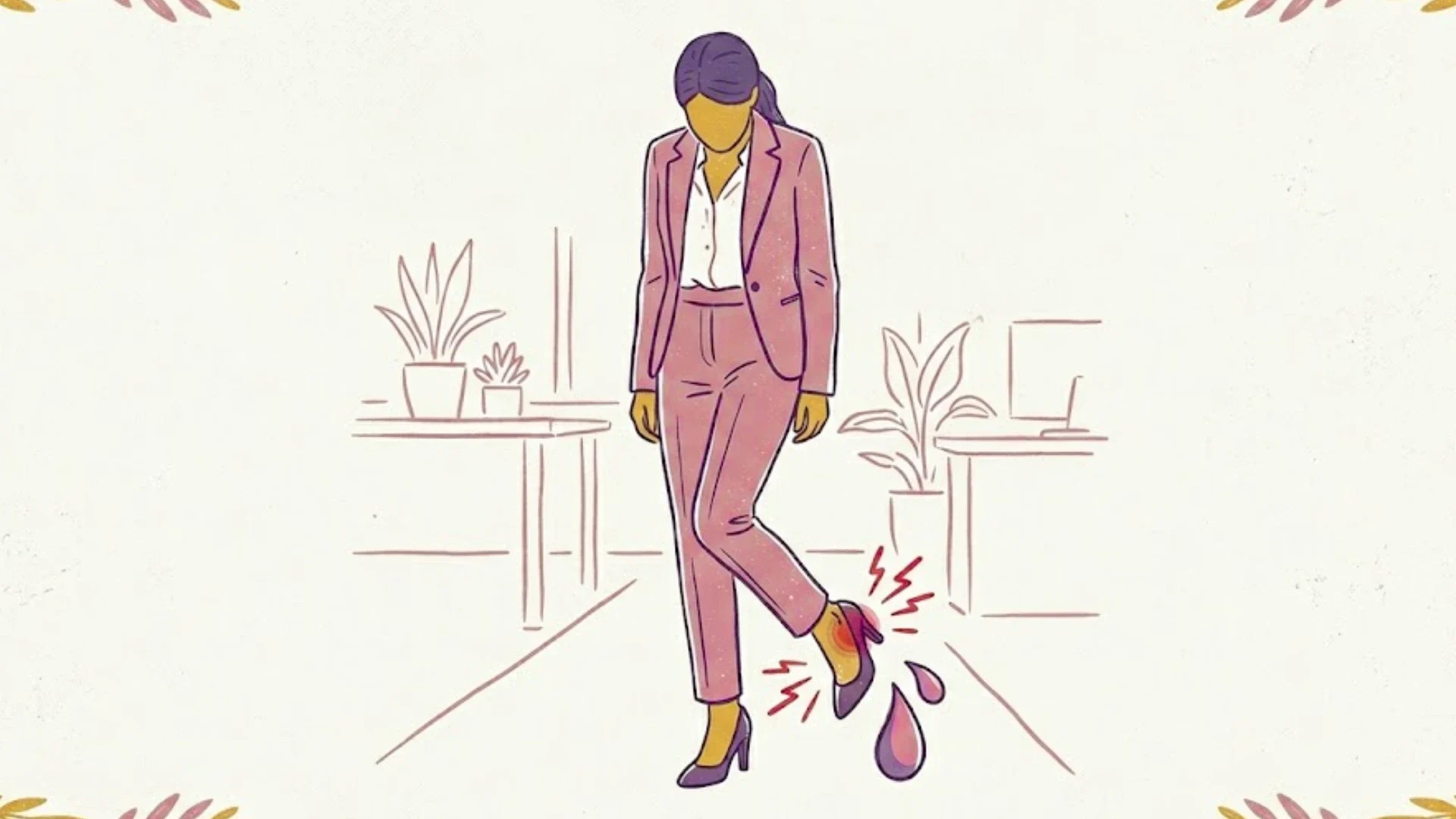
Whether you are managing long retail shifts, standing behind a hospital billing counter, teaching back-to-back classes on hard tile floors, or working factory shifts, standing for hours without proper foot reinforcement places immense mechanical stress on your lower body. Over time, this daily strain leads to three primary foot conditions:
What Causes That Sharp Heel Pain After Standing for Hours?
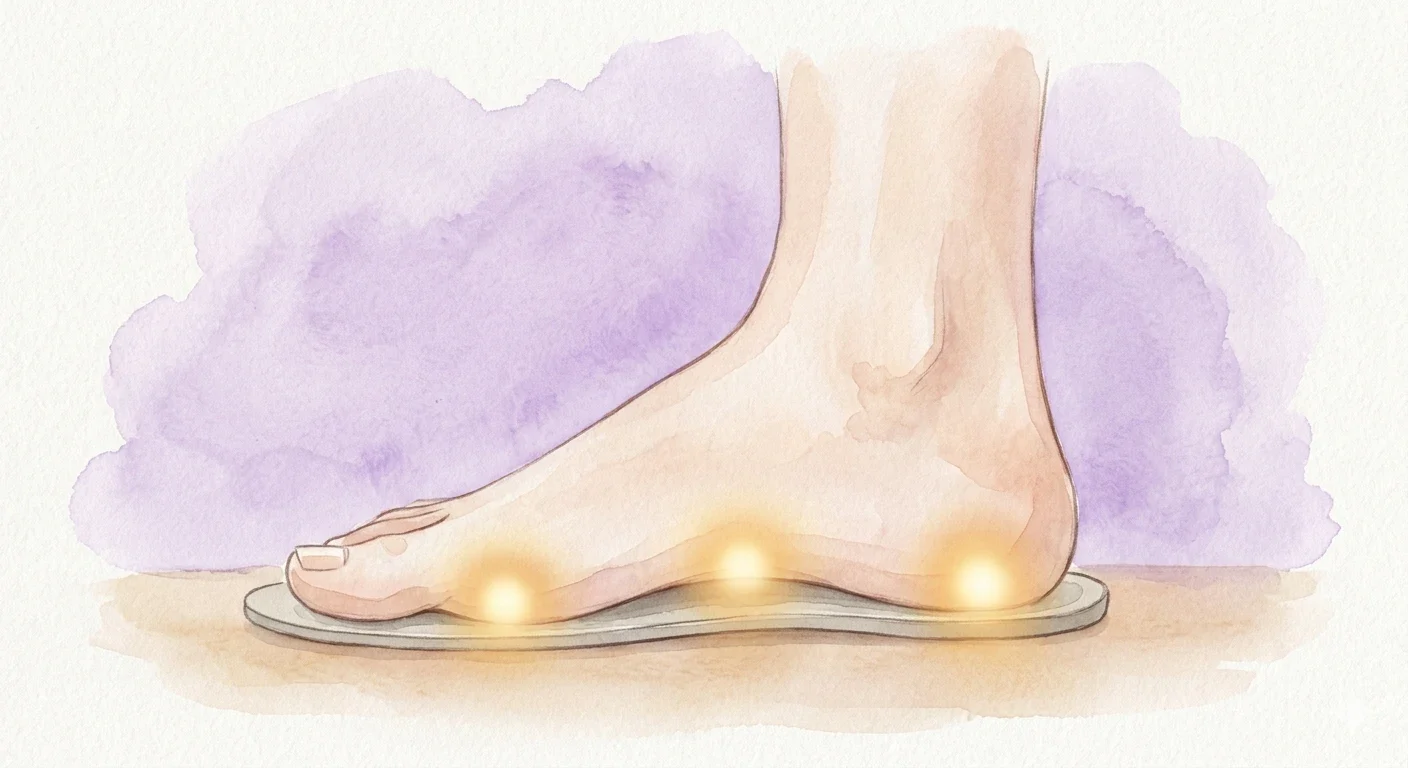
Heel pain is one of the most widespread complaints among professionals who spend their workdays on their feet. It is primarily caused by overuse and inflammation of the plantar fascia, the thick, broad band of tissue that spans across the bottom of your foot, connecting your heel bone to your toes. Standing continuously on hard surfaces forces this band to bear your full body weight without relief. Left unmanaged, severe heel soreness restricts your natural foot function and limits your overall daily mobility.
Why Do Flat Feet and Fallen Arches Make Standing So Exhausting?
Flat feet (or fallen arches) lack the natural upward curve needed to absorb vertical impact when walking or standing. Without this built-in shock absorber, excessive strain shifts onto your foot ligaments and intrinsic muscles, making them rapidly tire out during long shifts. The absence of medial arch support aggravates this collapse over time, making flat-footed individuals far more vulnerable to ankle instability, balance issues, and long-term joint strain.
How Does Plantar Fasciitis Become a Chronic Nightmare for Standing Professionals?
Plantar fasciitis is an excruciating inflammatory condition involving the plantar fascia tissue. It is frequently triggered or worsened by walking barefoot or standing on hard floors in flat, unsupportive footwear. While individuals with both high arches and low arches are at high risk, using supportive orthotic insoles is one of the most widely recommended conservative therapies. If left untreated, acute plantar fasciitis can progress into a chronic condition, severely restricting your daily work routine and personal life.
How Does Poor Arch Support Lead to Severe Foot and Back Strain?
When your feet lack structured arch support, the mechanical forces of standing do not disappear, they travel upwards through your entire body. Here is how unaligned arches trigger widespread physical discomfort:
- Heel Pain & Micro-Tears: Without a contoured arch to distribute weight evenly, your plantar fascia stretches beyond its normal limit with every step. This constant overextension creates microscopic tears and chronic inflammation at the base of your heel.[2]
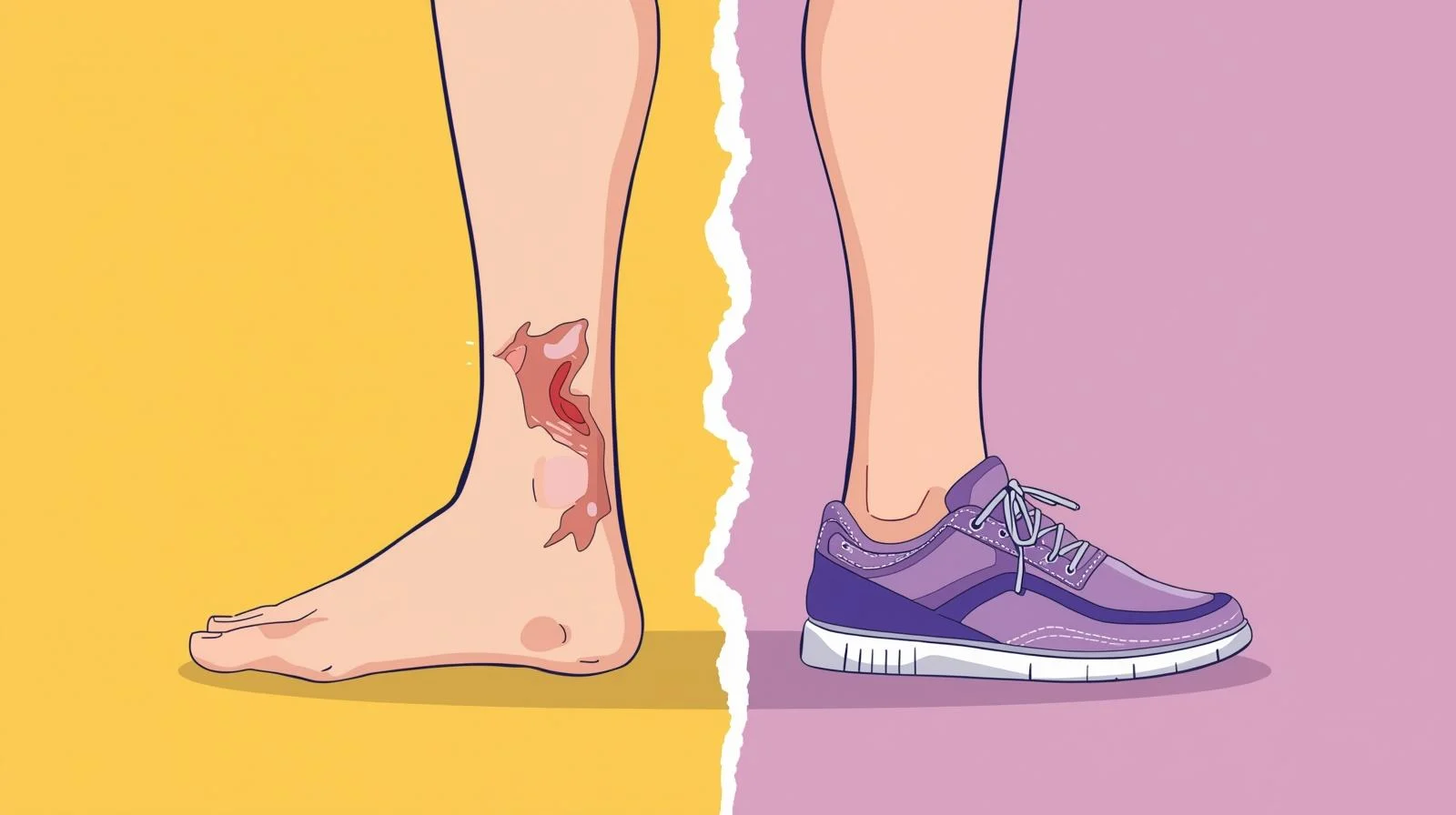
- Flat Feet, Overpronation & Knee Discomfort: When fallen arches collapse downward, your feet roll excessively inward, a movement pattern known as overpronation. Overpronation twists the ankles and knees out of alignment, causing persistent joint aching and balance instability. Ergonomic arch support insoles physically lift the arch to restore natural biomechanical alignment.
- Disrupted Kinetic Chain & Lower Back Pain (Kamar Dard): Misalignment in your feet instantly disrupts the body’s kinetic chain from the ankles up. As your knees and hips tilt inward to compensate for flat feet, your lumbar spine loses its neutral alignment, resulting in chronic lower back aches by the end of your workday.[3]
| Body Area | Symptom | Underlying Cause |
|---|---|---|
| Feet & Arches | Persistent aching, soreness, or burning in the heel and arch after standing. | Plantar Fasciitis: Overstretched plantar fascia tissue developing micro-tears and inflammation. |
| Gait & Stride | Overpronation (excessive inward rolling) or Supination (outward rolling). | Flat Feet / Fallen Arches: Loss of the foot’s natural shock-absorbing arch curvature. |
| Lower Body | Joint pain in knees, hips, or chronic lower back aches (kamar dard). | Kinetic Chain Misalignment: Foot collapse forcing knees, hips, and spine to compensate. |
| Footwear | Uneven wear patterns on shoe soles (worn inner or outer edges). | Imbalanced Weight Distribution: Postural imbalance during long walking or standing shifts. |
| Circulation & Muscles | Heavy, tired, achy, or swollen feet and ankles by evening. | Foot Muscle Fatigue: Foot tendons working overtime without structural support. |
What Are the 5 Best Arch Support Insoles for People Who Stand All Day?
We analyzed medical studies, user reviews, and clinical trials to shortlist the top five best arch support insoles for working adults, seniors, and active individuals. These recommendations evaluate arch support, durability, material quality, and scientific backing.
PosturePro Arch Support Insoles by Betterhood
- Why It’s the Best: Designed specifically for flat feet and recurring foot aches, PosturePro insoles provide sturdy arch support, deep heel cups for stability, and shock-absorbing padding throughout. Built for long daily commutes and work shifts, they relieve heel and forefoot pressure to improve alignment. Their orthotic-grade EVA construction offers ideal firmness and flexibility, while moisture-wicking, antimicrobial fabric ensures all-day fresh comfort.
- Backed by Research: A study in Clinical Biomechanics found that structured insoles like PosturePro significantly reduce plantar pressure and enhance foot balance [4].
Powerstep Pinnacle Maxx
- Why It’s the Best: Recommended by podiatrists for both preventative and rehabilitative support, Powerstep Pinnacle Maxx features a two-layer cushioning system with an EVA foam bottom. Its sloped heel platform offers superior motion control for individuals with overpronation.
- Clinical Evidence: Research confirms that firm arch support with cushioned top covers lowers plantar pressure and foot fatigue [6], correcting alignment to reduce injury risks [5].
Dr. Scholl’s Work Massaging Gel Advanced Insoles
- Why It’s the Best: Built for workers standing all day in work shoes or boots, these insoles feature responsive gel technology for dynamic cushioning. As a non-medical orthotic, they suit individuals without chronic issues who need all-day comfort and modest arch support.
- Scientific Backing: Peer-reviewed studies show that shock-absorbing gel insoles minimize muscle fatigue and improve comfort for physically demanding jobs [6, 7].
Sof Sole Athlete Performance Insoles
- Why It’s the Best: Combining contoured arch support with sweat-wicking COOLMAX fabric, these insoles suit active people standing all day. They offer a custom fit for neutral arches with targeted heel and forefoot cushioning.
- Backed by Research: A 2022 Journal of Sports Sciences study highlights how moisture-wicking performance fabric enhances foot comfort during prolonged physical exertion [8].
Walk Hero Comfort and Support Insoles
- Why It’s the Best: Popular for their value and medical-grade support, Walk Hero insoles assist with plantar fasciitis, flat feet, and pronation. They feature an integrated arch, deep heel cradle, and shock-absorbing cushioning for optimal alignment.
- Backed by Research: User trials demonstrate significant pain relief when changing to insoles with deep heel cups and medial arch support [9], proving effective for motion control in repetitive tasks [8].
Comparison: Custom Orthotics vs. OTC Insoles
The choice between over-the-counter (OTC) insoles and prescription custom orthotics depends on the severity of your foot condition, budget, and longevity needs.
| Feature | OTC (Over-the-Counter) Insoles | Custom Orthotics (Prescription) |
| Customization | Mass-produced in standard sizes (Small, Medium, Large, etc.). | Tailor-made from a 3D scan or mold of your foot. |
| Purpose | General comfort, cushion, mild to moderate arch support, and preventive care. | Targeted correction for severe biomechanical issues, chronic pain (severe Plantar Fasciitis, bunions, structural deformities). |
| Cost | Economical (₹500 – ₹3,000). | High Cost (₹5,000 – ₹20,000+). Often covered by insurance if prescribed. |
| Lifespan | 6 to 12 months of regular use. | 2 to 5 years or more, depending on material and activity. |
| Correction Level | Provides general, non-specific alignment. | Provides precise, medical-grade alignment and control. |
Insoles for Different Arch Types
Understanding your arch height is the first step in selecting the correct insole. You can use the “wet test” (stepping on a dry piece of paper after wetting your feet) to determine your type.
| Arch Type | Footprint Appearance | Biomechanics/Issue | Best Insole Choice |
| Low Arch / Flat Feet | Nearly the entire foot is visible. | Overpronation (foot rolls inward). Requires aggressive motion control. | Firm, Structured Support (Semi-rigid plastic or carbon fiber). Focus on preventing arch collapse. |
| Neutral Arch | About half of the arch is visible. | Neutral Gait (ideal). Needs balanced support and cushioning. | Moderate Support with good shock absorption. Memory foam or flexible EVA foam. |
| High Arch | Only the heel and forefoot are visible (narrow connection). | Supination (foot rolls outward). Poor natural shock absorption. | Soft, Highly Cushioned with deep heel cups. Focus on impact absorption (Gel or flexible PU Foam). |
How to Choose the Right Insoles for Work Shoes?
Finding the right foot alignment depends on your daily footwear, standing hours, and specific arch height. Browse the complete Betterhood support insoles collection to discover contoured gel and EVA inserts tailored for your exact foot type.
- Select the Right Material: Choose EVA foam for firm support and posture alignment, or gel insoles if immediate step-in comfort is your main priority.
- Match Arch & Footwear: Pick an arch height that matches your foot type. Use firmer insoles with deep heel cups for heavy boots, and breathable, cushioned options for retail or office shoes.
- Ensure Proper Fit: Ensure a snug fit with zero sliding inside the shoe; use trim-to-fit insoles for safety shoes and boots.
Maintenance & Replacement Signs

Insole Lifespan, Replacement Signs & Care
- General Lifespan: 6–12 months, depending on daily standing hours, body weight, and activity level.
- When to Replace: Swap your insoles if you notice flattened arch support, worn-out foam, cracks, persistent odor, uneven shoe wear, or returning foot pain.
- Daily Maintenance: Air dry daily, wash weekly with mild soap, keep away from direct heat or sun exposure, and rotate between two pairs to extend durability.
What Are the Real Health Benefits of Arch Support Insoles?
When used consistently and matched to your specific foot structure, the best arch support insoles deliver transformative physical and daily wellness benefits:
- Reduced Muscle Fatigue: When your feet are structurally aligned, the muscles in your legs and feet expend far less energy compensating for bad posture, leaving your legs noticeably lighter and fresher by the end of long work shifts.
- Improved Spine & Joint Posture: Restoring balance at your base automatically aligns your ankles, knees, hips, and lower spine, minimizing joint wear and relieving chronic lower back strain.
- Lower Injury Risk: Proper arch cushioning absorbs vertical impact forces, significantly lowering your chances of developing painful conditions like shin splints, Achilles tendinitis, and stress fractures.
- Enhanced Focus & Stamina: Eliminating daily foot aches frees up your energy and focus, boosting your overall productivity at work, at home, or on the go.
How Do You Choose the Right Arch Support Insoles for Your Feet?
Because there is no universal, one-size-fits-all insole, choosing the right pair requires evaluating your body’s individual biomechanical needs:
- Determine Your Arch Height: Step on dry paper with wet feet (the “wet test”) or consult a physiotherapist/podiatrist to identify if you have low (flat), neutral, or high arches.
- Match Your Daily Activity Level: For active, high-impact roles, prioritize shock-absorbing and moisture-wicking fabrics. For standing occasionally during desk work, firm yet cushioned support is ideal.
- Understand Core Materials:
- EVA (Ethylene Vinyl Acetate): Lightweight, firm, and excellent for structural alignment.
- PU Foam: Highly durable and resilient for long-term shock absorption.
- Gel: Superior for step-in cushioning and targeted heel pressure distribution.
- Ensure Precise Sizing & Fit: Choose insoles matching your actual shoe size, using trim-to-fit options for safety boots or narrow work footwear.
- Medical Consultation for Special Conditions: If you manage diabetes, arthritis, or peripheral neuropathy, seek medical advice before purchasing, ill-fitting inserts can aggravate skin pressure points.
How Can You Maximize the Lifespan and Effectiveness of Your Insoles?
To ensure your insoles maintain their supportive alignment and last as long as possible:
- Break Them In Gradually: Wear new insoles for 1–2 hours a day initially, steadily increasing wear time over a week as your foot muscles adapt.
- Rotate Two Pairs: If standing daily, alternating between two pairs allows compressed foam materials to recover, doubling their service life.
- Replace Every 6–12 Months: Swap out old insoles every 6 to 12 months, or as soon as you notice compressed arch height or returning foot aches.
- Gentle Daily Maintenance: Hand wash with mild soap and warm water. Always air dry completely in the shade—never expose them to direct sunlight, dryers, or artificial heat.
Conclusion
If your daily routine involves standing for hours, investing in quality arch support insoles is a simple yet powerful step toward protecting your long-term mobility and posture. By matching the right insole material and arch height to your foot type, you can effectively prevent arch collapse, reduce foot fatigue, and keep lower back aches at bay. Take care of your feet today, because proper alignment at your base keeps your entire body strong, stable, and pain-free every step of the way.
Disclaimer
Disclaimer: The information provided in this article is for educational and informational purposes only and is not intended as medical advice, diagnosis, or treatment. Always consult a qualified physiotherapist, orthopaedic specialist, or healthcare provider before starting any new orthotic intervention or exercise routine, especially if you have pre-existing medical conditions like diabetes, severe neuropathy, or chronic joint pain.
Frequently Asked Questions:
1. How can I tell if I need arch support?
Signs include chronic foot pain, wear on the inner soles of your shoes, and an unstable gait. A podiatric evaluation can provide a definitive answer.
2. Can arch support insoles relieve back pain?
Yes. Clinical research confirms that correcting foot misalignment can positively impact spinal posture and reduce lower back pain [11].
3. Are custom orthotics better than OTC insoles?
Custom orthotics are tailored and recommended for serious biomechanical issues. However, OTC insoles can be highly effective for most daily activities if properly selected [12].
4. How long do arch support insoles last?
Most insoles offer support for 6-12 months with regular use. Look for signs of compression, loss of shape, or reduced comfort to know when to replace them.
5. Can kids and teenagers use them?
Yes, especially if they show early signs of flat feet or poor posture. It’s advisable to consult a pediatrician or podiatrist for age-appropriate options.
6. What’s the Final Takeaway for Health-Conscious Adults?
If your daily life involves hours of standing, walking, or running errands, investing in best arch support insoles can transform your quality of life. They’re not a gimmick or quick fix, they’re medically supported tools that improve your body mechanics from the ground up. Whether you’re a working adult balancing family and career, a caregiver managing multiple roles, or someone simply tired of foot pain, the right insole can make your body feel supported, stable, and strong.
Choose wisely, consult if needed, and take the first step toward better posture, less pain, and more energy.
References
[1] Xie, Y., et al., “Effect of Standing Duration on Plantar Pressure and Discomfort in Retail Workers,” Journal of Occupational Health, 2020. https://pubmed.ncbi.nlm.nih.gov/32799390/
[2] Chen, Y., et al., “Impact of Arch Support Insoles on Lower Limb Kinematics: A Systematic Review,” Gait & Posture, 2021. https://www.sciencedirect.com/science/article/abs/pii/S0966636221000025
[3] Mayo Clinic, “Plantar Fasciitis – Symptoms and Causes.” https://www.mayoclinic.org/diseases-conditions/plantar-fasciitis/symptoms-causes/syc-20354846
[4] NIH, “Flat Feet,” National Institute of Arthritis and Musculoskeletal and Skin Diseases. https://www.niams.nih.gov/health-topics/flat-feet
[5] Thomas, M., et al., “Orthotic Insoles for the Prevention and Treatment of Plantar Fasciitis,” Foot and Ankle Clinics, 2019. https://www.sciencedirect.com/science/article/abs/pii/S1083751519300377
[6] Powerstep, “Clinical Studies on Orthotic Performance.” https://www.powerstep.com/clinical-research
[7] Basford, J.R., “Physical Agent Modalities for Musculoskeletal Pain,” Mayo Clinic Proceedings, 2008. https://www.mayoclinicproceedings.org/article/S0025-6196(11)60016-8/fulltext
[8] Journal of Sports Sciences, “Performance Insoles and Foot Moisture Control,” 2022. https://www.tandfonline.com/doi/full/10.1080/02640414.2022.2030035
[9] Walk Hero Labs, “Plantar Fasciitis Insoles Customer Survey Results,” 2023. https://www.walkhero.com/pages/research
[10] Smith, G.E., et al., “Footwear and Insole Interventions for Preventing Work-Related Musculoskeletal Disorders,” Journal of Occupational Rehabilitation, 2021. https://link.springer.com/article/10.1007/s10926-020-09901-2
[11] Li, K., et al., “Association Between Foot Orthoses and Low Back Pain in Standing Occupations,” Clinical Biomechanics, 2020. https://www.sciencedirect.com/science/article/abs/pii/S0268003320300207