For millions of professional teachers, healthcare workers, retail staff, chefs, and homemakers, hours on your feet are an everyday reality [1]. Unfortunately, foot pain from standing for long periods often comes with the territory, quietly taking a toll on your daily well-being.
It might seem innocent at first. You may feel a bit tired in your feet after a long day. But standing can put a lot of strain on the feet, ankles, knees and lower back over time. Although many people accept this discomfort as a part of their routine, they should not ignore persistent foot pain
Your feet are the foundation of your body. They absorb shock, support your weight and help keep you balanced throughout the day. Discomfort from constant pressure builds over time, impacting your mobility, productivity and quality of life.
Many jobs in India require long hours of standing. Foot fatigue is experienced by retail staff in shopping malls, nurses in hospitals, teachers in classrooms, workers in manufacturing units and even homemakers who spend hours cooking and cleaning without realising the long-term impact. [1]
Here is a closer look at why prolonged standing causes discomfort and practical ways you can protect your feet.
Why Do I Get Foot Pain from Standing All Day?
The human body is designed for movement. Standing itself is not inherently harmful, but remaining in a static posture for extended periods exerts continuous pressure on your feet and lower limbs.
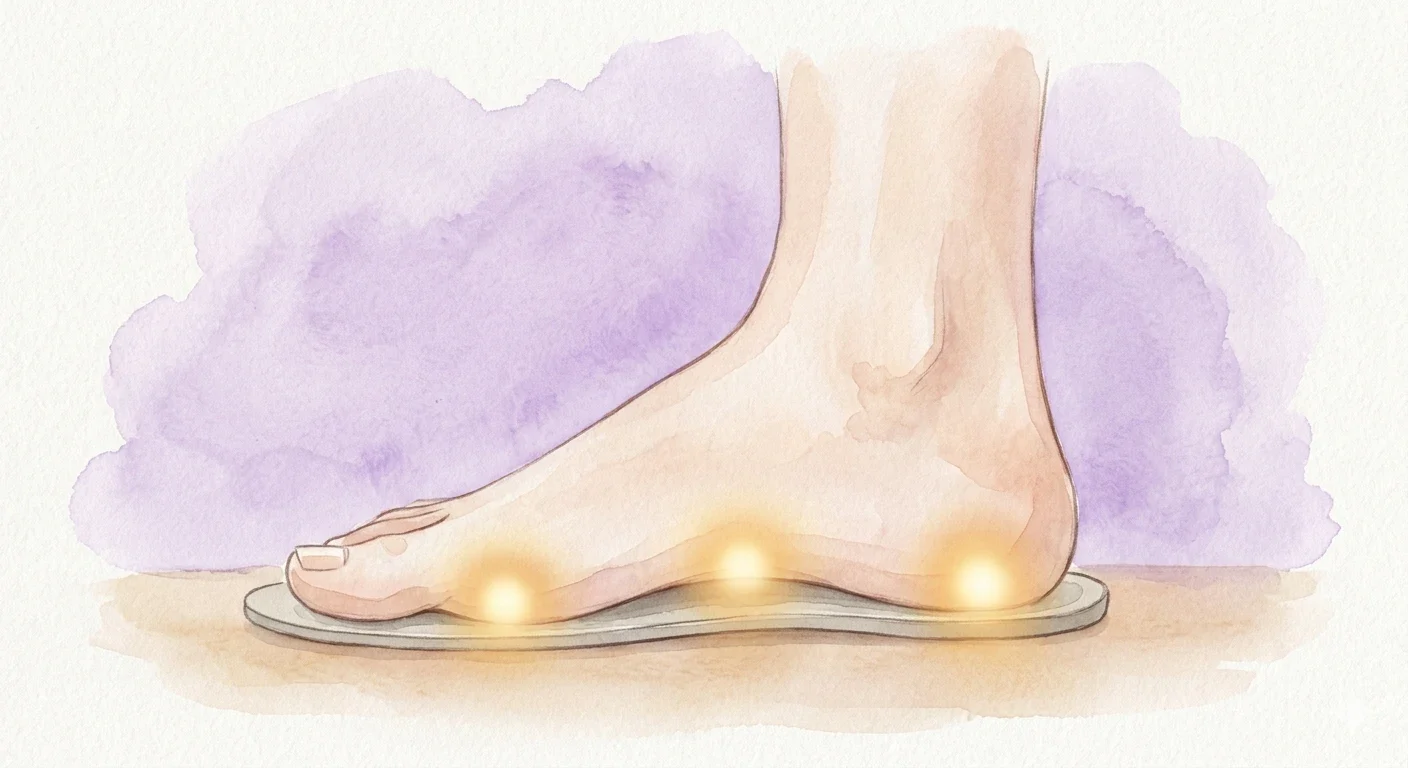
When you stand, your feet must support your entire body weight. The muscles, joints, ligaments, and tendons work continuously to keep you upright and balanced. Over time, this constant workload can cause fatigue, strain, and foot pain from standing for long shifts [2].
Several everyday factors can make this discomfort worse:
- Standing on hard or unyielding surfaces
- Wearing footwear that lacks proper arch support or cushioning
- Poor standing posture or body alignment
- Excess body weight
- Lack of movement breaks during work hours
- Pre-existing foot conditions such as flat feet or high arches
The longer you stay on your feet without a break, the more stress is placed on the heels, arches, and supporting structures.
The Effects of Prolonged Standing on the Body
Many people assume that foot strain remains localised to the feet. In reality, prolonged standing can trigger foot pain, which can trigger a chain reaction affecting several areas of your lower body.
More Pressure on the Feet
Every minute spent standing applies static pressure to the foot joints and soft tissues, leading to sore heels and aching arches.
Muscle Fatigue
The muscles in your feet and lower legs work non-stop to stabilise your frame. Without periodic rest, this leads to muscle fatigue from standing, leaving your legs feeling heavy and exhausted by the end of the day. [3]
Poor Blood Circulation
Remaining in one spot slows down blood flow in the lower extremities.
This reduced circulation can lead to
- Swelling of the feet
- Feet heavy
- Ankle pain
- Generalised fatigue
Movement during the day is also good for circulation. [4]
More Stress on Your Joint
Your body functions as a connected chain comprising the feet, ankles, knees, hips, and lower back.
When your feet absorb excessive strain, the discomfort gradually travels upward to affect your knees and lower back [4].
💡 Take the 2-Minute Joint Health Assessment. Wondering if standing for long hours is placing extra pressure on your knees? Take Betterhood’s quick knee pain assessment to evaluate your joint strain and receive physio-backed guidance for daily relief.
👉 Start Your Knee Pain Assessment →

How Do You Know If Your Feet Need More Support?
Ignoring early warning signs allows foot pain from standing to gradually turn into chronic discomfort.
Key symptoms include:
- Sore feet after standing for long hours
- Heel pain after standing or taking your first morning steps
- Burning soles or aching arches
- Swollen ankles and leg fatigue
- Difficulty standing comfortably during long shifts
Spotting these warning signs early helps you adopt proper arch support and supportive footwear before long-term strain sets in.
Which Jobs Cause the Most Foot Pain from Standing?
While anyone can experience tired feet, individuals working in specific standing jobs face a much higher risk. Consequently, spending six to ten hours on unyielding floors frequently causes chronic foot strain at work.
Specifically, high-risk roles include:
- Healthcare Workers & Nurses: For example, medical staff routinely walk long distances across hard hospital floors without adequate rest.
- Teachers & Educators: In addition, teachers remain upright for hours while managing classrooms and delivering lessons.
- Retail & Hospitality Staff: Furthermore, retail employees, cashiers, and chefs endure static posture throughout extended, long-standing shifts.
- Homemakers: Similarly, juggling endless domestic chores keeps homemakers continuously on their feet, resulting in severe occupational foot pain.
As a result, if your daily job involves prolonged shifts, taking proactive recovery measures is essential to prevent long-term foot pain from standing.
Which Daily Habits Make Foot Pain from Standing Worse?
While long hours on your feet naturally cause fatigue, certain routine mistakes can aggravate your discomfort. Consequently, inadvertent daily habits frequently intensify foot pain from standing.
Specifically, common habits that worsen foot strain include:
- Wearing Unsupportive Shoes: For instance, wearing completely flat footwear or worn-out shoes without proper arch support places excessive pressure on your soles.
- Standing Static Without Moving: In addition, remaining in one rigid posture restricts circulation and accelerates muscle fatigue from standing.
- Ignoring Early Discomfort: Furthermore, pushing through initial soreness without resting can lead to persistent heel pain after work.
- Skipping Simple Stretches: Similarly, neglecting daily calf and foot stretches causes muscle tightness, increasing overall occupational foot pain.
Therefore, correcting these small daily habits is essential to prevent minor aches from escalating into severe discomfort. Fortunately, making a few practical adjustments to your daily routine can offer lasting relief—let’s explore simple, effective ways you can protect and comfort your feet throughout the day.
How Can You Relieve Foot Pain from Standing All Day?
Fortunately, taking proactive care can significantly reduce discomfort and prevent long-term strain. In fact, making simple adjustments to your daily routine allows you to effectively manage foot pain from standing.
Practical methods for foot pain relief include:
- Wear Supportive Footwear: First, choose supportive shoes with proper cushioning and built-in arch support to absorb heel impact.
- Take Active Movement Breaks: In addition, avoid standing completely still by walking or shifting your weight to maintain healthy blood circulation.
- Perform Daily Stretches: Furthermore, stretching your calves and arches regularly reduces muscle tightness, preventing sore feet after standing.
- Elevate and Rest Your Feet: Similarly, propping up your legs after a long shift helps reduce swelling and eases heel pain after work.
- Use Orthotic Insoles: Moreover, placing supportive insoles inside your work shoes provides continuous alignment and minimises overall occupational foot pain.
Consequently, adopting these daily habits delivers consistent, long-term comfort. To complement these practices, selecting physio-trusted care products can further enhance your daily recovery—let’s examine the best tools to protect your feet during long shifts.
Which Products Can Help Relieve Foot Pain from Standing?
While healthy daily habits form the foundation of foot care, using ergonomic support tools can provide immediate relief during long shifts. Incorporating targeted care products helps manage daily foot pain from standing more effectively.
Popular support tools include:
- Arch Support Insoles: Placing gel orthotic insoles inside your work shoes provides extra cushioning and distributes pressure evenly across your arches.
- Compression Socks: Wearing gradient compression socks promotes healthy blood circulation and reduces leg fatigue.
- Foot Massage Rollers: Additionally, using a foot roller after work loosens tight plantar fascia muscles and relaxes weary feet.
- Cooling Balms & Recovery Sprays: Applying topical balms or sprays offers a soothing, refreshing feel after long hours on unyielding floors.
- Supportive Footwear: Ultimately, wearing well-fitted shoes with proper shock absorption remains one of the most effective ways to prevent occupational foot pain.
While these care tools cushion your feet throughout the day, combining them with targeted movement routines further restores flexibility and strength. Let’s explore a few simple exercises you can practise at home.
What Exercises Help Relieve Foot Pain from Standing?
While supportive footwear and insoles provide daily comfort, practicing simple stretches helps restore muscle flexibility and strength. Performing targeted movements is a proven way to reduce and prevent foot pain from standing.
Simple exercises to ease tired feet include:
- Tennis Ball Arch Roll: Rolling a small ball under your foot gently massages the plantar fascia, offering quick relief for sore feet after standing.
- Calf Wall Stretches: Additionally, leaning against a wall to stretch your calves relieves tightness that exerts pressure on your heels during long shifts.
- Toe Curls and Spreads: Curling your toes over a small towel strengthens your arches and improves overall foot stability.
- Ankle Rotations: Rotating your ankles in slow circles promotes blood circulation and reduces lower leg stiffness after hours on your feet.
Ultimately, spending just five minutes on these daily foot stretches can significantly lower your risk of long-term fatigue. With these daily habits, relief strategies, and support tools in mind, let’s wrap up with the essential takeaways to keep your feet healthy and pain-free every day.
When to pay attention to stubborn foot pain?
It’s normal to feel tired after a long day.
However, you should not ignore ongoing symptoms, particularly if you experience:
- Persistent heel pain
- Swelling that does not go down
- Pain when walking
- Limited range of motion
- Symptoms that interfere with your daily activities
It can be helpful to get professional advice to identify the cause and put appropriate steps in place. [7]
FAQs
1. Can you get foot pain from standing for long periods?
Yes. Being on your feet for extended periods applies continuous static pressure to your feet, causing muscle fatigue, soreness, and overall discomfort.
2. Why do I experience foot pain from standing at the end of the day?
Your feet bear your full body weight throughout your shift, which leads to overworked, tired, and sore muscles by the end of the day.
3. Are supportive shoes effective for foot pain from standing?
Yes. Wearing supportive footwear provides proper arch support and shock absorption, significantly increasing comfort during long standing shifts.
4. Does walking cause less foot pain from standing than remaining static?
Yes. Taking short movement breaks engages different muscle groups and promotes healthy blood flow, whereas standing completely still in one position applies unrelenting stress to the same foot structures.
5. Can foot pain from standing for long periods affect your knees and back?
Yes. If you put pressure on the feet, it can change the way other joints like the knees and lower back align and feel.
6. Should people with foot pain from standing wear compression socks?
Some people wear compression socks to help improve circulation and reduce feelings of tiredness in the legs.
Conclusion
Whether you are teaching in a classroom, serving customers in a store, working in healthcare, managing a factory floor, or taking care of the house, standing for long periods of time can really take a toll on your feet.
Some tiredness is normal; ongoing discomfort is not to be tolerated as a part of everyday living. Paying attention to footwear, taking movement breaks, stretching regularly and using supportive products when needed may help you find improved comfort and less strain.
Your feet carry you through all the steps of the day. Caring for them now can help you stay active, comfortable and confident for years to come.
References
National Institute for Occupational Safety and Health (NIOSH). (2024). Reducing health risks from prolonged standing. https://www.cdc.gov/niosh
Canadian Centre for Occupational Health and Safety. (2024). Standing at work. https://www.ccohs.ca
Cleveland Clinic. (2024). Muscle fatigue and prolonged standing. https://health.clevelandclinic.org
Johns Hopkins Medicine. (2024). Circulation and leg health. https://www.hopkinsmedicine.org
American Podiatric Medical Association. (2024). Choosing proper footwear. https://www.apma.org
Harvard Health Publishing. (2023). Stretching and flexibility for lower body comfort. https://www.health.harvard.edu
Mayo Clinic. (2024). Foot pain: Causes and when to seek care. https://www.mayoclinic.org/diseases-conditions/foot-pain/symptoms-causes/syc-20369960