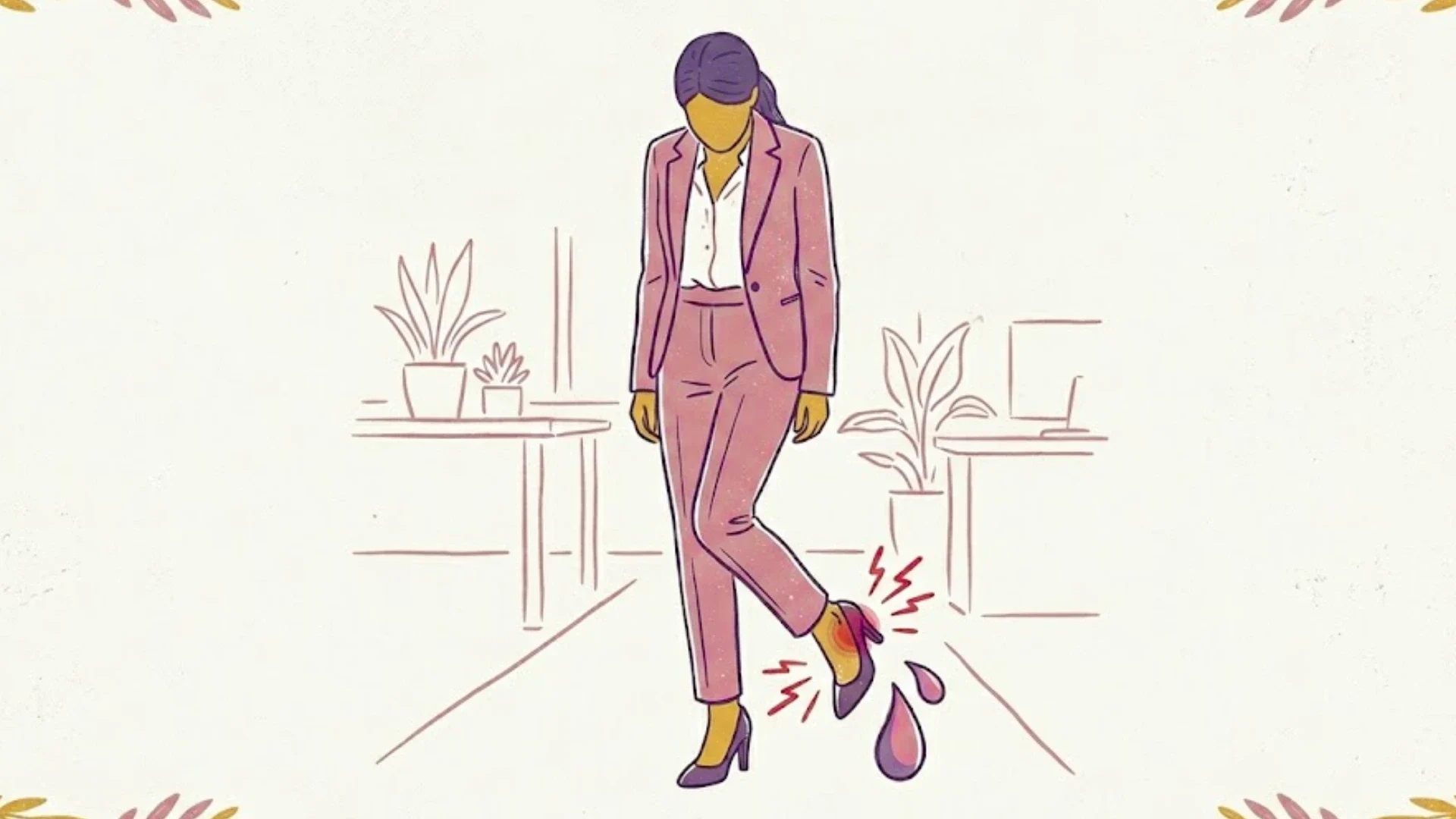




One of the most common causes of heel pain is plantar fasciitis. It collides when the plantar fascia, a thick band of tissue that runs along the bottom of your foot, becomes irritated or overloaded. Pain is often most pronounced with the first steps on waking or after sitting for a long while, and it can also flare up after lengthy periods of standing, walking or exercise. [1]
For many people, plantar fasciitis will improve with simple, conservative care, rest, stretching, ice, supportive shoes, insoles or heel pads. According to the Mayo Clinic, most people respond within a few months with this type of treatment. [2]
What Is Plantar Fasciitis?
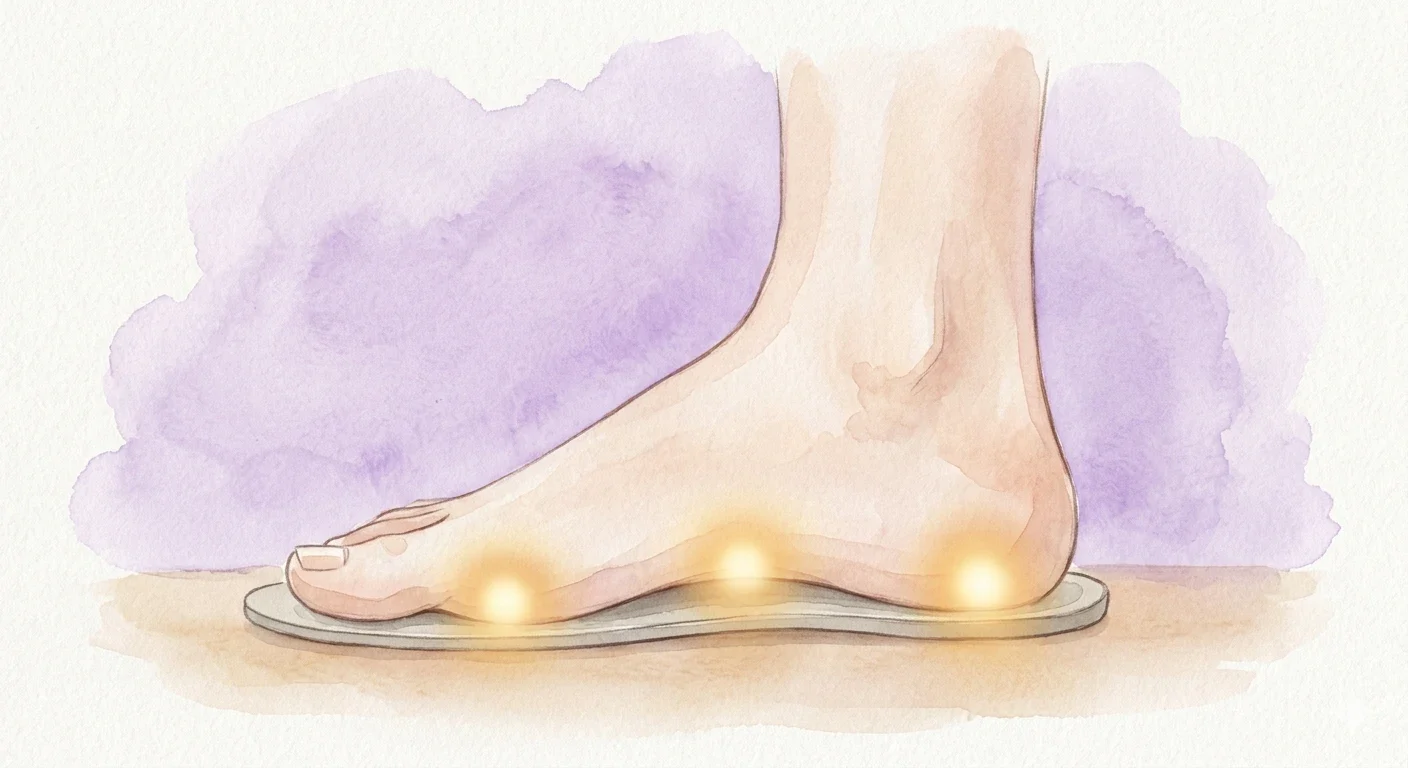
The plantar fascia is a thick band of tissue that runs along the bottom of the foot and supports the arch. When stressed too much it can get painful and inflamed, a condition called plantar fasciitis. AAOS describes it as pain on the underside of the heel due to irritation of this tissue. [1]
Stefan said the pain is typically in the underside of the heel, not on the back. Many people feel it most when they first get up in the morning, or after prolonged rest. [1]
Common Symptoms
Its key symptom is a sharp or stabbing pain on the bottom of the heel. It tends to be worse when you take your first few steps after waking up, and it may diminish for a while before coming back later in the day. [1]
Other common symptoms include:
- heel tenderness
- pain after long standing
- rigidity in the foot when initially walking
- pain after exercise or walking [1]
What Causes Plantar Fasciitis?
Plantar fasciitis typically occurs when the plantar fascia comes under increased strain repeatedly over time. This can happen due to bad footwear or tight calf muscles, long hours on your feet or even running or jumping. According to the AAOS, overuse and conditions such as flat feet, high arches and tight muscles can all put greater strain on the plantar fascia. [1]
Common risk factors include:
- standing for long periods
- repetitive impact exercise
- shoes with poor support
- tight calf or Achilles muscles
foot structure which places greater stress on the arch [1]
Who Is More Likely to Get It?
Plantar fasciitis can occur in almost anyone, but it is most common among people who spend many hours standing, walking or exercising. According to the Mayo Clinic, it often develops when the foot is under more load or has less shock absorption, particularly following changes in activity level, surface or shoes. [1]
It’s also common among people whose feet have to absorb extra stress due to poor cushioning, inadequate ankle flexibility or recurring impact. [1]
How Plantar Fasciitis Is Diagnosed
In most cases, plantar fasciitis is diagnosed based on symptoms and a physical examination. Doctors typically focus on the location of pain, when it occurs and what movements aggravate it. Imaging is not always necessary unless another issue is suspected. [2]
A clinician may check for:
- heel tenderness
- pain with stretching the foot
- arch tightness
- indicators of another heel ailment
Treatment for Plantar Fasciitis
The majority of cases are managed without surgery. Conservative treatment, Mayo Clinic tells us, often involves icing, stretching and adjusting or avoiding activities that cause pain. The NHS also suggests rest, ice, supportive shoes, insoles or heel pads and stretches.
Rest and activity changes
Minimizing activities that exacerbate pain can allow tissue to settle down. That typically means refraining from repeated impact while in an active period of symptoms. [2]
Ice
After activity, ice applied to the painful area can help with discomfort. NHS suggests Icing the knee for brief periods with an ice pack wrapped in a towel [3]
Stretching
Gentle stretching of the plantar fascia and calf muscles is a routine part of treatment. AAOS adds that stretching the calves and plantar fascia can be one of the best ways to ease plantar fasciitis pain. Mayo Clinic also offers examples of stretches for the arch and calf. [2]
Supportive shoes and insoles
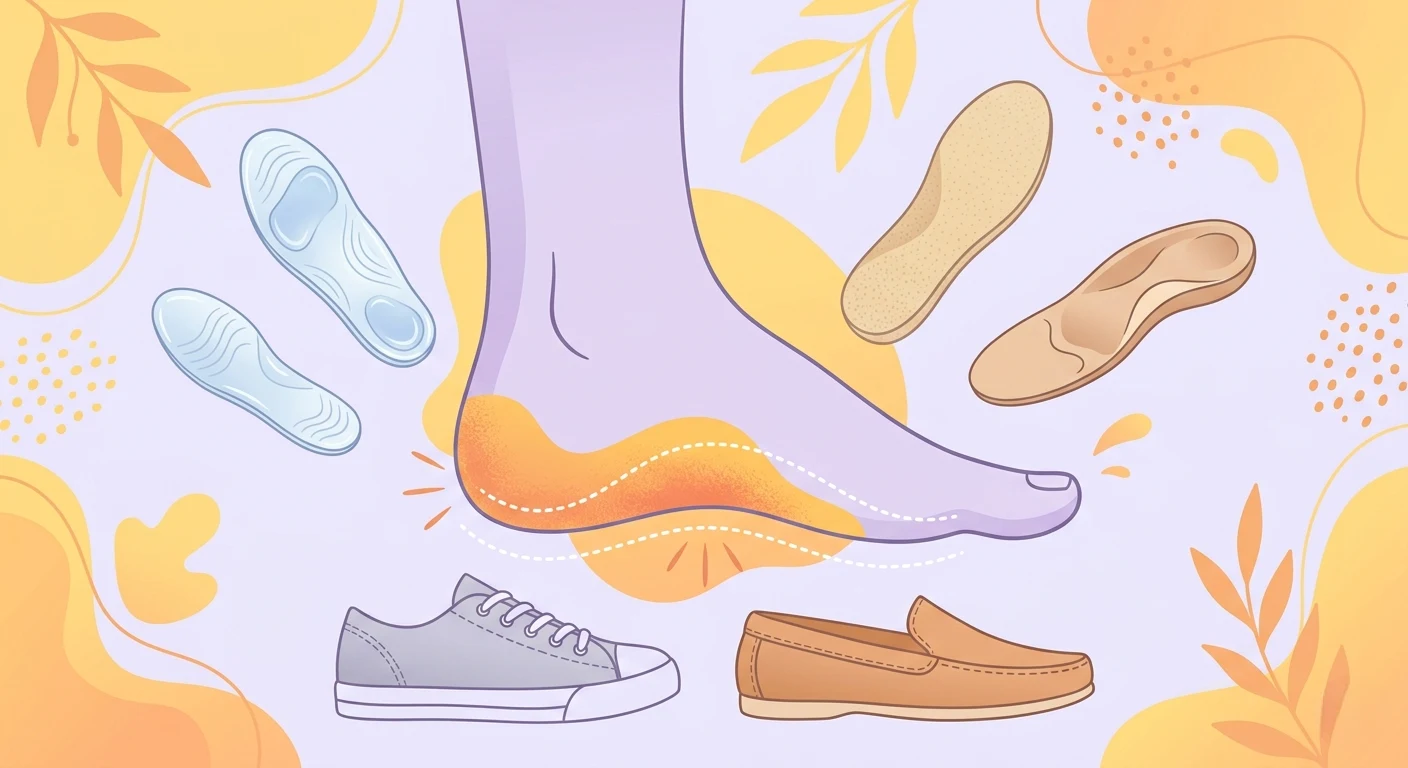
The NHS advises using cushioned heels, supportive arches and the use of insoles or heel pads. Arch supports, which don’t cure the condition but can help relieve pain, according to Mayo Clinic. [2]
Pain relief medicines
Over-the-counter pain relievers, such as ibuprofen or naproxen sodium, may help relieve pain and inflammation, according to Mayo Clinic. They are not suitable for everyone, so needs be used judiciously. [2]
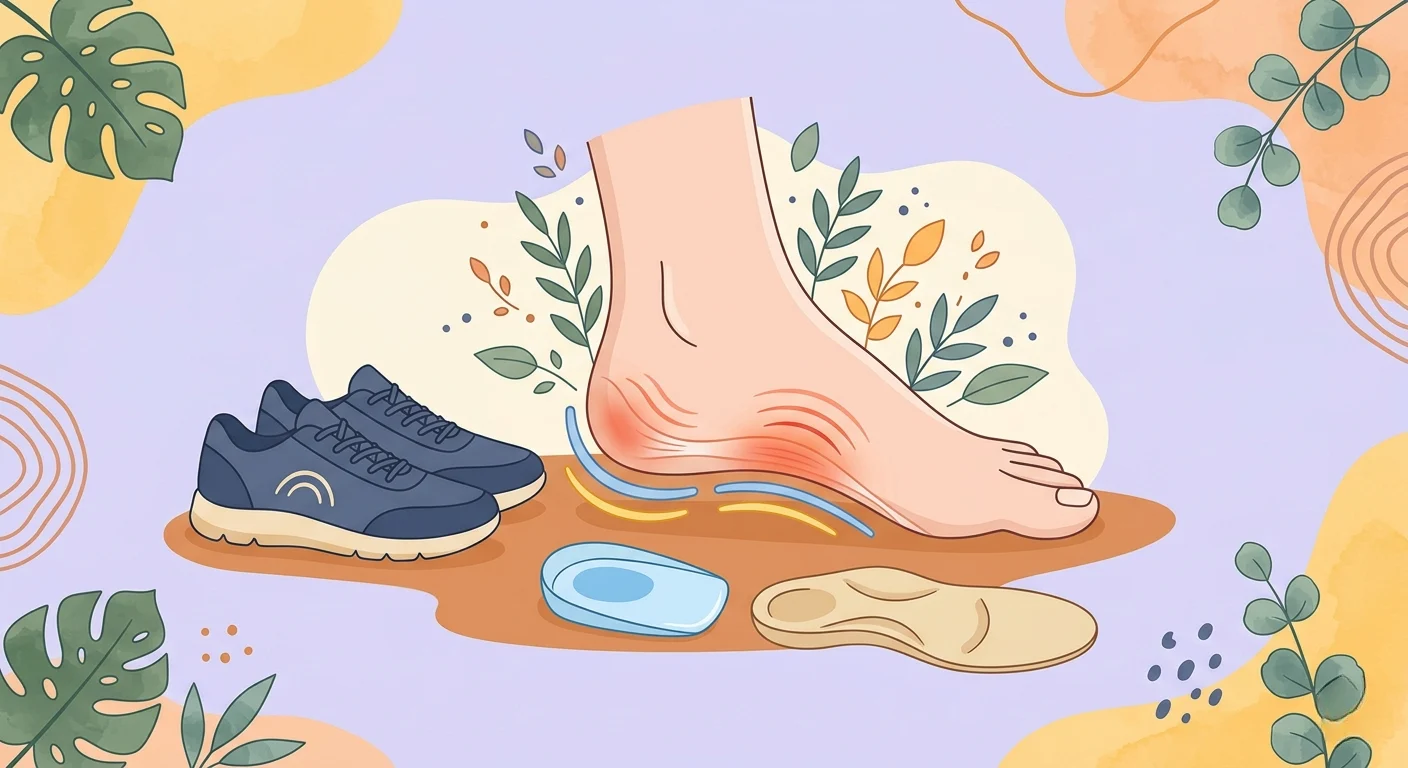
Do Insoles Help Plantar Fasciitis?
Indeed, insoles can benefit some individuals by providing arch support that relieves pressure on the plantar fascia. NHS specifically advises on insoles or heel pads, while Mayo Clinic says arch supports may relieve some pain. [2]
Rather, they are best thought of as an available support tool , not a miracle cure. In many people, they are most effective when combined with stretching as well as better footwear and changes in activity. [2]
How Long Until You See Improvement?
Recovery is often gradual. Most people recover with conservative treatment in a few months, Mayo Clinic says. Others take longer if the foot is still stressed too early. [2]
Consistency matters. Stretching, supportive shoes and load management generally work better when performed consistently over time than once pain is already severe. [2]
When to See a Doctor
You should seek medical advice if the pain is intense, continues to increase, or is not relieved by home care. A clinician might want to eliminate other potential sources of heel pain and recommend more vigorous treatment if necessary. [2]
You should get checked if:
- pain that persists for weeks or months
- walking becomes difficult
- the pain is atypical for plantar fasciitis
- home care is not working
FAQs
The most typical symptom is a stabbing pain in the heel, often worst with those first few steps either in the morning or after sitting for some time.
It can improve over time, but treatment generally makes it resolve more quickly and reduces the risk of lingering. [2]
No. Heel spurs and plantar fasciitis are not synonymous, and heel pain is usually more about irritation of the plantar fascia than the spur itself. [5]
Yes. Stretches for the plantar fascia and calf muscles are a staple of treatment, and AAOS says they are among the most effective measures to alleviate pain. [4]
Yes, insoles or heel pads may provide arch support and relieve some of the pain, especially when wearing supportive shoes and stretching. [2]
Conclusion
Plantar fasciitis is a common and often frustrating cause of heel pain, but it typically responds well to conservative care. The main first-line measures are rest, ice, stretching, supportive shoes and insoles; many people do get better in a few months. [2]
The best results ordinarily come from minimizing stress on the foot as it heals. If pain persists or continues to return, a doctor or foot specialist can help direct the next steps. [2]
References
- [1] Mayo Clinic. Plantar fasciitis: Symptoms and causes.
Used in: definition, symptoms, and common triggers. (Mayo Clinic)
https://www.mayoclinic.org/diseases-conditions/plantar-fasciitis/symptoms-causes/syc-20354846 - [2] Mayo Clinic. Plantar fasciitis: Diagnosis and treatment.
Used in: recovery time, stretching, arch supports, and pain relievers. (Mayo Clinic)
https://www.mayoclinic.org/diseases-conditions/plantar-fasciitis/diagnosis-treatment/drc-20354851 - [3] NHS. Plantar fasciitis.
Used in: rest, ice, supportive shoes, insoles, and stretching. (NHS)
https://www.nhs.uk/conditions/plantar-fasciitis/ - [4] American Academy of Orthopaedic Surgeons. Plantar fasciitis and bone spurs.
Used in: plantar fascia explanation and stretching advice. (OrthoInfo)
https://orthoinfo.aaos.org/en/diseases–conditions/plantar-fasciitis-and-bone-spurs/ - [5] American Academy of Orthopaedic Surgeons. Heel pain.
Used in: heel spur note. (OrthoInfo)
https://orthoinfo.aaos.org/en/diseases–conditions/heel-pain/ - [6] Mayo Clinic. Exercises to help prevent plantar fasciitis.
Used in: stretch examples. (Mayo Clinic)
https://www.mayoclinic.org/diseases-conditions/plantar-fasciitis/multimedia/foot-stretches-to-prevent-plantar-fasciitis/img-20008230