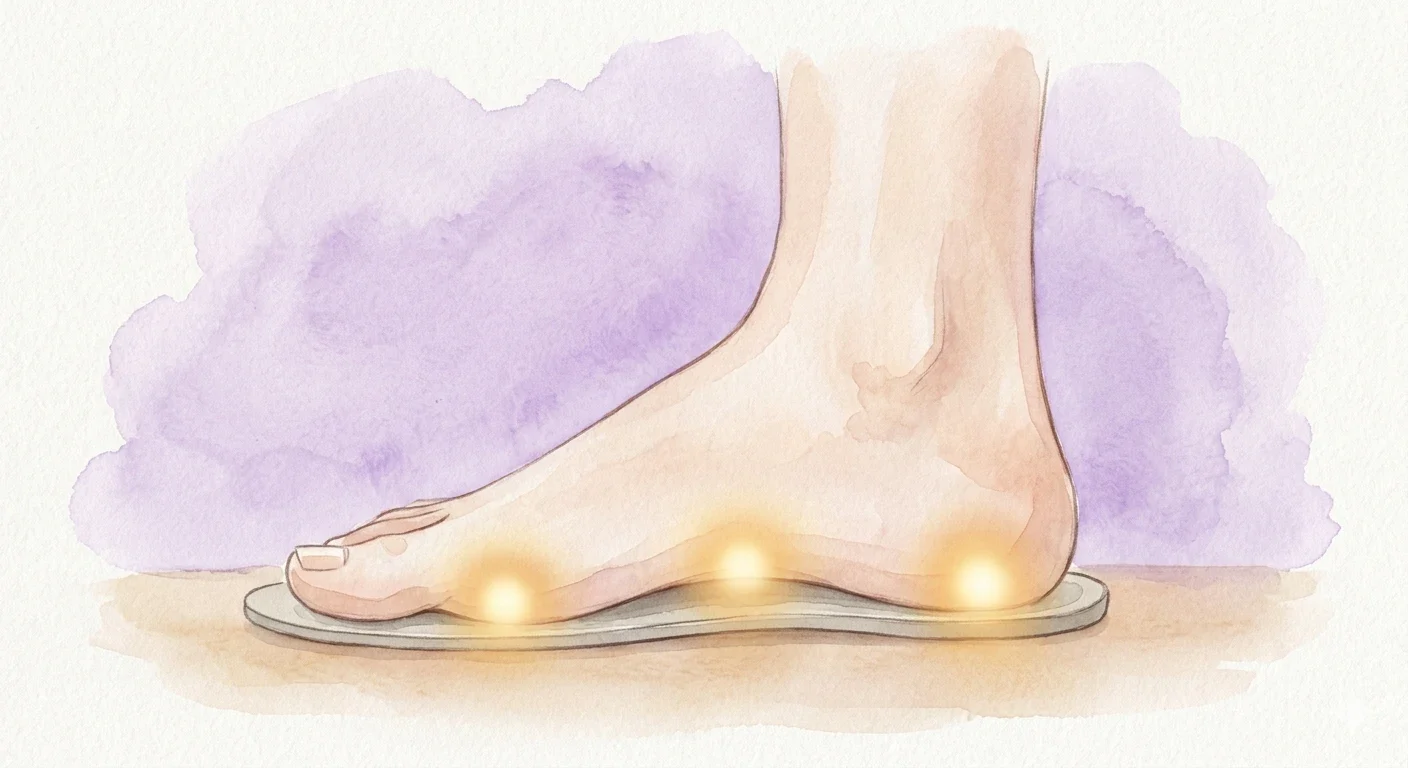




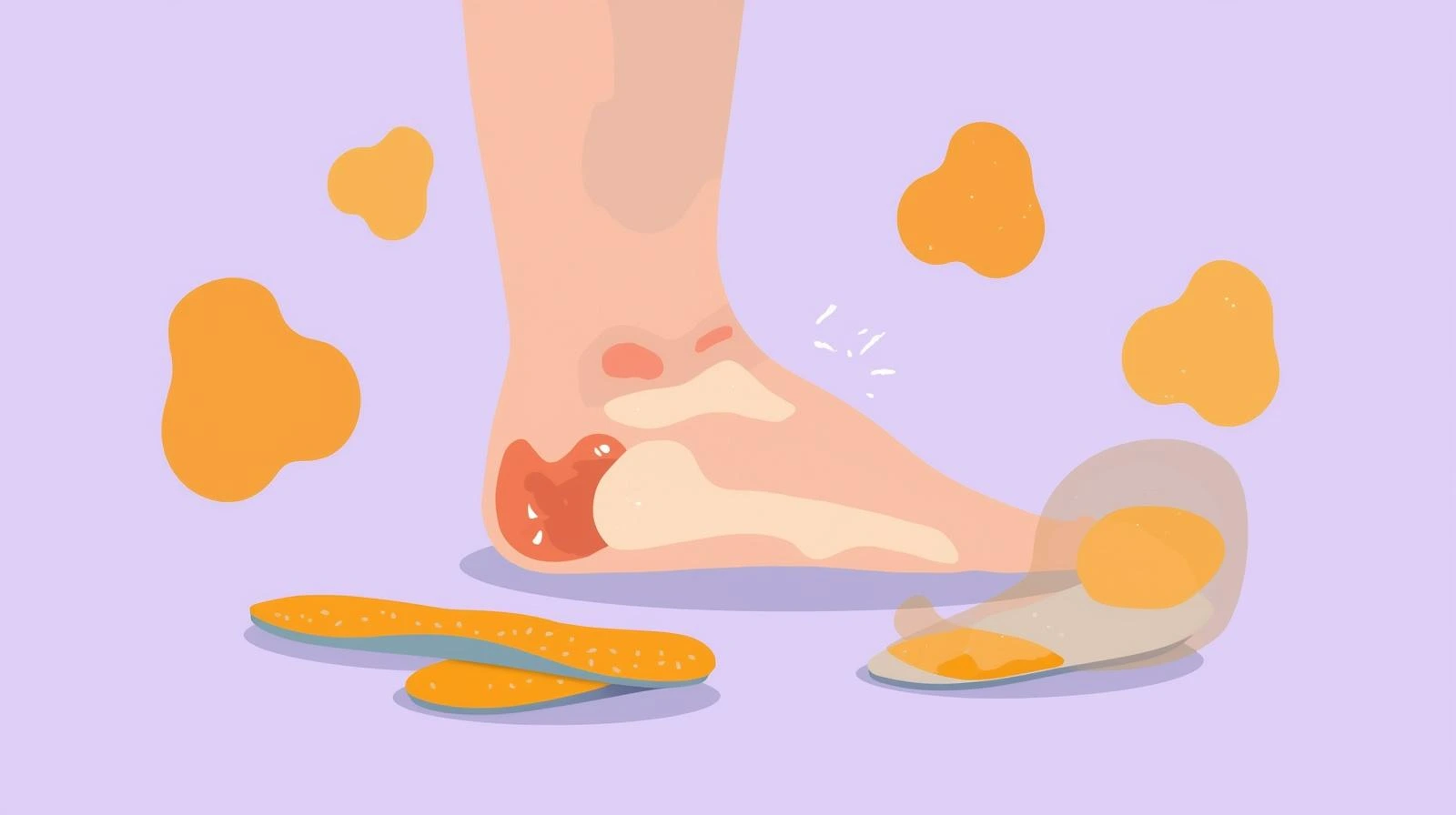
Orthotic insoles for plantar fasciitis help support the arch and relieve pressure on the plantar fascia, making standing or walking feel less painful. Pain from plantar fasciitis, one of the most common causes of heel pain, tends to hurt the most with those first few steps in the morning or after sitting for a period. 1 Supportive shoes, insoles, arch supports and stretching are all described as common first-line care by Mayo Clinic, NHS, and AAOS. [2][4]
These insoles aren’t a cure, but they can be an effective part of treatment. Mayo Clinic says over-the-counter or custom-fitted arch supports may take pressure off the heel and help distribute it more evenly, while NHS notes that a podiatrist can advise on insoles and which shoes to wear when your plantar fasciitis has not settled. [2]
What Is Plantar Fasciitis?
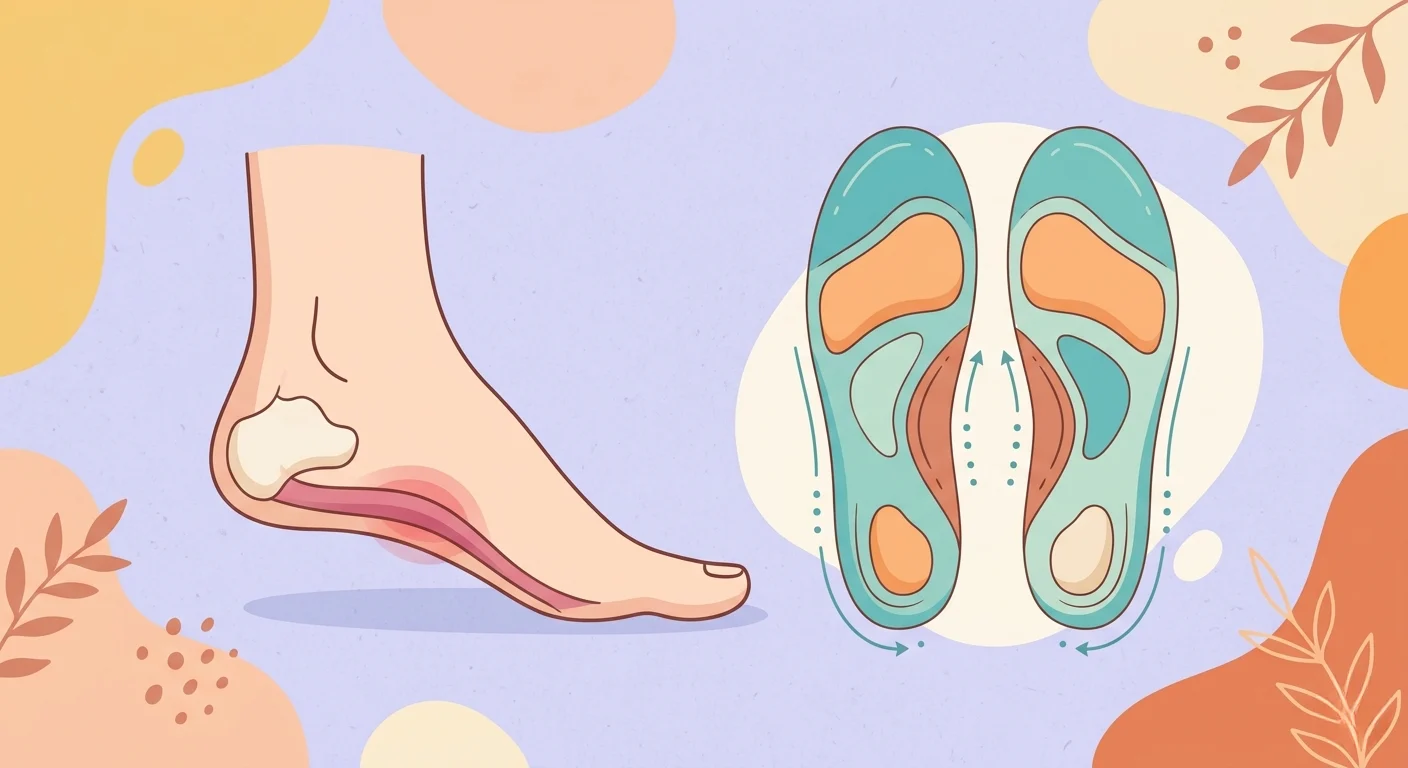
Plantar fasciitis occurs when the plantar fascia, a thick band of tissue that runs along the bottom of the foot, becomes irritated or overworked. AAOS says it is pain on the underside of the heel caused by irritation of this tissue. The pain is generally most severe after rest, notably in the morning, and may also spike after extended standing, walking or exercise. [1]
It is usually associated with repeated stress on the foot, not a single injury. Its common causes include poor footwear, tight calf muscles, flat feet, high arches and abrupt increases in activity. [1] [4]
What Are Orthotic Insoles?
Orthotic insoles are shoe inserts that support the foot and reduce stress. Mayo Clinic explains they can be off-the-shelf or custom-fitted, and the idea is to redistribute pressure more evenly over the foot.NHS also points out that inserts can provide additional support to the foot and increase comfort. [3] [2]
For plantar fasciitis, orthotic insoles typically are intended to:
- support the arch
- reduce heel stress
- improve shock absorption
- to make walking and standing more comfortable [2][4].
How Orthotic Insoles Relieve Plantar Fasciitis
Orthotic insoles provide elevation, which reduces the strain on the plantar fascia. When the arch gets more support, each bit of tissue under our foot doesn’t have to work as hard with every step. (The Mayo Clinic also says arch supports may help reduce pain, and AAOS lists orthotics as part of standard conservative treatment.) [2]
They can assist in a number of ways:
- reduce pressure on the heel
- support the arch during walking
- improve comfort in daily shoes
- assist people who stand for long periods
- make morning movement less painful [2][4]
In some cases, the AAOS notes that soft rubber heel lifts, heel cups or heel wedges can provide extra support. [4]
Are Orthotic Insoles a Cure for Plantar Fasciitis?
No. Orthotic insoles don’t cure plantar fasciitis, and they don’t permanently alter the structure of the foot. Mayo Clinic adds that while arch supports may provide relief, they help manage symptoms rather than cure the condition. NHS suggests insoles, stretching and supportive shoes to ease symptoms, not cure it. [3] [2]
And that is why insoles are most effective as one piece in a larger strategy of rest, stretching, footwear alterations and changes in activity. [2][4]
Who May Benefit Most?
Orthotic insoles can be particularly effective for individuals who have:
- pain under the heel with the first steps after a period of rest
- fatigue( discomfort after a prolonged period of standing or walking.
- pain that responds to supportive shoes
- flat feet or high arches
- symptoms that don’t seem to go away.
People whose symptoms are ultimately driven by the mechanics of their foot or inadequate cushioning also tend to benefit from arch support, says Mayo Clinic and NHS. AAOS adds that individuals whose pain is associated with strain of the plantar fascia usually respond to conservative support measures before advanced treatment options are sought. [4]
Over-the-Counter vs Custom Orthotic Insoles
Orthotic insoles for plantar fasciitis can be grouped into two main categories.
Over-the-counter insoles
These are pre-made and simple to purchase. Mayo Clinic here notes that many people, especially those with mild symptoms, may only need off-the-shelf arch supports. Similarly, AAOS says soft heel lifts, heel cups and similar inserts may be supportive. [4] [2]
Custom orthotics
These are designed for a particular foot shape. In some cases, the Mayo Clinic says specially fitted arch supports might be recommended, particularly when you have more-ongoing symptoms. If the condition does not improve, a foot specialist or podiatrist may advise insoles, NHS says. [3] [2]
Typically over-the-counter insoles are a sensible first option, and custom devices might be explored if the symptoms are more intense or simple inserts fail to help enough. [2] [4]
What to Consider When Purchasing Orthotic Insoles
A good orthotic insole should support the foot without creating new pressure points. NHS guidance on plantar fasciitis stresses the need for supportive shoes and insoles that minimise stress on the heel and arch. [3]
Look for:
- arch support that feels stable
- cushioning under the heel
- enough room inside the shoe
- something shaped to fit inside your foot
- relief while standing and walking [2] [4]
If an insole is too hard or too high, or if it causes rubbing, it might not be a good fit. [3]
How to properly use orthotic insoles
New insoles tend to be best broken in gradually. Feet frequently require a bit of an adjustment period, especially if you’re coming from extremely flat shoes or shoes with no arch support at all. Both NHS and Mayo Clinic highlight the importance of using insoles with supportive shoes as well as stretching exercises. [2]
Helpful habits include:
- beginning with a few hours per day
- using them in supportive shoes
- replacing worn-out inserts
- getting them some stretching and resting [2] [4]
Do They Work Alone? Are Insoles Enough?
From time to time, no. Orthotic insoles can be useful, but they most often work best with other conservative treatments. NHS says rest, ice, supportive shoes, insoles and stretching. Most people get better with such a combined approach, according to the Mayo Clinic. [2]
AAOS provides stretching exercises for the calf and plantar fascia, and notes that stretching the plantar fascia and heel cord is a key component of care. Some evidence reviews also show that not all people respond to treatment in the same way, and thus do not derive the same benefit from orthoses alone.[4] [6]
How Long Does It Take to Get Better?
Recovery usually takes time. According to Mayo Clinic, most people recover within several months with conservative treatment. Some heal more quickly than others, but most take longer if the foot continues to be stressed before it has sufficient time to heal. [2]
Real consistency is understanding the data. Orthotic insoles can minimize daily stress on the plantar fascia, but the foot needs time, support and progressive return to normal activity. [2][4]
When to See a Doctor
If the pain continues for weeks, keeps coming back or makes walking difficult, it is wise to be evaluated by a health care professional. Doctors may want to exclude other sources of heel pain, and may also recommend more aggressive treatment if necessary, according to the Mayo Clinic. [2]
You should seek advice if:
- pain is getting worse
- home care is not helping
- the pain feels unusual
- walking becomes difficult
FAQs
Yes. They may help reduce stress on your heels and arches, improve comfort levels, and support the foot while standing and walking. [2][4]
Not always. Over-the-counter arch supports can be sufficient for mild symptoms, while custom orthotics may provide a benefit if the symptoms are more chronic. [2]
No. They assist with symptoms and ease pressure but do not cure the condition. [2]
A lot of people do in supportive shoes, but cranking up the intensity rarely works for the feet; it’s generally better to ease into it and give your feet time to adapt. [3]
Yes. AAOS and the Mayo Clinic both recommend stretching as a key component in treating plantar fasciitis. [2]
Conclusion
Orthotic insoles for plantar fasciitis can serve as an effective solution to alleviate heel pain, prop up the arch and facilitate mobility throughout daily activities. They are often utilized in conjunction with conservative care, such as stretching, supportive shoes, and rest. [2] [4]
They are best understood as ancillary tools rather than a panacea. For many people, the right insole combined with some solid footwear and consistent stretching can help a lot over time. [2] [4]
References
- Mayo Clinic. Plantar fasciitis: Symptoms and causes.
Used in: definition, symptoms, and common triggers. (Mayo Clinic)
https://www.mayoclinic.org/diseases-conditions/plantar-fasciitis/symptoms-causes/syc-20354846 - Mayo Clinic. Plantar fasciitis: Diagnosis and treatment.
Used in: orthotics, recovery time, stretching, and pain relief. (Mayo Clinic)
https://www.mayoclinic.org/diseases-conditions/plantar-fasciitis/diagnosis-treatment/drc-20354851 - NHS. Plantar fasciitis.
Used in: insoles, supportive shoes, rest, ice, and stretching. (NHS)
https://www.nhs.uk/conditions/plantar-fasciitis/ - American Academy of Orthopaedic Surgeons. Plantar fasciitis and bone spurs.
Used in: plantar fascia explanation and stretching advice. (OrthoInfo)
https://orthoinfo.aaos.org/en/diseases–conditions/plantar-fasciitis-and-bone-spurs/ - American Academy of Orthopaedic Surgeons. Heel pain.
Used in: heel pain differential note. (OrthoInfo)
https://orthoinfo.aaos.org/en/diseases–conditions/heel-pain/ - Herchenröder, M., et al. (2021). Evidence for foot orthoses for adults with flatfoot: a systematic review.
Used in: evidence limitations around orthoses. (PMC)
https://www.ncbi.nlm.nih.gov/pmc/articles/PMC8628393/