



Walking should feel normal. It shouldn’t have you ending the day with tired, sore or burning feet. But for many, that’s just what happens. They adjust their shoes, take more breaks, or alter how they move their feet and legs, but then the hurt returns. The secret that many people don’t know is simple: Often, the shoe is not the problem. It provides the support inside the shoe. That’s where the best walking insoles come in.[1]
Insoles are inserts for shoes that help support and cushion the foot. They also can alter how you walk, promoting a more optimal foot movement pattern. This is why they are widely used when people desire more comfort for long walks, standing or daily activity. [1]
The reasons for recurring foot pain when walking
The same pressure happens every day, which is why foot pain comes back. But When You Walk a Lot, Stand for Long or Wear Shoes That Do Not Support Your Feet Well Enough It Can Keep Coming Back. Foot pain, according to MedlinePlus, can be connected to low arch support and unsupportive shoes, as well as standing for long stretches of time.[2]
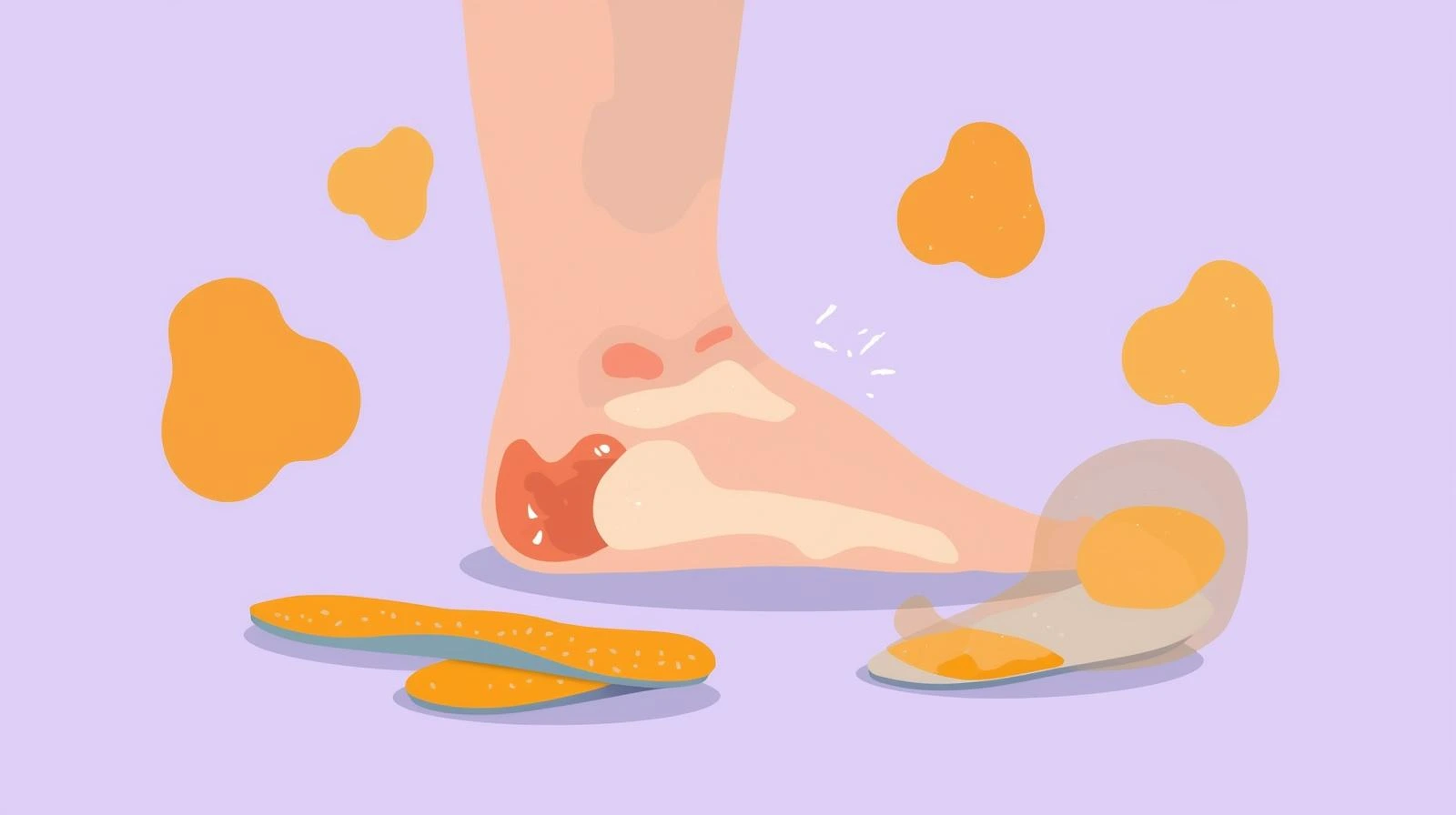
One of the most common problems is heel pain. It can stem from plantar fasciitis, Achilles tendinitis or other foot problems. According to the Mayo Clinic, plantar fasciitis is common in those who spend a lot of time on their feet all day and it can worsen with repeated walking or jogging. [5] [8]
Also, the pain might not be localized. It can alter the heel, arch of your foot, ball of your foot or how the entire leg feels when you walk. And that’s why, when you ignore it (often), the issue remains a bigger problem longer. [2]
The secret most people miss
Most focus on nothing but buy new shoes. This helps at times, but not always as a solution. The answer is most often better support inside the shoe. Insoles can offer support and cushioning to the foot, while some can also change how pressure is transferred when you walk. [1]
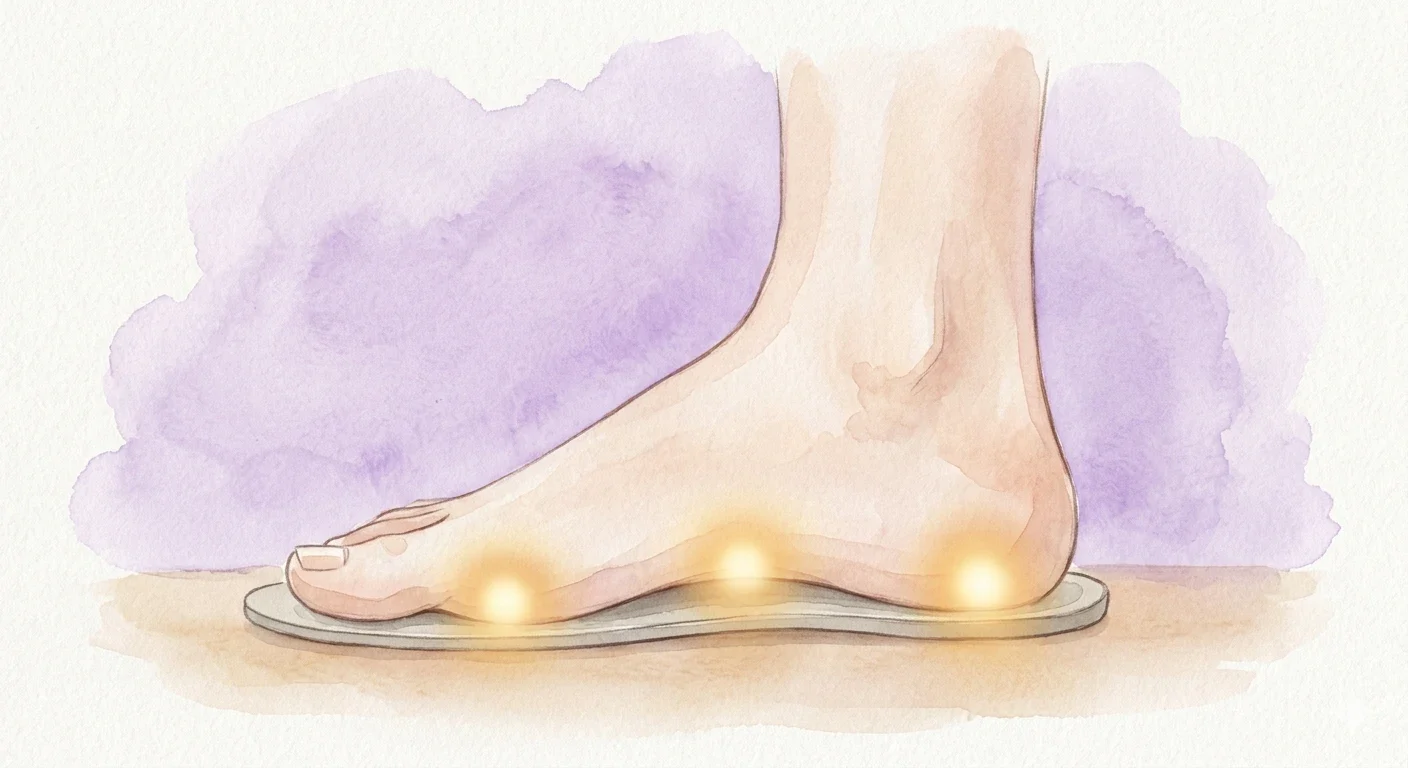
The best insoles for walking tend to do three things well. They hold up the arch, cushion the fall of each step and relieve pressure on sensitive spots. Orthotics relieve pain caused by many foot and ankle conditions, and they can help treat flat feet, plantar fasciitis and other walking-related issues. [3]
To put it in layman terms, if your shoes are the home, insoles are its base. Without that support, your feet might continue overdoing it. [1]
What the best walking insoles really do
The best insoles for walking are not merely soft padding. These are made to allow your feet to function more comfortably. Insoles, according to Guy’s and St Thomas’ NHS Foundation Trust, are generally used to support and cushion the foot, or alter your gait. [1]
They may help by:
- spreading pressure more evenly
- supporting the arch
- reducing impact at the heel
- making shoes feel more comfortable
taking the burden off feet during long walks
Orthotics are also used to alleviate symptoms associated with many disorders that affect the foot and ankle, also notes Cleveland Clinic. They can be over-the-counter or custom made (depending on what the feet need). [3]

How to tell you need better walking insoles
You might need the best insoles for walking if you experience:
- heel pain after walking
- soreness in the arch
- sore feet at the end of the day
- pain on standing for excessive periods
- discomfort in flat shoes
- pain that worsens on hard surfaces
These are usually signs of additional stress or lack of support. The good news is that you can often improve support without completely overhauling your routine. [1]
Best insoles for walking and heel discomfort
Indeed, heel pain is a common reason to start searching for insoles. According to MedlinePlus, heel pain often gets better with supportive shoes, heel cups, felt pads or shoe inserts. [6]
Mayo Clinic also recommends orthotics, or arch supports, which may help to distribute pressure better across the feet. This is particularly helpful in plantar fasciitis where there is irritation of the heel and arch. [4]
Cleveland Clinic also says that heel pain is common, and rest, orthotics, and stretching can help relieve pain over time. [8]
So if your heel is painful every time you walk, the answer probably isn’t more shoes. It could be more support inside the shoes you already have on. [4] [8]
The best insoles for walking for flat feet
Flat feet can alter how pressure is distributed over the foot. If flat feet are causing problems, a foot specialist may recommend shoe insoles to support your feet, according to the NHS. These insoles aren’t going to change the shape of your feet, but they can help relieve pain or stiffness. [4]
Flat feet are another condition Cleveland Clinic says may be alleviated by orthotics. [3]
That’s why people with flat feet benefit from supportive walking insoles. The support can ease stress during long walks and daily activity. [3]
The best walking insoles for a day of standing
Prolonged standing can aggravate foot pain. Both MedlinePlus and Cleveland Clinic point out that being on your feet for long periods of time can contribute to pain, and orthotics are commonly used to mitigate symptoms. [2]
If you work in retail, food service, health care or another on-your-feet job, the best insoles for walking can help make every step less exhausting. They might not take away all pain, but they can help alleviate pressure and make long 12-hour shifts more comfortable. [1] [3]
The best insoles for walking: How to choose
Best insoles for walking considerations to make:
- arch support
- good cushioning
- a comfortable fit
- enough space inside the shoe
- assistance for your Rewards location
a design you can wear for long periods [1] [4]
RNOH explains that insoles may alter your walking style, so you should increase wear time gradually. It also advises that you might need a wider or larger size shoe so the insole fits properly. [7]
That is important. A quality insole should support your foot rather than cramp your shoe. [7]
The how to break in new insoles
So if you are a first-time user of walking insoles, don’t use them the entire day the first day. According to RNOH guidance, you should gradually increase the amount of time you wear insoles until you’re wearing them all day within 2 to 3 weeks. [7]
That slow beginning allows your feet time to acclimate. Some people feel improvement quickly. Some players need a bit more time. If discomfort persists after that trial period, consider adjusting your insoles. [1]
What riding aid can turn how
The right insole can do more than improve comfort. It can transform the sensation of walking at day’s end. It helps cushion heel impact, relieve arch pressure and soften the blow of stepping on hard surfaces. [1][8]
It can also enhance the comfort of shoes. For foot pain, MedlinePlus recommends supportive shoes that have good arch support and cushioning, and advises avoiding narrow-toed shoes and high heels when you can. [2]
So here’s the real secret: The best walking comfort usually comes down to a combination of good shoes and the best insoles for walking in them.
Betterhood insoles can help too
If they give the right balance of arch support, cushioning, and pressure relief, Betterhood insoles could be a basic daily support solution. That level of support might provide you with some comfort as you walk, stand and have long days on your feet. WS: In other words, Betterhood insoles can help with a less fatigued foot when you present day want more comfort.
Conclusion
If walking hurts, it may not just be your willpower or your shoes that are the problem. Often missing is what goes on inside the shoe. This is why many look for the best walking insoles. They can prop up the arch, pad the heel and distribute pressure more evenly across the foot. [1] [4]
They’re particularly helpful for heel pain, flat feet, standing all day and long walks. If used with the appropriate shoes and not worn in all at once, they can be an effortless addition to your daily comfort regimen. [4] [7]
Often, the secret is not such a big change. At times it is just better support under each step.
FAQs
The best walking insoles typically provide arch support, cushioning and pressure relief. They should nestle comfortably inside your shoes and be comfortable for long wear.
Shoe inserts and orthotics are frequently used to aid in heel pain. They can alleviate pressure and make walking easier.
If flat feet are painful or stiff, a foot specialist might recommend shoe insoles to provide support. They can aid with comfort but do not alter the shape of the foot.
Take it slow and gradually increase wear time. The NHS advice is to build up gradually, aiming for all-day use within 2 to 3 weeks.
They don’t always help, but can play a major role if the shoes you wear do not provide adequate support. Inserts provide support and cushioning in the shoes you already wear.
Yes, if they’ve got good support and cushioning, they may help make strides during day-to-day walks more comfortable.” They can also be helpful for individuals who prefer an easier option for foot support.
References
- Guy’s and St Thomas’ NHS Foundation Trust. (2023). Foot insoles – Overview.
https://www.guysandstthomas.nhs.uk/health-information/foot-insoles - MedlinePlus. (2024). Foot pain: MedlinePlus Medical Encyclopedia.
https://medlineplus.gov/ency/article/003183.htm - Cleveland Clinic. (2023). Orthotics: Definition, Risks, Benefits, Types & Tips.
https://my.clevelandclinic.org/health/treatments/orthotics - NHS. (2022). Flat feet.
https://www.nhs.uk/conditions/flat-feet/ - Mayo Clinic. (2023). Plantar fasciitis – Diagnosis and treatment.
https://www.mayoclinic.org/diseases-conditions/plantar-fasciitis/diagnosis-treatment/drc-20354851 - MedlinePlus. (2024). Heel pain: MedlinePlus Medical Encyclopedia.
https://medlineplus.gov/ency/article/003181.htm - Royal National Orthopaedic Hospital NHS Trust. (2021). A Patient’s Guide to Foot Orthosis.
https://www.rnoh.nhs.uk/patients-and-visitors/patient-information-guides/foot-orthosis-patients-guide - Cleveland Clinic. (2023). Heel Pain: Causes, Diagnosis & Treatment.
https://my.clevelandclinic.org/health/symptoms/heel-pain