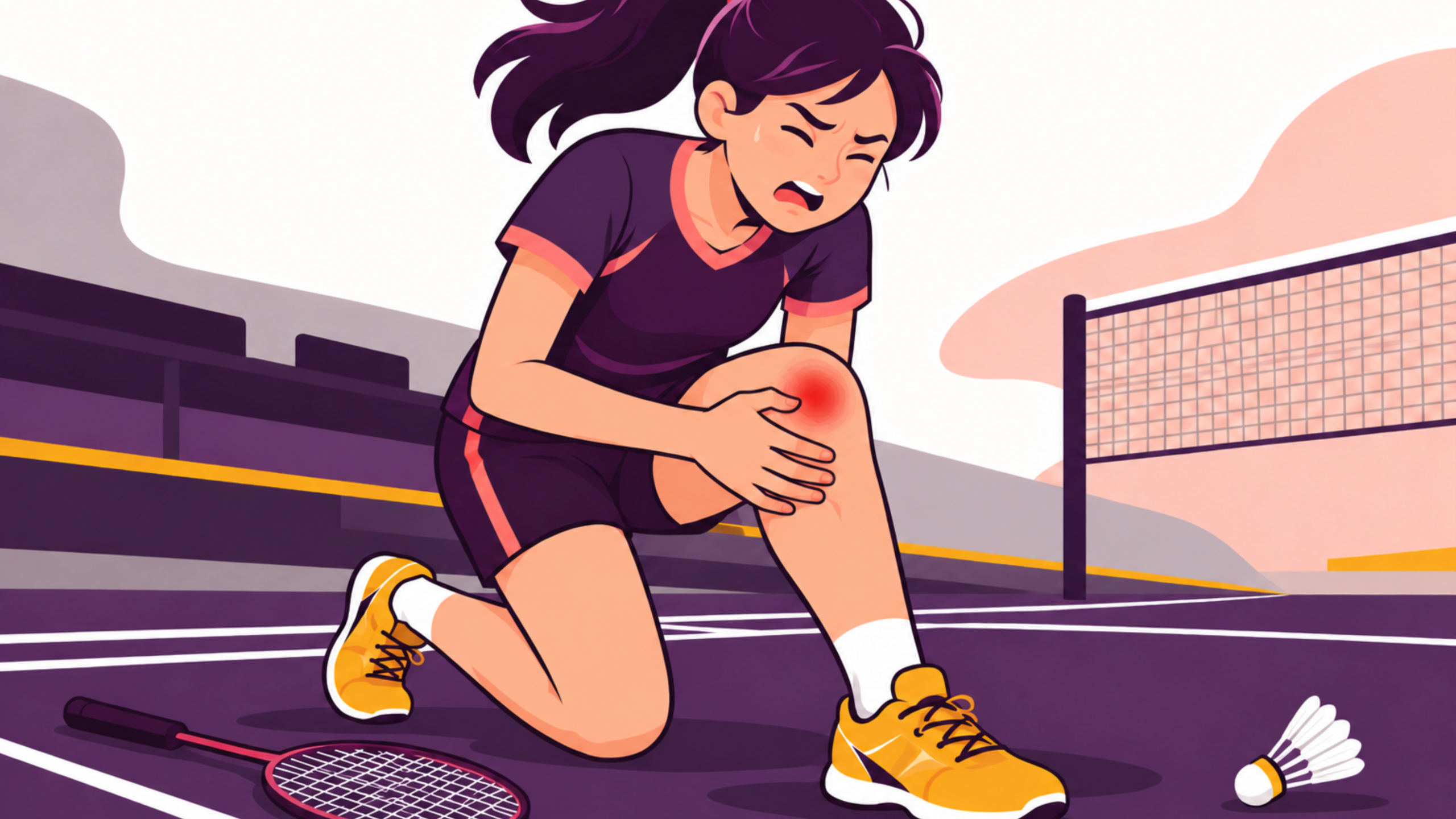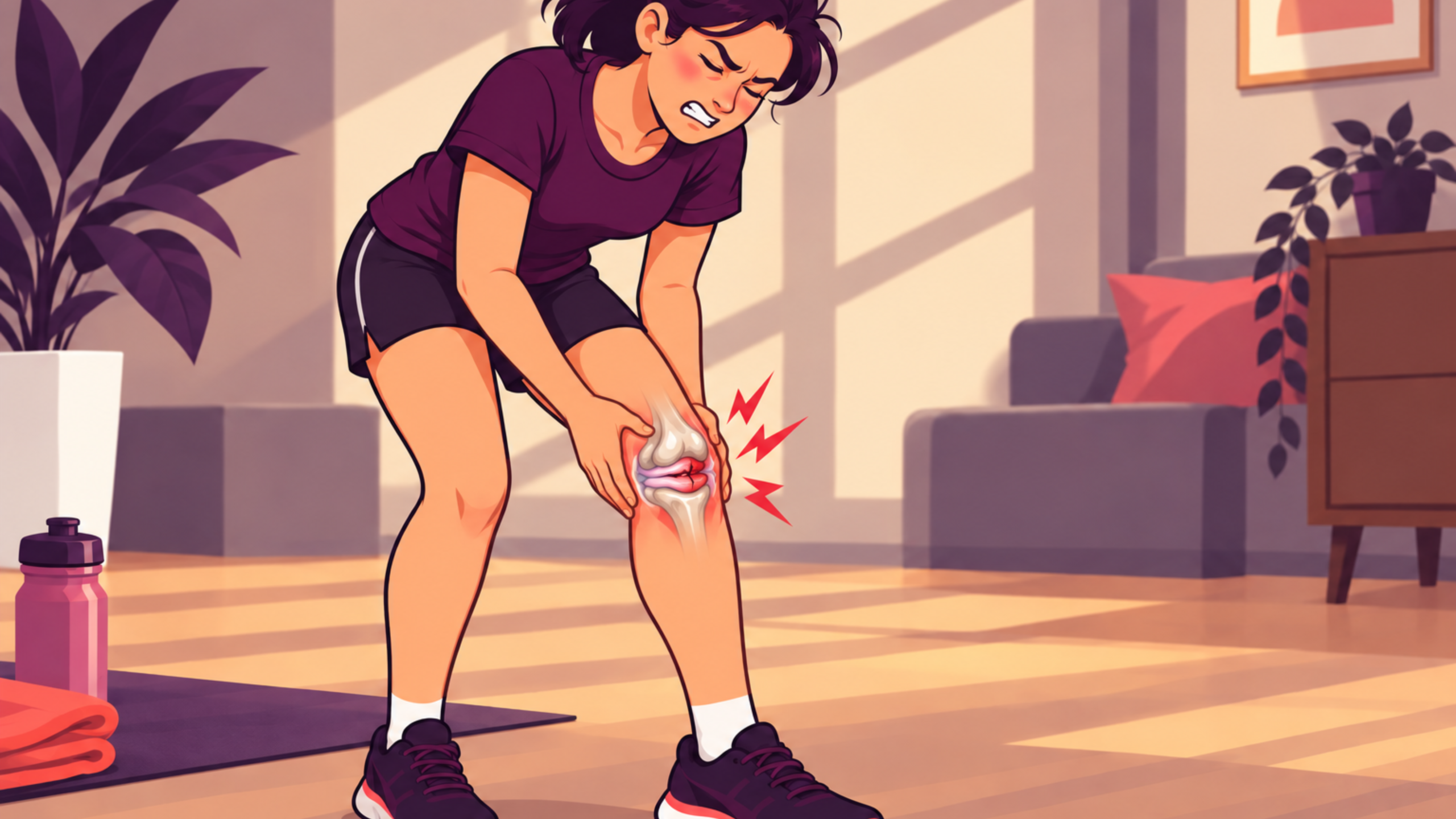
An open patella knee brace is a common non-surgical knee support option for meniscus tear recovery because it offers lateral stability and joint guidance without placing direct pressure on the kneecap. Unlike basic compression sleeves that press down on the kneecap and compress the front of the joint, an open patella knee brace features a built-in opening that helps relieve patellar pressure, supports joint alignment, and assists in limiting awkward twisting movements that can provoke sharp meniscus pain.
Choosing the Right Knee Support for Meniscus Tear Recovery
Recovering from a meniscus injury can be frustrating because symptoms often fluctuate depending on your movement. Everyday actions like stepping off a curb, pivoting to change directions, or twisting while carrying groceries can trigger sudden sharp pain, swelling, stiffness, or joint catching [7].
Will a Meniscus Tear Heal on Its Own?
The short answer: it depends on the location and nature of the tear [1].
- The Red Zone (Outer Third): Richly supplied with blood vessels. Tears in this peripheral region have a higher potential to heal non-surgically with rest, physical therapy, and targeted joint support [2].
- The White Zone (Inner Two-Thirds): Lacks direct blood flow and has limited self-healing capacity. However, many patients manage symptoms successfully through conservative physical therapy and exercise rather than immediate surgery, reserving surgical intervention primarily for persistent, unstable, or mechanical symptoms [1, 5].
Can You Walk with a Torn Meniscus?
Yes, many people can walk with a torn meniscus. However, walking or exercising without adequate lateral stability can allow subtle micro-twisting forces to act on the knee joint, which over time may aggravate the frayed cartilage edges or increase discomfort during weight-bearing activities [3].
Key Takeaway: While standard compression sleeves offer basic warmth and mild swelling management, an open patella brace provides structured lateral support to help guide knee movement and protect healing cartilage during recovery.
Closed Compression Sleeves vs. Open Patella Knee Support for Meniscus Tear
Understanding the structural differences between brace designs helps when selecting knee support for meniscus tear management.
| Feature / Benefit | Closed Compression Sleeve | Open Patella Knee Support Brace |
|---|---|---|
| Primary Mechanism | Uniform elastic compression | Targeted patellar guidance & structural support |
| Kneecap Pressure | Compresses kneecap against joint | Relieves direct patellar pressure via opening |
| Rotational Stabilisation | Minimal to none | Moderate to High (helps guide tracking and movement) |
| Swelling Control | High | High (targeted surrounding compression) |
| Best Used For | General stiffness, soreness, warmth | Meniscus support, patellar tracking, general rehab |
The Compression Sleeve Limitation
In comparison, standard pull-on compression sleeves apply uniform force over the whole joint. Although they assist with fluid clearance and movement awareness, basic elastic sleeves lack rigid or flexible side stays and offer no patellar cutout. As a result, they offer minimal resistance against rotational forces or side-to-side shear stress during movement.
The Open Patella Mechanical Advantage
- Relieves Direct Pressure: The padded circular opening helps avoid direct pressure over the kneecap, preventing unnecessary compression over the front of the joint.
- Improves Patellar Tracking: The surrounding circular ring helps keep the kneecap centred within its natural groove, ensuring tracking forces remain balanced during flexion and extension [3].
- Reduces Shear Stress: An open patella design allows the surrounding brace fabric and flexible side stabilisers to anchor securely, helping to limit excessive side-to-side drift.
How Betterhood™ Serves as Effective Knee Support for Meniscus Tear Recovery
For individuals recovering from a meniscus tear, standard pull-on sleeves fall short because they lack structural stability and slide out of position during rehabilitation. In contrast, the Betterhood™ Premium 4-Strap Knee Brace with Stabilisers is specifically engineered to target the unique mechanical vulnerabilities of a torn meniscus.
Features Built for Meniscus Cartilage Protection
- StableMax™ Side Stabiliser Springs vs. Torsional Cartilage Shear: Uncontrolled rotational twisting (pivoting while the foot is planted) is the single most damaging force on a torn meniscus. However, the integrated StableMax™ side stabilisers provide guided bending while actively resisting damaging side-to-side shifts and rotational torque. This protects the sensitive edges of the torn cartilage from pinching or further tearing as you walk.
- Anatomical Open Patella Ring vs. Deep Joint Pressure: Standard closed sleeves press the kneecap directly down into the joint cavity, compressing the underlying joint space. On the other hand, the open patella design with a cushioned silicone buttress ring cradles the kneecap and maintains proper tracking. By offloading downward pressure from the patella, it prevents secondary cartilage aggravation during weight-bearing movements.
- 4-Strap Adjustment System vs. Migration & Micro-Twisting: A slipping brace creates uneven torque and forces you to continuously adjust it during recovery. Thus, the Betterhood™ 4-strap system allows independent tension adjustment above, around, and below the joint line. This anatomical lock eliminates downward sliding and keeps the side stabilisers firmly positioned along the joint line to continuously help prevent unstable micro-twisting.
- Breathable Hi-Perform Elastomer vs. Joint Stiffness & Swelling: Effective meniscus rehabilitation requires long daily wear and physical therapy exercises. Made from a 4-way stretch Hi-Perform Elastomer, the brace provides uniform surrounding compression to control fluid accumulation and swelling while encouraging healthy circulation. In addition, its sweat-wicking properties allow for all-day wear without causing skin irritation or heat buildup.
How to Wear and Fit Correctly
- Step 1: Align the Ring – Centre the open patellar ring directly over your kneecap before pulling any straps.
- Step 2: Fasten the Core Body – Secure the main elastomer wrap around the knee joint so it fits comfortably.
- Step 3: Sequence the 4 Straps – Tighten the lower calf strap first to build a solid base. Next, tighten the upper thigh strap to stop downward sliding. Finally, tighten the two mid-patellar straps evenly to lock in side-stabiliser tension.
- Step 4: Check Circulation – Verify that you can slide two fingers beneath the straps comfortably. If your foot feels cold or numb, loosen the straps slightly.
Role of Open Patella Knee Support for Meniscus Tear Non-Surgical & Post-Op Rehab
Whether managing a tear conservatively or rehabilitating after an operation, utilising an open patella knee support brace during meniscus tear recovery acts as a supportive functional safeguard.
Non-Surgical Management
For small or low-grade tears, conservative management focuses on physical therapy, quadriceps strengthening, and swelling control. Using an open patella knee support for meniscus tear recovery during daily activities helps stabilise the joint, assisting in shielding the cartilage from unexpected twinges during movement [1].
Pre- and Post-Surgery Protection
- Pre-Op: Stabilises the knee joint, helps maintain functional movement awareness, and provides temporary joint support while awaiting further clinical evaluation.
- Post-Op: Following surgical meniscus repair or partial meniscectomy, rehabilitation protocols vary widely regarding weight-bearing and bracing recommendations [4]. Open patella support can assist in stabilising load-bearing transitions under the direction of your physical therapist.
Ligament Co-Involvement (ACL / MCL Strains)
Meniscus tears frequently occur alongside ligament injuries, particularly the Medial Collateral Ligament (MCL) or Anterior Cruciate Ligament (ACL). Consequently, an open patella design with integrated side stays provides multi-planar support, helping authorise joint mechanics when multiple structures are affected [1].
Rehabilitation Exercises While Wearing Knee Support for Meniscus Tear
Therapeutic exercise is vital to rebuild quadriceps and hamstring strength, which helps restore joint function and stability [5]. However, proper form and guidance are essential during recovery.
Safe Early-Stage Rehab Exercises
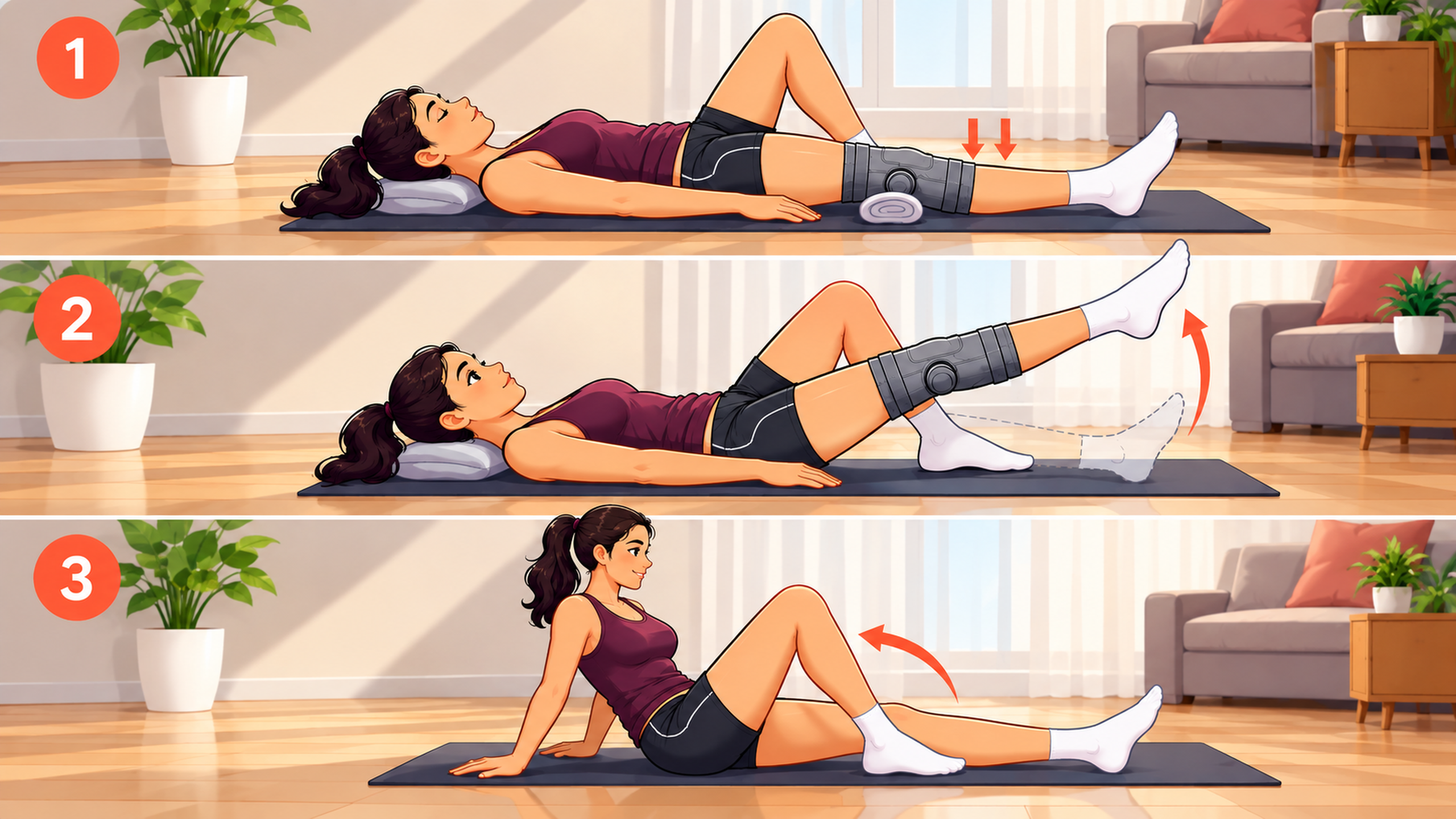
- Quad Sets: Lie flat on your back with your injured leg straight. Contract your thigh muscle by pressing the back of your knee down toward the floor or a rolled towel. Hold for 5–10 seconds, then release. Repeat 10–15 times.
- Straight Leg Raises (SLR): Lie on your back, bend your non-injured leg with your foot flat on the floor, and keep the injured leg straight. Engage your quad and slowly lift the injured leg 8–12 inches off the ground. Hold for 3 seconds and lower slowly.
- Gentle Heel Slides: First, sit on a flat surface with your legs extended. Gently slide your heel toward your buttocks, bending your knee smoothly within a comfortable, pain-free range. Avoid forcing deep flexion in early recovery. Then, slide back down slowly.
Form & Positioning Guidance
- Resting Position: When sitting, keep your leg comfortably supported with a slight bend rather than holding it tightly flexed for extended periods. Avoiding prolonged deep flexion helps minimise compressive loads across the posterior region of the meniscus [6].
- Bracing During PT: Using an open patella brace during weight-bearing exercise can provide structural confidence and lateral support as guided by your physical therapist.
Understanding Joint Damage: How Knee Support for Meniscus Tear Prevents Twisting Pain
To protect your knee during recovery, it helps to understand how the joint is structured. The medial and lateral menisci are crescent-shaped fibrocartilaginous structures that sit between your femur (thigh bone) and tibia (shin bone). They act as primary shock absorbers and assist in distributing body weight evenly across the joint space [3].
What Worsens a Meniscus Tear?
Certain mechanical forces aggravate cartilage injuries:
- Uncontrolled Rotational Forces: Pivoting or turning your upper body while your foot remains planted generates torsional shear forces across the meniscus [3].
- Deep Squatting or Deep Knee Flexion: Flexing the knee into deep angles shifts contact stresses significantly toward the posterior horns of the meniscus [6].
- Excessive Kneecap Compression: Additionally, a tight, unpadded brace without a kneecap cutout can press the patella directly into the joint space, adding unnecessary pressure over the front of the knee.
Types of Open Patella Knee Support for Meniscus Tear Recovery
Not all open patella braces offer the same degree of structural support when choosing a knee support for meniscus tear rehabilitation. Selecting the appropriate level of stabilization ensures better alignment with your recovery goals [1].
- Open Patella Sleeves with Flexible Side Stays: Ideal for mild-to-moderate support, general stiffness, and early physical therapy. Flexible side stays offer light lateral guidance while maintaining full mobility.
- Hinged Open Patella Braces: Recommended when rigid structural guidance is needed, such as post-surgical rehabilitation or combined ligament and meniscal injuries [4].
Frequently Asked Questions (FAQs)
How long should I wear a knee support for meniscus tear recovery?
Wearing schedules should always be individualized based on your clinician’s guidance. During early recovery, a brace is often worn during daily standing and walking activities. As strength and neuromuscular control improve through physical therapy, reliance on the brace is typically tapered off [5].
Should I use elastic wraps or dedicated knee support for meniscus tear recovery?
Wrapping with a basic elastic bandage provides mild compression for fluid control, but it offers minimal structural stability. An open patella brace with side stays is generally preferred when lateral guidance and patellar pressure relief are needed during movement [3].
Should I keep my leg straight or bent with a torn meniscus?
Keeping your leg supported with a slight, comfortable bend minimizes joint strain. Avoid holding your knee in sustained, deep flexion (past 90 degrees) for long periods, as deep flexion increases pressure on the back section of the meniscus [6].
How do I know if my meniscus tear is getting worse?
Signs that require medical re-evaluation include increased joint catching, locking, sudden instability or “giving way,” persistent sharp pain, or progressive swelling [7].
Conclusion & Next Steps
Recovering from a meniscus tear requires a balanced approach: resting the injured tissue while progressively rebuilding strength in the surrounding musculature. While basic compression sleeves offer superficial warmth, an open patella brace such as the Betterhood™ Premium 4-Strap Knee Brace delivers structured support, patellar tracking, and movement guidance to assist you throughout recovery.
Pairing quality knee support with structured physical therapy helps support stable mobility, manage daily discomfort, and promote long-term joint health [1, 5].
References
- American Academy of Orthopaedic Surgeons. Management of Acute Isolated Meniscal Pathology Evidence-Based Clinical Practice Guideline. Published June 10, 2024. Accessed September 28, 2026. https://www.aaos.org/ampcpg
- Arnoczky SP, Warren RF. Microvasculature of the human meniscus. Am J Sports Med. 1982;10(2):90-95. doi:10.1177/036354658201000205
- Fox AJ, Bedi A, Rodeo SA. The Basic Science of Human Knee Menisci: Structure, Composition, and Function. Sports Health. 2012;4(4):340-351. doi:10.1177/1941738111429419
- O’Donnell K, Freedman KB, Tjoumakaris FP. Rehabilitation Protocols After Isolated Meniscal Repair: A Systematic Review. Am J Sports Med. 2017;45(7):1687-1697. doi:10.1177/0363546516667578
- Logerstedt DS, Scalzitti DA, Bennell KL, et al. Knee Pain and Mobility Impairments: Meniscal and Articular Cartilage Lesions Revision 2018. J Orthop Sports Phys Ther. 2018;48(2):A1-A50. doi:10.2519/jospt.2018.0301
- Yao J, Lancianese SL, Hovinga KR, Lee J, Lerner AL. Magnetic resonance image analysis of meniscal translation and tibio-menisco-femoral contact in deep knee flexion. J Orthop Res. 2008;26(5):673-684. doi:10.1002/jor.20553
- Mayo Clinic. Torn meniscus – Symptoms & causes. Published 2023. Accessed September 28, 2026. https://www.mayoclinic.org/diseases-conditions/torn-meniscus/symptoms-causes/syc-20354818
Medical Disclaimer: This article is for informational purposes only and does not substitute for professional medical advice, diagnosis, or treatment. Always consult a qualified orthopaedist or physical therapist to evaluate your injury and recommend an appropriate rehabilitation strategy.