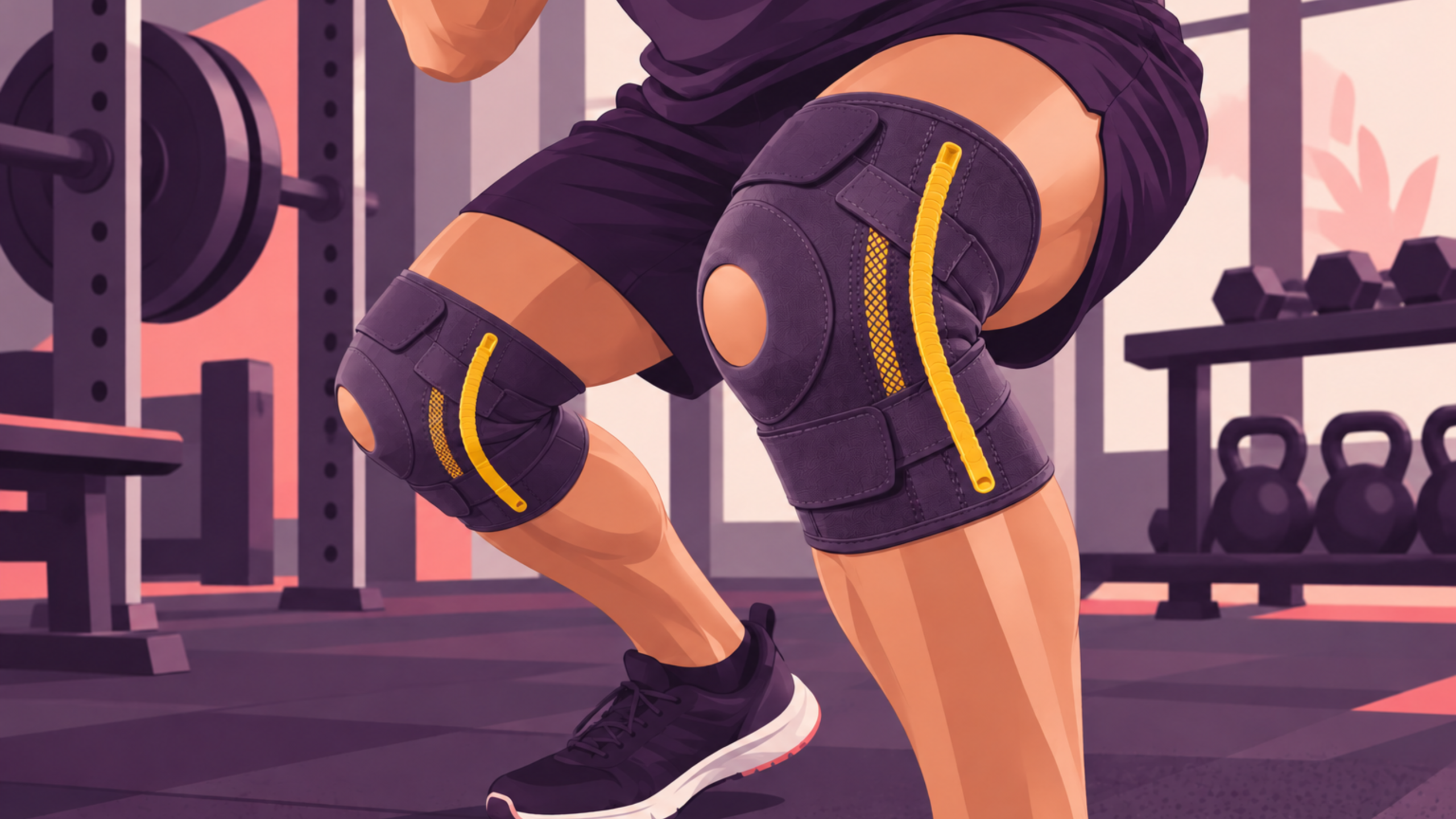




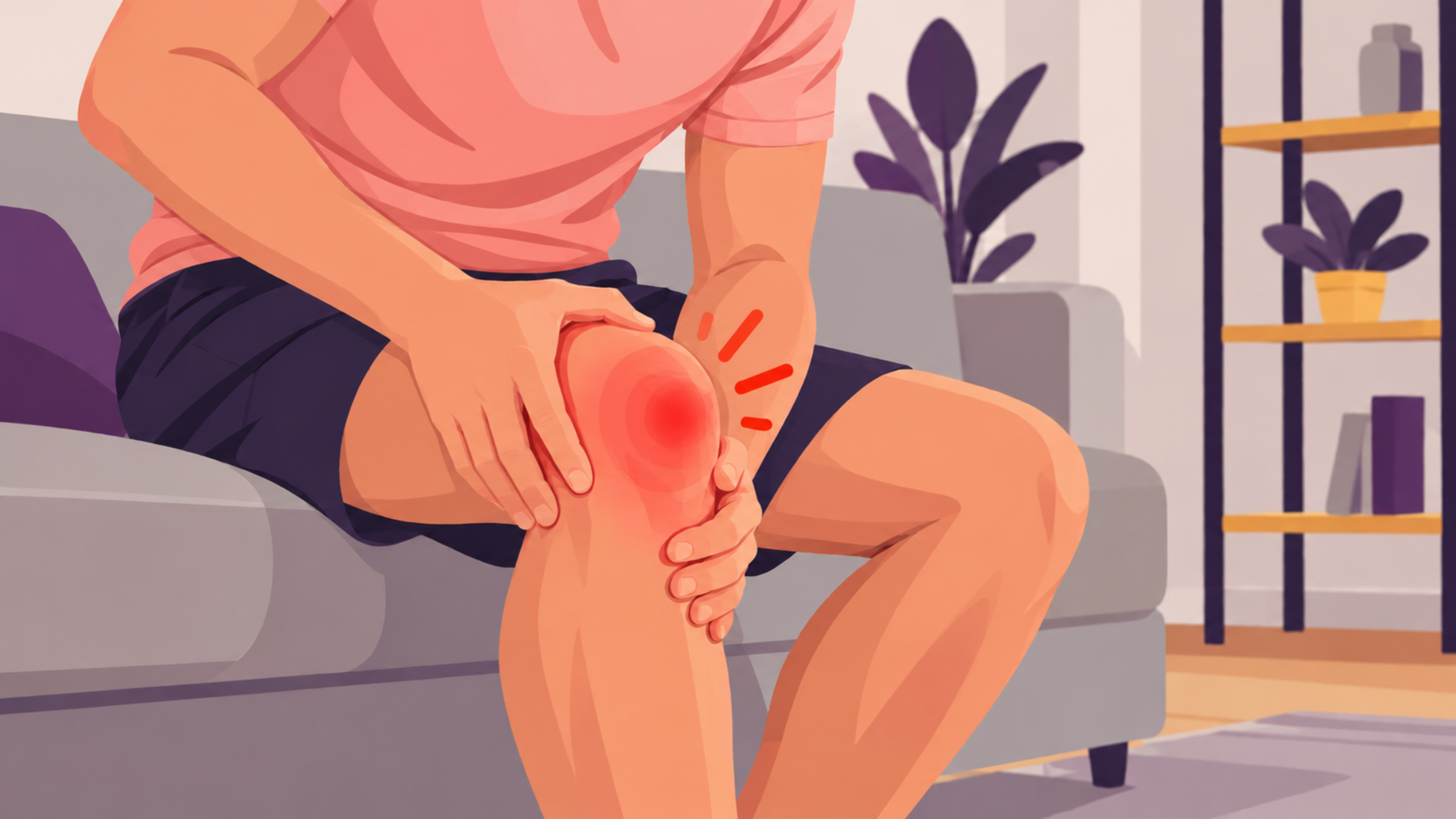
Living with daily joint discomfort means finding the best knee support for arthritis or injury recovery to regain your confidence and independence. Simple everyday activities such as walking up and down stairs, standing up from a low couch, or carrying groceries often start to feel difficult and uncertain without proper support.
Choosing the right knee support starts with understanding what is causing your joint pain. Knee discomfort generally comes from one of three sources: ongoing joint inflammation, wear-and-tear of the cartilage, or a recent injury. Once you understand what your joint needs, finding a knee support that offers the right balance of comfort, compression, and stability becomes much easier.
Understanding Knee Pain: Finding the Best Knee Support for Arthritis vs. Cartilage Wear
First, to choose the right knee support, it helps to understand the difference between general joint swelling and structural wear-and-tear.
Arthritis vs. Osteoarthritis: What Is the Difference?
People often use the word “arthritis” as a single condition; however, there is an important distinction to make:
- Arthritis (An Umbrella Term): Specifically, arthritis is an overall category that includes more than 100 different medical conditions involving joint swelling, stiffness, and pain [8]. For example, it includes autoimmune conditions like rheumatoid arthritis, metabolic conditions like gout, and swelling that happens after a joint injury.
- Osteoarthritis (A Specific Type): In contrast, osteoarthritis (OA) is the most common form of joint disease [1]. It is a wear-and-tear condition that develops when the smooth, protective cartilage covering the ends of your bones gradually wears away. Without enough cartilage cushion, bone rubs against bone, leading to stiffness, localised grinding, and mechanical instability.
Therefore, this distinction matters when selecting support. While general joint inflammation often responds well to warmth and mild compression, the physical wear of osteoarthritis frequently requires extra mechanical support to help keep the joint stable during weight-bearing movement.
| Feature | Arthritis (General Term) | Osteoarthritis (Specific Type) |
| Main Cause | Inflammation, immune responses, or general health conditions | Physical wear and tear of joint cartilage |
| Who It Affects | Anyone from children to older adults, depending on the type | Most common in older adults or joints that had a past injury |
| Support Needs | Ranges from simple warming compression to firm bracing | Structural support to reduce wobble and offload pressure |
Soft Knee Sleeves vs. Braces with Side Stabilisers
However, not all knee supports serve the same purpose. Consequently, understanding the difference between a simple sleeve and a structured brace will help you pick the best knee support for arthritis or recovery needs.
- Basic Elastic Sleeves: These soft, stretchy sleeves slide over your leg. They provide gentle compression and may help some people manage knee discomfort and feel more supported during daily activity [4]. Soft sleeves work best for light, low-impact daily activities or mild, generalised aching.
- Structured Braces with Side Support: These supports include internal side stabilisers, an open cutout for your kneecap (open patella), and adjustable straps. They are built for people who need physical support while walking, climbing stairs, or working through post-injury rehabilitation [3].
How the Best Knee Braces for Arthritis Assist Recovery & Daily Movement
When cartilage wears down or ligaments are stretched, the joint can lose its natural steadiness. Consequently, this loss of stability often makes the knee feel weak or shaky when you put weight on it.
Offloading Pressure with the Best Support for Arthritis
When you walk, bend, or climb, your knees absorb significant physical force. For this reason, choosing the best knee support for arthritis can significantly help offload pressure, as clinical guidelines note brace treatment improves pain and function in people with knee osteoarthritis [2].
- Going Up and Down Stairs: Descending a staircase can subject your knee joint to forces equal to 3 to 4 times your total body weight [9]. As a result, knee support with side stabilisers may help the joint feel steadier during this movement.
- Standing Up from a Seated Position: Transitioning from a low chair to standing puts high demand on your knee joint and thigh muscles. Dual-side supports may help reduce the sensation of uncomfortable shifting or wobbling as you push upward.
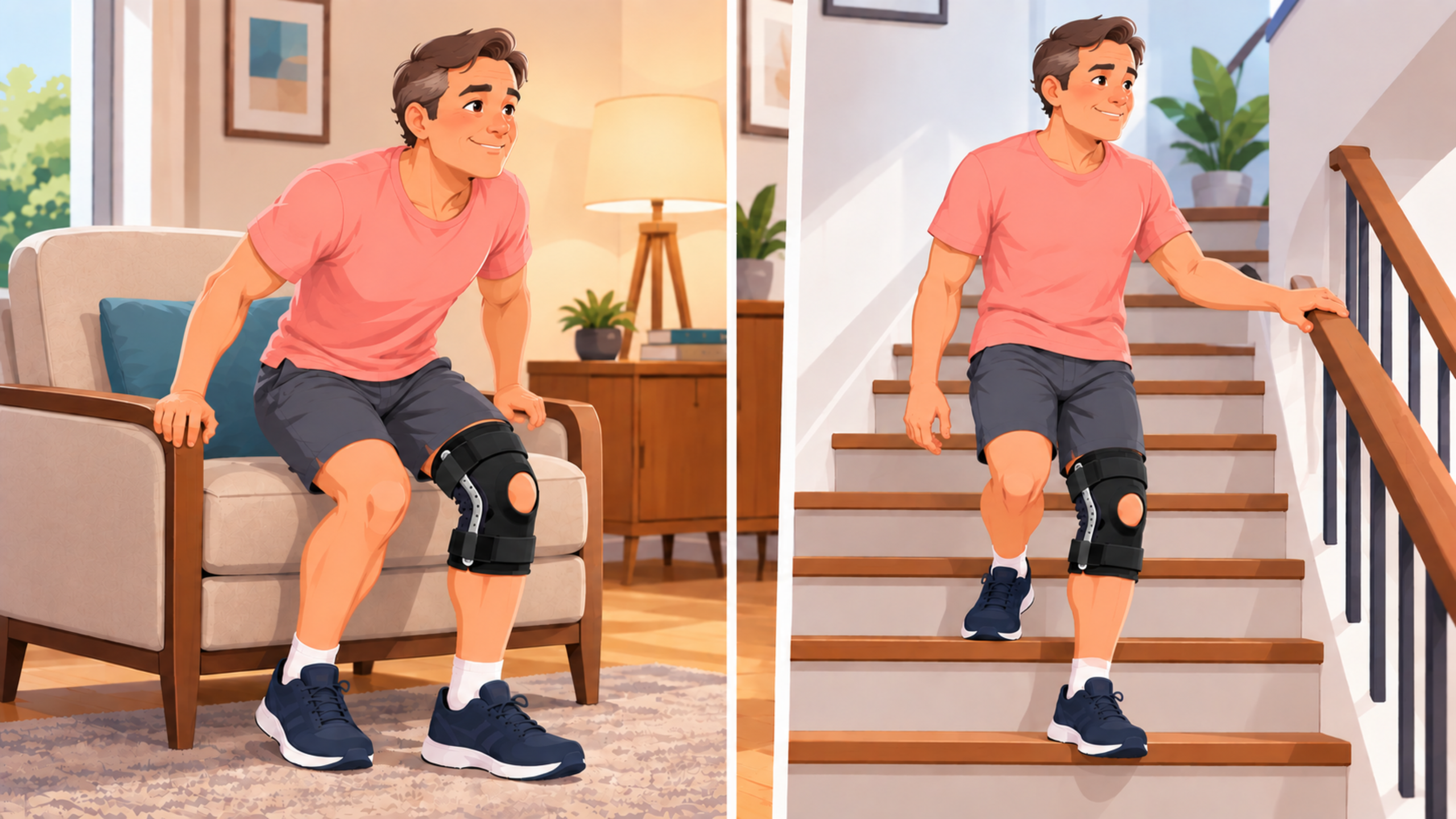
The Role of Side Stabilisers
Specifically, side stabilisers are flexible stays or spring-steel inserts built into the left and right sides of a knee brace. In short, think of them as external guide rails for your leg:
- They may help limit unwanted side-to-side movement and provide a greater sense of support around the knee [6].
- They sit along the sides of the knee to provide structured support as your leg bends and straightens.
- They may give you a greater sense of confidence and stability during walking [5].
It is worth noting that while flexible side stabilisers provide excellent daily guidance and support, they are different from rigid, custom-moulded unloader braces prescribed by orthopaedic surgeons for severe, single-compartment joint collapse, which are specifically designed to reduce loading in a particular knee compartment [7]. Flexible stabilisers offer a practical, versatile option for daily mobility and light rehab support.
Spotlight: Choosing the Best Knee Support for Arthritis with Betterhood
Furthermore, if soft knee sleeves no longer provide enough stability, stepping up to a structured brace is often the best knee support for arthritis sufferers needing daily confidence. As a result, the Betterhood Premium 4-Strap Knee Brace with Stabilisers is built to deliver custom compression and steady physical support during active recovery and daily walking.
Key Product Features & Design Capabilities
- Dual Flexible Side Stabilisers: Built-in side supports provide structured side support without locking your knee or restricting your natural walking stride.
- 4-Way Adjustable Strap System: Four separate Velcro straps allow you to adjust compression precisely where you need it, both above and below the kneecap. In addition, this secure criss-cross design helps prevent the brace from slipping down your leg while walking.
- Open-Patella Ring with Padded Gasket: The open-centre design positions the kneecap within the opening, while the padded ring cradles the patella for comfortable wear.
- Breathable, Durable Fabric: Made from flexible, moisture-wicking materials designed for comfortable wear during physical therapy exercises, light housework, or routine daily walks.
Practical Daily Applications
- Post-Injury Rehabilitation: Offers an added layer of external support during everyday movement after minor discomfort or under clinician guidance during recovery.
- Post-Surgical Recovery: May be used as part of a post-operative recovery plan when recommended by your surgeon or physical therapist.
- Heavy-Load Daily Walking: Ideal for individuals who experience joint fatigue or instability during prolonged standing, grocery shopping, or daily walks.
How to Wear & Maintain Your Knee Brace for Optimal Daily Support
However, buying the right brace is only the first step; wearing it correctly ensures you get the full functional support it was designed to provide.
How to Wear Your Brace Step-by-Step
- Position the Front Opening: Sit on a comfortable chair with your leg slightly bent. Centre the open-patella ring directly over your kneecap.
- Secure the Primary Fasteners: Wrap the main upper and lower panels around the back of your leg and fasten them securely. The brace should fit snugly against your skin or thin clothing.
- Adjust the 4 Criss-Cross Straps: Pull the upper and lower secondary straps evenly around your leg and attach the velcro. Make sure the side stabilisers sit straight along the inner and outer sides of your knee.
- Check Your Comfort and Circulation: Stand up and take a few test steps. Next, slide two fingers under the straps to confirm the fit is snug but comfortable. The brace should feel supportive without pinching your skin or cutting off blood circulation.
Frequently Asked Questions
How should I wash my knee brace?
Hand wash your knee brace in cold water using a mild soap. Gently wash the fabric by hand to help preserve its elasticity, protect the internal stays, and maintain a strong Velcro grip.
Can I put my knee brace in the dryer?
No. You should never place your knee brace in a clothes dryer or expose it to direct heat sources like radiators. High heat can warp the flexible side stabilisers and weaken the stretch materials.
How should I dry my knee brace?
Air-dry your knee brace by laying it flat or hanging it in a well-ventilated indoor space away from direct heat and intense sunlight. This helps the brace keep its shape and structural strength over time.
Is it good to wear a knee brace for osteoarthritis?
Yes, wearing the best knee support for arthritis can be extremely helpful for managing daily symptoms. In addition, a structured knee brace provides external support, reduces joint wobble during weight-bearing movement, and improves overall comfort [2].
Can I wear a knee brace while walking?
Yes. Wearing a knee support with side stabilisers while walking daily may provide a greater sense of support and physical confidence on your feet.
How can I walk with osteoarthritis of the knee?
Walking comfortably with knee osteoarthritis is easier when you combine a well-fitted supportive brace with cushioned, supportive shoes. Moreover, taking shorter, steady strides and using adjustable straps to keep your joint aligned can help protect your knee during daily walks.
Final Thoughts
Ultimately, selecting the best knee support for arthritis comes down to matching your brace to your specific joint needs. While basic compression sleeves work well for mild swelling, managing osteoarthritis or post-injury recovery often requires structured side stabilisers and custom adjustable straps. A well-fitted brace like the Betterhood Premium 4-Strap Knee Brace provides adjustable support and may help the knee feel steadier during daily movements like walking and climbing stairs. When worn correctly and properly maintained, structural knee support may help improve comfort and confidence during daily mobility.
References
- Centers for Disease Control and Prevention (CDC). Osteoarthritis. 2023.
- Brophy RH, Fillingham YA, et al. AAOS Clinical Practice Guideline Summary: Management of Osteoarthritis of the Knee (Non-Arthroplasty), Third Edition. Journal of the American Academy of Orthopaedic Surgeons. 2022. https://doi.org/10.5435/JAAOS-D-21-01233
- Kolasinski SL, Neogi T, Hochberg MC, et al. 2019 American College of Rheumatology/Arthritis Foundation Guideline for the Management of Osteoarthritis of the Hand, Hip, and Knee. Arthritis Care & Research. 2020. https://doi.org/10.1002/acr.24131
- Cudejko T, van der Esch M, van der Leeden M, et al. Effect of Soft Braces on Pain and Physical Function in Patients With Knee Osteoarthritis: Systematic Review With Meta-Analyses. Archives of Physical Medicine and Rehabilitation. 2018. https://doi.org/10.1016/j.apmr.2017.04.029
- Cudejko T, van der Esch M, van der Leeden M, et al. The Immediate Effect of a Soft Knee Brace on Pain, Activity Limitations, Self-Reported Knee Instability, and Self-Reported Knee Confidence in Patients With Knee Osteoarthritis. Arthritis Research & Therapy. 2017. https://doi.org/10.1186/s13075-017-1456-0
- Cudejko T, van der Esch M, van den Noort JC, et al. Decreased Pain and Improved Dynamic Knee Instability Mediate the Beneficial Effect of Wearing a Soft Knee Brace on Activity Limitations in Patients With Knee Osteoarthritis. Arthritis Care & Research. 2019. https://doi.org/10.1002/acr.23722
- Petersen W, Ellermann A, Zantop T, et al. Biomechanical Effect of Unloader Braces for Medial Osteoarthritis of the Knee: A Systematic Review. Archives of Orthopaedic and Trauma Surgery. 2016. https://doi.org/10.1007/s00402-015-2388-2
- Centers for Disease Control and Prevention (CDC). Arthritis Basics. 2025.
- Forces Transmitted in the Knee Joint During Stair Ascent and Descent. PDF Source.