




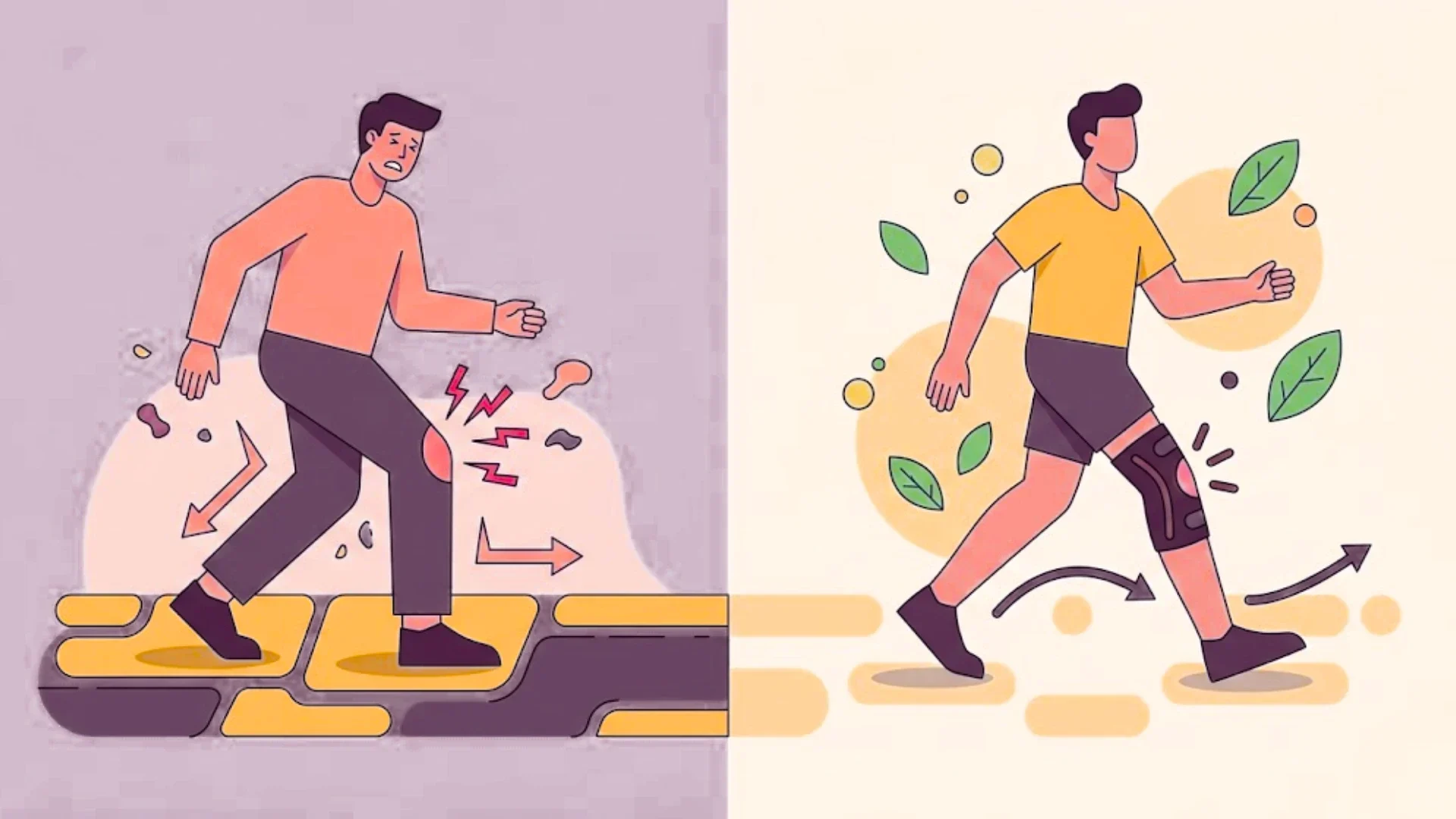
Now the knee pain is not something that happens once in a while but rather completely comes into your daily life, what about that? It flares up when you rise from your bed, climb upstairs or even stand after sitting for too long. Learn to live with it, slow down, cut certain things out, take many more breaks. But after a while it begins to reflect in the way you walk, the way you carry yourself with confidence with Knee Brace in Osteoarthritis.
Among the most common causes of such knee joint pain is osteoarthritis. Gradually that damages the cartilage in your joint and leads it to pain, stiffness and decreased movement. A chronic condition, but it is often managed by not quitting exercise. Actually, and active life is one of the most important elements in keeping joints healthy.
And this is where a little help from an osteoarthritis knee brace comes in. This is not a cure but it’s an application that can relieve anxiety, improve balance and ease movement. When used properly, it can help you with some of your basic daily activities and use for as long as possible without losing your independence. So, we are good at: how it works and when it can really help.
Understanding Osteoarthritis and Knee Mobility
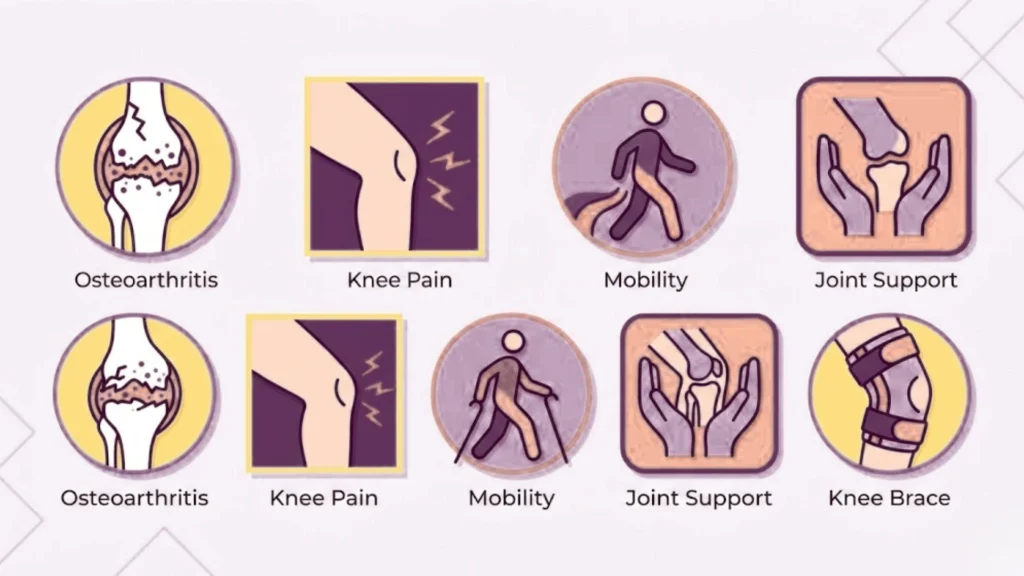
Osteoarthritis is the protective cartilage that cushions your knee joint and wears down over time. When this cartilage starts to break down, the bones start rubbing on each other and causing pain and inflammation.
Inside the Knee Joint: What Happens
And after a while, the joint is not moving smoothly. Stiffness, (especially after resting) and pain when moving, will be experienced. It may also lead to the knee appearing swollen and feeling tight, sore.
Impact on Daily Movement
Walking, even bending or scaling steps has become extremely hard. Many people then start avoiding activities to avoid pain, which may in turn lead the other way and actually increase stiffness and decrease functional mobility.
Why Support Matters
The technology on external support is also intended to relieve the joint of tension that it can no longer bear or tolerate. This is where a knee brace in osteoarthritis supports you to mobilise comfortably again.
Knee Brace Mechanics
Knee braces for osteoarthritis are used to stabilize the joint, off-load mechanically overloaded regions and/or support limb/alignment. It helps guide your body through less painful movements.
Provides Joint Stability
It maintains the knee in a more stable position while in motion, which helps to guide joint movement through a safer and more controlled range. This helps to prevent the ignored transferring or wobbling round a joint that can frequently be excruciating in osteoarthritis.
Reduces Pressure on the Joint
Unloader braces are one type that is designed to offload weight from one side of the knee that’s injured or arthritic. They guide the load to more tolerant areas of bone and away from direct loading of the diseased joint surfaces.
Controls Swelling
An early immobilization brace offers gentle, constant pressure around the knee. This is a cure for slight swelling since regular use promotes blood circulation and prevents the accumulation of body fluids. Swelling forces a stiffer joint and therefore better range of motion.
Encourages Movement
People are naturally much more tolerant of movement if we remove pain and stability is better in the knee. And this is crucial, as regular controlled movement keeps joints flexible, muscles strong and mobile too!
Osteoarthritis Knee Brace Types
The type of brace that you will require depends on your ailment, level of exercise and how much you will be using it in daily life. It is important to understand each type of partition you may be working with before making a decision since they all have different roles.
Compression Sleeves
Light weight makes them easy to wear for long hours along with flexibility and breathability. They provide light to mild support coupled with light compression and are suitable for early-stage osteoarthritis or knee pain generally.
Unloader Braces
Unloaders are a type of brace that is specifically designed for osteoarthritis and work by shifting weight off the damaged part of the knee joint. That extra support helps to take some of the pressure off degraded cartilage, preventing pain while walking or standing by as much as 90%.
Hinged Braces
Hinged braces are more supportive and offer more stability. There are structural components to control knee function and prevent your knees from overexerting themselves. These are more beneficial for moderate to severe kinds of osteoarthritis.
Advantages of use of Knee Brace
If a brace is used daily as part of progressive management and movement based on regular monitoring, these changes will be apparent in day to day life.
Reduced Pain
It supports the joint, redistributes pressure and provides pain relief while moving. They could lessen the tension and distress from routine everyday exercises strolling or standing or moving stairs.
Improved Mobility
This allows for way better moving without the pain but also makes it more balanced across the board. Many things which seemed like challenges and fatigue can turn simple; meaning that you may be able to move a bit more throughout the day.
Better Balance
Good knees help our balance and coordination in general. We can avoid slips & falls, which is great for people with joint weakness / instability.
Increased Confidence
There is a big difference between bending the knee and supporting the body. Specifically, it reduces the risk of unexpected pain or instability so that you can approach life with more confidence and less fear in your every-day movements.
betterhood Approach To Knee Brace in Osteoarthritis
Comfort and ease of use is just as critical as maintenance when it comes to controlling a chronic type such as an osteoarthritis condition. betterhood Make your braces most suitable for the day to day life.
Comfort-First Design
betterhood knee support made with soft breathable shorts, elastic fabric to make sure that you wear the brace all day. The fabric is meant to not scratch or sweat or do the other things that may cause discomfort from extended wearing as it’s supposed to be soft on the skin. This allows you to wear on & off throughout the day whether moving or resting.
Balanced Support
Instead of encasing the foot in a Too-stiff OR Heavy boot, betterhood seeks to treat your foot just enough without impeding Natural Movement. It trains your knee to optimum level without protection while you can do regular motion. This gives you support by propping up the joint to make it more comfortable.
Everyday Usability
betterhood braces fit your busy lifestyle and work in any environment, at home, work or on the go. They are light-weight, comfortable to wear underneath clothes and easy to change if need be. But it is only the utility that promises not to interfere with your daily routine but might aid.
Focus on Long-Term Relief
The point is not only to make you feel better in the moment but also to have a good influence on your condition long-term. betterhood offers solutions that enable ongoing movement, relieving everyday discomfort and enabling active control over joints allowing for a truly unbound experience of movement.
Choosing the Right Time to Your Knee Braces
A knee brace also works, but it just depends on how strict you are and with the timing. Using it wisely and only when necessary for discomfort aid can pass your time more productively.
During Daily Activities
Wear a belt when you walk, stand or go up the stairs to relieve pressure on your joints and help with work around the house. It helps with all the normal movements of life that may become painful in the long run, able to heal yourself for good.
During Physical Activity
A knee compression sleeve will make it easier and safer to perform light exercises, stretching routines or physiotherapy sessions. You’re most likely not gonna pull something while wearing a brace unless you REALLY do some strenuous physical activity, that is why I wear the brace because it keeps everything aligned.
During Flare-Ups
Braces- Whenever stiffness, pain or swelling increases, braces can help mask the symptoms. It grants you more stability and compression which means these instances are significantly more manageable as you move about.
When to See a Doctor
Knee brace in osteoarthritis provides symptomatic relief, but sometimes professional advice is the best option
Severe or Worsening Pain
If your pain is getting progressively worse or if you are not improving at all with rest and a brace in the first few days after an injury then this means that the injury is becoming greater and it may be best to get a professional opinion.
Limited Range of Motion
Observance of slight false bending, free knee movement or extension may signal a degenerative change that needs treatment.
Persistent Swelling
Some things like swelling that lasts too long or really is pronounced should never be ignored, because this might actually represent inflammation and other bigger pathology that needs treatment.
Difficulty Performing Daily Activities
As soon as you start to struggle with the more simple movements such as walking, standing and climbing stairs you should talk to your doctor.
How to Use a Knee Brace Effectively.
The orthotic is a little bit common and if you know how to wear your knee brace correctly, it will be the best value for money; that is without pain or dependency.
Choose the Right Type
You can select a rake that corresponds to the volume of pain relief, activity level regardless which support you need. You do not need heavy support & proper execution everywhere.
Ensure Proper Fit
It will need to feel secure is simply the bandage and support slightly tight, only. This implies it must work right through development while permitting for circulation.
Use It Consistently
It’s much better to use it when regularly engaging in knee stressing activities, than using it as necessary. Stability before the month cup helps to give us less work.
Combine with Exercise
The knee brace will be used with exercises to make your knees stronger and to make them more flexible. When the muscles around the joint are strengthened, it helps ensure longevity.
Conclusion
You don’t have to stop moving any time you suffer from osteoarthritis. It can get in the way of your daily activities but this does not eliminate the chance to be active or assisted with assistance if bonafide.
For knee osteoarthritis, a knee brace is a straightforward but effective tool to relieve pain, enhance stability and improve the ease of movement. However, the rest only really works in conjunction with proper diet with regular exercise and healthy intake, is when a natural way of strains appears to be coherent.
Thus if you wish to boost your flexibility and simultaneously address pain, visiting a knee support is an effective tool and performs a huge part in leading a better active plus comfortable living.
FAQs
1.What is the purpose of a knee brace in osteoarthritis?
It helps reduce pain, improve stability, and support movement during daily activities.
2.Can a knee brace cure osteoarthritis?
No, it cannot cure it, but it helps manage symptoms and improve mobility.
3.Which type of knee brace is best for osteoarthritis?
It depends on severity compression sleeves for mild cases, unloader or hinged braces for more support.
4.Can I wear a knee brace all day?
Yes, during activities, but it’s best to remove it during rest unless advised otherwise.
5.Does a knee brace reduce pain immediately?
It may provide quick relief by supporting the joint, but results vary by individual.
6.Is it safe to exercise with a knee brace in osteoarthritis?
Yes, it can make light exercise safer and more comfortable when used properly.
References
[1] Hunter, D. J., & Bierma-Zeinstra, S. (2019). Osteoarthritis. A comprehensive overview of causes, symptoms, and management of osteoarthritis. Available at: https://www.ncbi.nlm.nih.gov/pmc/articles/PMC6562786/
[2] Moyer, R., Birmingham, T., Dombroski, C., et al. (2015). Valgus bracing for knee osteoarthritis: A meta-analysis. Explains effectiveness of unloader braces in reducing pain. Available at: https://pubmed.ncbi.nlm.nih.gov/25618028/
[3] Ramsey, D. K., & Russell, M. E. (2009). Unloader braces for medial compartment knee osteoarthritis. Discusses how braces reduce joint load and improve function. Available at: https://pubmed.ncbi.nlm.nih.gov/19794219/
[4] Callaghan, M. J., Parkes, M. J., Hutchinson, C. E., et al. (2015). A randomized trial of a brace for patellofemoral osteoarthritis. Reviews pain reduction and mobility improvements. Available at: https://pubmed.ncbi.nlm.nih.gov/25564170/
[5] American Academy of Orthopaedic Surgeons (AAOS). (2021). Management of osteoarthritis of the knee. Clinical guidelines on treatment options including bracing. Available at: https://www.aaos.org/oa-knee-guideline


