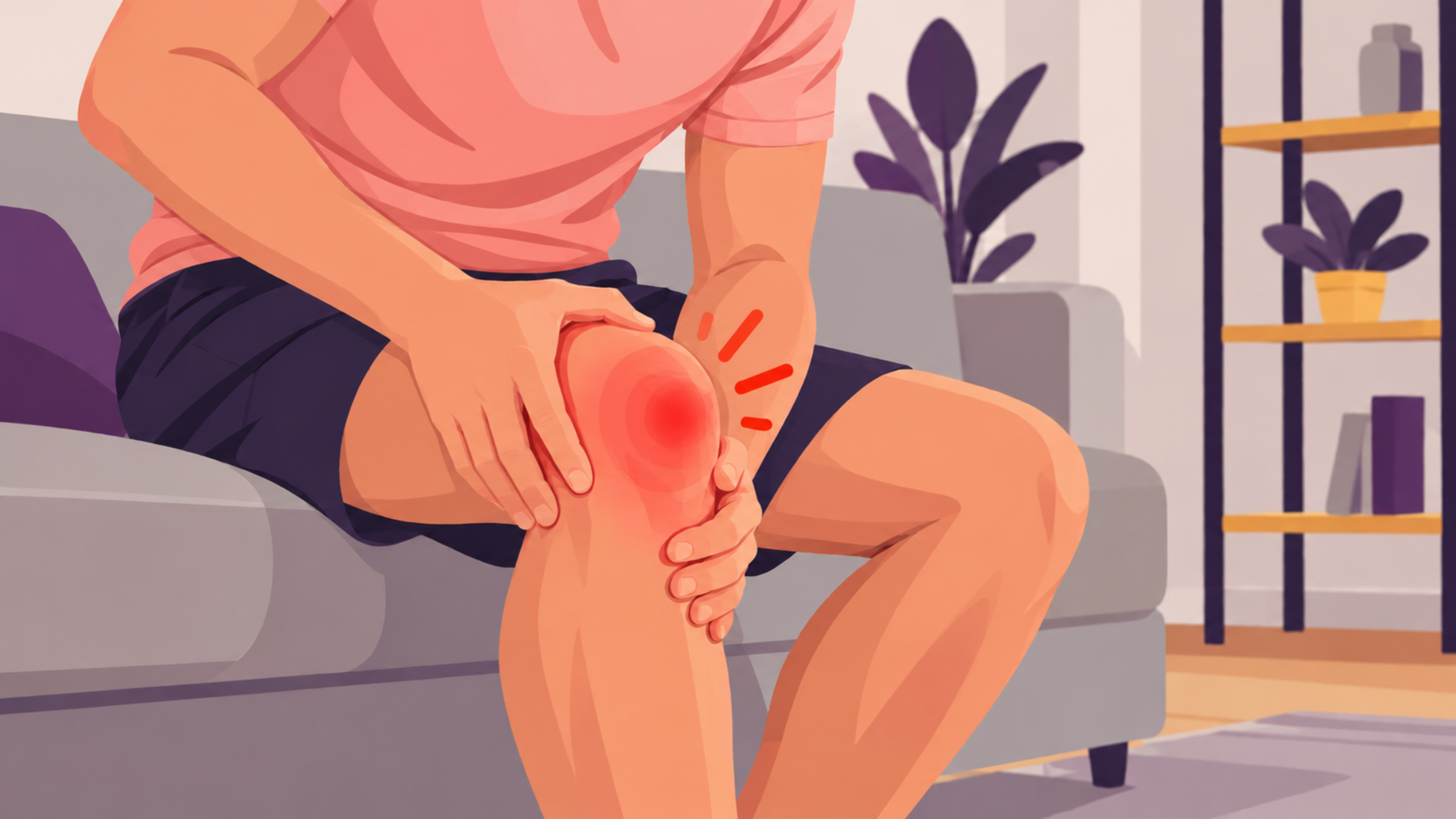





A knee cap for women should not force you to choose between feeling supported and looking put together. For daily walking, work, and family routines, a knee cap for women should fit comfortably under everyday clothing without the bulk of a traditional brace, rather than becoming another item to manage.
For working women, active mothers, and commuters, knee comfort is rarely a gym-only concern. Pain or fatigue often appears while walking between meetings, taking metro stairs, or standing to cook.
However, many traditional supports are designed for sports or injury recovery rather than the realities of an everyday wardrobe. Thick neoprene can feel uncomfortably hot beneath trousers, while Velcro straps and stiff hinges often dig in, catch, or leave obvious lines under fitted clothes.
Consequently, the central question is not simply whether a support works. Instead, it is whether a knee cap for women can remain comfortable and discreet under everyday outfits. This guide explores female knee biomechanics and low-bulk, sub-garment wearability. It offers practical insights to help you choose a lightweight knee support sleeve for everyday movement.
Female Biomechanics: Q-Angle, Knee Tracking, and Joint Hypermobility
What Q-angle means for daily knee movement
The quadriceps angle, or Q-angle, describes the clinical angle formed between the pelvis, kneecap, and upper shin. It helps explain how thigh muscles pull on the kneecap as the leg bends and straightens. On average, women show somewhat larger Q-angle measurements than men in observational studies [1].
This difference relates to pelvic width, lower-limb alignment, and skeletal proportions. However, Q-angle measurements vary based on body position, landmark identification, and assessment methods [2].
Therefore, clinicians consider it a descriptive measure rather than a fixed diagnosis. While Q-angle influences joint alignment and force distribution during daily walking or stair use [4], principles that also play a critical role in the biomechanics of running, a wider angle does not automatically cause pain, maltracking, instability, or injury. Knee comfort is multifactorial, depending on muscle strength, fatigue, footwear, and movement patterns. Consequently, clinical guidelines do not use Q-angle as a stand-alone predictor of patellofemoral pain [3].
For this reason, a knee cap for women should never be marketed as a device that corrects Q-angle alignment. Instead, effective support offers a comfortable, stable-feeling fit during daily activities.
Why hypermobility can change the “support” conversation
Joint hypermobility means joints move beyond the typical range. While many people experience no symptoms, others notice fatigue, recurring aches, or reduced confidence during prolonged walking or standing. This unsteadiness often stems from altered movement control or reduced joint awareness.
Indeed, research confirms that hypermobile individuals often experience reduced lower-limb joint-position sense [6], which may also link to higher patellar instability risk [5].
For women with hypermobility-related fatigue, the goal is gentle compression and tactile feedback rather than rigid immobilisation. Heavy braces are often hot, bulky, and restrictive for routine wear. Therefore, the Best Knee Support for Walking Daily provides a secure-feeling fit without restricting natural movement, seamlessly preparing the knee for everyday tasks.
What a knee cap for women can and cannot do
A knee sleeve offers compression, warmth, tactile input, and a supported feeling during daily movement. Research suggests knee sleeves can improve proprioception, gait, and functional comfort [8], while compression garments generally enhance joint-position sense [9].
However, a sleeve cannot change pelvic geometry, permanently alter the Q-angle, or replace exercise-based rehabilitation for persistent conditions [7]. It simply offers everyday comfort, making low-bulk wearability the next essential consideration.
Sub-Garment Wearability: Choosing a Discreet Knee Cap for Women
Why bulky braces do not fit into everyday wardrobes
Traditional braces often use thick neoprene, broad straps, hinges, or external Velcro. While useful for acute injury recovery, these features trap heat and create unsightly horizontal ridges under trousers. Additionally, hinges catch on slim-fit pants, and raised kneecap rings show clearly through leggings, churidars, or thin salwar bottoms. Consequently, these bulky designs fail to pair smoothly with modern or traditional attire:
- Leggings: Instantly reveal underlying seams, Velcro, and bulky front panels.
- Formal Trousers: Pull tightly across the knee when sitting, exposing cuff ridges.
- Chudidars & Salwars: Fit closely around the leg, making dark or thick supports highly visible.
- Sarees: Offer outer coverage, yet long periods of sitting and standing require breathable, non-restrictive layers underneath.
Why sleeves roll down, bunch, or create visible lines
Sleeve rolling and bunching create concentrated, uncomfortable pressure around the thigh and calf. This issue usually stems from a shape mismatch, as basic cylindrical tubes fail to mirror natural leg contours.
If the upper cuff is too tight, it curls inward; if the fabric is stiff behind the knee, it gathers uncomfortably during sitting or climbing stairs.
Furthermore, poor fabric recovery causes sags, while thick silicone bands, raised logos, and heavy seams press through close-fitting clothes. Ultimately, the goal is even, secure contact that sits flat without pinching or leaving deep marks.
The zero-bulk checklist for a knee cap for women
When choosing a knee cap for women for discreet everyday wear, look for these essential features:
- Fine-gauge, 4-way stretch knit: Offers breathable movement and shape recovery without neoprene bulk.
- Smooth, matte fabric with flat seams: Minimises visible lines and texture under tight clothing.
- Anatomical 3D contouring: Fits natural leg curves to prevent back-of-knee bunching.
- Broad, soft cuffs with subtle anti-slip retention: Keeps the sleeve secure without rolling or digging in.
- Flexible, internal support elements: Provides gentle structure without external straps or bulky hinges.
- Neutral or versatile tones: Blends seamlessly beneath your everyday wardrobe.
Betterhood Knee Sleeve with Stabilisers for Joint Support: One Low-Profile Solution
Designed for women who need support without the brace bulk
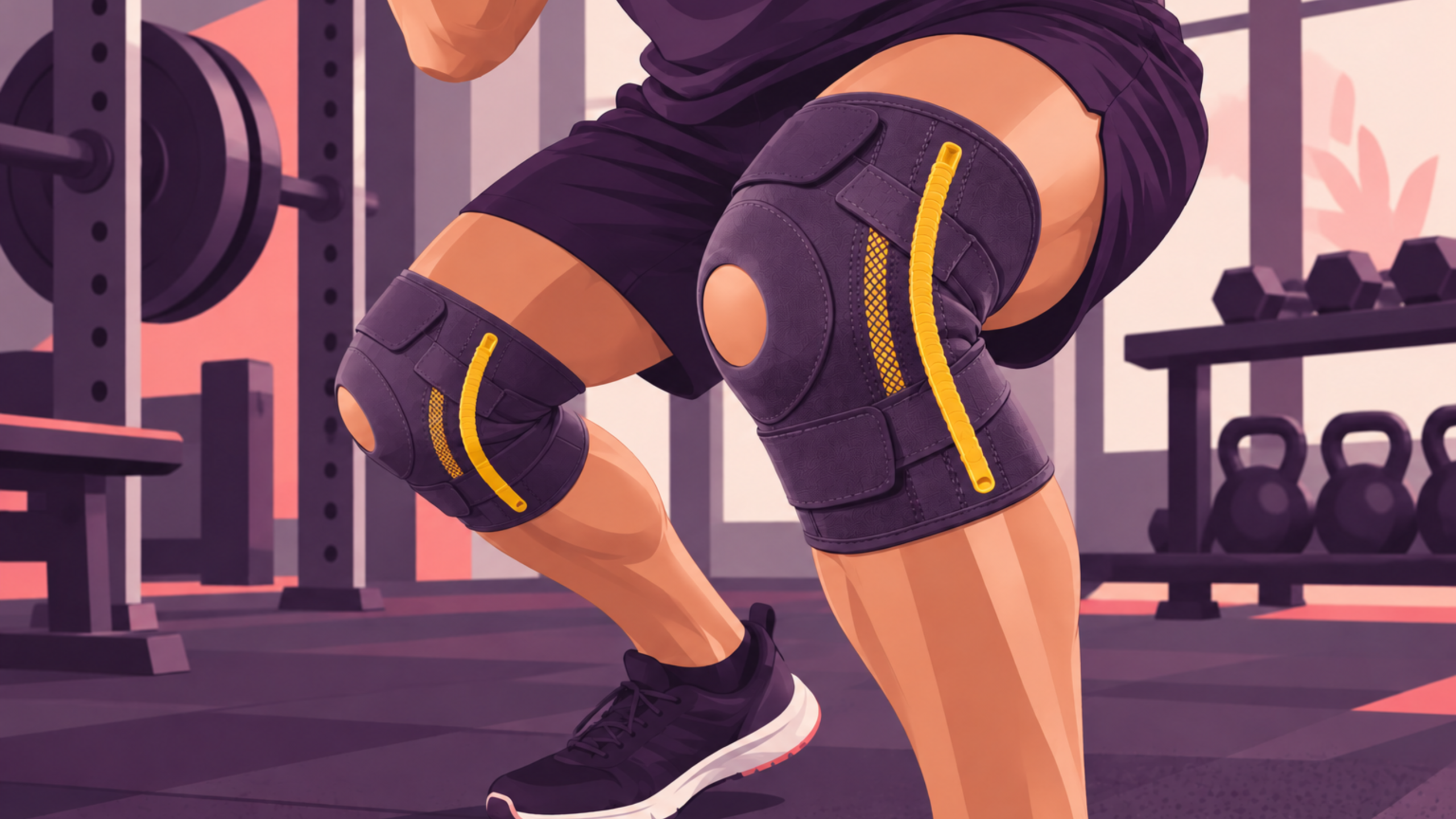
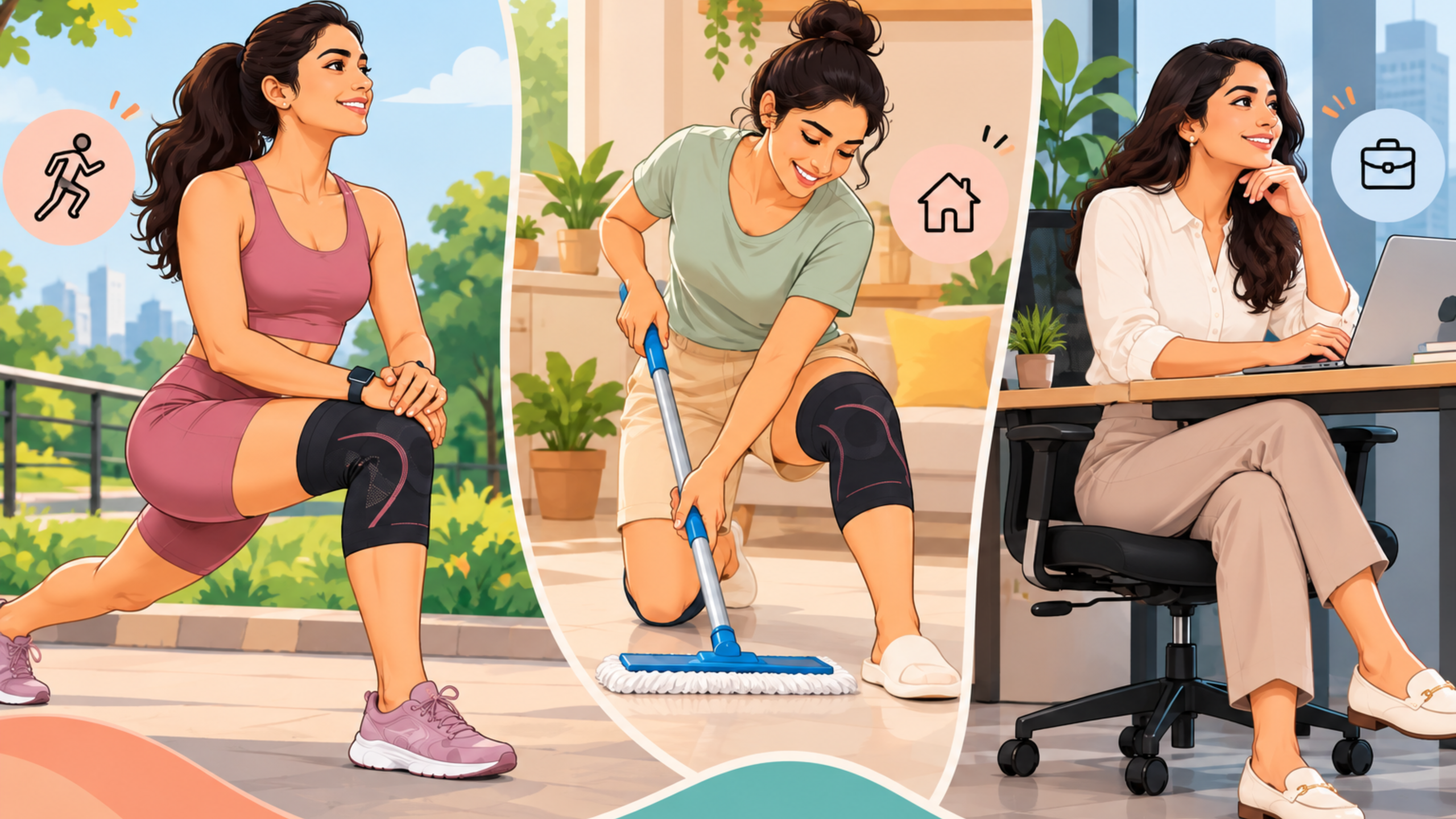
The Betterhood Knee Sleeve with Stabilisers for Joint Support offers more structure than a basic compression tube while maintaining a lower profile than a bulky traditional brace. Featuring a slim, stretchable construction, it provides a stable-feeling fit under everyday wear. It is positioned strictly as a practical, non-medical option for walking, working, and commuting.
StableMax™ Dual Side Stabilisers for a more secure-feeling knee
Betterhood’s StableMax™ side stabilisers feature flexible lateral bars that support natural knee bending during walking and standing. For women experiencing mild fatigue or instability on stairs, this gentle structure offers a more anchored feeling than a plain sleeve. Importantly, these stabilisers do not correct the Q-angle, realign the joint, or clinically improve stability. Instead, they deliver a comfortable, secure-feeling fit that respects natural movement.
Orthotic Patella Gel Pad for targeted kneecap-area contact
The Orthotic Patella Gel Pad provides targeted contact and pressure distribution around the kneecap. This comfort feature offers tactile feedback during repeated sitting, standing, and walking. However, the gel pad is not a medical treatment or a substitute for exercise-based rehabilitation. If you experience severe pain, swelling, locking, or joint shifting, seek professional medical evaluation.
ZeroBulk Compression Fit and 4-Way Stretch Hi-Perform Elastomer Fabric
The ZeroBulk Compression Fit uses a thin design intended to reduce the bulky shape, cuff lines, and bunching often associated with traditional braces. While its low-profile construction fits more naturally under trousers and ethnic wear, note that the physical side stabilisers and patella support area may still be noticeable under very fitted or thin fabrics.
Additionally, the 4-Way Stretch Hi-Perform Elastomer Fabric provides breathable, moisture-wicking comfort that moves naturally with the joint. Its subtle anti-slip fit prevents sliding, ensuring reliable support throughout the day.
Frequently Asked Questions About Wearing a Knee Cap for Women
How should I choose the right size for a knee cap?
Choose your sleeve size using your specific knee, thigh, and calf measurements rather than your usual trouser size. Once you put it on, centre the gel ring over your kneecap and make sure the side stabilisers are aligned straight along the joint.
How can I check if my kneecap fits correctly?
After putting on the sleeve, walk around, sit down, and take a few stairs to check how it feels during everyday movement. If you experience numbness, tingling, coldness, or deep skin marks, remove the sleeve and consider resizing it.
Will a kneecap be visible under leggings?
A smooth, matte sleeve in black or a neutral tone can make the support less noticeable under leggings. However, very fitted or thin fabrics may still reveal the outline of the side stabilisers or patella support.
Can I wear a knee cap under work trousers?
Yes. When wearing a knee cap under work trousers, trousers with slight stretch can provide more room around the knee and help prevent pulling across the fabric while sitting.
Can I wear a knee cap under a churidar or salwar suit?
Yes. A thin, breathable sleeve can be more comfortable under churidars or salwar suits, particularly in warm weather. However, fitted ethnic wear may still show the subtle outline of the stabilisers and patella pad.
Can I wear a knee cap under a saree?
You can. If you plan to wear a knee cap under a saree, test it beforehand with the petticoat or leggings you intend to wear. This helps you check whether the combination provides acceptable comfort and ease of movement beneath your planned layers.
Conclusion:
The right knee cap for women provides a supported feel during daily walking and standing while remaining relatively low-profile under suitable everyday clothing. By balancing individual biomechanics with a low-bulk, breathable design, you can enjoy functional comfort throughout your routine. Choose an accurately sized sleeve for your needs, and consult a healthcare professional if symptoms persist or worsen.
References
- Horton, M. G., & Hall, T. L. Quadriceps femoris muscle angle: Normal values and relationships with gender and selected skeletal measures. Physical Therapy. 1989;69(11):897–901. https://doi.org/10.1093/ptj/69.11.897
- Smith TO, Hunt NJ, Donell ST. The reliability and validity of the Q-angle: a systematic review. Knee Surg Sports Traumatol Arthrosc. 2008;16(12):1068–1079. doi:10.1007/s00167-008-0643-6. https://doi.org/10.1007/s00167-008-0643-6
- Willy, R. W., et al. Patellofemoral pain: Clinical practice guidelines linked to the International Classification of Functioning, Disability and Health from the Academy of Orthopaedic Physical Therapy of the American Physical Therapy Association. J Orthop Sports Phys Ther. 2019;49(9):CPG1–CPG95. https://doi.org/10.2519/jospt.2019.0302
- Mizuno, Y., et al. Q-angle influences tibiofemoral and patellofemoral kinematics. Journal of Orthopaedic Research. 2001;19(5):834–840. https://doi.org/10.1016/S0736-0266(01)00039-0
- Heigh, I., D’Souza, F., Nuttall, D., Hart, D., & Smith, C. The relationship between joint hypermobility and patellar instability: A systematic review. Journal of Orthopaedics. 2024;56:40–49. https://doi.org/10.1016/j.jor.2024.05.009
- Smith, T. O., et al. Do people with benign joint hypermobility syndrome have reduced joint proprioception? A systematic review and meta-analysis. Rheumatology International. 2013;33(11):2709–2716. https://doi.org/10.1007/s00296-013-2790-4
- Collins, N. J., et al. 2018 Consensus statement on exercise therapy and physical interventions to treat patellofemoral pain. British Journal of Sports Medicine. 2018;52(18):1170–1178. https://doi.org/10.1136/bjsports-2018-099397
- Mohd Sharif NAA, Goh S-L, Usman J, Wan Safwani WKZ. Biomechanical and functional efficacy of knee sleeves: A literature review. Physical Therapy in Sport. 2017;28:44–52. https://doi.org/10.1016/j.ptsp.2017.05.001
- Peng, H.-T., Song, C.-Y., Lin, C.-H., & Chen, S.-C. Influence of compression garments on proprioception: A systematic review and meta-analysis. Annals of the New York Academy of Sciences. 2024;1534(1):83–96. https://doi.org/10.1111/nyas.15144