


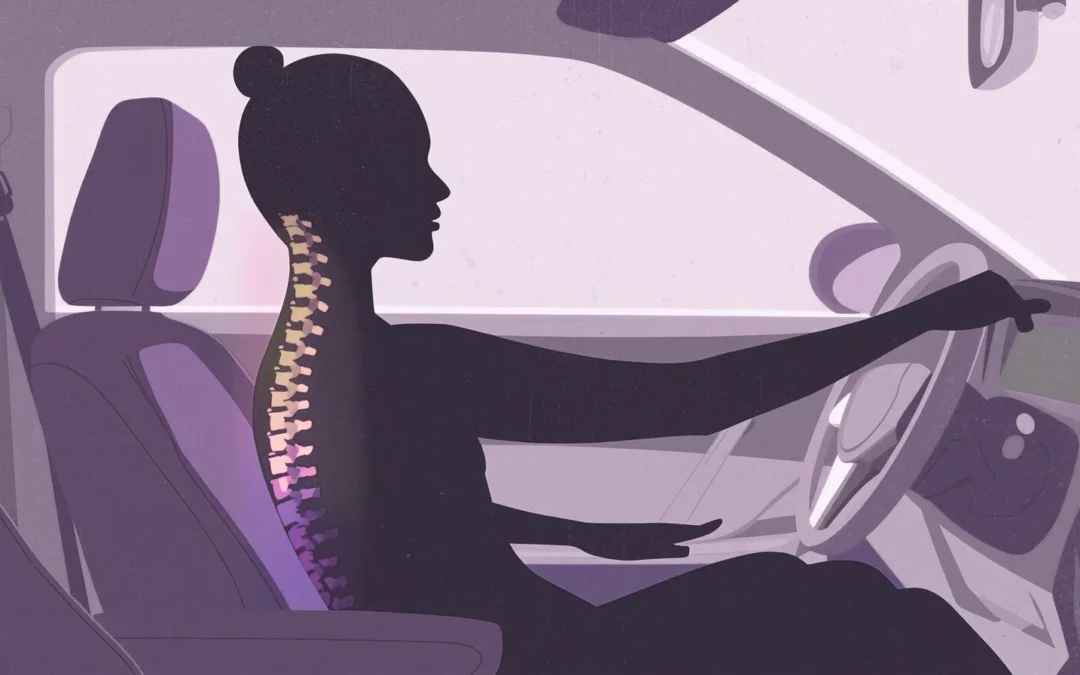
Introduction
Millions of people around the globe drive every day. From commuting to work, running errands and long-distance traveling, people spend several hours per week sitting behind the wheel. Driving may seem like a passive activity but it can impact the body significantly when posture is disregarded.
Back pain, neck stiffness, shoulder tension, and fatigue are all common side effects of poor posture while driving. When the body stays in an awkward sitting posture for long durations, muscles and joints go into a lot of stress. Over time, that can develop into chronic discomfort and even long-term musculoskeletal aches.
Research indicates that proper posture while driving can help reduce fatigue, improve comfort and increase control of the vehicle. A proper driving position means balanced muscles and a properly aligned spine, which help reduce stress on the body. [1]
Aside from safety and comfort,good driving posture also increases reaction speed and attention. Source 2 explains that drivers who maintain proper ergonomics are able to react better in emergencies as their arms, legs and body are already placed properly for control of the vehicle.
This guide takes you through everything about driving posture support including why driving posture becomes poor, what can happen to your body because of it and some practical ways to stay comfortable and prevent pain.
What Is Driving Posture Support?
It also translates into utilizing devices like lumbar cushions, adjustable seats, and comfortable supportive accessories.
Good driving posture seeks to maintain the body in a relaxing and neutral upright position so that muscles need not be worked too hard to hold themselves steady.[5]
- A supported lower back
- Slightly bent knees
- Relaxed shoulders
- Arms loosely resting on the steering wheel
- Head supported by the headrest
When these components are aligned well, the spine has its natural curves and the muscles are relaxed, resulting in decreased pain and fatigue.
Why Bad Driving Posture Leads to Pain
Most drivers are in postures that overstress their muscles and joints without even realizing it. There are several physical problems caused by improper sitting at the time of driving.
Spinal Misalignment
Being hunched or leaning forward puts additional strain on the spine. Over time, that can cause lower back pain, strain on the discs and muscle fatigue.
Muscle Imbalance
Some muscles are doing all the work when posture is bad. This creates muscle imbalance, which can result in stiffness and discomfort around the neck, shoulders and back.
Reduced Circulation
Poor positioning can hinder blood circulation, especially in the legs. Decreased circulation can result in numbness, tingling and fatigue.
Constant Vibration Exposure
When driving, as the body is exposed to constant vibration from the road, poor posture may lead to joint pain. [2
]seated posture in vehicle seating situations indicate that slouched positions can create more body movement and discomfort than upright posture. [3]
Given these factors, good posture is key to protecting your body when you’re on the road.
The Advantages of Maintaining Proper Driving Posture
Proper posture while driving comforts your health & safety in several significant ways.
Reduces Back and Neck Pain
Proper alignment of the spine reduces stress in muscles and joints. Good posture helps avoid the tension that often results in back ache and neck pain.
Improves Driver Comfort
However, long drives can become uncomfortable if the body is not taken care of. Use lumbar support cushions and ergonomic positioning so that your weight is distributed evenly across the seat .[4]
This relieves the lower back from pressure and keeps you going during long rides.
Enhances Driving Control
Proper posture enables drivers to safely access the wheel and pedals, which enhances vehicle control and reaction time.
Reduces Fatigue
Muscle tension can also cause driving fatigue if it’s sustained for a long time. Good posture helps to keep muscles relaxed and enhances endurance on long drives.
Prevents Long-Term Health Issues
Bad posture over months or years can cause chronic conditions like:
- Sciatica
- Herniated discs
- Repetitive strain injuries
- Chronic neck pain
That translates to issues long-term if good ergonomic posture is not maintained.
How to Know if You’re Not Sitting Right Behind the Wheel
Most drivers have no idea of having a bad posture. But some symptoms usually suggest postural issues.
Common warning signs include:
- Lower back pain after driving
- Stiff neck or shoulders
- Tingling in legs or feet
- Frequent fatigue during long drives
- Difficulty reaching pedals comfortably
If you suffer these symptoms consistently, it may be time to change your driving posture.
Understanding Proper Driving Position
The first step to correct driving posture is adjusting your seat and steering wheel correctly.
Adjust the Seat Distance
Your seat should be positioned so that your knees remain slightly bent as you press the pedals. If you sit too far back, your legs will have to extend completely which puts pressure on the lower back .[5]
Set the Seat Angle
Experts suggest that the backrest should be reclined slightly (about 100 to 110 degrees) to support the spine’s natural curvature . [5]
Position the Steering Wheel
You should never be fully extended as you hold the steering wheel, but your arms are slightly bent. This offers more control while also relieving strain on the shoulder.
Adjust the Headrest
The center of the headrest should be in line with your head so that it can support your neck and prevent whiplash.
Adjust Mirrors After Seat Position
Mirrors must be adjusted after the seat is set correctly, for you to see without your body moving.
Why Lumbar Support Is Important When Driving
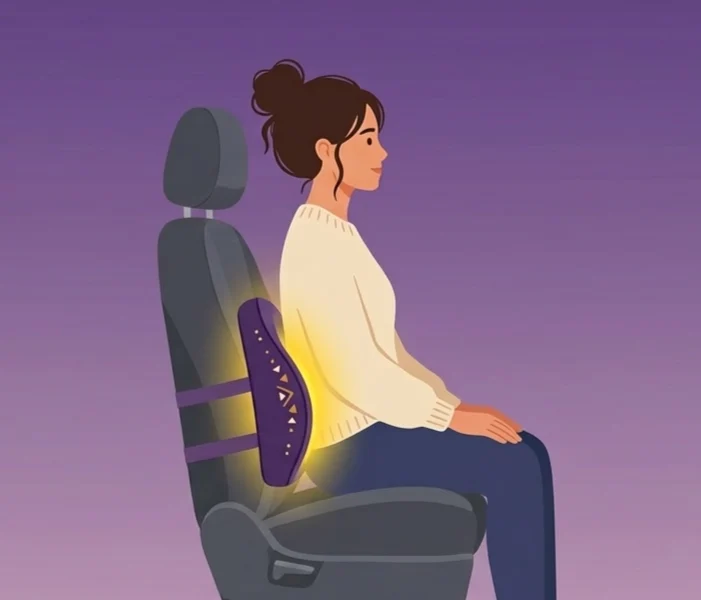
Lumbar support is one of the most relevant features in terms of posture supporting while driving.
The lower back, or lumbar spine, has a natural inward curve. Most seats are not well designed to support that curve and it makes drivers slouch.
A lumbar support cushion bridges the gap between the lower back and the seat, ensuring proper spinal alignment. Lumbar support cushions are also beneficial in proper posture during driving and reducing pressure on the spine.[4]
If a cushion isn’t available, even rolling up a towel can work in a pinch for lumbar support.
Driving Habits That Affect Posture
Some habits also don’t help our driving posture aside from seat positioning.
Gripping the Steering Wheel Too Firmly
Holding the wheel too tightly leads to tension in the upper body.
Driving with One Hand
Driving with one hand can put uneven pressure on the spine.
Sitting on Wallets or Objects
Items stored in back pockets can tilt the pelvis, leading to misalignment of the spine.
Leaning Forward
Some people lean forward while driving, which creates stress on the neck and upper back.
By correcting these habits, they can preserve good posture while driving.
Exercises to Improve Driving Posture
Regular exercise can help build the muscles that provide postural support.
Shoulder Rolls
This move releases tension in the shoulders that can build up from hours spent behind the wheel.
Neck Stretch
Gentle stretches for the neck can ease stiffness and increase mobility.
Chest Stretch
Chest stretches help counter the bending forward that many drivers do.
Core Strengthening Exercises
Exercises such as planks strengthen the core muscles that stabilize the spine. [6]
Developed core muscling helps keep you in correct alignment when sitting too long.
Tips for Long-Distance Driving Comfort
Long drives need something extra in terms of posture alignment and movement.
Take Regular Breaks
Walker has also suggested a break with movement after every two hours.
Frequent short breaks prevent stiffness and promote circulation.
Stretch During Stops
The neck, back and legs can use some simple stretches to relieve tension.
Stay Hydrated
Muscle cramps and fatigue can also be linked to dehydration.
Wear Comfortable Clothing
Clothes that are too tight can limit movement and blood flow.
Modern Features of Car That Support Driving Posture
The majority of contemporary cars are equipped with seating and other elements that support good ergonomic posture.
Examples include:
- Adjustable lumbar support
- Ergonomic seat designs
- Heated seats for muscle relaxation
- Driver fatigue detection systems
Such features in a car can also relieve muscle strain and enhance overall driving comfort.
When Driving Posture Assistance Matters Most
For some drivers, posture-related pain is more common.
Office Workers
People whose jobs require them to sit for lengthy periods may already have poor posture, which can be exacerbated by driving.
Professional Drivers
Taxi drivers and truck drivers and delivery workers spend long hours behind the wheel.
Long-Distance Travelers
Long commutes, regular long-distance driving, and road trips can put you at risk for posture-related pain.
Proper posture is essential for these individuals.
Preventing Posture-Related Pain While Driving
Adopt Pro Body Driving Habits:
- Adjust your seat before driving
- Use lumbar support
- Keep shoulders relaxed
- If you are on a long drive stop at intervals
- Perform posture exercises regularly
These habits promote better spinal health and less discomfort.
Conclusion
All the focus on driving posture support ensures comfort, health and safety on the road. Most drivers do not realize how much of an effect posture has on a person’s body, and poor positioning will result in chronic pain, tiredness, and spinal issues over time.
Reducing strain on the muscles and joints can easily be achieved by adjusting your seat, keeping support in the lower back, allowing them to rest on the key board and ensuring an ergonomic position.
Small habits like taking breaks, doing some posture stretches and using lumbar support can make a huge difference in how your body feels after driving.
In the end, good posture while you’re behind your car’s wheel is more than just comfort. It can save your long-term health and promote longer-term safer driving.
FAQs
Yes. Bad posture can pull muscles and squeeze spinal components that contribute to back pain and stiffness.
And also how you sit up straight, with your back supported; bent knees, relaxed shoulders; hands resting on the steering wheel comfortably.
Set the seat correctly and use lumbar support, relax your shoulders on long drives and take breaks.
A lumbar support that aligns with the spine curve will greatly relieve the strain on your lower back.
To get out of the car and stretch and move around, experts recommend making frequent stops on long drives at least every two hours.
References
- NSW Government. Driving Posture.
https://www.nsw.gov.au/driving-boating-and-transport/roads-safety-and-rules/vehicle-safety-and-compliance/driving-posture - Drive Rite NY. Posture Counts While Driving.
https://driveriteny.com/Blog/Posture-Counts-While-Driving - Cvetkovic, M. et al. (2023). Kinematic Body Responses and Perceived Discomfort in a Bumpy Ride.
https://arxiv.org/abs/2310.05923 - Healthline. Lower Back Pain When Driving.
https://www.healthline.com/health/back-pain/lower-back-pain-when-driving - PostureTips. Driving Posture Guide.
https://www.posturetips.com/driving-posture-guide - El Paso Back Clinic. Chiropractic Improves Driving Posture and Health.
https://elpasobackclinic.com/chiropractic-improves-driving-posture-and-health/ - Dorsoo. Ergonomics in the Car: Avoid Back Pain Thanks to Correct Sitting Posture.
https://www.dorsoo.com/blog/ergonomics-car-back-pain-sitting-posture/