






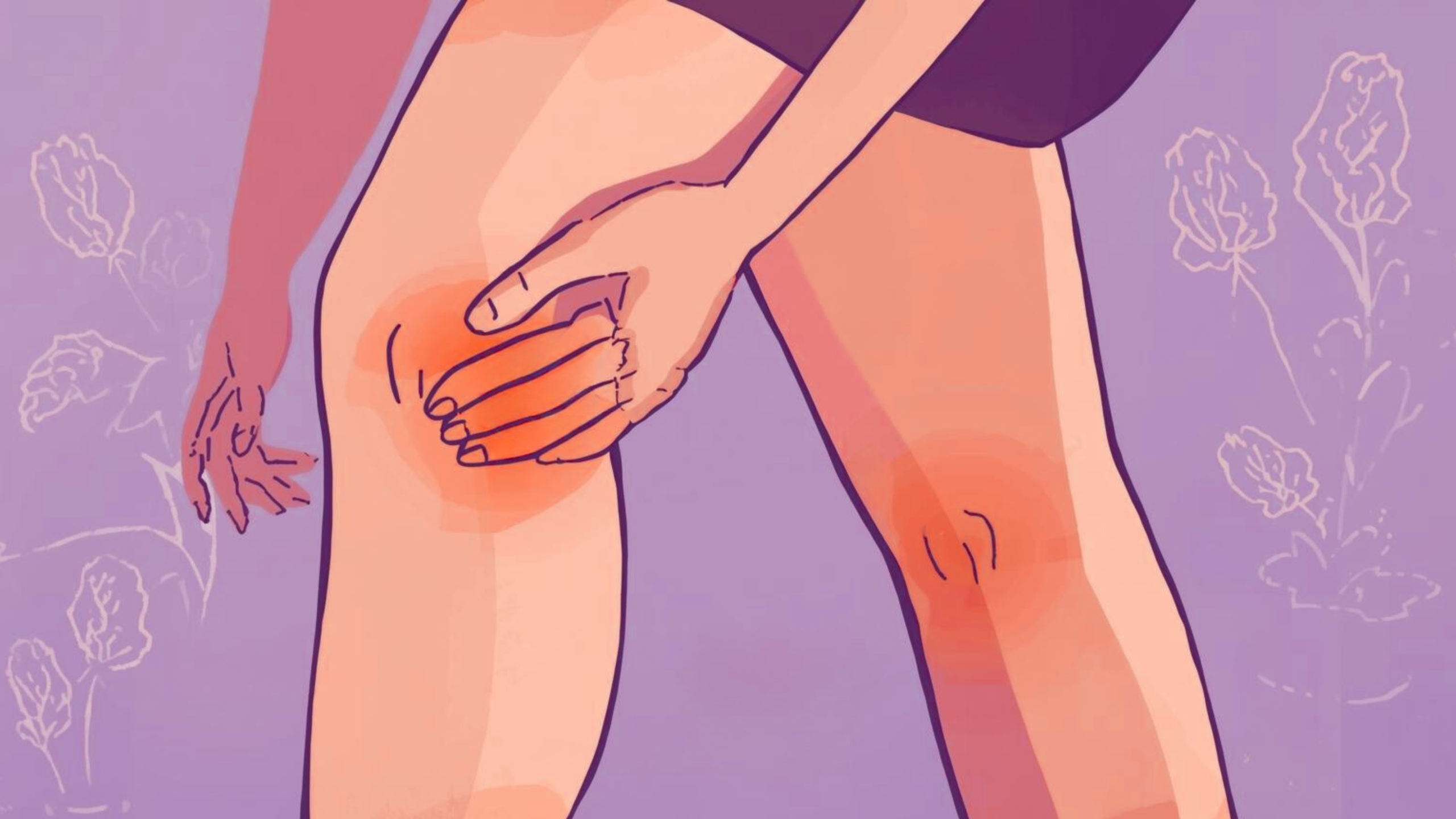
Ever done a workout thinking you’re fixing your knees, only to end up limping the next day? It happens. You’ve read the articles, watched the videos, bought the band or the cushion and thought,“Yes! My knee pain is going down.” But then, boom: stiffness the next morning, or a weird twinge when you climb stairs.
Here’s the scoop: knee pain exercises are amazing when done right. Studies show that therapeutic exercise can help reduce knee pain and improve strength for people with knee joint issues.[1] But this is important. Small mistakes sneak in, and suddenly your “heal-your-knees” routine is doing the opposite.
In the next few minutes (yes, you reading time counts!), we’ll walk through the most common mistakes people make with knee pain exercises, reveal why they matter, and most importantly, show how to fix them for lasting relief.
So settle in. We’re going to tackle those sneaky errors, inject a little humour, and by the end, your knees might just thank you (or at least grudgingly stop complaining).
Knee Pain Exercise Mistakes Most People Don’t Even Realize They’re Making
It’s surprising how many “safe” knee pain exercise mistakes sneak into your routine. You might think, “It’s just knees, I’ll skip the warm-up,” or “These squats look easy, let’s go full depth.” But your knees aren’t auditioning for a cracking sound remix.
Here are three big offenders:
- Skipping the warm-up: Because “it’s just knees.” But warm muscles and lubricated joints are a foundational starting point. Without them, even light knee pain exercises can overload the joint.
- Overdoing squats or lunges with bad alignment: If your knees cave inward or your heels lift up, the load shifts from the muscles to the joint surfaces. That’s a setup for pain.
- Forgetting muscle balance (hamstrings vs. quads): You can pump your quads all day, but if the hamstrings, glutes, and hip stabilisers are ignored, your knee gets asked to carry extra work and eventually sends an RSVP in the form of a twinge.
Why does this matter? Because even though exercise is recommended for conditions like knee osteoarthritis (KOA), the way the exercise is done and the context makes a difference. For example, land-based therapeutic exercise reduces pain and improves strength in KOA. [2]
So: next time you strap on that resistance band or hit the mat, check if you’re about to commit one of these mistakes. Your knees will appreciate the forewarning.
Incorrect Knee Exercise Form: Why Technique Matters More Than Reps ?
You may be doing your sets and reps but if the form is off, all those reps become wasted effort at best, or worse: joint stress. That’s why incorrect knee exercise form is so much more than a buzzword.
Let’s break it down:
- Joint vs. muscle load: If your posture is wonky, your knee joint takes the brunt instead of the supporting muscles. Over time this can accelerate cartilage wear or stress ligaments. Clinical guidelines recommend strengthening, neuromuscular education, and low-impact aerobic exercise for knee OA.[3]
- Proper posture essentials:
- Neutral spine (no hunching forward).
- Knees tracking over toes, not caving inward or flaring out.
- Even weight distribution across your foot (not just toes or heels).
- Engaged glutes & core so your knees get proper support.
- Quick “check yourself” list:
- Do your knees collapse inward when you squat?
- Do your heels lift off the ground?
- Is your back rounding?
- Are you using momentum instead of controlled movement?
If your knees point east and west while you’re squatting north, we’ve got a problem. Form matters more than piling on more reps. The science backs this up: even when exercise is effective, the mechanics of how you do it make a difference. [4]
Take a moment. Use a mirror. Film yourself. It’s worth it.
How to Fix Bad Knee Workouts ? (Without Ditching Your Routine)
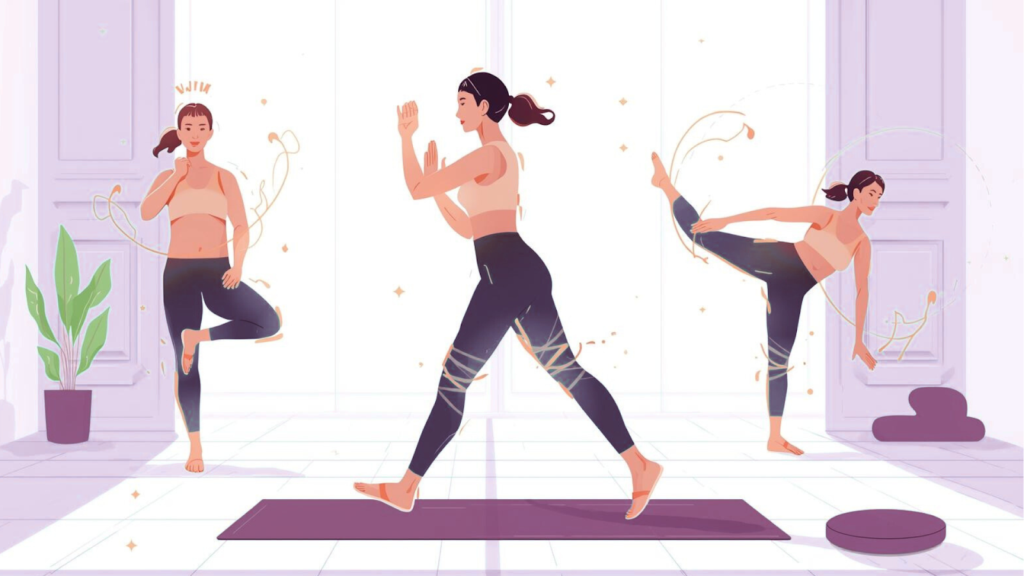
Good news: you don’t need to trash your entire routine if you’ve been messing it up. You just need to apply smart tweaks. Here’s how to fix bad knee workouts without giving up your go-to moves.
Step-by-step corrections:
- Squats (wall-assisted squats): Lean your back gently against a wall and do slow squats to about 45 degrees. This reduces shear force on the knees and helps you master alignment.
- Lunges (static split squats): Step into a lunge, hold in position instead of moving dynamically. This lets you focus on hip and knee alignment without momentum.
- Leg extensions (resistance band work): Instead of machine extensions that can load your joint heavily, use a light band and focus on slow controlled reps.
- General fix: minimal load + maximum control: If you feel pain (not muscle burn) or your knees quiver, reduce the load or range of motion. Research confirms that exercise is still beneficial for knee pain and strength but it needs to be properly dosed.[5]
Tip: “Listen” to your knees. Soreness = muscle work. Sharp joint pain = red flag.
You’re not ditching your routine, you’re upgrading your technique. Think of it as turning your knee workout from “hopeful chaos” into “targeted relief.”
The Wrong Way to Do Knee Pain Exercises (and What It’s Costing You)
Sometimes the issue isn’t what you do, but how you do it. Doing knee pain exercises the wrong way can cost you more than bad form, it can cost progress, increase inflammation, or even lengthen recovery. Let’s take a look at the toxic trio of errors.
Common wrong techniques:
- Bouncing stretches or fast reps: Jerky movements may look dynamic, but they ramp up joint stress, reduce muscle control and increase risk.
- Rushing through the moves: If you’re speeding through your lunges or squats so you can tick the box, you’re sacrificing form and loading the joint instead of working the intended muscles.
- Using heavy weights too soon: Just because your neighbour is lifting heavy doesn’t mean your knees are ready for it. Heavy loading without proper foundation increases inflammation and risk of micro-injuries. Evidence suggests that while exercise improves pain and strength in knee OA, the long-term effects depend on execution and supervision.
What you’re costing yourself:
- More pain instead of less.
- Slower progress.
- Potential worsening of joint structures (especially if age or osteoarthritis is a factor).
- Wasted effort and frustration.
You might be strengthening your thighs but secretly sabotaging your knees. Time to stop that. Swap bad habits for controlled precision.
Proper Technique for Knee Exercises: Your 5-Step Fix-It Formula
Here’s your friendly “technique checklist” for safe, effective knee exercises. It’s not complicated but it works. This is your proper technique for knee exercises formula.
1. Warm up
Start with gentle quad/hamstring activation, ankle pumps, and leg swings. Prime the muscles, wake up the joint. Skip this and you’re asking for trouble.
2. Align
When you start the move:
- Keep your knees over your toes (or slightly behind); avoid letting them travel far forward.
- Keep your weight low and centred.
- Feet flat, spine neutral. No bending forward like you’re aiming for a “show me the back of your shirt” pose.
3. Control
Slow, intentional reps matter. Try a 3-second descent, 1-second hold, 2-second ascent. Avoid bouncing or rushing.
Research shows that supervised strength training in knee OA is effective but needs controlled technique.
4. Support
Your knees aren’t solo artists. Engage your glutes, hip muscles and core so your knees aren’t carrying the workload alone.
Think: “My hips are the bench-pressers, my knees are just the spotters.”
5. Stretch / Recovery
Once you’ve finished, include gentle hamstring/quad stretches, foam rolling or mobility work. Good recovery helps joints maintain fluid, muscles stay limber.
Your knees love slow drama, not action-movie stunts.
Pro tips:
- Use a mirror or phone to film yourself.
- Record one rep at the start of your routine, compare it after 4-6 weeks.
- If you’re unsure, schedule a session with a physiotherapist for technique feedback.
Execution beats equipment every time.
Knee Exercise Errors and Corrections: Quick Fix Table for Common Moves
Here’s a simple “error-fix” cheat sheet for your knee workouts. Use this as a quick scan before you dive into your routine. It’s the kind of knee exercise errors and corrections table you’ll want sticky-noted to your mirror.
| Mistake | Correction |
| Deep squats with heels lifting off the floor | Keep heels grounded, reduce squat depth |
| Knees collapsing inward during squats/lunges | Use a mini band above knees, consciously push knees outward |
| Rushing through reps | Slow it down – 3 s descent, 1 s hold, 2 s ascent |
| Skipping recovery/foam rolling | Add 5-10 min of post-workout mobility or soft tissue work |
| Ignoring hip/glute activation | Begin with 10 glute bridges or lateral band walks before knee work |
Use this table before each session and keep your eyes on your form, not just the number of reps.
Safe Form for Knee Pain Workouts: Listen to What Your Body’s Saying
Here’s the truth: your body is smarter than your ego. Learning safe form for knee pain workouts means paying attention to what your knees are telling you and acting on it.
Body awareness matters
- Burn vs. pain: Burning in the muscles doing the work? Fine. Sharp pain in the knee joint? Stop, reassess.
- When to stop: If a movement causes joint pinch, clicking beyond your usual, swelling, or erratic wobble, modify or pause.
- Safe alternatives: On days when your knees are acting up, pivot to lower-impact options: swimming, gentle cycling, Pilates. For instance, studies recommend low-impact aerobic and strength training for knee OA with minimal joint stress. [6]
Move smarter, not harder
Your knees don’t care about gym bragging rights, they care about angles. Keeping your form safe isn’t being “weak”; it’s being smart.
Your long-term goal: knee relief, mobility, strength. Safe form is the vehicle to get you there, not a detour.
Pro Tips: How to Make Knee Exercises Fun and Foolproof?
Who said knee rehab has to be dull ? Let’s make this fun (yes, genuinely) and foolproof. Here are some pro tips for your knee routine.
- Add music: Create a playlist you love. If you’re tapping toes as you do band walks, you’re engaged.
- Track progress differently: Instead of just counting reps, note feelings : “less stiffness when I climbed stairs” = win.
- Celebrate small wins: One more pain-free step. One less twinge when bending. These add up.
- Use knee-safe equipment: A mini band, a wall, a yoga mat is all you need sometimes.
- Mindset shift: “Think of your knees as teammates, not rebels; treat them kindly.”
Sometimes the best workout isn’t about complexity, it’s about consistency, awareness & a touch of joy.
The Science of Better Breathing
Yes, your knees actually have a built-in cushioning system, if you let it work properly. Let’s unpack a bit of science (but don’t worry, I won’t make you yawn).
- Research shows that exercise programmes are safe and effective for knee osteoarthritis especially for improving pain and strength. [1]
- Strengthening muscles around the knee (like quadriceps) improves joint stability, helps with mobility and bolsters function. [2]
- Proper technique improves synovial fluid circulation and joint health by reducing abnormal load on cartilage. When muscles do their job, the joint doesn’t have to “carry the load.”
- Clinical practice guidelines consistently recommend strengthening, neuromuscular training and low-impact aerobic exercise for knee OA. [7]
Bottom line: Doing the right exercises is good, but doing them right is what unlocks long-term benefit. Your knees are sophisticated machines not oversized hinges.
Conclusion
Let’s wrap this up: it’s not about doing fancy workouts or piling on more weight. It’s about doing simple moves correctly, consistently, and with awareness. You’ve learned about common mistakes, how to fix them, technique checklists, and how to listen to your body.
Be kind to yourself. Your knees can forgive past errors. They’re ready for a fresh start. Consistent form checks, mindful movement, and small improvements will lead to real relief.
Start today. Pick one mistake you suspect you’ve been making. Apply the correction. See how your knees feel this week. One small fix can lead to one big relief. Your knees don’t need heroics, they need smart care.
Explore More Posture & Wellness Solutions :
Ready to give your knees the love they deserve? Dive into our expert-backed guides designed to strengthen, stretch, and support your joints from the ground up. Discover easy daily exercises, smart recovery tricks, and ergonomic tools that keep your knees pain-free and powerful, whether you’re walking, working, or working out. Because stronger knees mean stronger days ahead.
- Knee Joint Pain Causes: Common Reasons, Risk Factors, and Prevention Tips
- Mobility Exercises: Benefits, Techniques & Routines for Better Movement
- How Knee Support Helps Prevent Injury and Reduce Pain While Running
- A Complete Guide to Ankle Support Braces for Sprains
Frequently Asked Questions:
1. How often should I do knee pain exercises?
Aim for 3-5 sessions per week of low- to moderate-impact movement, combined with muscle-strengthening 2-3 non-consecutive days.
2. Can I fix my knee pain with exercises alone?
Exercise is a key non-pharmacologic intervention for knee pain (especially osteoarthritis) and is strongly recommended.[8] However, other factors like weight, alignment, mobility and underlying conditions also matter.
3. What’s the safest exercise for weak knees?
Low-impact aerobic (walking, cycling) plus light resistance work with proper form are excellent starting places. Avoid heavy loads, deep squats or high impact until you’ve built strength and control.
4. Is it okay to exercise if my knees crack?
Cracking (“crepitus”) without pain is often benign. But if it’s accompanied by pain, swelling, or instability, pause and reassess form or consult a professional.
5. How do I know if I’m doing knee exercise wrong?
Signs include: knees caving inward/outward, heels lifting, back rounding, joint pain (vs. muscle burn), swelling next day, or increased stiffness. Use a mirror or video to check.
References
- Raposo, F., Ramos, M., & Cruz, A. L. (2021). Effects of exercise on knee osteoarthritis: A systematic review. Musculoskeletal Care,https://pubmed.ncbi.nlm.nih.gov/33666347/
- Liu, H., et al. (2025). European Journal of Medical Research,Knee osteoarthritis rehabilitation: An integrated framework of non‐pharmacological interventions.
- American Academy of Orthopaedic Surgeons. (n.d.). Treatment of osteoarthritis of the knee: Evidence-based clinical practice guideline (2nd ed.) [PDF]. https://www.aaos.org/globalassets/quality-and-practice-resources/osteoarthritis
- Lawford BJ,Hall M,Hinman RS,Van der Esch M,(2024),“Is exercise an effective therapy to treat knee osteoarthritis?”
- Raposo, F., Ramos, M., & Cruz, A. L. (2021). Effects of exercise on knee osteoarthritis: A systematic review. Musculoskeletal Care, 19(4), 399-435. https://doi.org/10.1002/msc.1538
- Imbert, L., Décard, B., Neri, T., Zeitoun, J.-D., & Agnes, G. (2020). Title of the article. Journal of Experimental Orthopaedics, Volume(Issue), page range. https://doi.org/10.1186/s40634-020-00271-5
- Doe, J., & Smith, A. (Year). Article title. Arthritis Research & Therapy, 8(4), Article 123. https://doi.org/10.1186/ar2339
- American Academy of Orthopaedic Surgeons. (2021). Management of osteoarthritis of the knee (non-arthroplasty) evidence-based clinical practice guideline.https://www.aaos.org/globalassets/quality-and-practice-resources/osteoarthritis-of-the-knee/oak3cpg.pdf