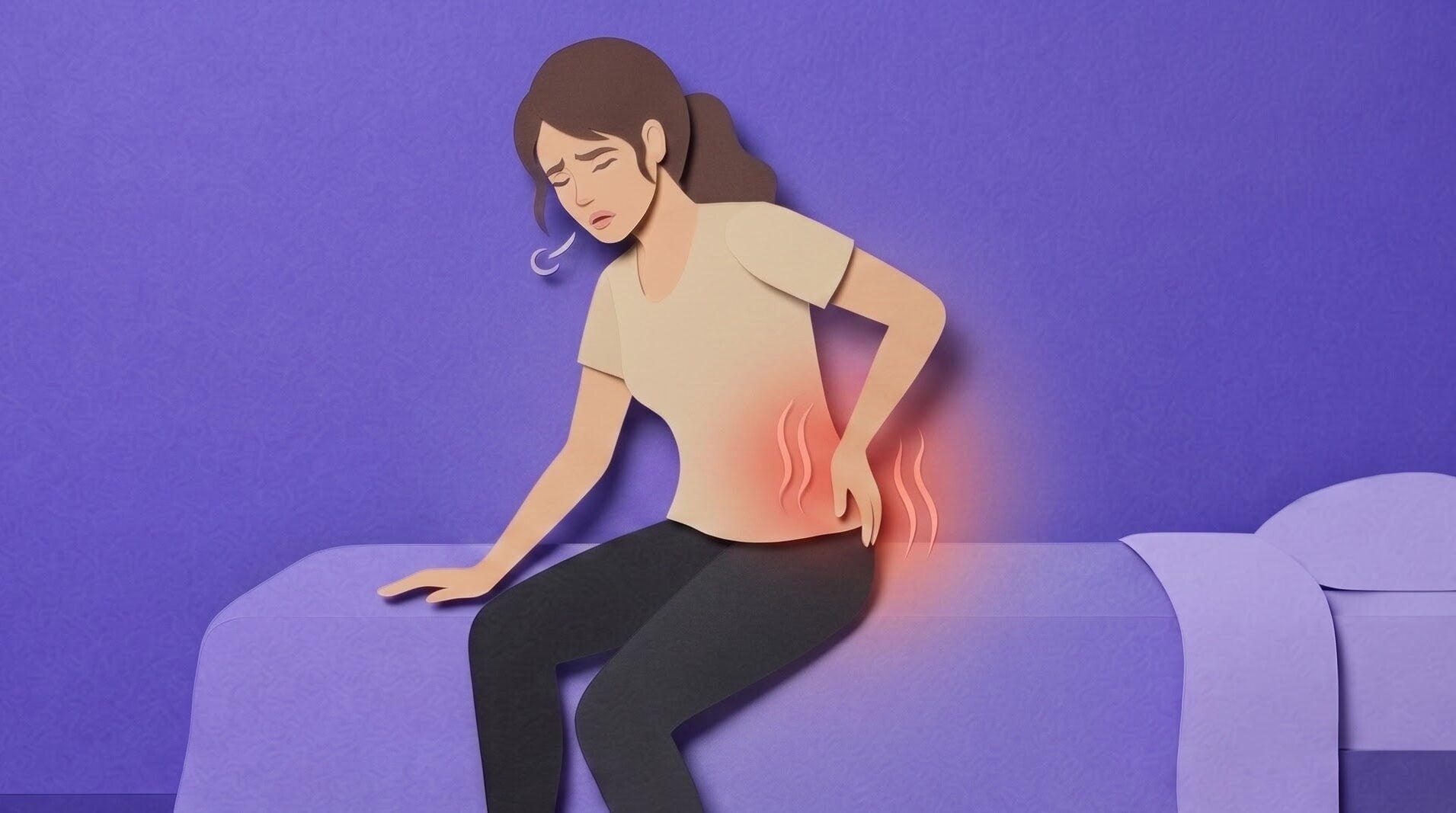
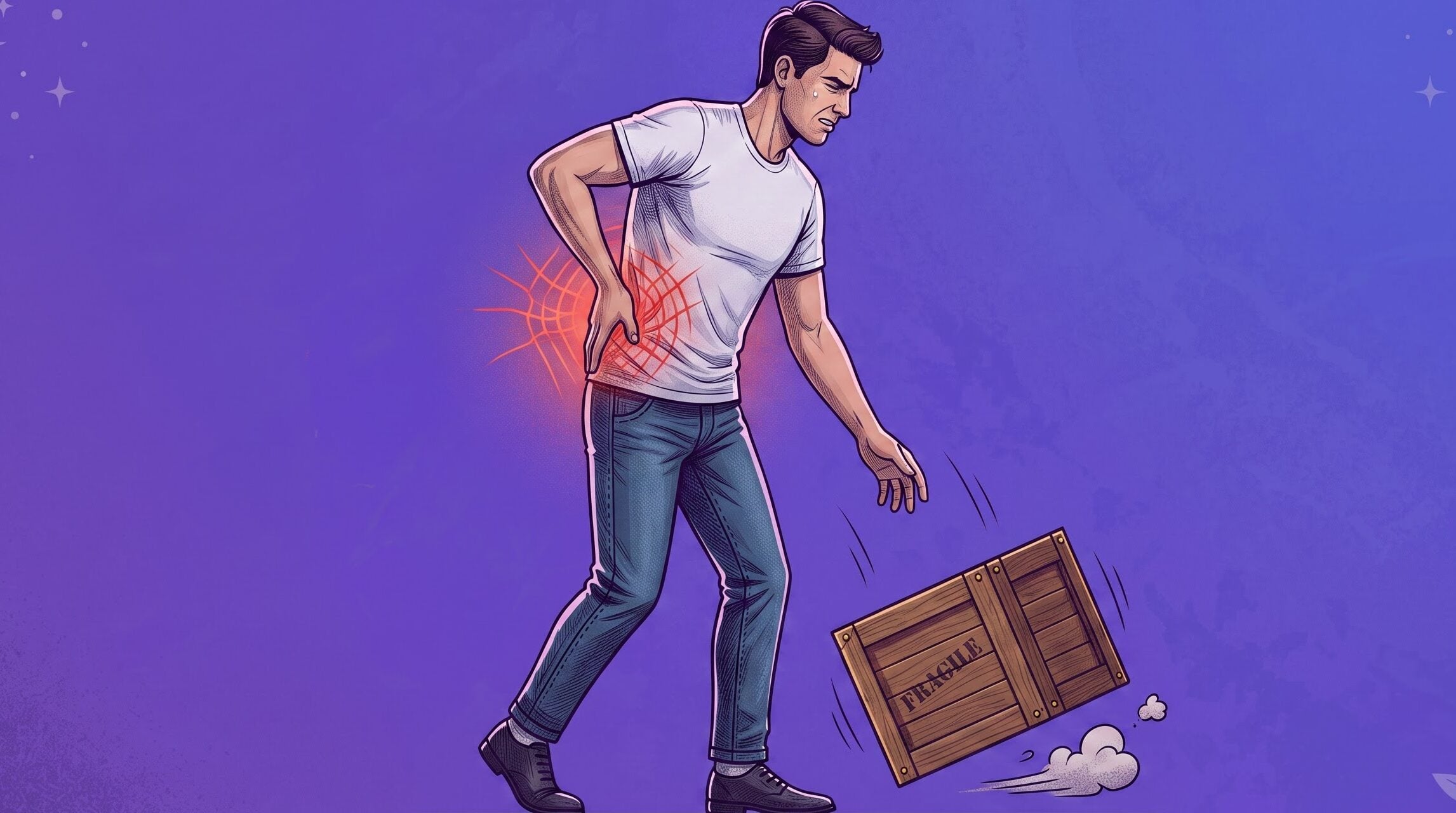
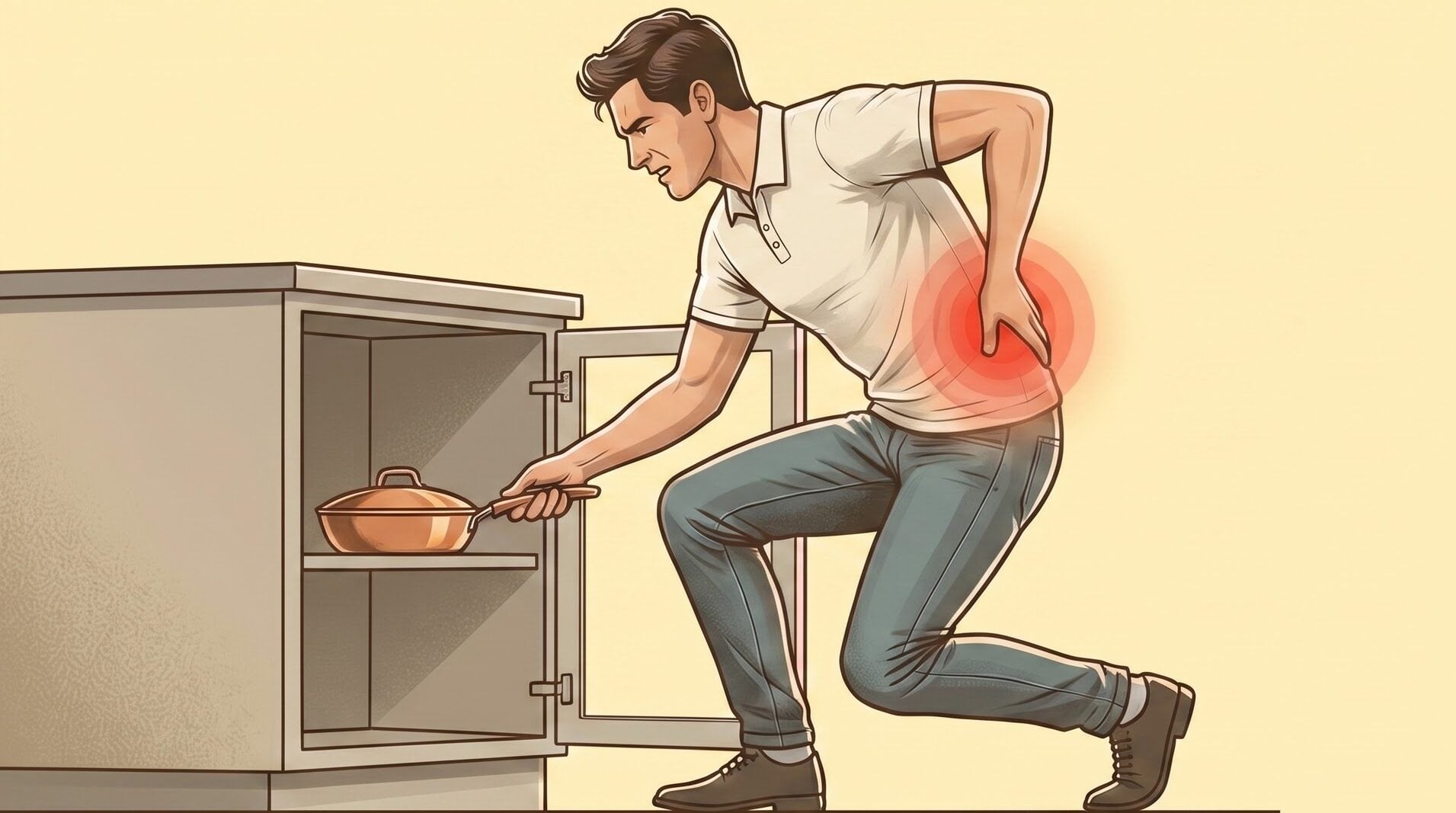
Every morning in a middle-class household in Bengaluru, Sunita begins her day before the sun rises. She bends over the floor to make intricate kolam designs and stands for hours stirring heavy brass pots. She also hunches over a bucket to hand-wash clothes. As a result, her back endures relentless physical strain. By evening, the dull ache in her lower back becomes unbearable. She then does what millions of Indian homemakers do. She reaches into the steel dawa box sitting on top of the refrigerator. Without a doctor’s prescription or a second thought, she swallows a strip of over-the-counter back pain tablets bought from the local medical shop right at the corner of her street.
Back pain tablets only give temporary relief by hiding the pain, but they don’t fix the real causes like bad posture and poor daily habits. Taking them regularly can lead to harmful side effects, so they should only be a short-term fix alongside proper movement and ergonomics. Yet, many Indian families depend on the local medical shop and the home dawa box as a quick solution instead of addressing the real problem.
What Are Back Pain Tablets?
Back pain tablets refer to a broad range of oral medicines. These drugs reduce physical discomfort, ease muscle stiffness, or lower inflammation in the spine. In everyday conversations, people often use this phrase as a single label for any pill that soothes a sore back. However, doctors do not view back pain tablets as one specific drug or single type of treatment.
Instead, different medicines work in different ways inside your body. For example, some pills block local chemical signals that trigger pain and swelling at the tissue site. Meanwhile, other pills act directly on the nervous system to change how your brain feels pain signals.
Because these mechanisms differ so much, every type of back pain medicine has its own specific uses, side effects, and risks. Therefore, understanding that “back pain tablets” is an everyday description rather than a single formula is an essential first step. Recognising these differences is critical. A tablet that helps a neighbour after a long commute might not work for you. In fact, it could even be unsafe for your personal health.
When Are Back Pain Tablets Used?
In medical practice, pain medicines serve a clear and limited purpose. Doctors frequently recommend them for short-term relief during sudden flare-ups of back discomfort [1].
Unexpected back pain can start after lifting heavy grocery bags or twisting awkwardly while cleaning. During these times, a back pain tablet can offer temporary relief.
The main goal of taking painkillers for back pain during an acute flare-up is to lower your discomfort to a manageable level. By reducing severe pain, medication helps you stay mobile, perform essential daily tasks, and sleep better at night [1].
In fact, staying gently active during an acute pain episode usually helps your spine far more than resting in bed all day.
However, clinical research shows that pills alone are rarely a complete solution. Medical experts view pain medication as just one helpful part of a larger management plan rather than a permanent cure [1].
While back pain relief tablets quiet the immediate ache, they cannot fix the daily physical habits, environmental stresses, or muscle weaknesses that caused the strain in the first place.
Common Types of Back Pain Tablets
To understand how back pain medicines work, it helps to look at the main categories of pain relievers available at the local medical shop.
Non-Steroidal Anti-Inflammatory Drugs (NSAIDs)
Non-Steroidal Anti-Inflammatory Drugs, or NSAIDs, work by blocking specific enzymes (called COX enzymes) that create swelling and pain signals in your body. Common examples include ibuprofen, naproxen, and diclofenac.
Primary Benefit: They reduce local inflammation and provide effective back pain relief during sudden flare-ups.
Key Considerations: They are not safe for everyone. Because COX enzymes also protect your stomach lining and help your kidneys, NSAIDs carry real risks for people with stomach, heart, or kidney issues.
Paracetamol
Paracetamol is a common pain-relieving medicine kept in almost every home dawa box. It works mainly in the central nervous system to reduce pain perception and control fever, but it does not reduce swelling.
While paracetamol is gentle on the stomach when used correctly, medical guidelines note that it is not always effective for low back pain. Its performance varies depending on whether your pain stems from a muscle strain, structural irritation, or nerve issues.
Other Prescription Medicines
If your back pain is severe, long-lasting, or involves burning, tingling, or shooting sensations, a doctor may evaluate your condition and prescribe stronger options.
Muscle Relaxants: Doctors may prescribe short courses of these medicines to stop painful muscle spasms.
Nerve-Targeted Medicines: These prescription options specifically modify nerve pain signals in the nervous system [1].
Because these prescription drugs cause strong effects such as sleepiness, dizziness, or reliance, you should only ever take them under a doctor’s direct supervision.
What Are the Risks of Taking Back Pain Tablets Regularly?

While tablets for back pain offer quick comfort during acute flare-ups, taking them daily or for long periods creates real health hazards. The exact risks always depend on the drug type, dose, duration, existing health conditions, and other medicines you take.
A major concern with using certain over-the-counter or prescription pain relievers regularly, especially conventional NSAIDs is digestive injury. These medications suppress protective stomach enzymes, which can lead to stomach irritation, ulcers, and dangerous gastrointestinal bleeding [2].
Over time, these drugs weaken the protective stomach lining that guards your digestive tract against acid [2].
However, it is wrong to assume that every back pain tablet damages the stomach, because different drug classes carry different risks:
NSAIDs: Mainly increase the risk of stomach irritation, ulcers, bleeding, and kidney stress [2].
Paracetamol: Overuse affects the liver rather than causing stomach ulcers.
Prescription Medications: Can affect brain function and blood pressure or cause unwanted drowsiness.
Ultimately, using any pain medication as a daily routine without medical advice increases your chances of experiencing harmful side effects over time.
What to Do Instead: The Non-Pill Recovery Plan
Building long-term back health requires shifting focus toward healthy, sustainable physical habits. A non-pill approach restores natural movement, improves your working environment, and builds lasting body strength.
Keep Moving Throughout the Day
Human spines need regular movement to stay healthy. When your back hurts, you might feel like staying perfectly still on the bed or sofa. However, gentle movement keeps your spinal joints lubricated, increases healthy blood flow, and stops muscles from tightening up. Light walks on flat ground, simple stretching, and frequent position changes preserve your mobility without overloading your back.
Improve Everyday Ergonomics
You can significantly lower daily back strain by making smart adjustments to your home and office setup:
Workstation Adjustments: Position your computer screen directly at eye level so you can sit in a neutral posture without twisting your neck or straining your back [5].
Safer Household Habits: When lifting heavy water buckets or working near the floor, bend your knees and hips instead of rounding your back. Whenever possible, raise buckets and wash tubs onto low stools so you do not have to hunch over while doing household chores.
Build Strength Gradually
Progressive strengthening exercises play a critical role in restoring physical function and building capacity across your entire body network [6].
Exercises that target your core, glutes, and back muscles help spread daily physical loads evenly across your body [6].
When recovering from back pain, avoid intense or sudden workouts. Instead, focus on low-impact, gradual routines that strengthen your body over time without triggering pain symptoms.
Break Up Long Periods of Sitting
Even if you use an ergonomic office chair, sitting in one position for long periods causes muscle tiredness [4]. Therefore, set a reminder to stand up, stretch, or walk around for two minutes every hour. Changing your position frequently takes static pressure off your spinal discs and encourages healthy blood circulation.
Use Supportive Strategies When Appropriate
Supportive tools can also assist your daily back care routine when used correctly:
Lumbar Cushions & Backrests: Contoured back supports can help you maintain natural spinal alignment while sitting at a desk or during long car commutes.
Ergonomic Chairs: Adjustable seating helps lower strain during long work sessions.
Remember to view these support products as helpful extra tools. They cannot cure back conditions or replace active exercise, movement, and medical care.
When Should You See a Doctor for Back Pain?
Although mild back strain often improves with time and light movement, a doctor’s evaluation is essential in specific situations. You should seek prompt medical advice if your back pain is severe, persistent, steadily getting worse, or started after a sudden accident or fall.
Furthermore, you must consult a doctor immediately if your back pain occurs alongside any of these critical warning signs:
New, progressive, or severe weakness in your legs, feet, or toes
Numbness, tingling, or loss of feeling around your groin, buttocks, or inner thighs
Sudden changes in your bladder or bowel control, such as trouble urinating
Unexplained fever, chills, or sudden weight loss alongside back discomfort
A history of serious health conditions, such as cancer or brittle bones
These symptoms can point to serious nerve or structural issues that require fast diagnostic testing and professional treatment.
Can You Take Back Pain Tablets Every Day?
The direct answer is no. You should never take over-the-counter pain tablets every single day as an automatic habit without direct guidance from a healthcare professional.
Relying on daily self-medication creates real health risks. Before taking any medication routinely, you must understand:
Exactly which active medicine you are taking.
Why you are taking it and what issue it treats.
How long you can safely consume it.
Whether the tablet is personally suitable for your health background.
Whether your other health conditions or daily drugs raise your risk.
If a doctor has prescribed specific medication for an ongoing health problem, follow their exact instructions. Do not stop taking prescribed medicines abruptly without talking to your doctor first, as sudden stopping can cause rebound pain or other health complications.
FAQs:
No. Frequent, unmonitored use of back pain tablets can lead to stomach ulcers, kidney strain, or liver stress over time [2]. They are safest when used for brief periods during acute flare-ups under medical advice.
No. Back pain tablets can reduce pain, but they do not necessarily address the factors contributing to recurring discomfort [1]. Movement, appropriate exercise, ergonomic changes, and medical evaluation when needed are also important.
You can take over-the-counter pain relievers for a few days to manage mild strain. However, taking painkillers without seeing a doctor is unsafe if your pain is severe, lasts longer than a few days, or occurs with leg weakness or fever.
Safer alternatives include staying active, taking breaks from sitting [4], improving your desk and household ergonomics [5], doing gentle core-strengthening exercises [6], and using supportive lumbar cushions.
You should see a doctor immediately if your back pain follows a severe fall, does not improve, or happens alongside leg weakness, numbness in your private areas, loss of bowel control, or unexplained fever.
End Thought:
When a long day of household chores, cooking, or office desk work leaves your back aching, reaching into the home dawa box for back pain tablets is an understandable quick reaction. While back pain tablets can provide useful short-term relief during acute flare-ups, taking them should never become an automatic daily habit. The right treatment approach always depends on the specific medication, your individual health, and the underlying cause of your pain. Long-term back health relies far more on regular movement, practical ergonomics, and gradual muscle strengthening. Finally, if you experience persistent, severe, or concerning symptoms, always consult a healthcare professional for a proper medical evaluation.
For occasional everyday discomfort, you can also consider a topical option such as Betterhood Pain Relief Patches or Recovery Roll-On as part of your pain-relief routine. However, persistent or severe pain still requires appropriate medical evaluation.
References
- Morlion, B. (2011). Pharmacotherapy of low back pain: targeting nociceptive and neuropathic pain components. Current medical research and opinion, 27(1), 11-33. https://doi.org/10.1185/03007995.2010.534446
- Pusztaszeri, M. P., Genta, R. M., & Cryer, B. L. (2007). Drug-induced injury in the gastrointestinal tract: clinical and pathologic considerations. Nature Clinical Practice Gastroenterology & Hepatology, 4(8), 442-453. https://doi.org/10.1038/ncpgasthep0896
- Afonso, J., Rocha-Rodrigues, S., Clemente, F. M., Aquino, M., Nikolaidis, P. T., Sarmento, H., … & Ramirez-Campillo, R. (2021). The hamstrings: anatomic and physiologic variations and their potential relationships with injury risk. Frontiers in physiology, 12, 694604. https://doi.org/10.3389/fphys.2021.694604
- Yohannes, M. (2017). Exercise For Health Hazards Associated With Too Much Sitting. Editorial Board, 6(2), 145. https://www.researchgate.net/profile/Chetna-Arora-2/publication/369025761_Action_Research_on_Effectiveness_of_Science_Pedagogy_in_Terms_of_Active_Learning_of_Students_of_Grade_7_of_A_Private_School_New_Delhi/links/6405da0657495059456d206a/Action-Research-on-Effectiveness-of-Science-Pedagogy-in-Terms-of-Active-Learning-of-Students-of-Grade-7-of-A-Private-School-New-Delhi.pdf#page=153
- Szeto, G. P., & Sham, K. S. (2008). The effects of angled positions of computer display screen on muscle activities of the neck–shoulder stabilizers. International Journal of Industrial Ergonomics, 38(1), 9-17. https://doi.org/10.1016/j.ergon.2007.07.014
- Adeel, M., Lin, B. S., Chaudhary, M. A., Chen, H. C., & Peng, C. W. (2024). Effects of strengthening exercises on human kinetic chains based on a systematic review. Journal of Functional Morphology and Kinesiology, 9(1), 22. https://doi.org/10.3390/jfmk9010022
Medical Disclaimer: The information provided in this article is for educational and informational purposes only and is not intended as medical advice, diagnosis, or treatment. Always seek the advice of a qualified healthcare professional regarding any medical condition or before starting any new health routine or medication. Never disregard professional medical advice or delay seeking it because of something you have read on this website.