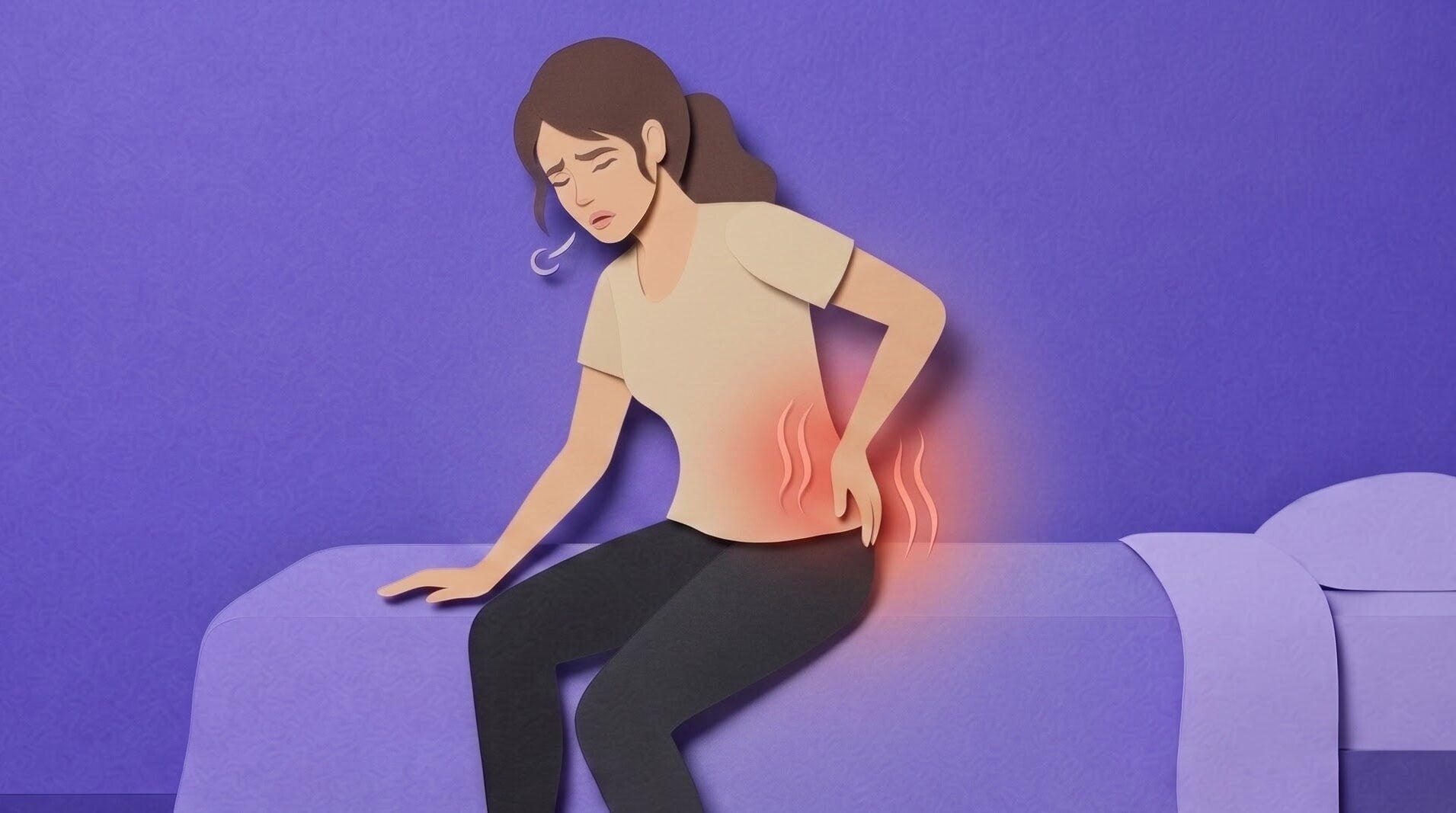
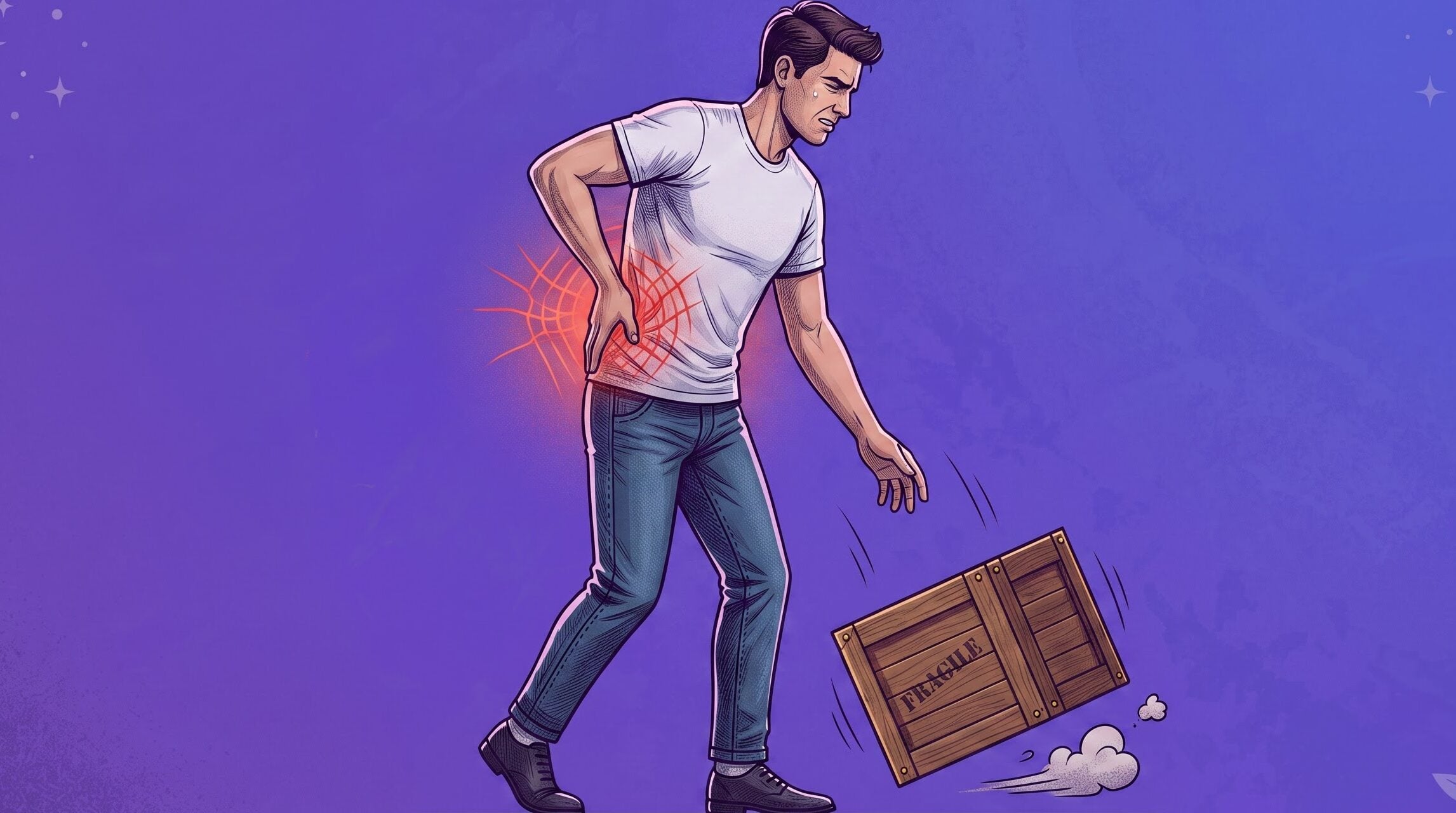
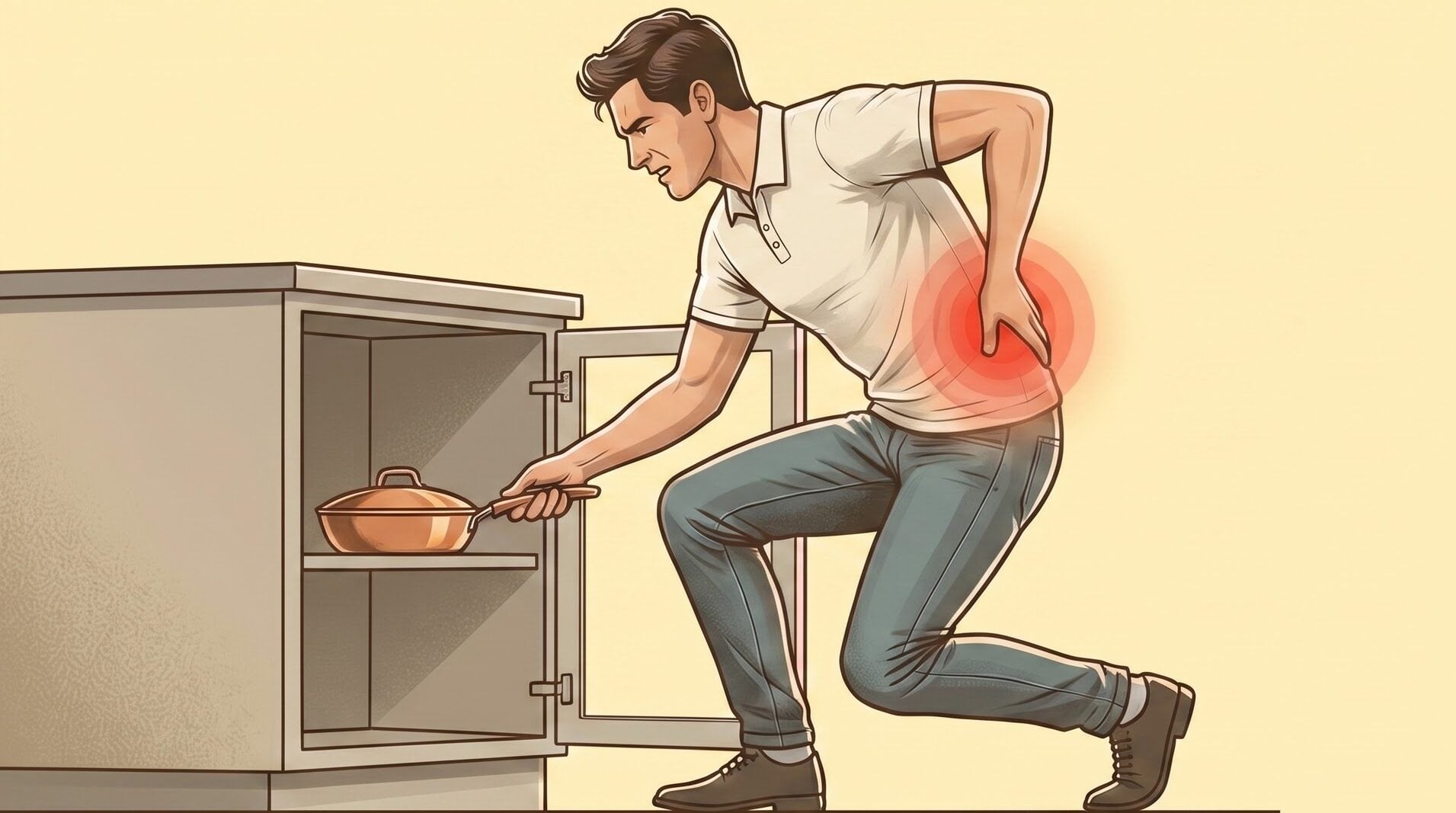
If your lower back throbs after a 45-minute commute over potholes and speed breakers, or feels tight after hours of sitting slouched on a dining chair during a WFH shift, you are not alone. Back pain affects nearly 50%-66% of adults at some point. It is a widespread problem that affects people of all ages and lifestyles. It can disrupt daily routines, reduce productivity, and negatively impact emotional well-being. Understanding the difference between acute and chronic back pain is key to managing symptoms effectively and seeking the right treatment at the right time.
Understanding whether your discomfort is acute (short-term) or chronic (long-lasting) is essential for finding the right relief and keeping your spine healthy.
What is back pain?
Back pain is a widespread condition and a leading cause of physical limitation globally. The severity of symptoms can range from a lingering, dull ache in the lower back to an acute, sharp sensation that restricts basic movement and flexibility.[1]
Do daily habits trigger back pain?
Yes, everyday habits are often the primary driver of non-specific back pain. While we tend to blame heavy lifting or sudden injuries, routine behaviors silently place continuous strain on the spine.
Spine stiffness among adults in their 20s and 30s, “desk-job back pain” has become a major national health conversation. Long hours glued to laptop screens, non-ergonomic setups on dining chairs or beds, and long commutes mean that back strain is no longer just an “old age problem.”[2]
When you sit continuously for 8 to 10 hours, your deep core muscles disengage and your lower spine rounds into a slouched posture. This static position increases pressure on your spinal discs, restricts local blood flow to back muscles, and leaves you with that sharp, stiff feeling when you finally stand up. Over time, these daily physical habits directly transform temporary muscle fatigue into persistent, recurring back pain.
Did you know?
Myth: Back pain always means you have a severe structural condition, like a slipped disc or damaged vertebrae.
Fact: The vast majority of back pain episodes stem from temporary muscle strains, ligament fatigue, or posture-induced stiffness. Most simple back strain resolves on its own with movement and basic self-care, without needing complex treatments or surgeries.[3]
What are the common causes of back pain?
Back pain can originate from various sources, including:
- Muscle or ligament strain due to heavy lifting or sudden awkward movements
- Bulging or herniated discs that press on nerves
- Arthritis that causes inflammation in the spine
- Osteoporosis leading to weakened vertebrae and fractures
- Poor posture and sedentary lifestyle
- Injuries from accidents or falls
- Psychological factors like stress and anxiety may also worsen pain perception
What Is Acute Back Pain?
Acute back pain is characterized by a sudden onset and typically lasts less than six weeks. It is often sharp and intense but usually resolves with rest and simple treatments.
Common Triggers
Some common causes include:
- Muscle or ligament strain from lifting, twisting, or sudden movements
- Minor injuries like sprains or strains
- Overuse or repetitive motions
- Poor sleeping position or sleeping on an unsupportive mattress
- Prolonged sitting or standing without breaks
Acute back pain symptoms
Muscle Stiffness
You may experience difficulty bending, twisting, or moving comfortably due to tight or spasming muscles.
Sudden Onset of Pain
The pain typically appears quickly, often after an identifiable event such as lifting a heavy object or a fall.
Localized discomfort
The pain is generally confined to one area and does not spread to other parts of the body.
What is chronic back pain?
Chronic back pain lasts longer than 12 weeks and may persist for months or years. Unlike acute pain, it often continues beyond the time expected for normal healing.
Underlying conditions
Chronic pain is frequently linked to:
- Degenerative disc disease where spinal discs wear down over time
- Spinal stenosis, a narrowing of the spinal canal that compresses nerves
- Osteoarthritis causing joint inflammation and stiffness
- Nerve damage or neuropathy
- Previous back injuries that never fully healed
- Psychological factors such as depression or anxiety may amplify chronic pain
Chronic Back Pain Symptoms
Persistent Pain
The discomfort may be constant or intermittent but typically lasts most days and varies in intensity.
Pain That Interferes With Sleep
Pain may worsen at night or make it difficult to find a comfortable sleeping position, leading to poor rest.
Radiating Pain or Numbness
Pain may spread from the lower back down to the hips, legs, or feet (sciatica). You may also experience numbness, tingling, or weakness.
What is the differences between acute and Chronic back pain?
Understanding the timeline and root cause of your back pain is essential for choosing the right recovery strategy. By tracking how quickly your pain started and how long it has lasted, you can easily classify your symptoms. Use the simple 12-week benchmark below to identify whether you are dealing with short-term tissue irritation or a long-standing structural pattern.
Duration
Acute pain resolves within weeks, while chronic pain persists beyond three months.
Causes
Acute pain is usually linked to a specific injury or strain, whereas chronic pain often involves ongoing degenerative or nerve-related conditions.
Treatment Approach
Acute pain often improves with rest, simple pain relief, and gentle movement. Some of the treatment options are as below:
- Manual Therapy: Gentle, hands-on techniques that release muscle spasms, improve joint mobility, and help the body to relax.
- Therapeutic Exercise: Customized assisted stretching and strengthening exercises that improve flexibility, motion, and strength.
- Ultrasound or Electrical Stimulation: Effective noninvasive treatments used to decrease inflammation, relieve pain, and promote natural healing.
- Activity Modification & Education: Personalized recommendations for safe movements and activities to avoid creating additional injury or limitations and to promote healing.
Chronic pain may require a comprehensive approach including physical therapy, medications, psychological support, and sometimes surgery. Some of the treatment options are as below:
- Physical Therapy & Spinal Rehab: Customized programs to correct postural imbalances, strengthen the core, and restore spinal function.
- Postural & Movement Retraining: Professional guidance on proper posture, body mechanics and movement techniques to reduce stress on the spinal column.
- Dry Needling & Manual Therapy: Techniques used to relieve muscle tension, increase circulation, and promote relaxation.
- Management of Pain Over Time: Working collaboratively with your provider to develop a personalized pain management plan to reduce reliance on medication.
Recovery Time
Most acute back pain improves within days to weeks. Chronic back pain may require long-term management and lifestyle adjustments.
Diagnosis and When to Seek Medical Help
Healthcare providers assess back pain using:
- Physical examination to check movement, reflexes, and pain points
- Imaging tests like X-rays, MRI, or CT scans to identify structural problems
- Nerve conduction studies if nerve damage is suspected
Red flag symptoms that require immediate medical attention
Seek immediate medical attention if you experience:
- Severe trauma or injury
- Loss of bladder or bowel control (possible spinal cord compression)
- Numbness or weakness in the groin or legs
- Unexplained weight loss with back pain
- Fever or chills along with back pain (possible infection)
Treatment options for acute and chronic back pain
Medications
- Over-the-counter pain relievers such as acetaminophen or NSAIDs
- Muscle relaxants for spasms
- Prescription medications for severe pain or nerve-related pain
- Topical creams or patches
Physical Therapy
Physical therapists design personalized exercise programs to strengthen the core and back muscles, improve flexibility, and promote proper posture, which helps reduce pain and prevent recurrence.
Lifestyle Modifications
- Maintain a healthy weight to reduce strain on the back
- Practice good posture and ergonomics at work and home
- Avoid prolonged sitting or standing; take frequent breaks
- Incorporate low-impact exercises like swimming or walking
- Manage stress through relaxation techniques such as yoga or meditation
Simple Fixes for the Daily Desk Routine
You don’t need to quit your desk job or take weeks of bed rest to heal your back. Simple, practical tweaks to your workplace routine can relieve daily pressure:
- Ergonomic Back Support: Adding a contoured lumbar support cushion or ergonomic backrest to your office or WFH chair maintains the natural curve of your lower spine, stopping muscle fatigue before it turns into a spasm.
- The 45-Minute Movement Rule: Set a gentle reminder to stand up every 45 minutes. Take a 60-second walk or do a quick standing back extension to restore circulation to your spine.
- Soothing Topical Relief: Applying a cooling menthol-magnesium patch or hot-water bag to tight lower back muscles after a long shift helps relax surrounding tissue without relying on unnecessary oral painkillers.
Surgical Interventions
Surgery is usually a last resort, considered when conservative treatments fail and if there is structural damage causing nerve compression or instability.
Preventive tips for back pain
- Maintain an active lifestyle with regular exercise
- Use ergonomic chairs and supportive mattresses
- Avoid heavy lifting or learn proper lifting techniques
- Stretch regularly to maintain flexibility
- Keep a healthy diet rich in calcium and vitamin D for bone health
- Manage stress levels to prevent muscle tension
Conclusion
Whether you are navigating a sudden strain from lifting heavy luggage or dealing with lingering stiffness after long WFH hours, identifying whether your back pain is acute or chronic is the first step toward lasting relief. While short-term pain usually resets with simple daily adjustments, persistent back pain calls for a smarter, long-term mix of gentle movement, postural support, and targeted strengthening. By making small, intentional changes to how you sit, move, and recover today, you take full control of your spinal health and keep your back moving pain-free.
Disclaimer
The information provided in this article is for educational purposes only and should not replace professional medical advice, diagnosis, or treatment. Always consult a qualified physiotherapist or medical practitioner before starting any new rehabilitation routine.
Frequently Asked Questions
How long does acute back pain usually last?
Acute back pain typically lasts from a few days up to six weeks, resolving as the injury heals.
When does back pain become chronic?
Back pain is considered chronic if it persists beyond 12 weeks or continues to recur despite treatment.
What causes chronic lower back pain?
Common causes include degenerative disc disease, arthritis, spinal stenosis, nerve damage, or unresolved injuries.
Should I see a doctor for acute back pain?
Yes, if pain is severe, doesn’t improve after a week or two, or if you experience symptoms like numbness or weakness, consult a healthcare provider.
Can physical therapy help with both types of back pain?
Absolutely. Physical therapy is effective for both acute and chronic back pain by improving strength, flexibility, and posture, reducing pain, and preventing future injuries.