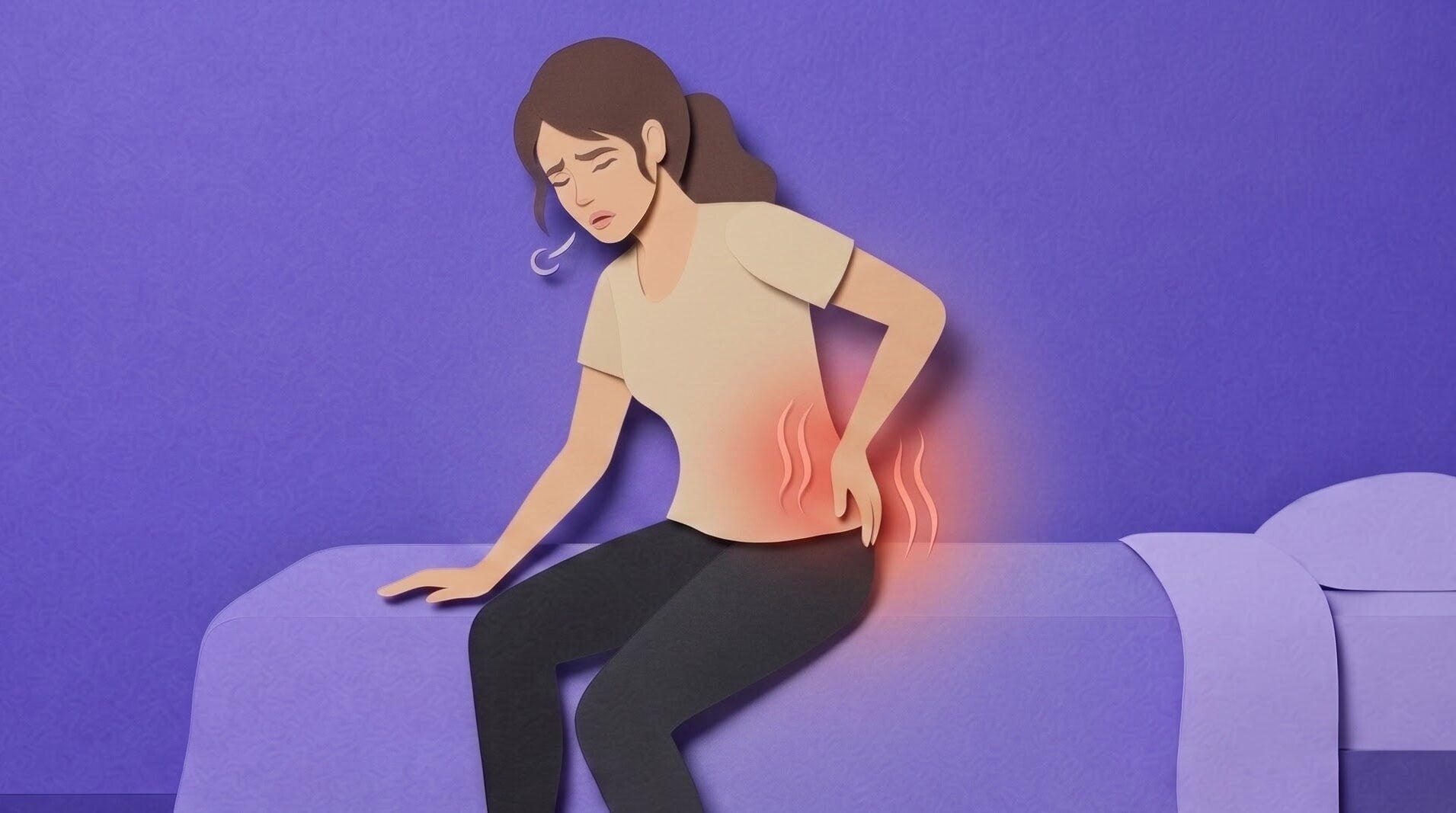
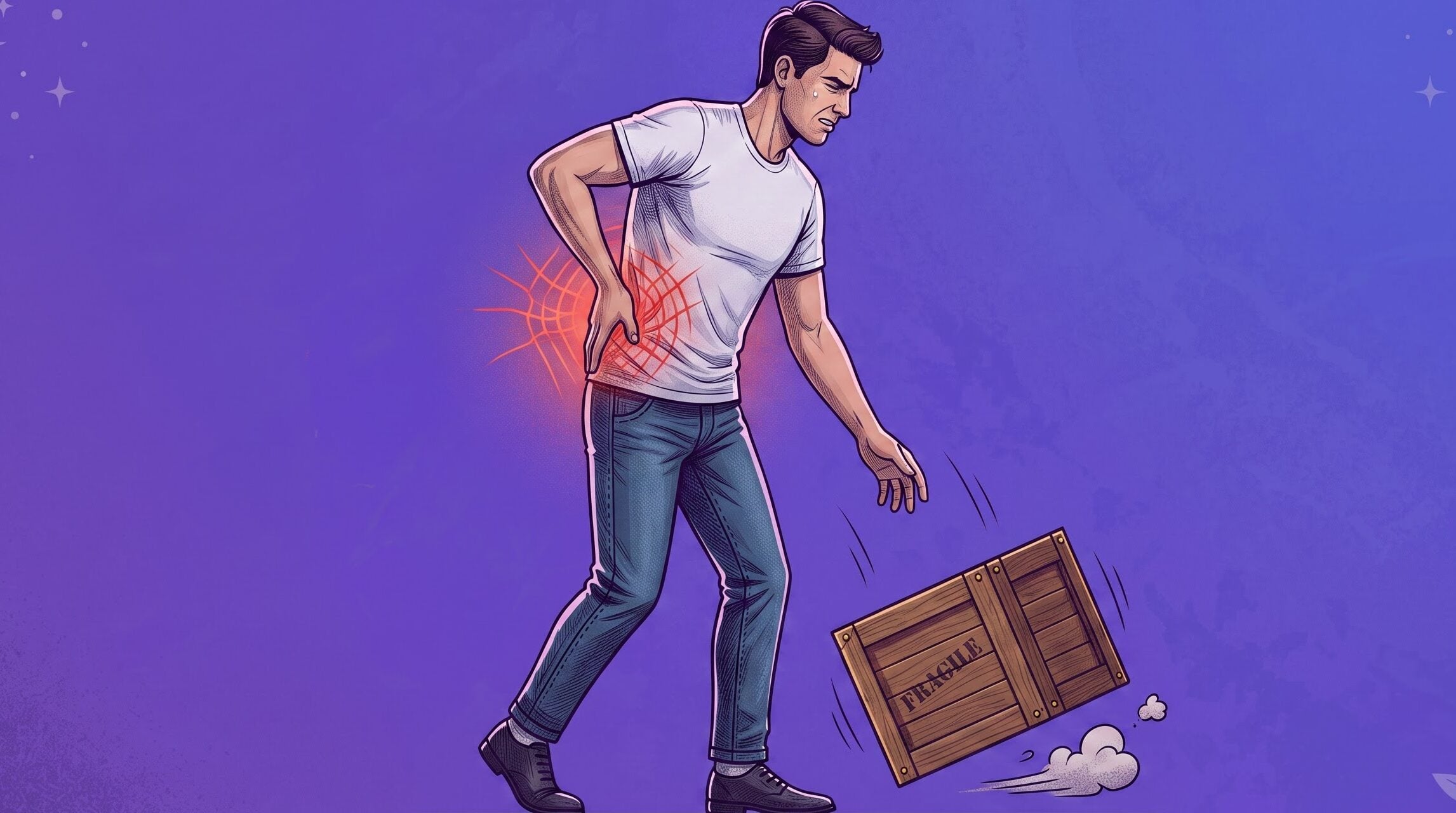
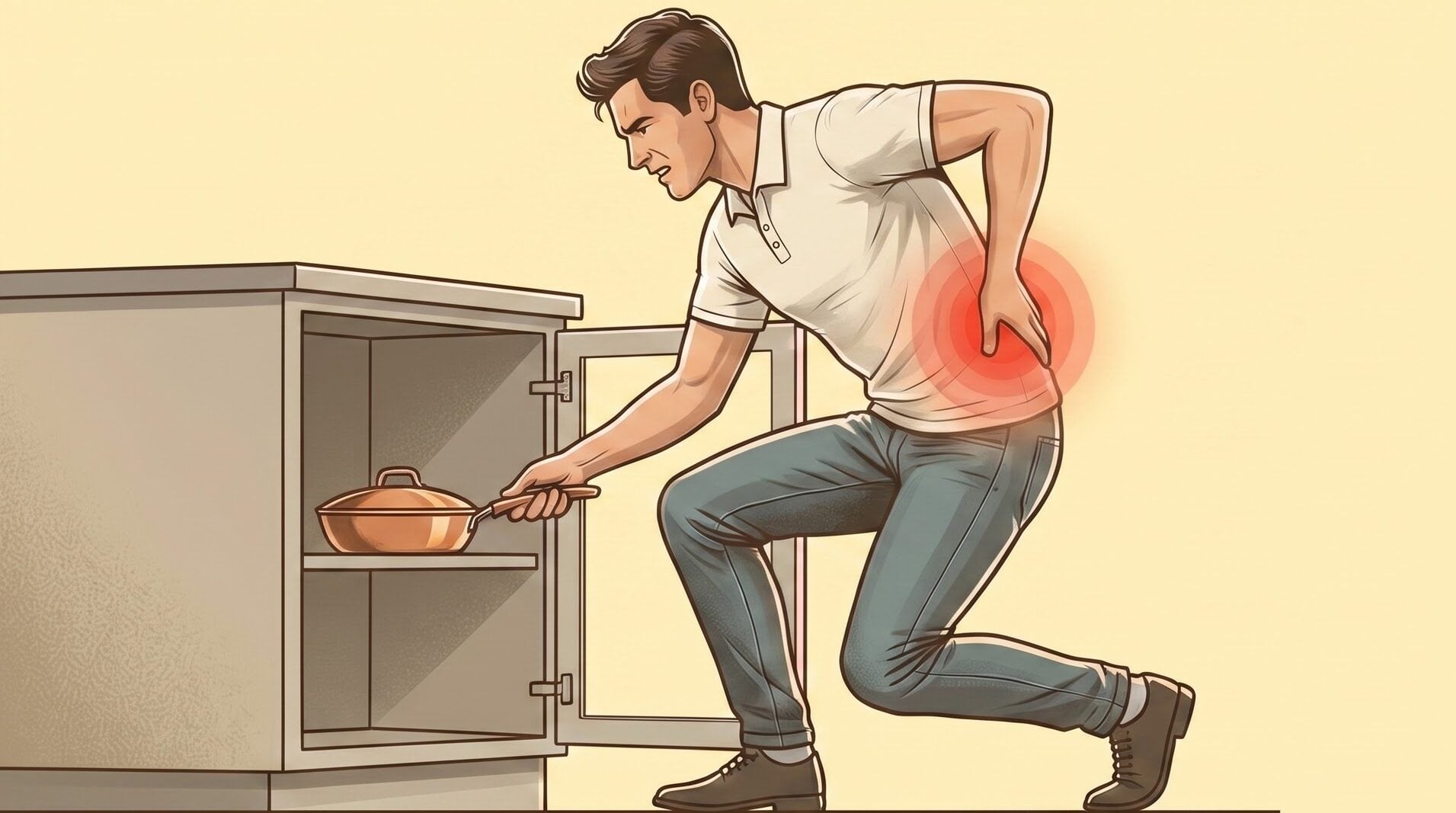
Back pain has become one of the most significant health issues of the 21st century, and a back relief belt is one of the many support options people consider for managing lower back discomfort. According to the World Health Organization, musculoskeletal conditions are the leading contributor to disability worldwide, with lower back pain ranking as the most common complaint. From office workers sitting at computers for hours to tailors working at sewing machines, commuters travelling on two-wheelers, and homemakers standing for long periods, back pain can affect people across different occupations and lifestyles.
It not only reduces quality of life but also leads to decreased productivity, financial burdens due to medical care, and long-term health complications if left unaddressed.
Given the widespread nature of back pain, it is not surprising that people are increasingly seeking effective solutions to manage it. Traditional methods include physical therapy, exercises, medications, hot and cold therapy, and ergonomic adjustments.
Yet one tool has gained significant attention in recent years: the back relief belt, also known as a lumbar support belt. This wearable device has become a trusted companion for millions of people seeking not only pain relief but also posture correction and spinal support.
What is a back relief belt?
A back relief belt is a specially designed supportive garment worn around the lower torso. Its primary purpose is to stabilise the spine, reduce pressure on the lumbar region, and provide external support to the muscles and ligaments that keep the back upright. Unlike oral medications, which address pain indirectly, or exercises that require time and consistency to show results, a back relief belt provides instant mechanical support.
Additionally, these belts are typically made from materials such as neoprene, elastic fabric, breathable mesh, or cotton blends. They may contain reinforcement panels, metal or plastic stays, and adjustable Velcro straps to allow for a customised fit. Some advanced belts incorporate heating pads, magnetic inserts, or vibration technology to enhance pain relief.
In simple terms, when you wear a back relief belt, it:
- Compresses your abdominal and back muscles, thereby sharing the load with your spine.
- Keeps your posture aligned, preventing slouching or exaggerated curvatures.
- Restricts harmful movements, such as twisting or over-bending, that may worsen pain.
- Provides a constant reminder (proprioceptive feedback) to sit and stand correctly.
How Does a Back Relief Belt Work?
In general, the effectiveness of a back relief belt lies in its ability to redistribute pressure and stabilise movement. More specifically, here’s a breakdown of how it works:
- Spinal stabilisation: By tightening around the torso, the belt supports the lumbar vertebrae, preventing excessive flexion or extension.
- Load sharing: The belt partially shifts the weight load from the spine to the abdominal region, reducing strain on spinal discs.
- Improved posture: It encourages proper alignment of the pelvis and spine, minimising postural imbalances that contribute to chronic pain.
- Muscle relaxation: By reducing unnecessary micro-movements in the lower back, muscles remain more relaxed and less fatigued.
- Thermal effect (in some belts): Heat-retaining belts improve blood flow, which may accelerate healing and relieve stiffness.
For people suffering from conditions such as herniated discs, sciatica, or arthritis, these mechanisms provide both physical relief and psychological reassurance.
Types of Back Relief Belts
Depending on the user’s needs, back relief belts come in different designs. Understanding these types helps in choosing the most effective one.
1. Lumbar Support Belts for Lower Back Pain
- Designed to support the lower spine.
- Commonly used by people with disc-related issues, arthritis, or general lumbar pain.
- Provide firm yet comfortable compression.
2. Posture Correction Belts
- Focus on aligning the shoulders and spine.
- Prevent slouching, which is a common cause of chronic pain in desk workers.
- Lightweight and less restrictive, making them ideal for daily wear.
3. Orthopaedic and Medical-Grade Belts
- Prescribed by doctors for patients recovering from surgery, fractures, or severe spinal deformities.
- Offer rigid or semi-rigid support.
- Often include medical-grade certifications or doctor approvals.
4. Adjustable and Fitness-Focused Belts
- Popular among weightlifters and gym enthusiasts.
- Provide extra abdominal pressure during heavy lifting to prevent spinal injuries.
- Usually wider, with padded reinforcement for comfort.
5. Heat and Magnetic Therapy Belts
- Combine mechanical support with therapeutic elements.
- Heat belts improve blood flow and relieve stiffness.
- Magnetic belts claim to reduce inflammation, although scientific support is limited.
Early Benefits of Using a Back Relief Belt for Back Pain
The widespread adoption of back relief belts comes down to the tangible benefits users experience almost immediately. While the belts are not a cure, they offer relief and support that can greatly improve day-to-day life.
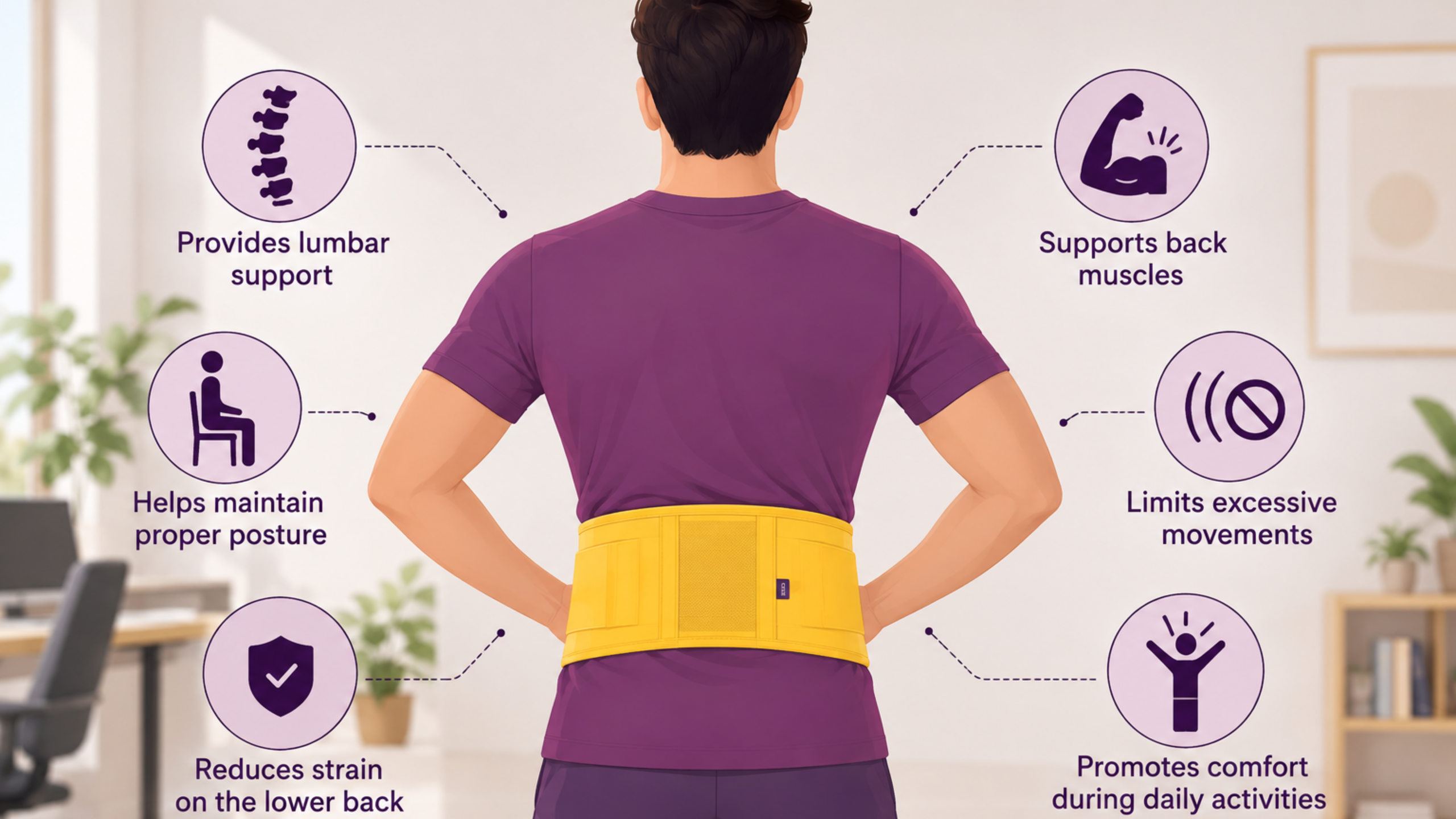
For example, some of the key benefits include:
- Pain Relief: By stabilising the spine and reducing load, belts ease discomfort in the lower back and lumbar region.
- Posture Improvement: They help correct spinal alignment, reducing slouching and hunching.
- Injury Prevention: Belts protect against strain during activities like lifting, bending, or prolonged sitting.
- Support for Medical Conditions: Conditions like herniated discs, arthritis, or sciatica can be managed more comfortably with a belt.
- Psychological Comfort: Wearing a belt gives users a sense of safety and confidence to engage in activities they might otherwise avoid.
Detailed Back Relief Belt Benefits
Furthermore, back relief belts have become increasingly popular not just because they are easy to wear, but because they offer multiple health and lifestyle benefits. These belts provide both immediate comfort and long-term advantages when used correctly. Let’s explore their benefits in detail:
1. Pain Relief for the Lower Back and Lumbar Region
The most obvious reason people use back relief belts is for pain reduction. By compressing the abdominal area and reducing the load on spinal discs, belts significantly lower pain levels. For people suffering from chronic conditions such as herniated discs or degenerative disc disease, even small amounts of pressure relief can feel life-changing.
2. Improved Posture and Spinal Alignment
Many modern lifestyles, especially desk jobs, promote poor posture. Over time, slouching, rounded shoulders, and tilted pelvis positions create chronic pain. Back belts act as a physical reminder to maintain correct posture. This not only prevents current pain from worsening but also reduces the risk of developing musculoskeletal issues later in life.
3. Reduced Strain During Heavy Lifting
Similarly, people involved in physically demanding work, household tasks, or weight training may experience strain from repetitive lifting. Wearing a belt during lifting helps:
- Stabilise the spine
- Distribute pressure evenly
- Minimise chances of sudden injuries like muscle pulls or disc herniation
This is why weightlifting belts are a standard piece of equipment in gyms worldwide.
4. Support for People with Herniated Discs or Sciatica
Conditions like herniated discs or sciatica cause nerve compression, leading to sharp shooting pain down the legs. A back relief belt can prevent excessive movement in the spine, keeping the vertebrae aligned and reducing nerve irritation.
5. Comfort During Long Sitting Hours
Meanwhile, office workers, drivers, students, and people who spend long hours at sewing machines or working from home may experience discomfort from extended sitting. A posture correction belt can:
- Encourage upright sitting
- Prevent slouching over laptops or desks
- Reduce stiffness caused by lack of spinal support
6. Psychological Reassurance and Confidence
Pain often brings fear of movement. Many people with back pain avoid activities they enjoy because they worry about worsening their condition. Wearing a belt provides a sense of reassurance, boosting confidence to stay active without constant fear.
7. Aid in Post-Surgical or Injury Recovery
After spinal surgeries, fractures, or severe injuries, doctors often recommend orthopaedic back belts. These belts immobilise the spine just enough to allow healing while still permitting gentle movement.
When to Use a Back Relief Belt
A back relief belt is not meant to be worn 24/7 but rather during situations that demand extra support. For example, here are the most common scenarios:
- Chronic Lower Back Pain: People with arthritis, degenerative disc disease, or herniated discs often benefit from wearing a belt during daily activities.
- Physical Labour and Workouts: Warehouse workers, construction labourers, and weightlifters wear belts while performing strenuous lifting to reduce injury risk.
- Long Sitting Hours at Desk Jobs: Professionals working long shifts in front of computers can use posture belts to prevent slouching and maintain lumbar support.
- Post-Surgery and Rehabilitation: After procedures such as spinal fusion or fracture repair, belts help keep the spine stable during healing.
- During Travel: Long flights, road journeys, or daily commutes can contribute to stiffness during prolonged sitting. A belt may provide additional support during travel.
Unsure What’s Causing Your Lower Back Pain? Before choosing a support belt, understanding whether your pain is triggered by posture habits, muscular imbalance, or nerve compression is key. Take Betterhood’s 2-minute Back Pain Assessment to evaluate your symptoms and receive personalised spine recovery protocols.
How to Use a Back Relief Belt Correctly
However, wearing a back relief belt may sound simple, but proper usage is key to achieving its full benefits. Overuse or incorrect wear can actually harm rather than help.
1. Choosing the Right Size and Fit
- Measure your waist and hip circumference accurately before buying.
- A proper fit should feel snug but not overly tight.
- Too loose = no support. Too tight = restricted breathing and discomfort.
2. How Long Should You Wear It Per Day?
- The general recommendation is 2 to 4 hours per day, depending on activity.
- It should not be worn continuously for 12–14 hours daily, as this can weaken core muscles.
- Best practice: Use during activities that strain the back (lifting, sitting long hours, postural corrections).
3. Do’s of Wearing a Back Relief Belt
- Do wear it during lifting, bending, or demanding tasks.
- Do combine it with stretching, yoga, or strengthening exercises.
- Do take breaks to allow muscles to engage naturally.
- Do clean it regularly to avoid skin irritation.
4. Don’ts of Wearing a Back Relief Belt
- Don’t wear it too tightly—this may restrict circulation.
- Don’t depend on it as your only form of back care.
- Don’t wear it 24/7, as it can weaken muscles over time.
- Don’t skip medical advice if you have persistent or severe pain.
5. Combining Belt Use with Exercises and Lifestyle Adjustments
The most effective way to use a back relief belt is alongside exercise and ergonomic improvements. For example, the following measures can complement belt use:
- Strengthen the core muscles with planks, bridges, and leg raises.
- Stretch the spinal muscles with yoga poses like cobra, child’s pose, or cat-cow.
- Adjust your workstation ergonomically with lumbar-support chairs or sit-stand desks.
- Use the belt strategically, not continuously.
By combining belt use with these measures, people can achieve both short-term relief and long-term spine health.
Back Relief Belt: Factors, Alternatives & Risks
Key Factors to Consider Before Buying
Before buying a back relief belt, consider:
- Material & Comfort – Breathable fabrics like mesh or cotton blends prevent sweating and irritation.
- Adjustability – Look for belts with multiple straps for better compression control.
- Intended Use – Medical recovery needs orthopedic belts; desk workers need posture belts; gym-goers need padded lifting belts.
- Size & Fit – A snug but comfortable fit is essential.
- Price vs. Quality – Balance affordability with durability; medical-grade belts often last longer.
- Medical Approval – For chronic pain or post-surgery, consult a doctor before buying.
Alternatives and Complementary Remedies
Additionally, back belts work best when combined with other approaches such as:
- Physical therapy & core exercises (planks, bridges, stretches).
- Yoga & posture correction (child’s pose, cobra, cat-cow).
- Ergonomic adjustments like lumbar chairs, sit-stand desks, or cushioned mats.
- Heat & cold therapy for stiffness and inflammation.
- Lifestyle changes such as maintaining a healthy weight, quitting smoking, and staying active.
Risks and Limitations
However, while beneficial, belts also have some drawbacks:
- Overuse can cause muscle weakening.
- Prolonged wear may lead to skin irritation.
- They provide temporary relief, not a cure.
- Incorrect fit or 24/7 use may worsen pain.
- Psychological dependency may reduce motivation to exercise.
- Without medical advice, belts may mask serious conditions.
Conclusion
Back relief belts can be useful tools for managing lower back pain, promoting correct posture, and providing support during physical activity or recovery. While they offer support and confidence, they should complement, not replace, exercises and medical treatment. Choosing the right type, size, and fit, along with following correct usage guidelines, helps you use a belt appropriately. Awareness of potential risks like overdependence and skin irritation is also essential. Combined with physical therapy, ergonomic practices, and proper lifestyle adjustments, back relief belts can support comfort and everyday mobility.
If you are looking for everyday lumbar support, consider the Betterhood LS Belt, designed to provide adjustable support while allowing guided movement during daily activities.
People are also reading:
- Home Remedies for Body Pain Relief Naturally
- Muscle Pain Causes
- Ergonomic Hacks for Frequent Ride-Share Drivers
- Can Your Sitting Posture Cause Hip Misalignment
- Fast, Targeted Relief: The Science Behind Pain Relief Gel
- Knee Joint Pain Causes
- Knee Cap Uses
- Wrist Pain Exercises for Relief
Frequently Asked Questions
1. What is the purpose of a back relief belt?
A back relief belt is designed to support the lower back, reduce pain, improve posture, and prevent further injury during physical activity or prolonged sitting.
2. Can a lumbar support belt cure back pain permanently?
No, lumbar support belts provide temporary relief and stabilization. Long-term improvement requires exercises, lifestyle adjustments, and medical treatment.
3. How long should I wear a back relief belt each day?
It is recommended to wear a belt for 2–4 hours a day, depending on activity and pain levels. Avoid prolonged use to prevent muscle weakening.
4. Is back relief belt safe to use during workouts?
Yes, they can be used for support during exercises or heavy lifting but should not replace proper technique and core strengthening.
5. What factors should I consider before buying a back relief belt?
Consider material, breathability, adjustability, intended use, doctor’s recommendations, and price-quality ratio before choosing a belt.
References:
- Mayo Clinic. (n.d.). Back pain: Symptoms and causes. Mayo Clinic. Retrieved [Date you accessed], from https://www.mayoclinic.org/diseases-conditions/back-pain/symptoms-causes/syc-20369906 Mayo Clinic
- Mayo Clinic. (n.d.). Back pain: Diagnosis & treatment. Mayo Clinic. Retrieved [Date you accessed], from https://www.mayoclinic.org/diseases-conditions/back-pain/diagnosis-treatment/drc-20369911 Mayo Clinic
- WebMD. (n.d.). Study garners no support for back belts as injury preventers. WebMD. Retrieved [Date you accessed], from https://www.webmd.com/men/features/back-belts-to-prevent-back-injuries WebMD
- National Institute of Neurological Disorders and Stroke. (n.d.). Low back pain fact sheet. NINDS. Retrieved [Date you accessed], from https://www.ninds.nih.gov/Disorders/Patient-Caregiver-Education/Fact-Sheets/Low-Back-Pain-Fact-Sheet
- Spine-health.com. (n.d.). Types of back braces used for lower back pain relief. Spine-Health. Retrieved [Date you accessed], from https://www.spine-health.com/treatment/alternative-care/types-back-braces-used-lower-back-pain-relief Spine-health
- Spine-health.com. (n.d.). Using a back brace for lower back pain relief. Spine-Health. Retrieved [Date you accessed], from https://www.spine-health.com/treatment/alternative-care/using-back-brace-lower-back-pain-relief Spine-health
- World Health Organization. (n.d.). Low back pain. WHO. Retrieved [Date you accessed], from https://www.who.int/news-room/fact-sheets/detail/low-back-pain World Health Organization
- Verywell Health. (2000, March 29). Proper lifting technique to avoid back problems. Retrieved [Date], from https://www.verywellhealth.com/how-to-lift-2548509 Verywell Health
- Time. (2014, March 25). This is the No. 1 cause of disability worldwide. Time. Retrieved [Date], from https://time.com/36242/lower-back-pain-is-no-1-cause-of-disability-worldwide/ TIME
- Self. (2024, February). Here are the lower back pain remedies that actually work, according to science. Self. Retrieved [Date], from https://www.self.com/story/lower-back-pain SELF
- CDC NIOSH. (n.d.). Back belts – Do they prevent injury? NIOSH / CDC. Retrieved [Date], from https://www.cdc.gov/niosh/docs/94-127/default.html CDC
- Wikipedia contributors. (2025, August [last update date]). Back belt. Wikipedia. Retrieved [Date], from https://en.wikipedia.org/wiki/Back_belt Wikipedia
- Wikipedia contributors. (2025, August [last update date]). Low back pain. Wikipedia. Retrieved [Date], from https://en.wikipedia.org/wiki/Low_back_pain
Medical Disclaimer: The information provided in this article is for educational and informational purposes only and is not intended as medical advice, diagnosis, or treatment. Always seek the advice of a qualified healthcare professional regarding any medical condition or before starting any new health routine or medication. Never disregard professional medical advice or delay seeking it because of something you have read on this website.