





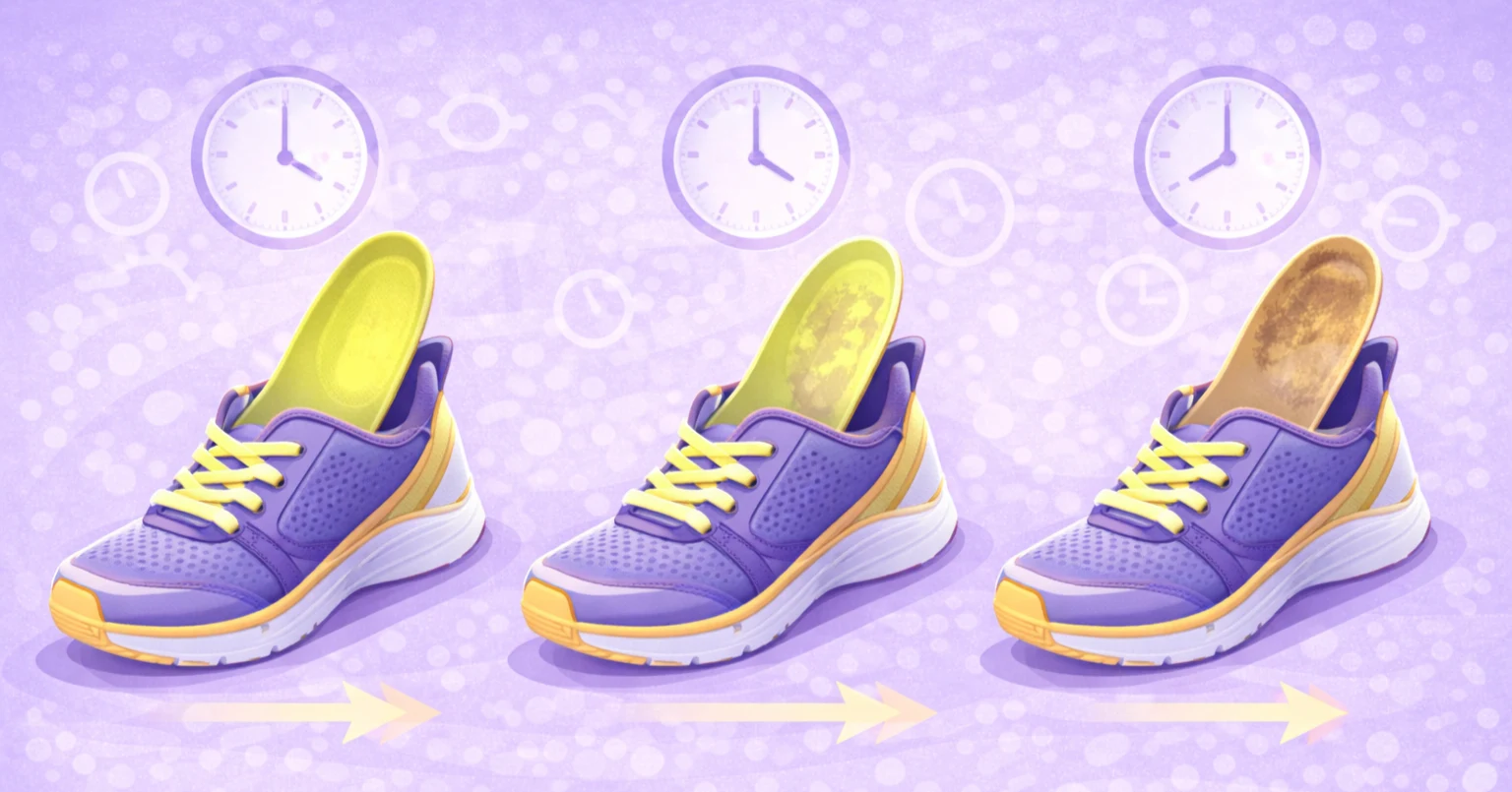
Insoles are among the most underrated components of footwear, but they’re absolutely critical to comfort, foot health and posture. Whether insoles are an added layer for extra cushioning, arch support, or even medically necessary orthotics, they wear down over time. But insoles that have lost their structure and cushioning are no longer supplying your feet with much support.
Most people think of it as having a lifespan equal to their shoes, but this is an ambitious goal. Soles, indeed, wear down much quicker due to consistent pressure, load (body weight) condensation, sweat/decomposition and constant-motion.
Being aware of how long to keep your insoles can help you stay on top of foot health and prevent pain, tiredness or injury. This guide outlines how long insoles last on average, factors that affect their durability, signs they need to be replaced and tips for prolonging their lifespan.
Depending on how frequently you wear them and where you are required to use them, studies have shown that the insoles tend to work well between 6 to 12 months [1]
What are Insoles and why are they important?
Shoe inserts, also known as insoles, are removable pads that fit inside the shoes to enhance comfort, cushioning and support. They are often used for pressure relief, fatigue reduction and foot alignment.
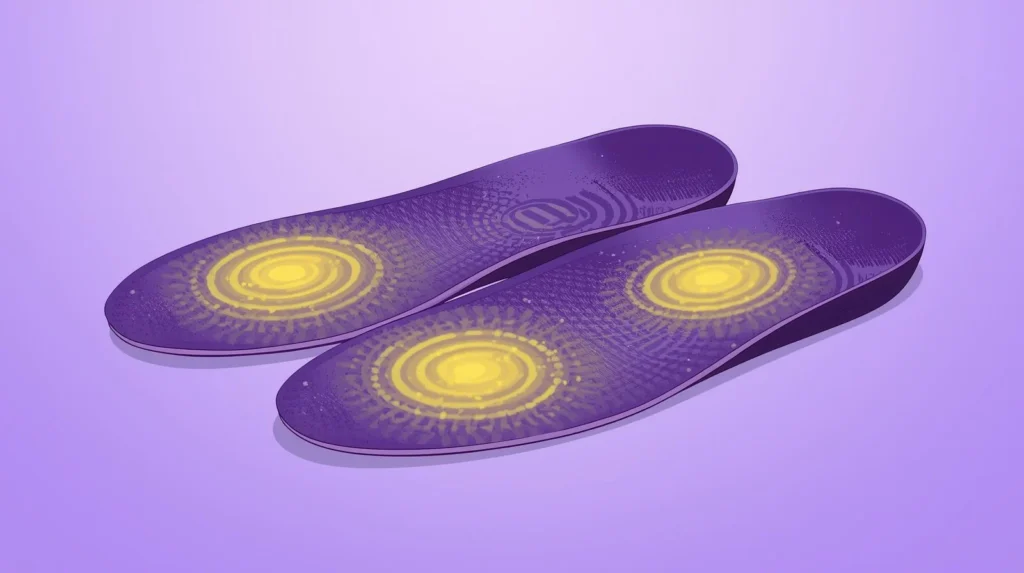
Here are some of the different types of insoles available today:
- Comfort
- Arch support
- Gel cushioning inserts
- Orthotic
- Custom medical orthotics
These inserts provide weight distribution across the body, helping reduce excess pressure on those sensitive areas of foot such as heel and ball.
Foot health experts advise that this is because it help to support correct foot alignment, which can improve posture while reducing stress on certain joints like the knees and lower back [2]
How Long Do Insoles Generally Last?
typically last anywhere between 1 to 3 years, thanks to the material used and how often you wear them. Depending on the usage, however[2]
Here is a rough rule of thumb for various insole types.
Average Lifespan of Insoles
| Insole Type | Average Lifespan |
| Foam insoles | 3 to 6 months |
| Gel insoles | 6 to 12 months |
| Orthotic insoles | 12 to 24 months |
| Custom orthotics | 1 to 3 years |
For example, custom orthotics have a longer lifespan since we use quality material and manufacture it according to your foot structure.
But high-impact activities like running, hiking, or sport can significantly decrease the longevity of a treadmill.
Athletes and more active runners tend to find they need to replace it within 6to 12 months because the materials are under increased stress [3]
What Influences the Lifespan of Insoles
Not all insoles degrade at the same rate. The length of time they last depends on a number of factors.
Frequency of Use
The more you wear your shoes, the quicker the insoles compress and lose their cushioning.
Those who wear the same pair of shoes every day will typically replace it more frequently than those who rotate between multiple pairs.
Experts advise rotating in-sole shoes weekly, as it gives time for decompressing it to dry contributing to a longer life [4]
Type of Activity
Insoles endure much more pressure in all those high-impact activities.
Here are some activities that wear insoles faster:
- Running
- Hiking
- Sports
- Long-distance walking
- Standing for long hours
New running shoes, for instance, get new one every three to six months because of impact[5]
Insole Material
The quality of the material affects how durable it is.
Common insole materials include:
- EVA foam
- Memory foam
- Gel
- Cork
- Carbon fiber
- Polyurethane
Materials such as carbon fiber or polyurethane will typically last longer than basic foam inserts.
Foam one collapse sooner, while PU and cork materials keep their form longer [4]
Body Weight and Pressure
Body weight dictates the amount of pressure applied upon insoles.
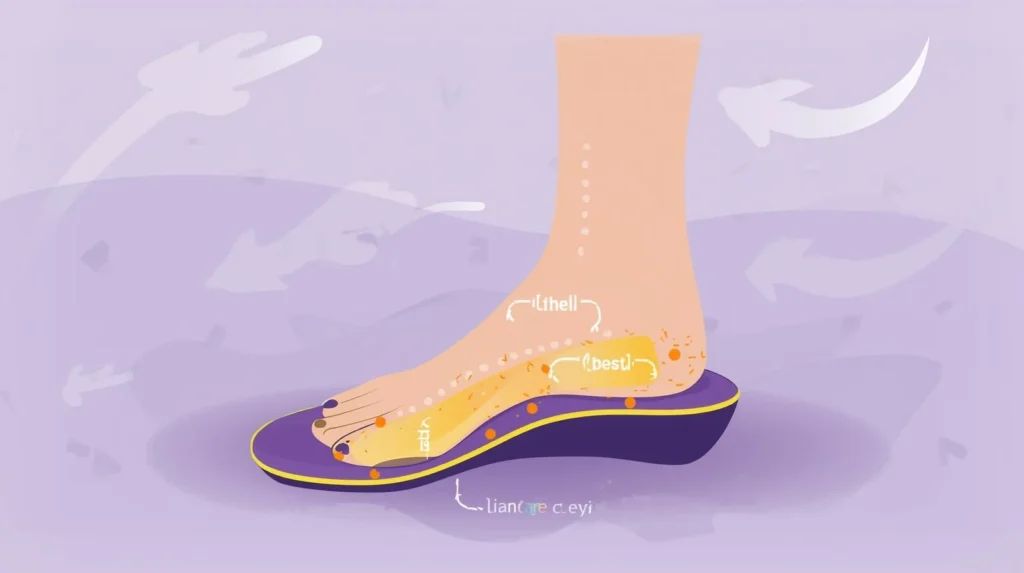
People who might wear it out faster are heavier people or those who carry heavy things during work because the materials compress more rapidly.
Shoe Type
Insole durability also depends on the type of footwear.
Examples:
Running shoes → faster wear
Work boots → high compression
Casual shoes → moderate wear
Shoes that don’t air out properly, meanwhile, can lead to sweat accumulation, something that can wear down the materials more quickly.
Signs Your Insoles Need Replacement
Plus, this are not a product that wears out overnight. Instead, they slowly lose effectiveness. Identifying the warning signs early to prevent foot pain.
Flattened Cushioning
When the insole feels flat and has no cushioning, it is an obvious sign.
This occurs when foam or gel materials compress due to excessive usage.
Visible Wear and Tear
Check for signs such as:
- Cracks
- Tears
- Holes
- Uneven wear patterns
Very little visible damage indicates the insole structure has been destroyed.
Loss of Arch Support
It would also need arch support in order to maintain proper foot alignment.
As they no longer provide arch support, it might feel as though your feet and legs are working harder than before.
Do frequent discomfort or reduced arch support signal that an insole should be replaced? Indeed, according to expert opinion
Foot Pain Returns
If you begin experiencing:
- Heel pain
- Arch pain
- Knee discomfort
- Lower back pain
Your insoles could be losing their supportiveness.
Persistent Odor
Old one can trap moisture and bacteria, which creates unpleasant odors.
It can also mean that materials have begun to break down.
Different Types of Insoles and their Duration
From the materials used to the construction, there is a different durability for each type of insoles.
Foam Insoles
Most shoes come with foam insoles.
Benefits:
- Lightweight
- Affordable
- Comfortable
However, they do compress quickly and typically last 3 to 6 months with everyday use.
Gel Insoles
It offer superior shock absorption and cushioning.
Their common use is for individuals that stand or walk long hours.
Typical lifespan: 6 to 12 months
Orthotic Insoles
Orthotic one are typically constructed to provide support for the structure of your foot, helping with alignment.
They may be:
- Over-the-counter orthotics
- Custom orthotics prescribed by doctors
Most orthotic insoles will have a shelf life of 12 to 24 months depending on the quality of your orthotics and usage[7]
Custom Orthotics
Custom made orthotics are tailored to specific foot conditions such as:
- Plantar fasciitis
- Flat feet
- High arches
- Overpronation
These are made of durable materials and can typically accumulate a lifespan of 1 to 3 years (With proper usage) [6]
How to Extend the Lifespan of Your Insoles
it can eventually wear out, too, but with proper treatment they should last a long time.
Rotate Your Shoes
Rotating among several pairs of shoes gives insoles time to rest and decompress.
This alleviates continuous tension on the components.
Keep Insoles Dry
Moisture breaks down foam and fabric fibers.
Air out the insoles every once in a while.
Clean Insoles Regularly
Cleaning removes sweat, bacteria and dirt.
If recommended by the manufacturer, use mild soap and water.
Never wash in the machine; doing so risks damaging the materials.
Store Insoles Properly
When not in use:
- Store in a cool, dry place
- Avoid direct sunlight
- Keep them flat
These small steps assist in maintaining the structure of it’s materials.
Benefits of Replacing Insoles Regularly
There are a number of benefits to replacing insoles at the proper time.
Improved Comfort
New one bring back cushioning and relieve pressure on the feet.
Better Foot Alignment
This keeps posture and balance in check.
This eases stress on joints and muscles.
Reduced Risk of Foot Pain
Worn out insoles can cause foot problems including:
- Plantar fasciitis
- Heel pain
- Arch strain
Replacing them before they do is how you avoid this.
Increased Shoe Lifespan
Insoles can make older shoes more comfortable and extend their wearability.
The Situations Where You Should Replace Insoles Early
The answer is, yes it should sometimes be replaced more frequently.
These include:
- Intense athletic activity
- Significant weight changes
- Foot injuries
- Changes in foot structure
- Frequent sweating or moisture exposure
Those who work physically demanding jobs may require substitutes more regularly as well.
Tips for Choosing Long-Lasting Insoles
Here are some tips if you need that will last longer.
Choose High-Quality Materials
More durable materials, like polyurethane or carbon fiber, last longer than plain foam.
Look for Arch Support
Like everything else, having an appropriate level of arch support decreases stress on the insole and will also improve its longevity.
Select Insoles for Your Activity
Running, work boot and casual comfort insoles are all built for varying degrees of stress.
Check Reviews and Recommendations
This can help you discover reliable brands.
Conclusion
That little piece of material beneath your feet might seem like such a small part of your shoes, but it actually has an enormous effect on comfort, posture and overall foot health. Most need replacing every six months to one year, with high-quality orthotics lasting two or more years depending on use and materials.
Understanding how and when to change your insoles is important. If you notice signs like a flattened cushion, decreased arch support, visible wear or chronic foot pain, it might be time to grab a new pair.
You can make them last longer and ensure your feet are happy and healthy on a daily basis by selecting high-quality materials, rotating shoes, and practicing good hygiene.
Frequently Asked Questions
Most shoe insoles should be replaced every 6 to 12 months with regular use, though high-end orthotics can last two years or longer depending on the materials and activity level. (aideastep. com)
Sometimes. Some shoes wear out faster than orthotic one, but many times the that need to be replaced before the shoes do.
Due to repeated impact and compression, runners will usually change out that after every 3 to 6 months. (Insole Maker)
Yes. Insides that are flattened or damaged can decrease support, resulting in foot fatigue, heel pain or posture issues.
For individuals with foot problems, custom orthotics offer better support and durability compared to generic one
References
- 1.Orthofeet. (2023). How Long Do Shoe Insoles Last?
https://www.orthofeet.com/blogs/news/how-long-do-shoe-insoles-last - 2.Ideastep. (2024). How Long Do Shoe Insoles Usually Last?
https://www.aideastep.com/how-long-do-shoe-insoles-usually-last-essential-tips-for-optimal-support-and-comfort/ - 3.InsoleMaker. (2024). How Long Do Orthotic Insoles Last?
https://www.insolemaker.com/how-long-do-orthotic-insoles-last.html - 4.InsoleMaker. (2024). How Often to Replace Orthotic Insoles
https://www.insolemaker.com/how-often-to-replace-orthotic-insoles.html - Aline Insoles. (2024). How Long Should Orthotics Insoles Last?
https://alineinsoles.com/blogs/news/how-long-should-orthotics-insoles-last - Medicus. (2024). How Long Do Foot Orthoses Last?
https://medicus.ca/en/guides-and-advices/way-of-life/how-long-do-foot-orthoses-last-and-when-should-they-be-replaced/