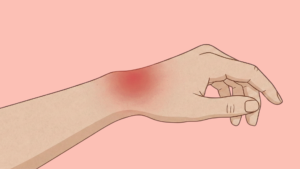






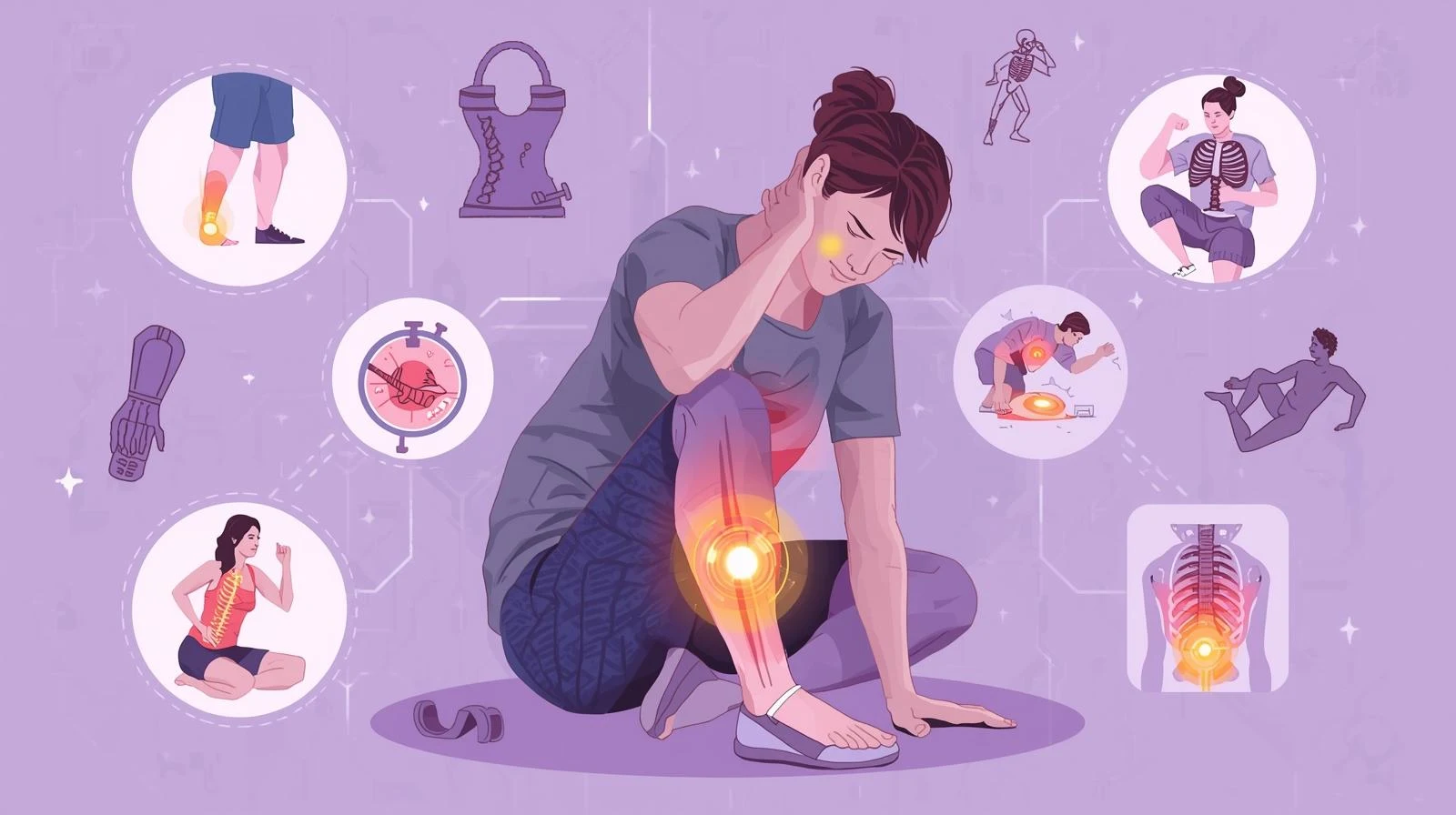
Joint pain isn’t merely a sign of getting older. It is a broad signal from your body that something mechanistically or chemically is askew. A dull ache in the morning? A sharp, stabbing sensation during a workout? Getting to the root of the problem is the first step toward wanting your mobility back. Here’s a guide that will help you to identify where in your body the discomfort is coming from and what exactly might be going on, while also explaining that the information here is purely educational and does not constitute a clinical diagnosis by a healthcare provider.
Learning the Anatomy of a Joint
In order to crack the code of joint pain, we have to know the machinery. A joint is where 2 or more bones attach, but it is much more than a structural link. It is a living, breathing constellation of intermingling tissues.
The Moving Parts
- Cartilage: This is the hard, slippery tissue that coats the ends of bones. Its role is as a cushion, permitting bones to slide over one another without rubbing.
- Synovial Fluid: Consider this the “oil” for the hinges in your body. That thick liquid lubricates the joint, reducing wear.
- Ligaments: Tough, elastic bands of connective tissue that connect bone to bone and add stability
- Tendons: These attach muscle to bone, transferring force exerted by the muscle to move the skeletal structure.
- Bones: The supporting frame that enables your weight to be supported.
Acute vs. Chronic Pain
There is no one-size-fits-all pain. Acute pain typically starts suddenly often with an injury, such as from a fall or a quick twist. It’s the body’s alarm system, advising you to chill and protect the part. Chronic pain, on the other hand, is persistent and lasts longer than three months. Such pain typically arises from progressive degeneration or systemic problems and is a different sort of problem to manage than a bruise or sprain.
Common Mechanical Joint Pain Causes
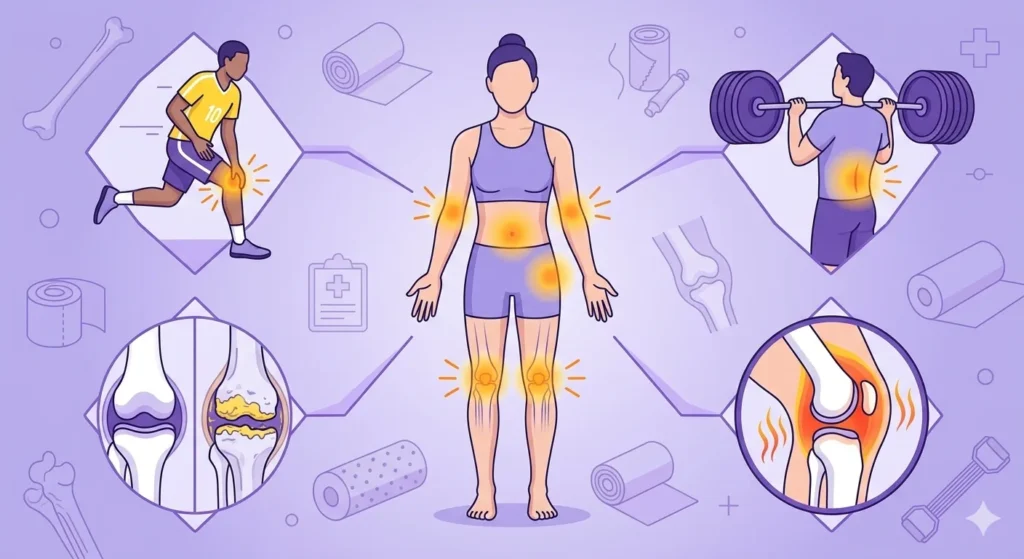
Mechanical causes involve alterations to the physical structure of a joint. That’s usually the consequence of physical wear, repetitive motion or acute trauma.
Osteoarthritis (The “Wear and Tear” Factor)
Osteoarthritis (OA) is a common type of arthritis that affects millions of people all over the world. It happens when the cushioning tissue at the ends of your bones degenerates over time. Without this cushion, the bones ultimately grind against one another, causing discomfort, swelling and limited range of motion. says this is typically localized to the hands, knees, hips, and spine.[1]
Overuse and Repetitive Strain Injuries
Sometimes, pain is not inside the bone but in surrounding tissues.
- Tendinitis: Tendon inflammation, usually as a result of repetition in sports or work.
- Bursitis: This is inflammation of the bursae, small fluid-filled sacs that cushion the joints. When these get inflamed, each movement can feel like a pinch.
Acute Physical Injuries
Accidents happen. Sprains happen when ligaments stretch or tear, while strains involve muscles or tendons. In more serious cases, a dislocation in which the bone is physically forced out of its socket can lead to intense pain and long-term joint instability.
Causes of Systemic and Autoimmune Joint Pain
Sometimes the engine of the joint is smooth, but it’s as if the body’s internal security system has gone haywire. Autoimmune disorders are those in which the body attacks its own healthy tissue.
Rheumatoid Arthritis (RA)
Rheumatoid Arthritis is an autoimmune disorder unlike osteoarthritis. The immune system attacks the synovium (the layer of membranes that cover your joints). That painful swelling can eventually lead to the erosion of bone and deformity of joints. A classic feature of RA, according to the , is symmetric pain if your left wrist hurts, your right probably does too.[2]
Gout and Pseudogout
Gout is a type of inflammatory arthritis that involves sudden, to severe attacks of pain. This happens when you have high levels of uric acid in your blood, leading to the formation of urate crystals at a joint. It is best known for attacking the base of the big toe but can occur in any joint. Pseudogout is similar but comes from calcium pyrophosphate crystals.
Psoriatic Arthritis
People with the skin condition psoriasis sometimes develop psoriatic arthritis. This condition leads to joint pain, stiffness and swelling, particularly in the fingertips and spine.
Lupus et Autres Maladies Des Tissus Connexes
Systemic Lupus Erythematosus (Lupus) is a systemic disorder whereby the immune system attacks different parts of the body, including the joints. The inflammation can cause joints to feel stiff, hot and tender especially in the morning.
Infectious and Medical Joint Pain Causes
In some cases, joint pain is an indication of something more serious medical event or an invasive pathogen.
Septic Arthritis
This is a medical emergency. Septic arthritis is when a bacterial, viral or fungal infection makes its way to a joint or the fluid around it. They typically come with searing pain and a fever. Clinicians encourage swift treatment to avoid permanent joint injury.[3]
Viral Infections
Arthralgia (joint achiness) can occur with common viruses like the flu, hepatitis or even COVID-19. A common source of migratory joint pain that can lead to chronicity, Lyme Disease is spread by ticks.
Chronic Conditions
Fibro(meaning connective tissue) is a journey where physical pain from pushing too hard and chronic fatigue can dominate. Though it does not attack joints, it alters how your brain processes pain signals so that non-damaged joints feel painful.
You Do Not Want to Know About Lifestyle Factors Making Your Joint Pain Worse
Whether your joints hurt, however, is largely based on what you do every day. Shifting a little can provide considerable relief.
The Role of Diet
A pro-inflammatory diet rich in processed sugars, trans fats and refined carbs can propagate inflammation in the joints. By contrast, an anti-inflammatory diet loaded with Omega-3 fatty acids (found in fish and seeds) and antioxidants can help to put out the fire of pain response. Many users have found nutrient-dense whole foods reduce their morning stiffness incrementally.
Sedentary Lifestyle
Motion is lotion. Your synovial fluid isn’t able to circulate properly when you stop moving. This leads to stiffness. Low-impact daily movement helps keep the joints lubricated and benefiting from strong supporting muscles.
Sleep Deprivation
Sleep is when our body repairs tissue. Not getting enough rest raises your pain sensitivity and the inflammatory markers in your blood. A high-quality sleep support regimen may allow your body to enter the deep recovery stages necessary for joint health.
Weight Management
For each pound you drop, you take off four pounds of pressure to your knees. It is a good, non-operative approach to managing mechanical joint pain with one of the best non-invasive methods of ongoing wellness for weight control.
Take Me to the Pain: Where’s it Hurt?
The whereabouts of your pain provides enormous clues about its source.
Knee Pain
Should that be Meniscus tears (a twisting injury) or Runner’s Knee (overuse of the patella)? Most knee pain can be traced to how you align your feet and hips. Read our guide on proper squat mechanics if your knees are feeling twingy.
Hip Pain
Pain deep in the hip is often a dysfunction of the joint itself (such as OA), while pain along the outside of the hip is often due to bursitis or a labral tear.
Shoulder Pain
The shoulder is the most mobile joint in the body and hence prone to rotator cuff problems or frozen shoulder (adhesive capsulitis), which severely impedes movement.
Hand and Wrist
Numbness and tingling may indicate Carpal Tunnel Syndrome, whereas pain at the base of the thumb is a classic sign of basal joint arthritis.
When to See a Doctor (Red Flags)
Although many joint problems can be treated at home, some “red flags” necessitate professional help:
- Fever accompanied by joint pain.
- Visible deformity or sudden swelling.
- Weight bearing inability on the limb.
- Warmth around the joint and redness.
Blood tests that look for C-reactive protein (CRP) or Erythrocyte Sedimentation Rate (ESR) and imaging studies such as X-rays or MRIs are usually part of the diagnostic process. According to autoimmune cases can avoid irreversible damage if diagnosed early.[4]
How to Deal With Joint Pain: At-Home and Clinical Help
The R.I.C.E. Method
Use “RICE” (Rest, Ice, Compression and Elevation) for acute injuries. This helps reduce early swelling and shields the tissue from further injury.
Low-Impact Exercise
Building up the muscles surrounding the joint alleviates pressure and stress on the joint itself. Swimming, cycling and yoga will all get you there. A beginner-friendly joint mobility routine is available here to ease you into it safely.
Supplements
Research indicates certain compounds to promote joint health. They are building blocks for cartilage. Turmeric (Curcumin) is a potent natural anti-inflammatory. If you’re searching for a clean, bioavailable source, this one here in our botanical joint support collection.
Conclusion
The first step toward a pain-free life is realizing and educating yourself about potential joint pain causes. No matter whether your pain is mechanical, autoimmune or lifestyle-based, there’s always a trajectory toward better. Focus on anti-inflammatory nutrition, regular low-impact movement and restorative sleep.
Your Next Move: Keep a “Pain Journal.” For one week, keep a record of what you ate, how you moved and your pain levels. That information will be helpful when you talk to the specialist. And if you’re ready to support your body’s natural recovery systems, check out our longevity wellness essentials.
Frequently Asked Questions
Movement circulates synovial fluid; when we sleep, this “lubricant” thickens, causing transient stiffness that usually improves with light activity.
Yes, when atmospheric pressure falls these tissues swell and press on sensitive nerves, increasing discomfort.
Muscle pain is usually more of a dull ache in the “fleshy” areas that subsides with rest; while joint pain is sharp, limited to the hinge and often incorporates swelling.
Medical research has found that the “pop” is just gas bubbles bursting, and it doesn’t cause arthritis (though you may at times have less strength in your grip).
Swimming, cycling and guided mobility routines are perfectly suited because they build the supporting muscles to move that cartilage while not adding bulky impact.
Since cartilage is about 80 percent water, dehydration makes the cushioning and lubrication between bones decrease, which translates into friction and pain.
Such highly processed sugars, trans fats and refined carbohydrates are known to drive spiking pro-inflammatory chemicals in the body that irritate joint linings.
Ice is for swelling reduction and numbing pain after acute injuries; heat relaxes chronic stiffness and increases blood flow to tight joints.
This constant state of stress produces chronic levels of cortisol that lead to systemic inflammation and muscle tension, which can literally pull your joints out of alignment.
Lose one pound of body weight and you relieve four pounds of pressure on your knee joints (thus delaying joint wear and tear in cartilage
References
- Arthritis Foundation. (n.d.). Understanding Rheumatoid Arthritis. https://www.arthritis.org
- Cleveland Clinic. (n.d.). Septic Arthritis. https://my.clevelandclinic.org
- Harvard Health Publishing. (n.d.). Does Knuckle Cracking Cause Arthritis? https://www.health.harvard.edu
- Healthline. (n.d.). The Connection Between Stress and Joint Pain. https://www.healthline.com
- Johns Hopkins Medicine. (n.d.). Diagnosing Joint Disorders. https://www.hopkinsmedicine.org
- Mayo Clinic. (n.d.). Osteoarthritis: Symptoms and Causes. https://www.mayoclinic.org
- Medical News Today. (n.d.). Common Causes of Sudden Joint Pain. https://www.medicalnewstoday.com
- National Institutes of Health (NIH). (n.d.). Glucosamine and Chondroitin for Osteoarthritis. https://www.nih.gov
- OrthoInfo – American Academy of Orthopaedic Surgeons. (n.d.). Common Knee Injuries. https://orthoinfo.aaos.org
- WebMD. (n.d.). How Diet Impacts Inflammation. https://www.webmd.com