







Aging is an inevitable part of life, but not all aspects of aging are dictated by the number of candles on your birthday cake. While chronological age counts the years lived, biological age measures the condition of your body at a cellular and physiological level. Someone can be 50 years old chronologically but have the biological markers of a 40-year-old, depending on lifestyle, genetics, and environment.
Lifestyle choices, including diet, physical activity, sleep, stress management, and social engagement, play a crucial role in influencing biological age [1]. Understanding these factors and making informed choices can help slow aging, reduce the risk of chronic diseases, and enhance overall vitality. This article explores how everyday habits affect biological age and provides practical strategies for healthier aging.
Understanding Biological Age
Biological age is a measure of how your body and its systems are functioning compared to your chronological age. Unlike chronological age, which counts the number of years a person has lived, biological age reflects cellular health, organ function, and overall physiological condition. It provides a more accurate picture of aging, disease risk, and longevity potential.
Definition of Biological Age
Biological age evaluates the actual functional and structural state of your body. While chronological age is fixed, biological age can vary depending on lifestyle habits, environment, and genetics [2]. Two people born in the same year may have significantly different biological ages due to differences in diet, exercise, stress, sleep, and exposure to toxins.
- Measuring Biological Age
Scientists assess biological age using various biomarkers, including:
- Telomere Length: Telomeres are protective caps at the ends of chromosomes that shorten with age; shorter telomeres indicate faster cellular aging.
- Epigenetic Markers: DNA methylation patterns reflect age-related changes at the cellular level.
- Functional Indicators: Blood pressure, lung capacity, cholesterol levels, glucose metabolism, and muscle mass.
- Cognitive and Physical Performance: Reaction time, memory, mobility, and strength provide insight into biological aging.
Factors Influencing Biological Age
Biological age is influenced by both genetics and lifestyle, with lifestyle often playing a larger role.
- Genetics: Some people naturally have slower aging processes due to inherited traits that promote cellular repair and longevity.
- Nutrition: Diets rich in antioxidants, vitamins, minerals, and healthy fats help prevent oxidative stress, DNA damage, and inflammation [3].
- Physical Activity: Regular exercise maintains cardiovascular health, muscle mass, bone density, and metabolism, slowing functional decline.
- Sleep Quality: Adequate sleep is critical for hormone regulation, cellular repair, and detoxification. Poor sleep accelerates biological aging.
- Stress Management: Chronic stress elevates cortisol levels, promoting inflammation and oxidative damage, which accelerates cellular aging.
- Environmental Factors: Pollution, toxins, and sedentary lifestyles increase oxidative stress and inflammation, hastening aging.
Importance of Tracking Biological Age
Monitoring biological age allows individuals to:
- Detect Accelerated Aging Early: Identifying signs of premature aging enables proactive interventions before chronic diseases develop.
- Personalize Lifestyle Changes: Knowing one’s biological age helps tailor diet, exercise, sleep, and stress management strategies.
- Track Progress: Regular assessments provide feedback on how lifestyle changes impact cellular and physiological health.
- Motivation: Seeing tangible improvements in biological markers can encourage long-term adherence to healthy habits [4].
By understanding biological age, individuals can make informed decisions to slow aging, enhance vitality, and reduce the risk of age-related diseases. Research consistently shows that lifestyle factors can modulate biological age, making it a practical and actionable measure for healthy aging.
Physical Activity and Exercise
1. Cardiovascular Exercise
Aerobic activities like walking, cycling, swimming, and jogging enhance heart health, oxygen delivery, and metabolic efficiency. Regular cardiovascular exercise lowers the risk of chronic diseases such as diabetes, hypertension, and heart disease, all of which contribute to accelerated aging.
2. Strength Training and Muscle Mass
Maintaining muscle mass through resistance training is essential to combat sarcopenia, the age-related loss of muscle [5]. Strength exercises improve mobility, balance, and basal metabolic rate, helping preserve independence and reduce falls in older adults.
3. Flexibility and Balance Exercises
Flexibility and balance exercises, including yoga, Pilates, and stretching, prevent injuries, improve posture, and enhance overall physical function. These exercises support joint health and maintain coordination, which often declines with age.
4. Exercise Consistency
Consistency outweighs intensity in aging health. Even moderate, daily physical activity like brisk walking or short bodyweight workouts has measurable effects on biomarkers of aging, including telomere length and inflammation levels.
Sleep and Stress Management
1. Sleep Quality and Biological Age
Adequate sleep is crucial for slowing cellular aging. Poor or insufficient sleep accelerates telomere shortening, disrupts hormonal balance, and impairs immune function. Quality sleep promotes memory consolidation, metabolic regulation, and tissue repair, all essential for healthy aging.
2. Stress and Its Impact on Aging
Chronic stress elevates cortisol and promotes oxidative stress and inflammation, contributing to faster cellular and organ aging. Mind-body interventions like meditation, mindfulness, deep breathing, and yoga effectively reduce stress and mitigate its impact on biological age.
3. Mental Health and Emotional Well-Being
Positive psychological states including gratitude, optimism, and social support correlate with slower aging markers. Emotional resilience protects telomeres, lowers inflammation, and improves cardiovascular health, making mental well-being an essential component of anti-aging strategies.
Lifestyle Habits That Accelerate or Slow Aging
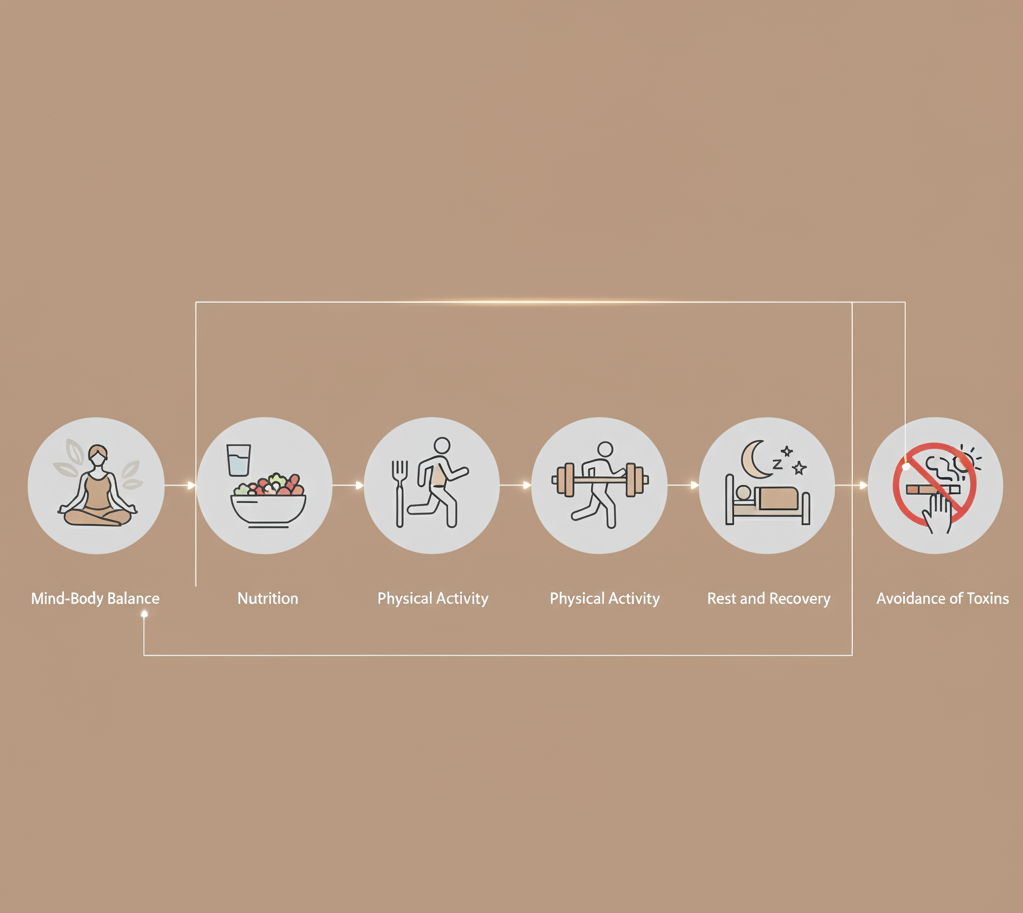
1. Harmful Habits
Certain lifestyle choices accelerate biological aging:
- Smoking: Causes oxidative stress, DNA damage, and vascular aging.
- Excessive alcohol: Impairs liver and brain function, increasing biological age.
- Sedentary behavior: Reduces muscle mass and cardiovascular efficiency.
- Poor diet: High sugar and processed foods elevate inflammation and metabolic dysfunction.
2. Protective Habits
Healthy habits can significantly slow aging:
- Balanced nutrition with antioxidants and anti-inflammatory foods.
- Regular exercise combining cardio, strength, and flexibility.
- Adequate sleep for cellular repair and hormone regulation.
- Hydration to maintain organ and skin health.
- Cognitive stimulation, lifelong learning, and social engagement.
3. Monitoring Progress
Modern technology allows tracking biological age and lifestyle impacts. Wearable devices measure heart rate variability, sleep quality, and activity levels, while periodic health checkups monitor blood sugar, lipid profiles, and inflammatory markers [6]. Adjusting habits based on these insights ensures continued progress toward optimal biological age.
Practical Tips to Age Healthier
- Prioritize a Nutrient-Rich Diet
- Emphasize whole foods: fruits, vegetables, whole grains, lean proteins, nuts, seeds, and healthy fats.
- Include antioxidant-rich foods to protect cells from oxidative stress and support DNA repair.
- Limit processed foods, added sugars, trans fats, and highly refined carbohydrates to reduce inflammation and metabolic strain.
- Stay Physically Active
- Aim for at least 150 minutes of moderate aerobic exercise per week, such as walking, cycling, or swimming.
- Include strength training 2–3 times per week to maintain muscle mass, bone density, and metabolic efficiency.
- Practice flexibility and balance exercises like yoga, Pilates, or stretching to prevent injuries and preserve mobility.
- Focus on consistency over intensity; small, regular activity is more beneficial than sporadic intense workouts.
- Maintain a Consistent Sleep Schedule
- Target 7–9 hours of quality sleep nightly to support hormone balance, immune function, and cellular repair.
- Keep a regular sleep-wake routine, even on weekends, to maintain circadian rhythm and optimize recovery.
- Create a sleep-friendly environment: dark, cool, and quiet, with minimal screen exposure before bed.
- Manage Stress Effectively
- Practice meditation, deep breathing, yoga, or mindfulness to lower cortisol and inflammation.
- Engage in relaxing activities such as reading, journaling, or spending time in nature.
- Develop coping strategies to handle life challenges and reduce chronic stress exposure.
- Limit Harmful Habits
- Avoid smoking, excessive alcohol consumption, and recreational drug use.
- Reduce sedentary behavior by taking regular movement breaks throughout the day.
- Engage Socially and Mentally
- Maintain strong friendships and social connections to enhance emotional well-being.
- Participate in hobbies, creative activities, and cognitive challenges to stimulate the brain.
- Stay Hydrated
- Drink sufficient water daily and include hydrating foods like fruits, vegetables, and soups.
- Hydration supports organ function, detoxification, and skin health.
- Regular Health Monitoring
- Track weight, blood pressure, cholesterol, blood sugar, and other biomarkers.
- Use wearable devices or health checkups to monitor activity, sleep, and overall progress.
- Adjust lifestyle habits based on data to optimize biological age and overall health.
Conclusion
Biological age is a dynamic measure influenced by diet, exercise, sleep, stress, and lifestyle habits. While genetics play a role, individuals have significant control over how their body ages. Adopting a holistic lifestyle that emphasizes nutrition, physical activity, mental well-being, and social connection can slow aging, reduce disease risk, and enhance overall vitality. The choices you make today directly influence the biological age you carry tomorrow.
Looking for more health and wellness solutions ? Don’t miss these related guides:-
Frequently Asked Questions:
1. What is the difference between biological age and chronological age?
Chronological age is the number of years lived, while biological age reflects the body’s physiological condition, including cellular and organ health. Someone may have a younger or older biological age than their chronological age depending on lifestyle, genetics, and environment.
2. How does diet affect biological aging?
Nutrition directly impacts cellular repair, inflammation, and oxidative stress. Diets rich in antioxidants, whole foods, and healthy fats slow aging, while processed foods, sugar, and excessive alcohol accelerate cellular damage.
3. Can exercise slow down biological age?
Yes. Regular exercise improves cardiovascular health, muscle mass, metabolism, and telomere length, all of which contribute to slower biological aging and reduced risk of chronic disease.
4. How does sleep impact cellular aging?
Adequate sleep promotes DNA repair, hormone balance, and immune function. Poor sleep accelerates telomere shortening, inflammation, and oxidative stress, leading to faster biological aging.
5. What lifestyle habits accelerate aging?
Smoking, excessive alcohol intake, chronic stress, poor diet, sedentary behavior, and lack of sleep all contribute to faster biological aging. Conversely, healthy habits like balanced nutrition, regular exercise, proper sleep, and stress management slow the aging process.
References
- Belsky, D. W., Caspi, A., Houts, R., Cohen, H. J., Corcoran, D. L., Danese, A., … & Moffitt, T. E. (2015). Quantification of biological aging in young adults. Proceedings of the National Academy of Sciences, 112(30), E4104–E4110. https://doi.org/10.1073/pnas.1506264112
- Chakrabarti, S., Rai, R., & Chakrabarti, A. (2020). Anti-inflammatory and antioxidant dietary interventions in aging. Nutrition and Healthy Aging, 5(2), 101–116.
- Horvath, S. (2013). DNA methylation age of human tissues and cell types. Genome Biology, 14(10), 3156. https://doi.org/10.1186/gb-2013-14-10-r115
- Irwin, M. R. (2015). Why sleep is important for health: A psychoneuroimmunology perspective. Annual Review of Psychology, 66, 143–172. https://doi.org/10.1146/annurev-psych-010213-115205
- Kodama, S., Saito, K., Tanaka, S., Maki, M., Yachi, Y., Asumi, M., … & Sone, H. (2009). Cardiorespiratory fitness as a quantitative predictor of all-cause mortality and cardiovascular events. JAMA, 301(19), 2024–2035. https://doi.org/10.1001/jama.2009.681
- Lopez-Otin, C., Blasco, M. A., Partridge, L., Serrano, M., & Kroemer, G. (2013). The hallmarks of aging. Cell, 153(6), 1194–1217. https://doi.org/10.1016/j.cell.2013.05.039


